

Last updated August 2026. Festivals in Italy run on two different clocks: fixed public holidays that close shops nationwide, and moveable feast-day events that shift with the liturgical calendar every year. Reliable fixed-date anchors include Gubbio's Corsa dei Ceri on 15 May, Pisa's Luminara on 16 June, and Siena's two Palio races on 2 July and 16 August. This calendar sorts Italy's major festivals month by month, with each entry's recurrence rule and confidence label, so you can plan dates before assuming one day is locked in.
Feste vs. Sagre: How Italy's Festival Calendar Actually Works
Italy runs two parallel calendars of celebration, and knowing which one you are looking at changes how far ahead you plan. A festa is religious or historical: a saint's feast day, a liberation anniversary, or a centuries-old civic rite like the Palio di Siena. A sagra is different, a local harvest or food festival built around one ingredient, from white truffles to chestnuts to grilled fish, and it rarely appears in any national calendar. Feste follow national or regional patterns you can plan around months out, since their recurrence rules are documented and repeat every year. Sagre are set locally, sometimes just weeks ahead, and small-town organizers advertise them mainly through locandine, roadside posters stapled to lampposts, fences, and shop windows. Watching for locandine on a drive through Tuscany or Umbria is often the only way to find a sagra that never makes it into a guidebook.
Italy's Festival Calendar at a Glance
This table sorts the year's major festivals in Italy by month, host location, and general vibe, from crowded and iconic events to smaller local ones you are more likely to share with residents than other travelers. Use it to spot a matching date, then check the full recurrence rules and confidence labels in the calendar below.
| Month | Festival | Location | Vibe |
|---|---|---|---|
| January | Capodanno | Rome, Naples, nationwide | Crowded/Iconic |
| February–March | Carnevale | Venice, Viareggio, Ivrea | Crowded/Iconic |
| March–April | Pasqua & Pasquetta | Florence, nationwide | Local/Authentic |
| March–April | Procession of the Mysteries | Trapani, Sicily | Local/Authentic |
| April | Vinitaly | Verona | Crowded/Iconic |
| May–June | Infiorata | Spello, Noto | Local/Authentic |
| 16–17 June | Luminara di San Ranieri | Pisa | Crowded/Iconic |
| June–September | Verona Arena Opera Festival | Verona | Crowded/Iconic |
| July | Umbria Jazz | Perugia | Crowded/Iconic |
| 2 July & 16 August | Palio di Siena | Siena | Crowded/Iconic |
| 15 August | Ferragosto | Nationwide, coastal towns | Local/Authentic |
| Early September | Venice Film Festival & Regata Storica | Venice | Crowded/Iconic |
| September | Chianti Classico Expo | Greve in Chianti | Local/Authentic |
| October–November | Sagre & Harvest Festivals | Alba, Perugia, nationwide | Local/Authentic |
| December | Christmas Markets & Santo Stefano | Bolzano, Trento, Naples | Crowded/Iconic |
15 Best Festivals in Italy: The Month-by-Month Calendar
The list below moves through the year month by month, from New Year's fireworks to Christmas markets. Each entry pairs the event's recurrence rule with a confidence label, so you know whether a date is fixed by law or still expected based on pattern.
Palio grandstand seating for both 2 July and 16 August races books out within months, so unreserved tickets mean standing in crowds; plan vehicle parking outside Siena's historic center, which closes to cars from midday.
- January: Capodanno (New Year's Eve) — Rome, Naples, and nationwide
- Capodanno falls on 1 January every year, a fixed national holiday confirmed by Italy's civil calendar.
- Rome and Naples stage large public concerts and fireworks on the night of 31 December, drawing crowds into the historic centers.
- Shops, museums, and many restaurants close on 1 January itself, so plan meals and sightseeing around the closure. Many venues reopen the following day.
- February–March: Carnevale — Venice, Viareggio, and Ivrea
- Carnevale's final weekend is expected, computed from the liturgical calendar, since it always falls in the weeks before Ash Wednesday and shifts every year.
- Venice hosts masked balls and candlelit boat parades, while Viareggio parades satirical papier-mâché floats through its streets each Sunday in February. Viareggio's float themes range from playful scenes to sharp political commentary, rebuilt by local artisans every year.
- Ivrea closes its carnival with the Battle of the Oranges, a food fight tied to a medieval revolt against local nobility. The Italian Carnevale guide compares Venice's costumes with Viareggio's floats in more depth.
- March–April: Pasqua and Pasquetta — Florence and nationwide
- Easter Sunday's date is expected, computed from the Christian lunar calendar, so Pasqua moves between late March and April each year.
- Florence's Scoppio del Carro sends a firework-rigged cart through the Duomo square on Easter morning, a tradition linked to the Pazzi family. White oxen pull the cart from Porta al Prato to the Duomo before the fireworks routine begins.
- Pasquetta, the Monday after, is a public holiday built around countryside picnics rather than church services.
- March–April: Procession of the Mysteries — Trapani, Sicily
- Trapani's procession timing is expected, computed from Easter week: it runs from 2 p.m. on Good Friday to 2 p.m. on Holy Saturday, a fixed 24-hour span relative to Easter.
- Held since 1400, it ranks among Italy's oldest and longest processions, carrying representations of Christ's Passion through Trapani's streets. Lights, sounds, and processional music accompany the mystery groups as they move through the historic center.
- Confirm the current route with the organizing confraternity ahead of time, since processional streets can shift from year to year.
- April: Vinitaly — Verona
- Vinitaly runs each April. Exact dates are expected, computed from the fair's usual mid-April slot, and confirmed by Veronafiere once organisers publish the schedule.
- Trade professionals and serious wine enthusiasts fill Verona's exhibition grounds for tastings across hundreds of producer stands.
- Book Verona accommodation early, since the fair competes with the city's own event calendar for hotel rooms. Rooms near the fairgrounds book out first, so compare options closer to the historic center as a fallback.
- May–June: Infiorata — Spello and Noto
- Infiorata's window is expected, computed from the late-spring dates sources place between April and June, so confirm the exact weekend with the town closer to the date.
- Teams turn flower petals into street-length mosaic murals overnight, then open the finished designs to visitors the next morning. Noto's version spreads across the town's baroque main street, while Spello concentrates its murals along steep lanes leading up from the center.
- You can walk into most towns' Infiorata for free, unlike festivals that require booking months ahead.
- 16–17 June: Luminara di San Ranieri — Pisa
- Luminara falls on 16 June every year, a fixed date confirmed by Pisa's long-standing civic calendar.
- More than 70,000 candle lumini light building facades along the Arno the night before the city's patron saint feast day.
- Arrive early for riverside seating, since crowds concentrate along the embankments after dark. Its candlelight display runs for one night only, so confirm 16 June specifically rather than assuming a multi-day window.
- June–September: Verona Arena Opera Festival — Verona
- Verona's opera season is expected, computed from its usual June-to-September run. Confirm current dates through the Arena di Verona's official listings.
- Unreserved stone-step seating costs less but is hard on your back after three hours, so bring a cushion.
- Numbered seating costs more but guarantees a spot. Programs typically go on sale months before opening night, once the season's opera lineup is confirmed.
- July: Umbria Jazz — Perugia
- Umbria Jazz runs each July; dates are expected, computed from its historical mid-July window, with recent editions running roughly 10 to 19 July.
- Perugia's main stage concerts require paid tickets, while street performers play free sets throughout the historic center.
- You can experience most of the festival's atmosphere without buying a single ticket. Ticketed headliner shows sell out fastest, so buy those first if a specific act matters to your trip.
- 2 July and 16 August: Palio di Siena — Siena
- Palio di Siena runs on two fixed dates every year, 2 July and 16 August, confirmed by centuries of civic tradition in Siena.
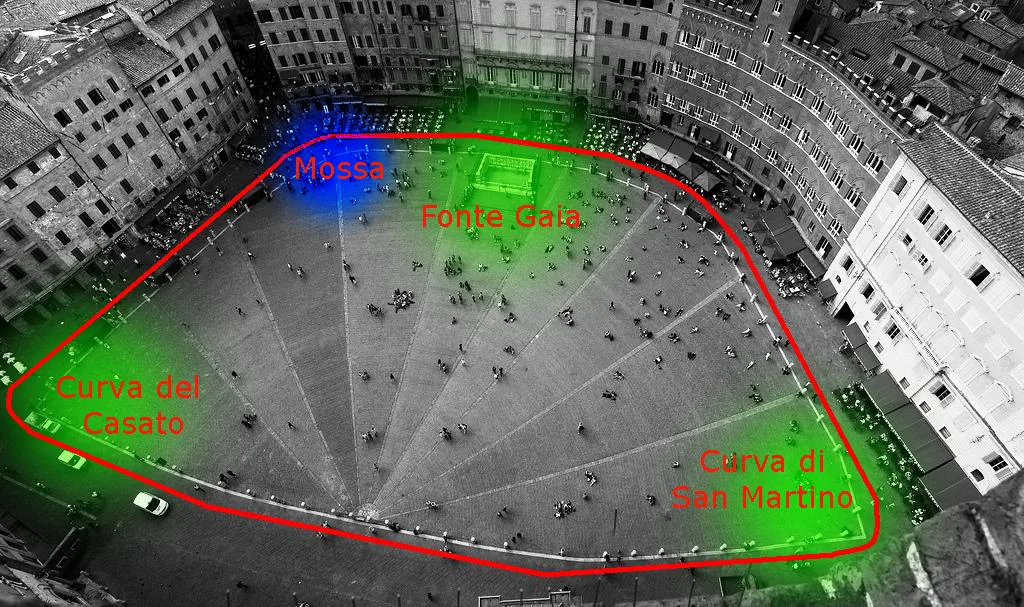
- Several of Siena's seventeen contrade race bareback around Piazza del Campo three times, continuing a rivalry that dates back centuries.
- Never wear a rival contrada's colors in its own neighborhood, and expect the city center to close to cars from midday. July heat on the unshaded piazza cobblestones is intense, so bring water and expect a tightly packed, standing crowd.
- 15 August: Ferragosto — Nationwide, especially coastal towns
- Ferragosto falls on 15 August every year, a fixed national holiday confirmed by Italian law.
- Cities empty out as residents head to the coast or mountains, leaving many shops, restaurants, and some museums closed for the day. Coastal towns fill instead, as day-trippers and vacationers head to the beach for the long holiday weekend.
- The Ferragosto travel guide breaks down which coastal towns fill first and how to plan around the closures.
- Early September: Venice Film Festival and Regata Storica — Venice
- Both events run in early September. Exact dates are expected, computed from their historical early-September slot, and confirmed through the Biennale and city listings once published.
- Venice's festival awards the Golden Lion at the Lido, drawing filmmakers alongside Cannes and Berlin in prestige.
- Regata Storica is a historical boat parade down the Grand Canal, and vaporetto routes change or restrict to residents during the event, so check ACTV's schedule before you travel. Confirm any planned vaporetto route before the event, since restrictions can appear on short notice.
- September: Chianti Classico Expo — Greve in Chianti
- Chianti Classico Expo runs each September. Dates are expected, computed from its historical harvest-season timing, so check the organiser's listings closer to the date.
- Greve's piazza fills with producer booths pouring Chianti Classico; buy a ticket and a wine glass at the entrance to taste your way through.
- Pair a visit with the broader vendemmia, the grape harvest that runs from mid-September into fall across Tuscany. Buses and trains into Greve get crowded on peak tasting days, so arrive earlier rather than later.
- October–November: Sagre and Harvest Festivals — Alba, Perugia, and towns nationwide
- Sagre are food-focused harvest festivals, distinct from religious feste. Their dates are set locally, so timing here counts as expected rather than fixed.
- Alba's white truffle fair and Perugia's Eurochocolate both run in this window, alongside village-level wine and food sagre across the country.
- Watch for locandine posters tacked to lampposts and shop windows in small towns; they are usually a village's only advance notice of its sagra. Ask at a local tabaccheria or tourist office if you can't find one, since staff often know what's running nearby.
- December: Christmas Markets and Santo Stefano — Bolzano, Trento, and Naples
- Christmas markets open in late November or early December and run through the holidays. Exact opening dates are expected, computed from each city's usual seasonal start, and confirmed through Bolzano's and Trento's official market sites.
- Bolzano and Trento run Alpine-style wooden-stall markets, while Naples is known for elaborate nativity scenes rather than market stalls.
- 26 December, Santo Stefano, is a fixed public holiday, so expect closures similar to Christmas Day itself. Some markets stay open into early January, so check each city's specific closing date before the trip.
Which Italian Holidays Close Shops, Museums, and Transport
Three dates matter most for closures across Italy: 25 April (Liberation Day), 1 May (Labor Day), and 15 August (Ferragosto). Museums, shops, and many restaurants shut on all three, and the closures tend to be more complete outside major tourist centers. A small town can feel entirely shut for the whole day, so confirm opening hours before building a day trip around one of these dates. Ferragosto hits hardest: cities empty out as residents leave for the coast or mountains, and some neighborhood restaurants close for a week or two around it rather than just the one day. Rail and road traffic also spikes around these three dates, since much of the country is traveling at the same time. The Ferragosto travel guide covers which coastal towns fill up first and how far ahead to book a room.
Ticket Costs and Booking Windows for Italy's Major Festivals
Costs split into two tiers across Italy's festival calendar. Street festivals, village sagre, and Infiorata displays cost nothing to attend, since you can walk in and watch without a ticket. Reserved seating at events like the Verona Arena Opera Festival or a gala performance runs higher, often €200 or more for premium seats, so budget accordingly if you want more than unreserved stone-step seating. Booking windows vary just as much as the price tiers do, and getting the timing wrong is the most common planning mistake travelers make around these events.
- Venice hotels for Carnevale or Regata Storica
- Book 6 to 9 months ahead, since central rooms near the main routes sell out first.
- Teatro del Silenzio and Secret Itineraries tours
- These sell out 6 months or more ahead. Confirm the July date for Andrea Bocelli's Lajatico concert once organisers announce it, since the exact night moves year to year.
- Village sagre
- Two months of lead time is usually enough, since most only need a place to sleep nearby, not an event ticket.
- Verona Opera season and Palio grandstand seating
- Book once the season program or the Palio grandstand list is published, typically a few months before the date.
Mistakes to Avoid When Planning Around an Italian Festival
A handful of planning mistakes come up again and again around Italy's festival calendar, and most are avoidable with a little advance research.
- Driving into Siena on Palio day
- The historic center closes to cars from midday on race day, so park outside the walls and walk in.
- Wearing a rival contrada's colors
- Colors carry real meaning in Siena's neighborhoods during Palio season, so keep bright rival-colored clothing out of the wrong quarter.
- Ignoring closed signs on 1 May or Ferragosto
- Assuming a museum or shop will open anyway wastes a half-day of a trip; check hours before building the day's schedule.
- Skipping vaporetto schedule checks in Venice
- Routes change or restrict to residents during the Regata Storica and Carnevale, so confirm ACTV's posted schedule before you travel that day.
- Forgetting to validate train tickets during holiday strikes
- Unvalidated paper tickets can mean a fine, and strikes cluster around long holiday weekends, so check national rail strike calendars before you travel.
July: Teatro del Silenzio — Lajatico, Tuscany
Teatro del Silenzio hosts an annual open-air concert near Lajatico, Andrea Bocelli’s hometown in rural Tuscany. The amphitheater remains largely unused outside this summer event, which usually features Bocelli with guest singers, musicians, and theatrical performers.
Tickets and nearby accommodation can sell out six months or more before the announced date. Confirm the schedule through the official Teatro del Silenzio or Andrea Bocelli channels before booking flights. The concert date can change between editions.
- Lajatico has limited accommodation, so consider Volterra, Pontedera, or Pisa as a base.
- Public transport is limited after evening performances. Reserve an official shuttle, organized transfer, or licensed taxi in advance.
- Expect outdoor walking on uneven ground. Wear stable shoes and check venue rules for water, cushions, and weather protection.
Driving offers flexibility, but event traffic and remote parking can make departure slow. Allow extra time before and after the performance rather than planning a tight rail connection.
For trip-planning details, see Italy Festival Calendar official source and UNESCO Intangible Cultural Heritage lists.
Continue planning with the Alba Truffle Fair.
Continue planning with Infiorata di Noto: Dates, Tickets, and Insider Festival Guide.
Frequently Asked Questions
What's the difference between a festa and a sagra in Italy?
A festa is religious or historical, tied to a saint's day, a civic anniversary, or a tradition like the Palio. A sagra is a local food festival built around one harvest ingredient, and it is usually advertised only through roadside locandine posters rather than a national calendar.
When is Carnevale in Italy?
Carnevale's final weekend falls in the weeks before Ash Wednesday, so the exact dates move every year with the liturgical calendar. Venice and Viareggio hold their biggest events on the final weekend before Lent, while Ivrea's Battle of the Oranges closes out the last three days.
How far ahead should you book for the Palio di Siena?
Book Siena accommodation and any grandstand seating as soon as the Comune publishes the season's Palio calendar. The city fills up fast around both the 2 July and 16 August races, and central rooms go first.
Which Italian public holidays close shops and museums?
25 April, 1 May, and 15 August close the most shops, museums, and restaurants nationwide. Smaller towns tend to shut more completely than major cities on these three dates, so plan sightseeing around them.
Is Ferragosto a good time to visit Italy?
Coastal towns and beach resorts get busy around 15 August, while inland cities can feel emptied out as residents leave. Check opening hours before planning a city-based itinerary around Ferragosto, and expect quieter museums but closed neighborhood restaurants.
What is a locandina, and why does it matter for festival planning?
A locandina is a roadside poster small towns use to advertise a local sagra, often the only advance notice it gets. Watching for locandine while driving through regions like Tuscany or Umbria is the most reliable way to find one.
Every Festival Guide, in Calendar Order
The full index of guides on this site, ordered the way the year runs. Each one carries its recurrence rule, its source, and the day we last checked it.
Winter: December to February
- Italy in winter
- Italy in December
- Christmas markets in Italy
- Rome Christmas markets
- Bolzano Christmas market
- Merano Christmas market
- Milan Christmas markets
- Florence Christmas market
- Verona Christmas market
- Naples Christmas markets and presepe
- Sanremo Music Festival
- Sant'Ambrogio and Oh Bej! Oh Bej!, Milan
- Cavalcata dei Magi, Florence
Carnival season: February to March
- Carnival in Italy
- Venice Carnival
- Venice Carnival tickets and costs
- Venetian carnival masks
- Carnevale di Viareggio
- Carnevale di Ivrea and the Battle of the Oranges
- Sartiglia di Oristano
- Carnevale Ambrosiano, Milan
- Venice Carnival dates and the Easter rule
- Verona in Love
Spring: March to June
- Italy in spring
- Easter in Italy
- Holy Week and Easter in Rome
- Holy Week in Naples and Campania
- Scoppio del Carro, Florence
- Natale di Roma — the city's birthday
- Corsa dei Ceri, Gubbio
- Infiorata di Noto
- Vogalonga, Venice
- Festa della Sensa, Venice
- Maggio Musicale Fiorentino
- Maggio dei Monumenti, Naples
- Milano Design Week and Salone del Mobile
- Vinitaly, Verona
- Piano City Milano
- COMICON Napoli
Summer: June to August
- Italy in summer
- Calcio Storico, Florence
- Calcio Storico rules explained
- Luminara di San Ranieri, Pisa
- Festival dei Due Mondi, Spoleto
- Arena di Verona opera festival
- Arena di Verona tickets and seating
- Umbria Jazz, Perugia
- Palio di Siena
- Palio di Siena tickets and viewing
- Festa del Redentore, Venice
- Puccini Festival, Torre del Lago
- Ravello Festival
- Rossini Opera Festival, Pesaro
- La Notte della Taranta, Salento
- Ferragosto
- Estate Romana — Rome's summer programme
- Festa de' Noantri, Trastevere
- Estate Fiorentina — Florence's summer programme
- Chigiana International Festival, Siena
- Estate al Castello — Milan's summer season
- Festa di San Giovanni, Florence
- Napoli Teatro Festival Italia
Autumn: September to November
- Italy in autumn
- Venice Film Festival
- Regata Storica, Venice
- Alba White Truffle Fair
- Lucca Comics & Games
- Festa del Cinema di Roma
- Romaeuropa Festival
- Festa della Rificolona, Florence
- Festa di San Gennaro, Naples
- Tocatì street games festival, Verona
- MITO SettembreMusica, Milan and Turin
- Festa di Piedigrotta, Naples
Plan around the calendar
- Festivals in Venice
- Festivals and events in Rome
- Festivals and events in Florence
- Festivals and events in Naples
- Festivals and events in Milan
- Festivals and events in Verona
- Festivals and events in Siena
- The 17 contrade of Siena
- Food festivals and sagre
- Italian public holidays and closures
- Best Time to Visit Italy
- Italy in October
- Italy in September
- Italy in June
- Italy in May
- Christmas in Italy
- Italy in January
- Italy in November
- Italy in April
- Italy in February
- Italy in March
- Italy in August
- Italy in July
- Venice Carnival Costumes
