

Last updated August 2026. Natale di Roma marks the legendary founding of the city on 21 April 753 BC, and unlike almost everything else on Italy's festival calendar it never moves. The date is fixed, the main reenactment is free, and it lands in the best month of the Roman year for walking. This guide covers what actually happens at the Circus Maximus, which parts are worth queuing for, and how the fixed date interacts with the rest of Rome's April crowd calendar.
What Natale di Roma Is, and When It Happens
Natale di Roma — literally "Rome's birthday" — commemorates the date Roman tradition assigns to Romulus founding the city: 21 April 753 BC. The anniversary is a fixed calendar date, not a movable feast, so it needs no announcement to be certain. That makes it one of the few Italian festivals where you can book flights a year out without waiting on an organiser. What does move is the programme around it: when 21 April falls midweek, the reenactments and parades cluster on the nearest weekend, and the exact schedule is published closer to the date. Treat 21 April as confirmed by the calendar and everything else as expected until the organisers post the year's programme. Rome's other fixed-date anchor is the national holiday calendar, which matters more than the festival itself for what will be open.
The Circus Maximus Reenactment: What Actually Happens
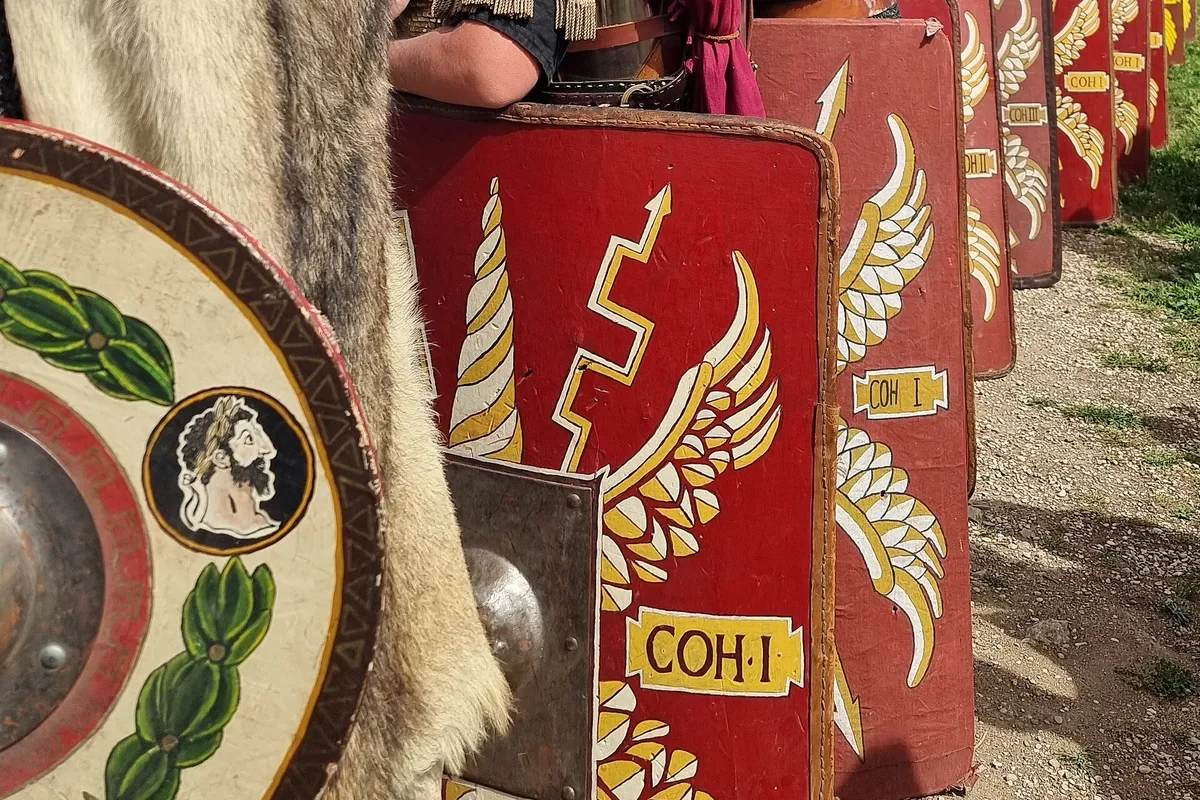
The centrepiece is the Gruppo Storico Romano's encampment at the Circus Maximus. The association, founded in 1994 specifically around this anniversary, builds a castrum — a Roman military camp — on the grass of the old chariot track and runs it as a working reconstruction across several days. Inside you get gladiatorial demonstrations, drill displays, ancient crafts, dance and staged scenes from Roman daily life. It is closer to a living-history encampment than a stage show, which means you walk through it at your own pace rather than sitting for a performance.
The set piece is the historical parade: roughly two thousand costumed participants moving off from the Circus Maximus, with legionaries in segmented armour and bearskins, Vestal Virgins, senators, and civilians in period dress. It is the largest ancient-Rome reenactment staged anywhere, and it is the reason the event draws international reenactment groups rather than only Roman ones.
Admission to the Natale di Roma events is free. The Circus Maximus is an open archaeological space with almost no shade and no seating — the grass banks on the Palatine side are where people sit, and they fill from mid-morning on parade day.
- Castrum encampment — Gruppo Storico Romano's reconstructed Roman camp on the Circus Maximus floor
- Gladiatorial combat demonstrations and military drill
- The historical parade, with around 2,000 costumed participants
- Ancient crafts, music and dance staged inside the camp
- Free admission throughout — no ticket, no reservation
Getting There and Where to Stand
Metro Line B stops at Circo Massimo, which puts you at the northeast corner of the site — the closest station to both the encampment and the parade assembly. It is one stop from Colosseo, so the two combine easily in a morning. Coming from Termini, Line B is direct and takes under ten minutes.
Sightlines matter more here than at a street parade, because the Circus Maximus is a shallow bowl. The Palatine-side bank gives you elevation over the whole track and is the best place to watch the camp and the parade forming. The flat Aventine side is closer to the action but you will be looking across heads. If you only want photographs of the parade in costume, position yourself near the assembly area early rather than along the route, where the column stretches out and the density drops.
Late April in Rome runs warm and bright but not yet punishing — daytime highs typically sit in the low twenties Celsius. There is no shade on the Circus Maximus floor, so a hat and water do more for the day than an early arrival does.
What Else Is Happening in Rome That Week
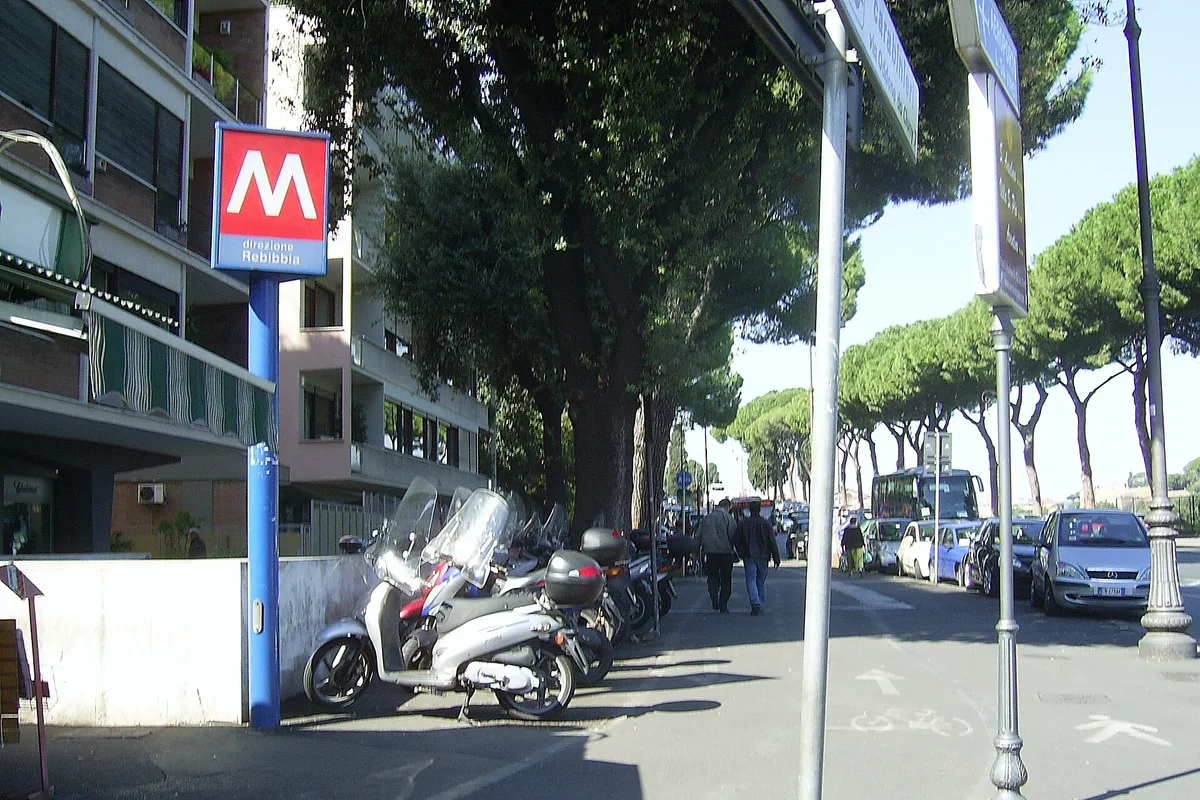
21 April sits inside a congested stretch of the Roman calendar, and that matters more for accommodation than the birthday itself does. Liberation Day on 25 April is a national public holiday four days later, and when the two land either side of a weekend Italians take the intervening days off — the ponte, or bridge. That combination fills hotels across the city and pushes domestic visitors into Rome. If your dates are flexible, the week before 21 April is materially cheaper than the week containing both dates.
Easter can also collide with it. Easter is Easter-relative and moves between late March and late April, so in some years Holy Week and Natale di Roma fall within days of each other, stacking the two heaviest visitor events of the Roman spring. Check where Easter falls in Rome before you assume late April is quiet. The Rome festival calendar sets 21 April against the rest of the city's year, and the Italy festival calendar shows how the rest of the country's April looks if you would rather build the trip around something else.
Is Natale di Roma Worth Planning a Trip Around?
Honestly: it is worth planning a Rome trip around the date, not worth crossing Europe for on its own. The reenactment is genuinely large and genuinely free, the costuming is serious rather than theme-park, and the setting is a 2,000-year-old chariot stadium. But it runs a few hours across a couple of days, and it is a spectacle rather than a participatory festival — there is nothing here like Ivrea's orange battle or Siena's contrada rivalry.
The strong case for the date is what it does to the rest of your Rome itinerary: April weather is the best of the year for walking the Forum and the Appian Way, and the birthday gives an otherwise ordinary sightseeing week a fixed centrepiece that costs nothing. If you want a festival that justifies the flight by itself, the Palio di Siena and Venice Carnival are the two Italian events that clear that bar.
| Aspect | Natale di Roma |
|---|---|
| Date certainty | Fixed — 21 April every year, no announcement needed |
| Cost | Free; no ticket or reservation |
| Duration | Reenactments across several days around the date |
| Crowd type | Roman families and reenactment enthusiasts more than mass tourism |
| Main risk | Colliding with the 25 April holiday bridge, or with Easter |
| Best base | Aventino or Celio — walkable to the Circus Maximus, quieter than the centro |
Frequently Asked Questions
What date is Natale di Roma?
21 April, every year. It commemorates the traditional founding of Rome on 21 April 753 BC, and because it is a fixed calendar date rather than an Easter-relative one, it never moves. Reenactment programming usually spreads across the nearest weekend when 21 April falls midweek.
Is Natale di Roma free to attend?
Yes. Admission to the Circus Maximus encampment, the demonstrations and the historical parade is free, with no ticket or advance reservation. Costs come only from anything you buy on site.
Where do the Natale di Roma events take place?
The Circus Maximus is the main site, where the Gruppo Storico Romano builds a reconstructed Roman military camp and stages combat and craft demonstrations. The historical parade forms there before moving off. Metro Line B stops at Circo Massimo, one stop from Colosseo.
How crowded is Rome around 21 April?
Busier than the date alone suggests. Liberation Day on 25 April is a national public holiday, and when the two fall either side of a weekend Italians bridge the gap and travel. Accommodation across Rome tightens for that whole stretch, and in some years Easter lands nearby as well.
How does Natale di Roma compare with Italy's bigger festivals?
It is a free, large-scale historical reenactment rather than a participatory festival, and it runs for hours rather than days. It is an excellent reason to fix the dates of a Rome trip, but events like the Palio di Siena or Venice Carnival are the ones that justify a trip on their own.
