Last updated August 2026. Winter is the season where Italy stops behaving like one country. The Alto Adige markets sit under genuine Alpine snow while Palermo stays mild enough for an outdoor lunch; Milan shuts for a patron saint nobody outside Lombardy observes; and for two weeks in February half the country is watching a song contest on television. It is also the cheapest and least crowded time to see cities that are unbearable in July.
Italy Has Three Winters, Not One
Treating December to February as a single season is the reason so many winter trips misfire. The months are not variations on a theme — they are three different countries.
December is the busy one: Christmas markets nationwide, extended shopping hours, cities lit and functioning. January is the deepest lull in the Italian calendar — after Epiphany on 6 January the decorations come down, the markets close, and the country goes quiet in a way it does at no other point in the year. February reverses again as Carnival builds toward Shrove Tuesday and Sanremo takes over the television schedule.
The practical consequence: a January trip and a February trip to the same city are not comparable experiences. January buys you empty museums and the lowest prices of the year. February buys you the single most theatrical festival season Italy has.
| Month | Character | Best for |
|---|---|---|
| December | Christmas markets open nationwide; cities lit and busy until the 24th, then a family-only shutdown | Markets, city lights, Naples' presepe season |
| January | The year's quietest stretch after Epiphany on 6 January; decorations down, prices at their floor | Empty museums, the cheapest hotel rates of the year, city trips rather than coast |
| February | Carnival builds toward Shrove Tuesday; Sanremo takes over national television for a week | Venice and the regional carnivals, Verona in Love, Sanremo week |
Why Visit Italy in Winter
The case for winter is straightforward: everything that makes Italy exhausting in summer reverses. Hotel rates and airfares drop outside the Christmas and Carnival peaks, the hours-long queues at the Uffizi and the Vatican Museums shrink to walk-ups, and the crowds that pack Piazza San Marco in August thin out considerably. Winter is also when Italians are actually in their own cities rather than at the coast, so neighbourhood markets, trattorie and daily life run on a more local rhythm than they do at the height of summer.
Food is part of the case too. Winter menus shift toward dishes built for cold weather — hearty polenta with stewed meat or mushrooms, roasted chestnuts sold from street braziers, and mulled wine at every Christmas market stall. Alto Adige adds its own layer of speck, canederli and strudel. None of it reads the same on a July itinerary.
The trade-offs are worth naming plainly: shorter daylight, a higher chance of rain, and closures along the coast and at seasonal sites. Winter rewards travellers who want cities, food and festivals over travellers who want beaches and long outdoor days — a split covered city by city below.
December: Markets, Then the Shutdown
The month splits at roughly 24 December. Before that, the Christmas markets are open across the country and the cities are at their most festive. After it, Italy turns inward — Christmas here is a family holiday observed at home, so restaurants close or move to fixed holiday menus, shops shut, and transport thins out.
The markets themselves are not interchangeable. The Bolzano and Merano markets in Alto Adige are Alpine and Germanic in food, language and architecture. Rome's Piazza Navona trades that atmosphere for mild weather and the Befana tradition. Naples is not a stall market at all but a street of nativity-craft workshops on Via San Gregorio Armeno. Milan, Florence and Verona sit between the two poles.
Closing dates matter more than opening dates. Verona's ends on 26 December and Florence's in late December, while Bolzano, Merano, Milan, Rome and Naples typically run to 6 January. A New Year trip built around the wrong one finds the stalls gone. The full comparison is in the guide to Italy's Christmas markets, and the month's shape — including the 7–8 December double holiday that makes Milan the most expensive city in Italy that week — is covered in December in Italy.
One non-Christmas event still runs at the start of the month: the Alba truffle market in Piedmont holds weekend sessions into early December.
January: The Quietest Month in Italy
Epiphany on 6 January closes the Christmas season. The night before, La Befana — a folkloric witch rather than a saint — is said to deliver gifts to children, and Florence marks the day with the Cavalcata dei Magi, a costumed procession of the Magi through the historic centre. After that the calendar empties.
What January offers is the inverse of what summer offers. Museum queues that run for hours in July are walk-ups in January. Hotel rates in Venice, Florence and Rome are at their annual floor. Restaurants that require weeks of notice in high season will seat you the same evening. For travellers whose priority is the art and the architecture rather than the festivals, this is arguably the best month of the year to go, as long as you accept short daylight and a real chance of rain.
The trade-off is that some seasonal businesses simply close. Coastal and lake destinations — the Amalfi Coast, Cinque Terre, the Lakes — run on skeleton service or shut entirely in January. January is a city month, not a coast month.
February: Carnival Takes the Country Back
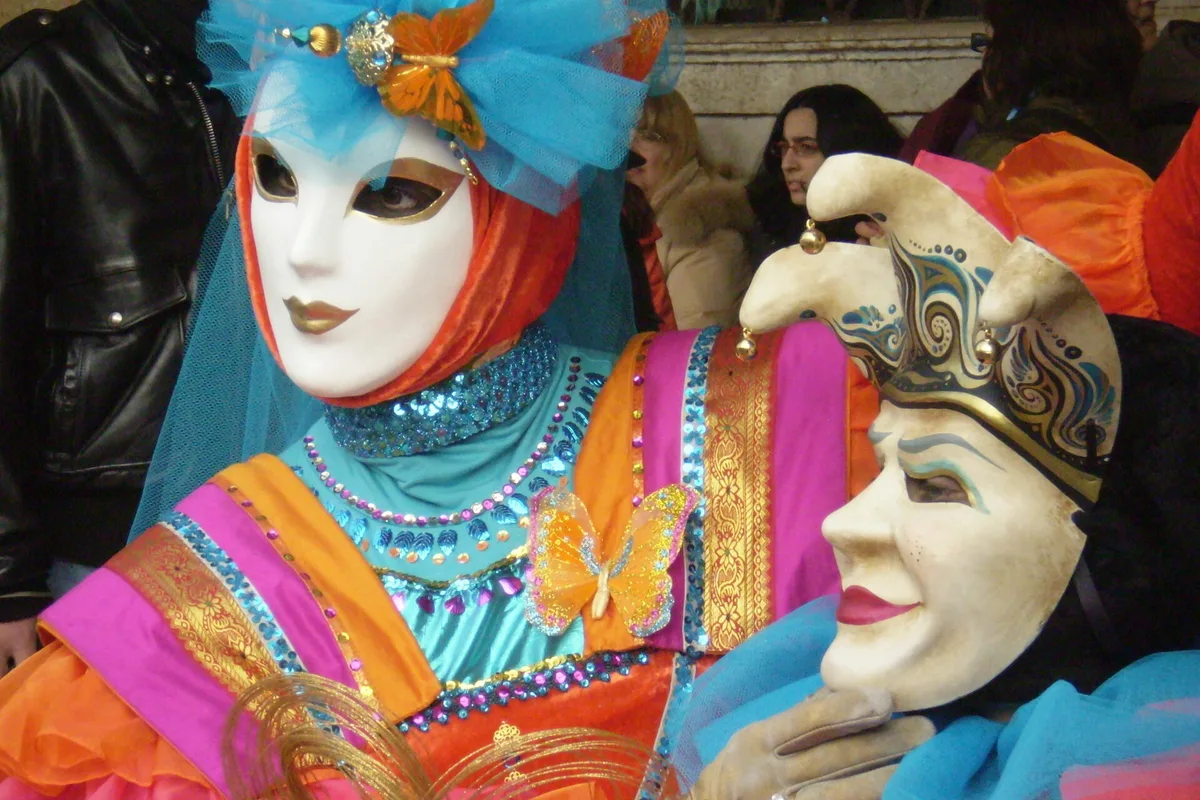
Carnival is the reason February is worth a trip. It is a movable season tied to Easter, building over several weeks and ending on Martedì Grasso (Shrove Tuesday), the day before Ash Wednesday. Because Easter moves, so does the whole season — which is why no Carnival date can be quoted as fixed more than a year out.
Italy's carnivals are genuinely distinct traditions rather than regional copies of one another:
| Carnival | Where | What makes it different |
|---|---|---|
| Venice | Veneto | Masks, costume and formal balls; the most visited by far |
| Viareggio | Tuscany | Giant satirical floats on a seafront parade circuit |
| Ivrea | Piedmont | The Battle of the Oranges — a genuine, bruising throwing fight |
| Oristano | Sardinia | La Sartiglia: a masked equestrian tournament, not a parade |
| Milan | Lombardy | Ambrosian rite — runs four days later than everywhere else |
Milan's is the useful oddity. Because the city follows the Ambrosian rather than the Roman rite, its Carnival ends on the Saturday after Ash Wednesday. If you miss Shrove Tuesday elsewhere in Italy, Milan is still going.
The five in the table are the ones worth building a trip around, but Carnival is not limited to them. Regional traditions persist across the country: Friuli Venezia Giulia in the northeast, for instance, keeps its own local Carnival celebrations, organised town by town rather than around one flagship event the way Venice's is.
Venice dominates the coverage and the crowds. Its planning detail splits across three pages: when the dates actually fall, what is ticketed and what is free, and where to buy a real mask rather than a factory import. The country-wide overview is in Carnival in Italy.
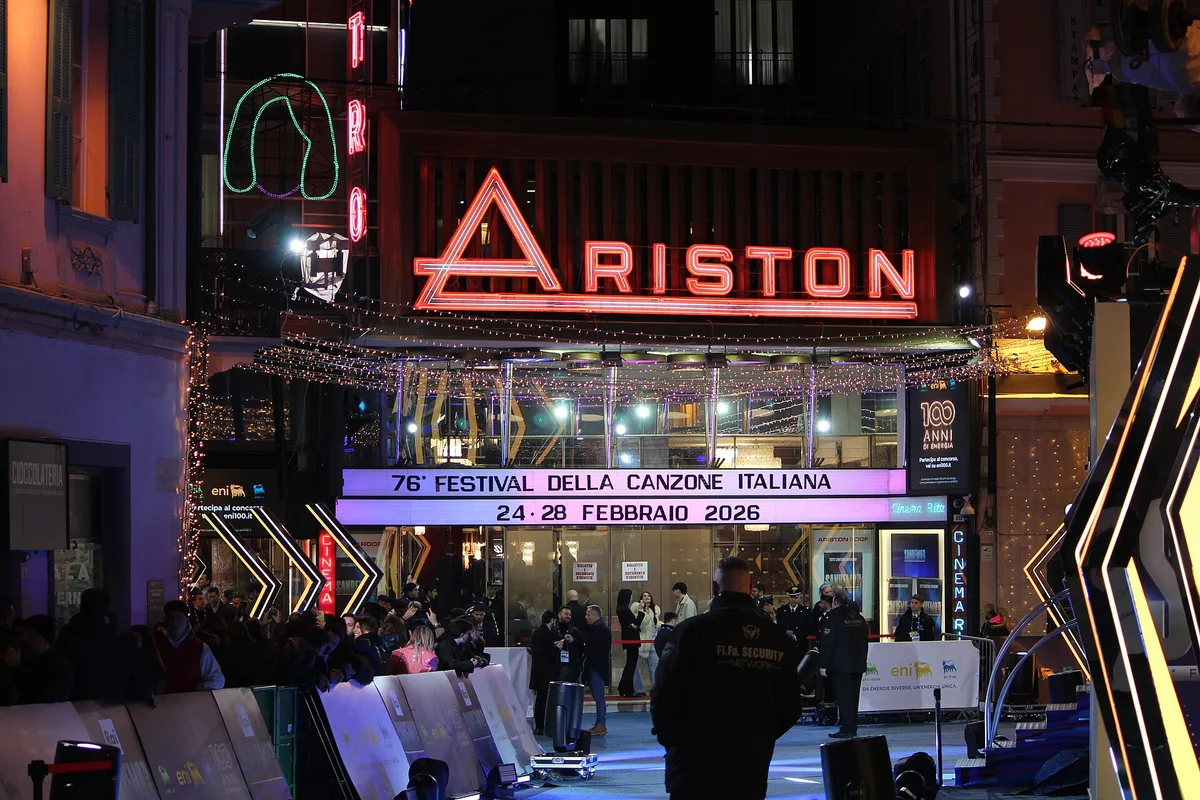
February also carries two smaller fixtures: Verona in Love around Valentine's Day, which the city builds on its Romeo and Juliet association, and the Sanremo Music Festival — five nights at the Teatro Ariston that function as a genuine national event, with viewing figures no other Italian broadcast matches. Sanremo is worth knowing about even if you never go: hotel prices on that stretch of Liguria spike, and the whole country's restaurants have the television on.
The Other Italian Winter: The Alps and the Dolomites
A large share of Italy's own winter travel has nothing to do with festivals or cities. The Alpine arc — Valle d'Aosta, the Lombard and Piedmontese Alps, Trentino and the Dolomites of Alto Adige and the Veneto — runs a full ski season from roughly December to early April, and for Italians this is what winter means.
It matters to festival travellers for two practical reasons. First, it competes for the same beds: Alpine accommodation prices spike over Christmas, New Year and the February school holidays, and the trains and motorways north fill on those weekends. Second, it is the reliable escape from the Po valley's winter fog, which can sit over Milan, Turin and Bologna for days.
The Alto Adige combination is the one worth knowing: the region's Christmas markets at Bolzano and Merano sit within easy reach of the Dolomites, which makes a market-and-mountains trip straightforward in a way it is not anywhere else in the country. It is also the part of Italy where German is co-official and the food is closer to Austrian than Italian — speck, canederli and strudel rather than pasta.
Which City Actually Suits a Winter Trip
Winter rewards some Italian cities and punishes others, and the split is not the one people expect.
| City | Winter verdict |
|---|---|
| Rome | Strong. Mild, and the sites that are unbearable in summer are walk-ups. Rain is the main risk |
| Venice | Strong outside Carnival. Fog and empty calli are the city at its most atmospheric; acqua alta is the caveat |
| Florence | Strong. Cold but dry-ish, and the Uffizi and Accademia are finally manageable |
| Naples | Very strong. Mildest of the major cities, and the December presepe season is its own reason to go |
| Milan | Mixed. Cold, damp and foggy, but the strongest December programme and best transport links |
| Coast and lakes | Avoid. Amalfi, Cinque Terre and the lakes run skeleton service or close |
The general rule: winter is a city and mountain season, not a coastal one. Trips that mix a major city with either the Alto Adige markets or a few days in the Alps work well; trips that assume the Amalfi Coast will behave as it does in June do not.
Winter Weather in Italy, Region by Region
Italy's winter spread is wider than any other season's. Alto Adige and the Alpine north sit in real winter — snow likely, sub-zero evenings, proper boots and layers a genuine requirement. Milan and the Po valley get cold, damp and frequently foggy rather than snowy. Rome is mild but wetter than people expect. Naples, Sicily and Sardinia stay mild enough that a heavy coat is often too much by midday.
| Region | Typical daytime range, Dec–Feb | Snow |
|---|---|---|
| North (Alps, Po valley, Milan, Venice) | Roughly -4°C to 7°C | Reliable in the mountains; the Po valley sees more fog than snow |
| Central (Rome, Florence, Tuscany) | Roughly 4°C to 14°C | Rare, mostly confined to the Apennine hills rather than the cities |
| South and the islands (Naples, Sicily, Sardinia) | Roughly 9°C to 16°C | Very rare; Sicily can stay above 10°C most days |
The constraint most travellers underestimate is daylight. Sunset falls mid-afternoon, which compresses sightseeing but suits the season's festivals — Christmas markets and Carnival evening events only read properly after dark. A workable winter day front-loads museums and churches into the morning and moves outdoors once the lights are on.
Rain matters more than cold. Venice's acqua alta season runs through the winter months, and while the MOSE barriers have changed how often high water reaches the city, raised walkways and waterproof footwear remain sensible in Venice specifically.
What to Pack for an Italian Winter
Layers do more work than any single heavy item, because the range within one trip can be large — a morning in Bolzano's snow and an afternoon in Naples' mild sun are not unusual on the same itinerary. A warm coat, a mid-layer that comes off easily indoors, and a scarf and gloves for the Alpine north cover most of the country; travellers sticking to Naples, Sicily or Sardinia can go noticeably lighter.
Waterproof, comfortable shoes matter more than warmth. Rain is a bigger factor than cold across most of Italy's winter, and Venice specifically deals with acqua alta through the season, so water-resistant footwear is worth prioritising over stylish-but-open shoes even in a city like Rome. Cobbled streets stay wet for hours after rain passes.
Because sunset falls mid-afternoon, evenings outdoors turn cold fast — pack for standing around a Christmas market stall or a Carnival street scene after dark, not just for daytime sightseeing. A compact umbrella and layers that pack down small for train travel between cities round out a practical list.
Costs, Crowds and When to Book
Winter contains both the cheapest and some of the most expensive weeks of the Italian year, which is why "winter is cheap" is only half true.
| Window | Cost | Why |
|---|---|---|
| 5–9 December | High | Sant'Ambrogio and Immacolata create a national bridge weekend |
| Mid-December | Moderate | Markets fully open, holiday travel not yet started |
| 24 December – 1 January | Highest | Christmas and New Year; family travel peaks |
| Mid-January to early February | Lowest of the year | The post-Epiphany lull |
| Carnival week | High in Venice | Venice specifically; other carnival cities stay reasonable |
The genuine bargain is mid-January to early February. The genuine trap is assuming Venice at Carnival is a winter discount — it is the most expensive week in the city outside high summer, and accommodation on the islands sells out months ahead.
National holidays that close things: 8 December, 25 December, 26 December, 1 January and 6 January. Details on how these combine into ponti are in the guide to Italy's public holidays, and the full year is mapped on the Italy festival calendar. autumn in Italy covers the season before this one, and spring in Italy the one that follows.
Frequently Asked Questions
Is winter a good time to visit Italy?
Yes, if the priority is cities rather than coast. Museums and major sites are walk-ups rather than hour-long queues, hotel rates in Venice, Florence and Rome hit their annual floor in January, and December and February carry the Christmas markets and Carnival respectively. The trade-offs are short daylight, a real chance of rain, and seasonal closures along the coast and lakes.
What is the cheapest month to visit Italy?
Mid-January to early February is the lowest-priced window of the year. The Christmas season has ended, decorations are down after Epiphany on 6 January, and Carnival has not yet built. The exception is Venice during Carnival week, which is among the most expensive periods in the city regardless of season.
When is Carnival in Italy?
Carnival is tied to Easter and therefore moves each year. The season builds over several weeks and ends on Martedì Grasso (Shrove Tuesday), the day before Ash Wednesday, usually falling in February or early March. Milan is the exception: it follows the Ambrosian rite and its Carnival ends on the Saturday after Ash Wednesday, four days later than the rest of the country.
Does it snow in Italy in winter?
Reliably in the Alps and Alto Adige, where the Christmas markets sit in genuine Alpine winter. The Po valley around Milan is cold, damp and often foggy but sees less snow. Rome is mild and wetter than expected, and Naples, Sicily and Sardinia rarely see any. The north-south spread is wider in winter than in any other season.
What is closed in Italy in January?
1 January and 6 January are national holidays with widespread closures. After Epiphany the Christmas markets shut and decorations come down. More significantly, seasonal destinations — the Amalfi Coast, Cinque Terre and the lakes — run skeleton service or close entirely for the month. January works as a city month, not a coastal one.