Last updated August 2026. Everywhere else in Italy, carnival stops on Shrove Tuesday. In Milan it keeps going for another four days and peaks on the Saturday — Sabato Grasso — after Ash Wednesday has already passed. This is not a quirk of programming but a consequence of liturgy: Milan follows the Ambrosian rite, and its Lent starts later. For a traveller, that produces one genuinely useful opportunity.
Why Milan Runs Late
Milan and the wider Archdiocese use the Ambrosian rite rather than the Roman one, and under it Lent begins on the Sunday after Ash Wednesday rather than on Ash Wednesday itself. Carnival fills the gap. Where the Roman calendar closes carnival on Martedì Grasso, the Ambrosian calendar carries it through to the following Saturday.
The dates move with Easter. In 2026, Sabato Grasso fell on 21 February and Martedì Grasso on 24 February — note the order, which surprises people: the Ambrosian Saturday came before the Roman Tuesday that year because the two rites number their weeks differently. The reliable way to think about it is the rule, not the arithmetic: Milan's peak is the Saturday after Ash Wednesday, and Ash Wednesday is 46 days before Easter. Anything more specific should be confirmed against the year's published calendar, or worked out from the Easter computus, which fixes the Roman Shrove Tuesday that Milan's Saturday hangs off.
What Actually Happens
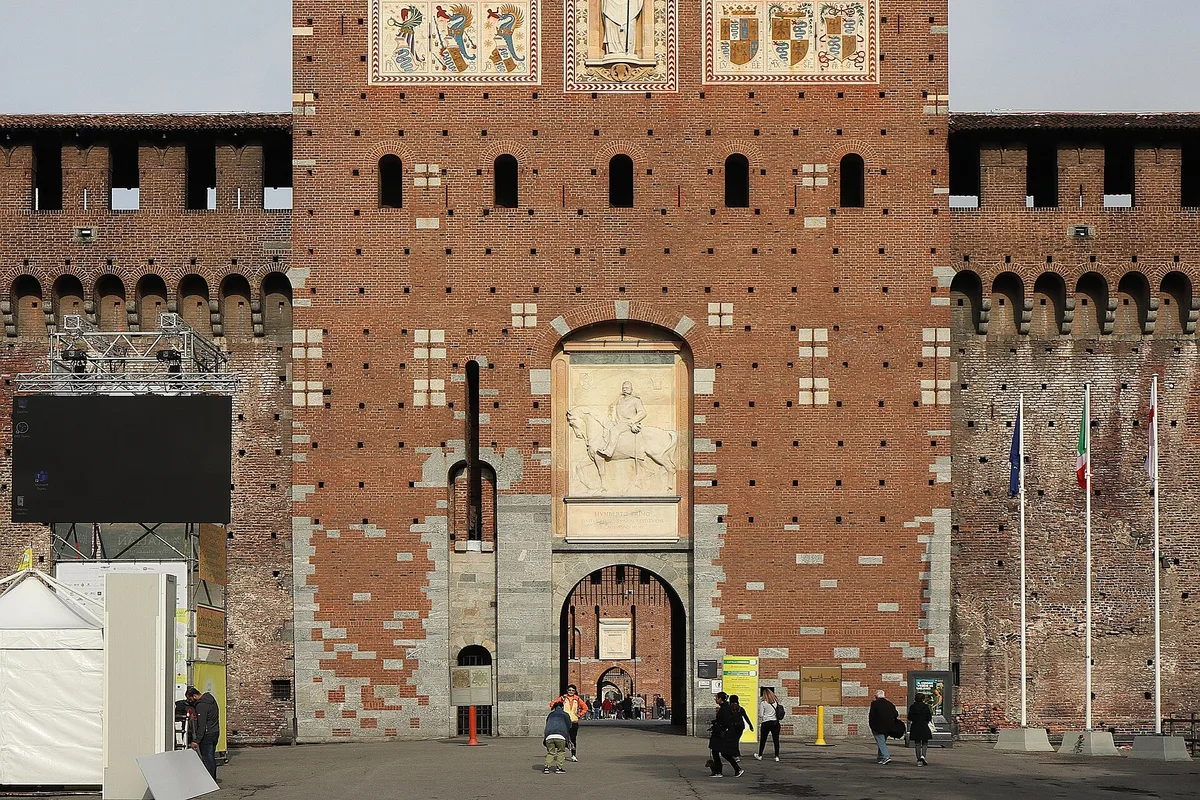
Be realistic about scale. Milan's carnival is not Venice and not Viareggio — there is no ticketed spectacle, no float-building tradition on the Tuscan model, and no international draw. What there is: costumed children throughout the centre, confetti and streamers in the piazzas, neighbourhood parades of varying ambition, and events staged around the Duomo, the Castello Sforzesco and the Parco Sempione.
Milanese schools typically close on the Friday and Saturday of the carnival week, which is why the city fills with families on Sabato Grasso specifically. The food is the other constant: chiacchiere — fried pastry ribbons dusted with sugar — appear in every bakery through the season, alongside tortelli in the Milanese style.
Milan's carnival is a city doing its own thing on a normal weekend, not an event laid on for visitors. Treat it as a good reason to be in Milan in late February rather than a destination in itself.
The Opportunity the Late Date Creates
This is the genuinely useful part. Because Milan's carnival runs four days past everyone else's, it is possible to attend a major Italian carnival and then catch Milan's tail — something impossible if all Italian carnivals ended on the same Tuesday.
| Carnival | Closes | From Milan |
|---|---|---|
| Venice | Shrove Tuesday | ~2h30 by high-speed rail |
| Viareggio | Shrove Tuesday | ~3h by rail via Florence or Pisa |
| Ivrea | Shrove Tuesday | ~1h by rail via Turin |
| Milan (Ambrosian) | Sabato Grasso, four days later | — |
Venice Carnival closes on Shrove Tuesday, and Venice to Milan is about two and a half hours by high-speed train. Viareggio also finishes on the Tuesday and is a similar distance. Either can be followed by Milan's Sabato Grasso in the same trip, with a few quiet days in between for the cities themselves. That sequencing is the reason to know the Ambrosian rule at all.
What Milan will not do is substitute for those events. If carnival is the whole purpose of the trip, go to one of the big three — Venice for masks, Viareggio for floats, Ivrea for the orange battle — and treat Milan as an extension.
Visiting Milan in February
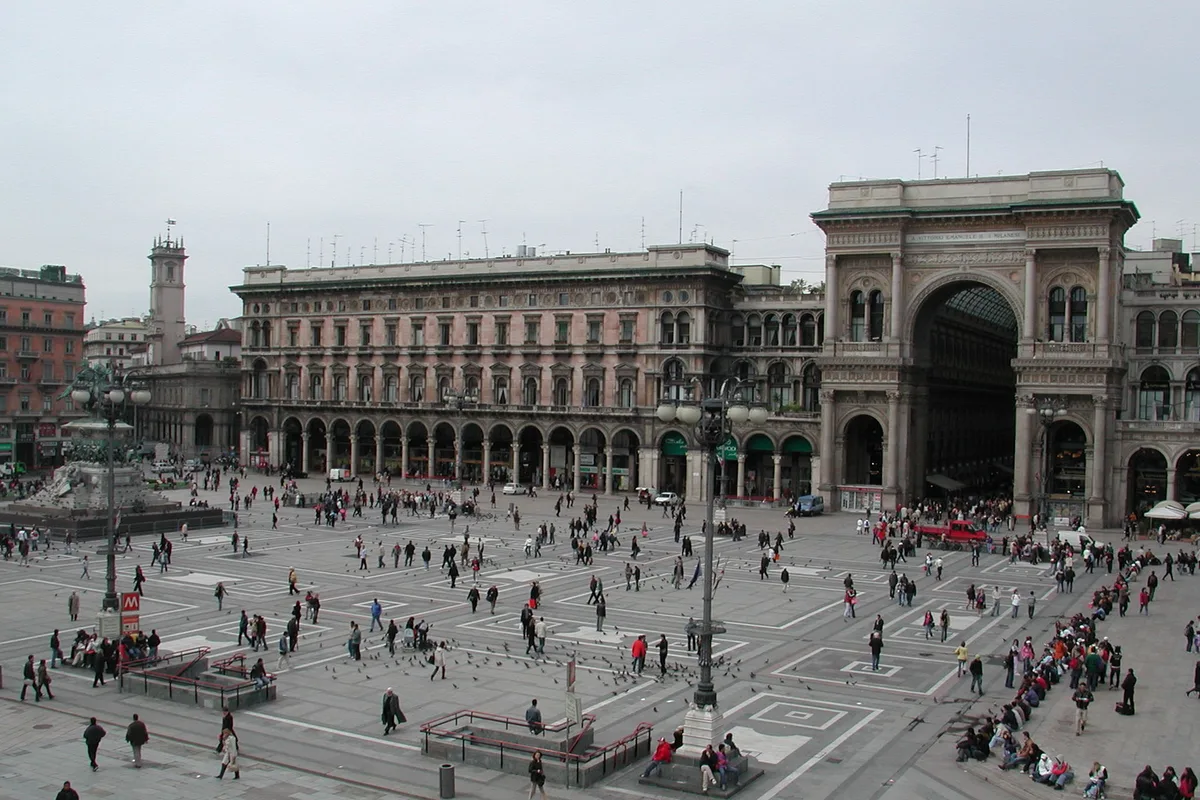
Late February is one of the cheaper and quieter times to be in Milan. It sits well clear of Design Week in April, which is the week the city's hotel market breaks, and well clear of the December Sant'Ambrogio and Christmas rush. Weather is cold and often grey, but Milan is an indoor city — the Duomo, the Brera, the Castello Sforzesco museums and the Navigli all work fine in February.
Carnival adds atmosphere to that without adding cost or crowds, which is a reasonable trade. The Milan festival calendar covers what else the year holds.
Frequently Asked Questions
Why does Milan's carnival end later than the rest of Italy's?
Milan follows the Ambrosian rite rather than the Roman one, and under it Lent begins on the Sunday after Ash Wednesday instead of on Ash Wednesday itself. Carnival fills that gap, so Milan's celebrations peak on Sabato Grasso, the Saturday after Ash Wednesday — four days after carnival has ended everywhere else.
When is Carnevale Ambrosiano?
It peaks on Sabato Grasso, the Saturday after Ash Wednesday, which moves each year with Easter. In 2026 that fell on 21 February. Because the two rites number their weeks differently, the arithmetic can be counterintuitive — confirm the specific year against the published calendar rather than calculating from the Roman dates.
What happens during Milan's carnival?
Costumed children throughout the centre, confetti in the piazzas, neighbourhood parades, and events around the Duomo, Castello Sforzesco and Parco Sempione. Milanese schools generally close on the Friday and Saturday. Chiacchiere, fried pastry ribbons dusted with sugar, appear in bakeries throughout the season.
Is Milan's carnival worth travelling for?
Not on its own — there is no ticketed spectacle or float tradition to rival Venice, Viareggio or Ivrea. Its real value is the late date: because Milan runs four days past everyone else, you can attend Venice or Viareggio through Shrove Tuesday and still catch Milan's Sabato Grasso on the same trip.
Is February a good time to visit Milan?
It is one of the cheapest and quietest. It avoids Design Week in April, when the hotel market breaks, and the December Sant'Ambrogio and Christmas rush. The weather is cold and grey, but Milan works well as an indoor city, and carnival adds atmosphere without adding cost or crowds.