Last updated August 2026. Summer is when Italy's festival calendar is at full strength and its travel conditions are at their worst. Two horse races run in a medieval square, opera plays in a Roman amphitheatre to fifteen thousand people, an entire city builds a temporary bridge across a lagoon for fireworks — and simultaneously the heat becomes genuinely difficult, the queues become hours long, and in mid-August a large part of the country closes and goes to the beach.
June and August Are Not the Same Season
The single most useful thing to understand about Italian summer is that it splits into two halves that behave in opposite ways.
June and early July are close to ideal: the full festival calendar is running, the days are at their longest, the coast is open, and while it is hot it is not yet punishing. Mid-August is the opposite. Around Ferragosto on 15 August, Italians take their own holidays en masse — independent restaurants, workshops and family businesses close for one to three weeks, cities empty of residents, and the coast and islands fill beyond capacity. Prices follow the crowd.
The result is a counterintuitive rule: in August the cities are emptier of locals but the beaches are impossible, while in June everything is open and functioning. If the trip is about festivals and cities, aim early. If it is about the sea, aim early anyway and accept that you are competing with the entire country.
June: The Best Month of the Italian Summer
June carries an unusual concentration of fixed-date historical festivals, most of them free to watch.
Calcio Storico in Florence is the most notorious — a violent sixteenth-century football game between the city's four quarters, with semifinals in mid-June and the final on 24 June, the feast of San Giovanni. That same day is the city's patron saint festival, covered in Festa di San Giovanni, which adds a river race, a historical parade and fireworks over the Arno. If the rules of the game itself are the interest, they are set out in Calcio Storico rules.
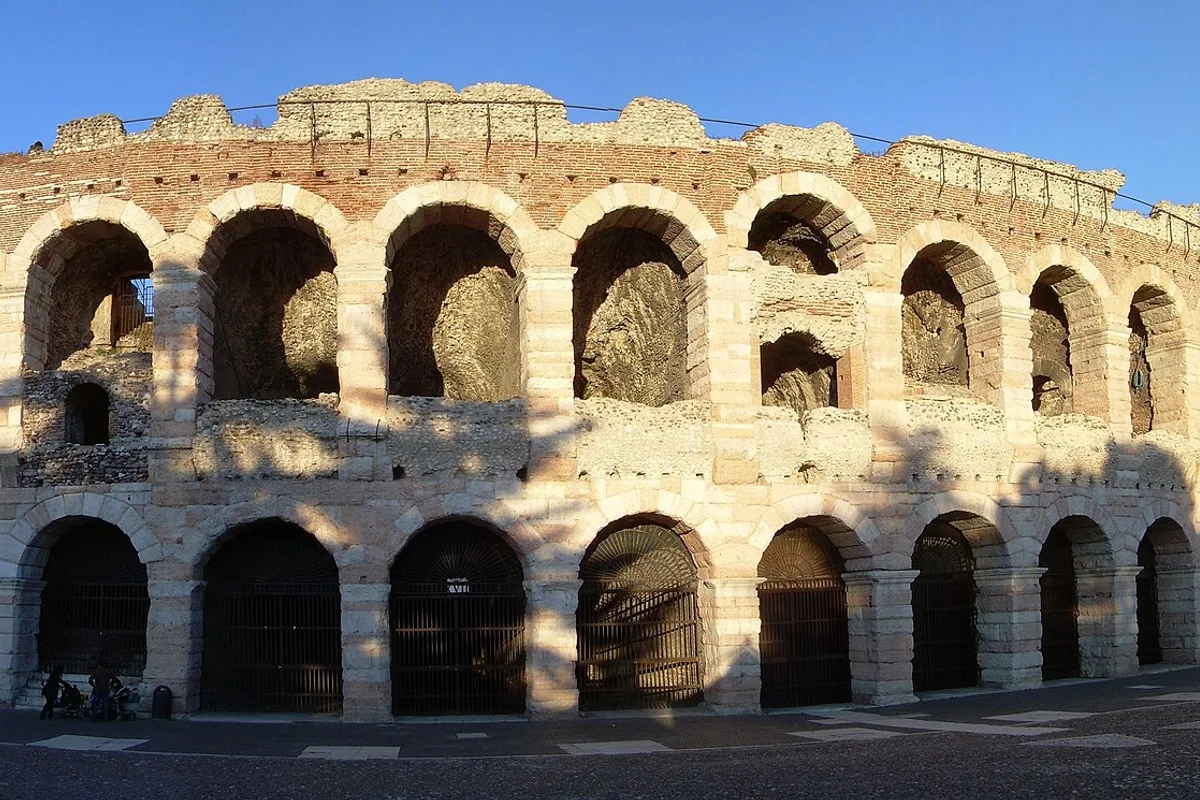
Pisa lights the Luminara di San Ranieri on 16 June, the eve of the city's patron saint day, outlining the buildings along the Arno with tens of thousands of candles. Spoleto's Festival dei Due Mondi runs about seventeen days from late June, and the open-air seasons begin: the Arena di Verona opera festival opens in June and runs into early September, with ticketing that rewards planning.
Cities also start their summer programmes — Estate Romana in Rome, Estate Fiorentina in Florence, and Estate al Castello in Milan all run outdoor events from June into the autumn.
July: The Palio, the Redentore and Open-Air Opera
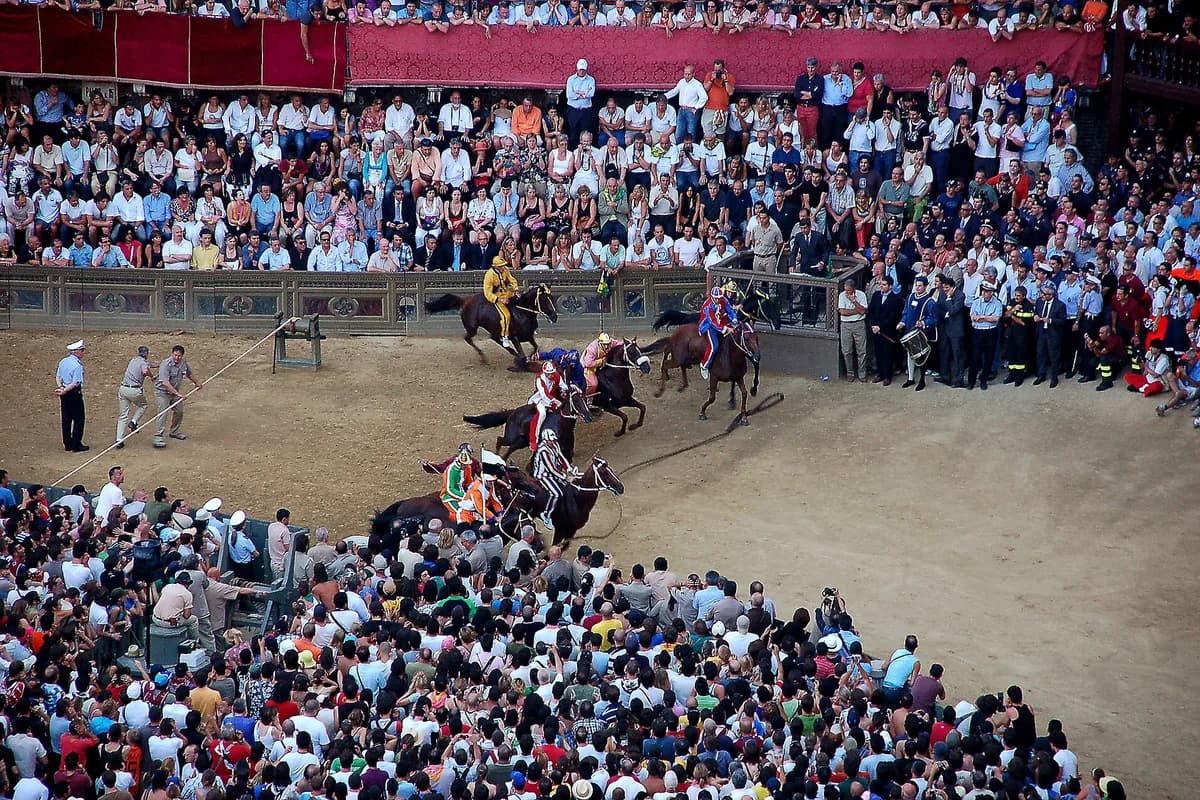
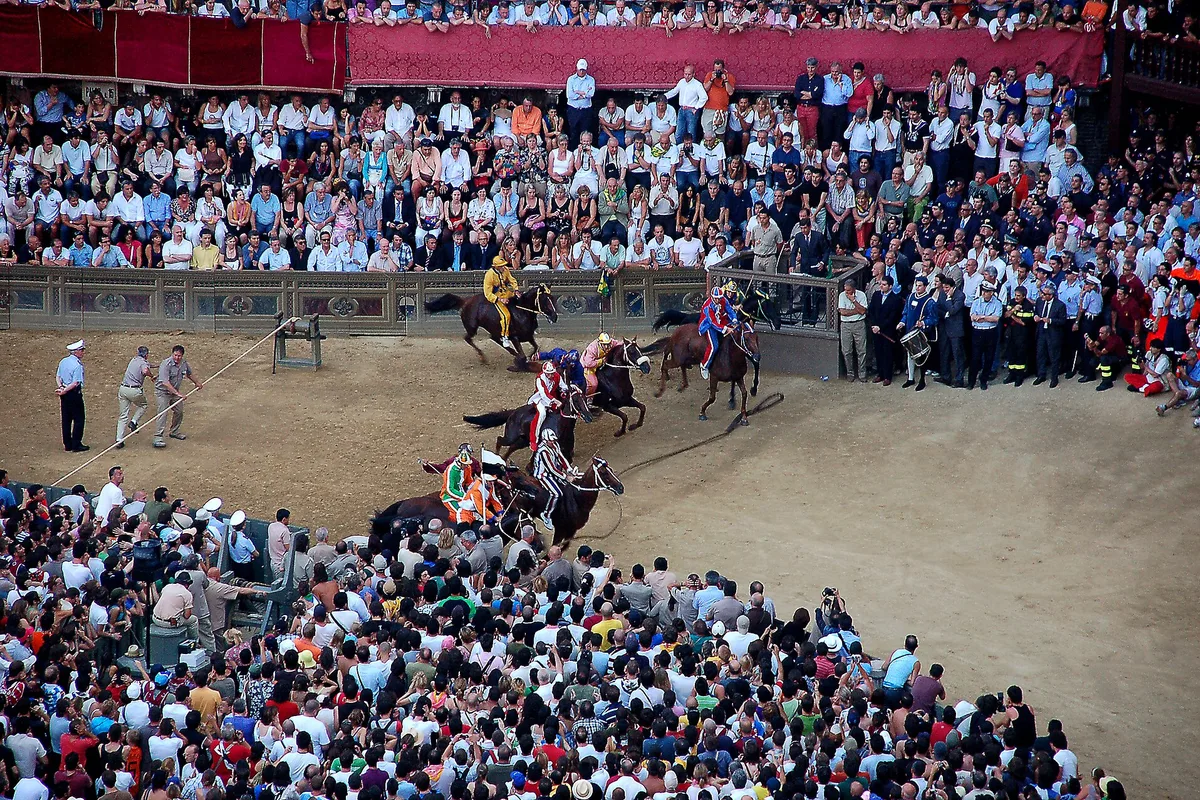
The Palio di Siena is the fixture the summer is built around for many travellers. It runs twice, on 2 July and 16 August, as a bareback horse race around the Piazza del Campo between the city's contrade. The race itself lasts about ninety seconds; the days around it carry trial races, blessings and dinners, and the standing centre of the square is free while seats and balconies are expensive and sold privately — the mechanics are in Palio di Siena tickets.
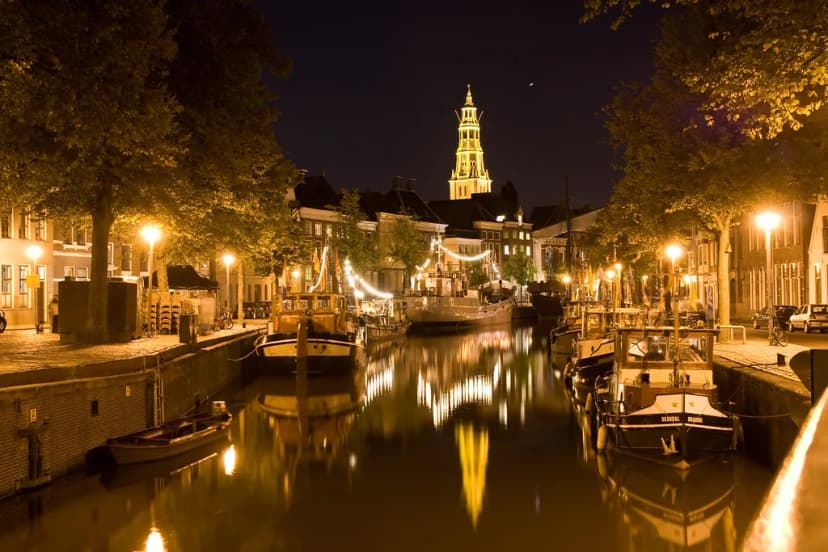
Venice holds the Festa del Redentore on the third Sunday of July, with the fireworks on the Saturday night before and a temporary pontoon bridge across the Giudecca Canal. It is the city's own festival rather than a visitor event, and locals watch from boats.
July is also the peak of the open-air music season: Umbria Jazz in Perugia runs about ten days opening on the second Friday, the Puccini Festival plays at the composer's own lakeside theatre at Torre del Lago through July and August, and the Ravello Festival runs on the Amalfi Coast from roughly July to September. Rome adds Festa de' Noantri in Trastevere for two weeks from the first Saturday after 16 July.
August: Ferragosto and the Great Closure
Ferragosto on 15 August is a national public holiday with roots in the Roman Feriae Augusti, and it functions as the hinge of the Italian year. The holiday itself is one day; the shutdown around it is not. Independent restaurants, workshops, pharmacies and family businesses close for anywhere from a few days to three weeks, and the closures cluster in the cities because that is where the owners live.
This is the single most common August mistake: booking a city trip on the assumption that a restaurant found online in June will be open in mid-August. Many are not, and the ones that stay open are those geared to tourists. Check individually, and expect a chiuso per ferie sign on the rest.
What does run in August is substantial. The Palio's second race on 16 August — the Palio dell'Assunta — falls the day after Ferragosto. The Rossini Opera Festival in Pesaro runs roughly ten to fourteen days. La Notte della Taranta builds across Salento through the month to a vast free Concertone in Melpignano in late August. And the Venice Film Festival opens on the Lido in late August, running about eleven days into September.
Why Go to Italy in August Anyway?
The closures are real and worth taking seriously, not talked around. But they are not the whole picture: daylight runs long, and the festival calendar keeps moving through the same closed fortnight — the Palio dell'Assunta, the Rossini Opera Festival, the Notte della Taranta's Concertone and the Venice Film Festival's opening are all August fixtures. The businesses that do stay open are disproportionately the ones already set up for visitors, which is its own kind of upside on a first trip.
Two other trade-offs favour August specifically. National clothing and homeware sales, the saldi estivi, typically run from late July into August, so shopping streets that are full price in June are discounted through the same weeks the restaurants are shut. And with residents away, the neighbourhoods around the major sights genuinely quiet down — shorter queues at ticketed entrances and easier tables at the restaurants that remain open, even while the headline attractions stay as busy as any other month.
The honest framing is a trade, not a myth to bust: fewer everyday options in exchange for thinner local crowds around the things that were the point of the trip. That trade suits a city-and-festival itinerary better than a food-and-neighbourhood one — decide which trip this is before booking August dates.
The Heat, and How to Actually Plan Around It
Italian summer heat is not evenly distributed. The Po valley — Milan, Bologna, Verona — gets hot and humid with poor air circulation. Rome and the interior of Tuscany and Umbria get very hot and dry. The south and the islands are hottest in absolute terms but often benefit from coastal wind. In numbers, the Ligurian coast sits around a comfortable 25°C (77°F) in June, most regions push toward 30°C (86°F) on an August afternoon, and Sicily can already be near 29°C (84°F) in June, well before the season peaks. The mountains, Alto Adige and the Dolomites, stay genuinely comfortable and are the standard Italian answer to August.
The structural fix is to invert the day. Italians do: sightseeing and markets in the morning, a long pause through the worst hours, then everything reopens in the late afternoon and the evening runs late. Trying to sightsee straight through 13:00 to 16:00 in Rome in August is how people end up ill, and it is also when most churches close for a midday break.
Practical notes that matter more in summer than any other season: carry water and refill at public fountains, which are free and safe in most cities; book major sites with timed entry rather than queuing; and treat any outdoor festival as an evening event, because that is when it will actually happen.
Booking Windows, Hours and Getting Around in the Heat
Summer in Italy runs on advance booking. Major sites release timed-entry tickets on a rolling window measured in weeks rather than months, and popular slots go within hours of release, so check the official booking calendar before the trip rather than counting on walk-up entry. High-speed train fares rise the closer the booking gets to departure, so lock in intercity routes early instead of waiting for travel week. The same logic applies to restaurants: a table at an in-demand address needs weeks of notice, while an ordinary neighbourhood trattoria is usually fine booked a week or two out.
Opening hours shift with the heat, not just around Ferragosto. Beyond the midday church closures already mentioned, some major museums extend into the evening on selected days through summer — the Uffizi and the Vatican Museums both do this — which turns the worst hours of the afternoon into a natural window for an indoor, air-conditioned stop rather than a sightseeing gap. Public transport also runs hot and crowded around midday in the cities; shifting a metro or bus trip to morning or evening is a small change that makes a real difference in July and August.
Where a trip is centred on a big city, staying slightly outside the historic core can help. In Rome, for instance, neighbourhoods like Monti, Testaccio and Pigneto stay well connected by transit while running calmer and less tourist-dense than the centro storico, especially in the weeks around Ferragosto when residents are away.
Where Italians Go to Escape the Italian Summer
The most useful summer planning move is to copy what the country does itself, which is to gain either altitude or coastline.
The Dolomites and Alto Adige are the standard answer. At altitude the temperature drops to genuinely comfortable, the hiking season is at its peak from June to September, and the region's valleys stay green when Tuscany has burned brown. It is also the one part of Italy where a summer trip needs a warm layer for the evening.
The lakes — Garda, Como, Maggiore — sit between the two, cooler than the Po valley but easily reachable from Milan and Verona, which makes them a common pairing with the Arena di Verona season.
The coasts divide by how much company you want. The famous stretches — Amalfi, Cinque Terre, Sardinia's Costa Smeralda — are at capacity in August and expensive with it. Puglia, Calabria, Sicily's less-visited coasts and the Adriatic south of Rimini absorb the same season with more room, and are where the Notte della Taranta circuit runs through Salento.
Rome, Florence, Venice and Sicily in Summer
Rome runs hottest in the afternoon and quietest in its residential edges once residents leave for the coast in August, but its major sights stay as busy as ever — the crowd simply shifts from locals to visitors. Florence adds the concentrated heat of a river valley to the same pattern, with Calcio Storico and the San Giovanni fireworks giving late June a reason to be there despite it.
Venice has no traffic to escape and the lagoon setting keeps humidity part of the deal; the Redentore weekend and the late-August opening of the Film Festival are the two moments the city is at its fullest, and both are worth booking around rather than into.
Sicily runs hottest of all in absolute terms, though coastal towns catch a sea breeze the interior doesn't get — the gap between a walk along a Taormina seafront and an afternoon inland near Etna can be significant. Taormina itself hosts Italy's longest-running film festival, screening in its ancient Greek theatre in June, pairing a cultural reason to visit with the cooler end of the Sicilian summer.
Liguria offers a quieter trade: the Cinque Terre and the wider Ligurian Riviera stay several degrees cooler than inland Tuscany, and Portofino's open-air summer opera in July gives the coast its own festival moment alongside the beach clubs.
Eating Through an Italian Summer
Summer food in Italy is built around not cooking much. Tomatoes are at their peak from July, and the dishes that define the season are largely raw or barely cooked — caprese, panzanella in Tuscany, pasta alla Norma in Sicily as aubergines come in, and seafood along the whole coast.
The institution worth planning around is the sagra: thousands of small town festivals, each dedicated to one product, organised by local committees and priced for locals rather than visitors. They run on weekends from roughly August into October, they are almost always outdoors and after dark, and they are the most reliable way to eat well cheaply in high season. The system is explained in food festivals and sagre in Italy.
Two habits make the heat manageable. Italians eat late in summer — 21:00 is normal and restaurants that open at 19:00 are catering to tourists. And gelato is an afternoon institution rather than a dessert, which is a more sensible response to a Roman August than it first appears.
Costs, Crowds and Booking Windows
Is Italy expensive in summer? Compared with spring or autumn, yes — high-season pricing applies across the whole three months, and it stacks further around specific pressure points rather than rising evenly.
| Window | Cost | Why |
|---|---|---|
| Early June | Moderate-high | Full calendar, pre-peak pricing |
| Around 2 July | High in Siena | Palio di Provenzano; the city sells out |
| Mid-July | High | Peak international season |
| 10–20 August | Highest on the coast | Ferragosto; domestic holidays peak |
| Around 16 August | High in Siena | Palio dell'Assunta, the day after Ferragosto |
| Late August | High in Venice | Film festival opens on the Lido |
Siena during either Palio and Venice during the film festival are the two hardest bookings of the Italian summer; both want months of notice. Arena di Verona tickets follow a different logic — the season is long, so mid-week performances outside the marquee titles stay available and much cheaper.
The full year is mapped on the Italy festival calendar, how spring runs in Italy covers the season before, and the autumn guide the one after — which is, for many trips, the better version of summer.
Frequently Asked Questions
Is summer a good time to visit Italy?
June and early July are excellent — the full festival calendar is running, days are long, and conditions are hot but manageable. Mid-August is much harder: extreme heat, peak crowds on the coast, and widespread closures of independent businesses around Ferragosto on 15 August. If the choice is open, June is the strongest month of the season.
What is Ferragosto and how does it affect travel?
Ferragosto on 15 August is a national public holiday with Roman origins, and it marks the peak of the Italian holiday season. The holiday is one day but the shutdown around it is not — independent restaurants, shops and workshops close for several days to three weeks, particularly in the cities. Coastal destinations are correspondingly overwhelmed. Verify individual openings rather than assuming.
When is the Palio di Siena?
Twice each summer on fixed dates: 2 July (the Palio di Provenzano) and 16 August (the Palio dell'Assunta). The race lasts roughly ninety seconds, but trial races, blessings and contrada dinners fill the days around it. Standing in the centre of the Piazza del Campo is free; seats and balcony places are sold privately and are expensive.
How hot does Italy get in summer?
Hot enough to require planning. The Po valley around Milan and Bologna is hot and humid, Rome and inland Tuscany and Umbria are very hot and dry, and the south is hottest though often helped by coastal wind. The reliable escape is altitude — Alto Adige and the Dolomites stay comfortable. Invert the day as Italians do: mornings and evenings outdoors, a pause through the worst afternoon hours.
Is Italy empty in August?
The cities empty of residents while filling with visitors, and the coast and islands fill with both. So a city in mid-August can feel simultaneously quiet in its residential neighbourhoods and overwhelmed at its major sites, with many local businesses shut. The beaches are the opposite of empty — that is where the country has gone.