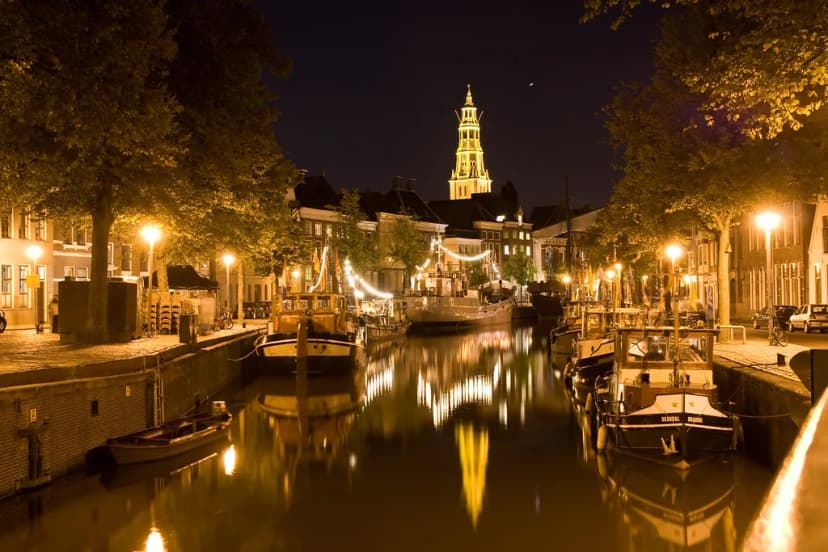
Last updated August 2026. La notte della taranta is Salento's traveling celebration of pizzica music, and it closes each August with a free open-air Concertone in Melpignano. Festival Itinerante stops span more than twenty towns across Grecìa Salentina before the Orchestra Popolare and a guest maestro concertatore take that final stage.
What Is La Notte della Taranta?
Notte della taranta names both a summer-long touring festival and its closing concert. Salento communities in Puglia's Lecce province built the event around pizzica, a fast, hypnotic folk dance rooted in the region's tarantismo ritual. Tradition held that a spider's bite, the taranta, sent victims into physical and emotional crisis, and musicians would play increasingly frantic pizzica rhythms until the person danced free of the affliction. Anthropologists now read tarantismo as a community response to distress rather than an actual venom, but the choreography it produced survived. The foundation's own site organizes that history into three lenses: the music, the dance, and the anthropology behind both. Fondazione La Notte della Taranta has run the festival since 1998. Its own materials describe it as one of Europe's largest folk-music events, built to research and promote Salento's musical heritage. A national survey by Confcommercio and SWG placed the festival third among Italian cultural events for public appeal, behind only the Venice Film Festival and the Venice Biennale, according to the foundation's own site. That ranking marks a long way from the festival's origins as a research project into a nearly forgotten regional rite.
The Festival Itinerante: Salento's Traveling Stage
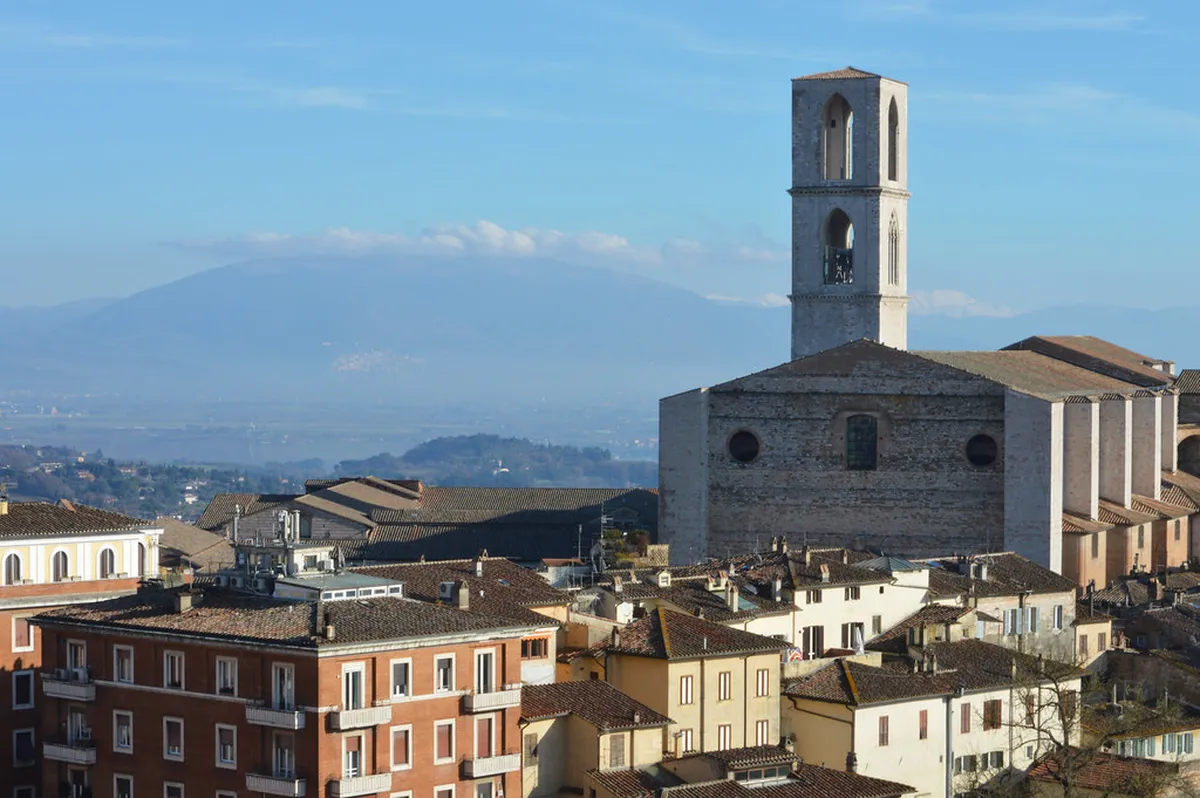
Before the Concertone, the Festival Itinerante carries pizzica across more than twenty stops in and around Grecìa Salentina, from Lecce to Galatina. Each stop is a free village concert, staged in a square, a courtyard, or a castle, built around the Orchestra Popolare plus rotating guest musicians. First-time visitors often assume la notte della taranta is one single night in Melpignano, but the name covers the entire touring festival, and the Concertone is only its finale. That distinction matters for trip planning: a single-night visit only catches one stop, not the full touring program. Organizers describe this year's route as twenty tappe, or stops, stretching from Grecìa Salentina to the sea. Itinerary dates run from spring announcements through the August finale, so check the foundation's site for exact stops near each town.
- Corigliano d'Otranto: Castello De' Monti hosts one of the confirmed Festival Itinerante stops.
- Zollino: the Villa Comunale is another named venue on this year's route.
- Lecce and Galatina: two of the larger city stops that bookend the touring schedule.
The Concertone in Melpignano: What to Expect
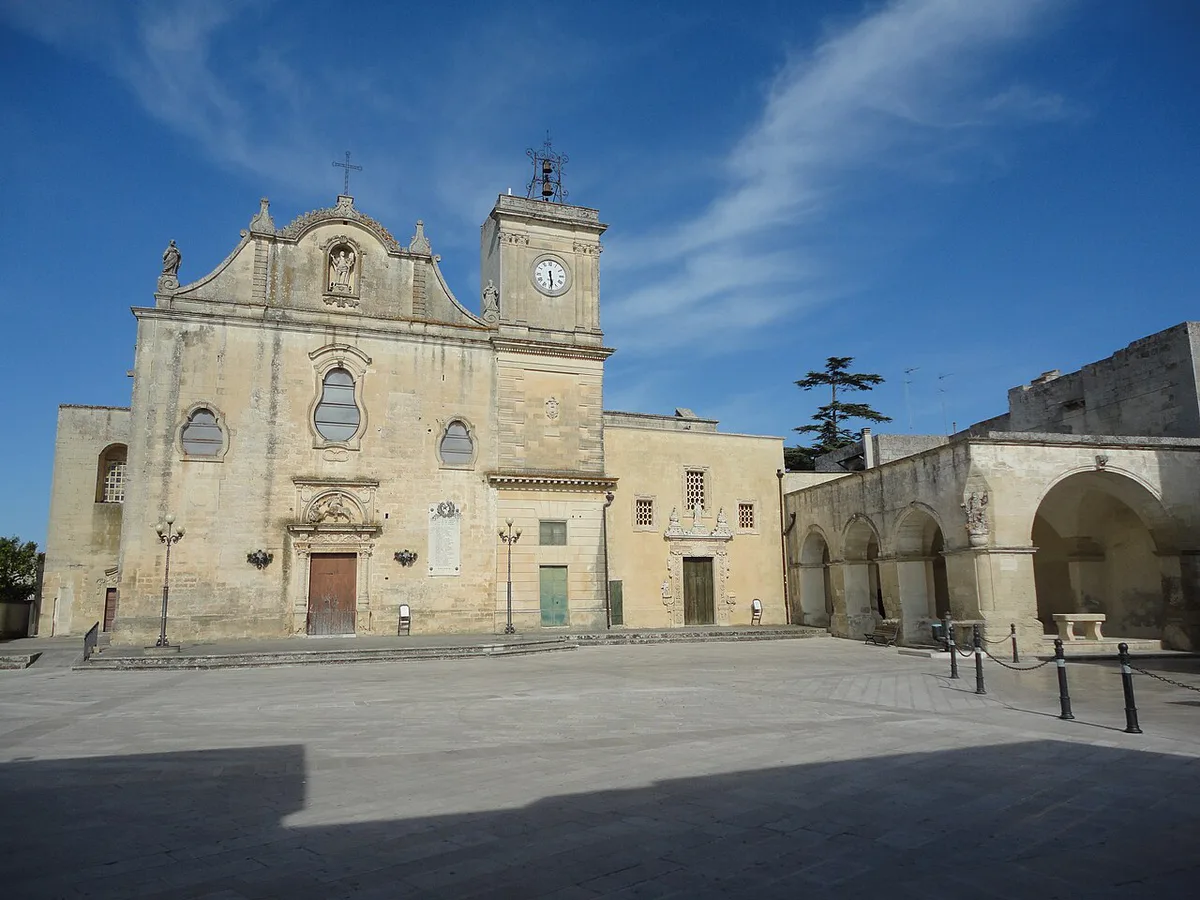
The Concertone is confirmed by the festival's official site for Saturday 22 August this year, marking the 29th edition of the finale. Entry is free and open-air, with no ticket required to stand in Melpignano's main square. This year's maestro concertatore is singer-songwriter Ermal Meta, who arranges the traditional repertoire for the Orchestra Popolare and the night's guest artists. Choreographer Fredy Franzutti leads the Corpo di Ballo, the professional dance company that anchors the stage show. His choreography draws on Salento's so-called terra del rimorso, the land of remorse tied to tarantismo folklore, reworking those visual traditions for a contemporary audience. Commonly cited figures put the final concert at an average of around 120,000 spectators each year. Festival branding nods to pizzica's driving tempo, often described as roughly 90 battiti, or beats, per minute. Guest lineups rotate every year, but the Orchestra Popolare's core musicians return as the constant thread across editions. Expect an early-evening warm-up act, then a main set that historically runs past midnight toward dawn.
Saturday 22 August at this free concert in peak summer heat means planning for six-plus hours in tight crowds, so bring water, wear pavement shoes, and layer light clothing for the midday-to-dawn temperature swing.
Getting to Melpignano and Where to Stay
Melpignano is a small town, and the Concertone crowd is commonly put at around 120,000 people, far more than its narrow roads were built to handle. Driving in means competing for scarce parking and walking some distance into town, so most visitors rely on transit instead. Ferrovie del Sud Est, Salento's regional rail operator, has historically run a dedicated Treno della Taranta service and coordinated shuttle buses into Melpignano on Concertone night. Confirm the current-year timetable directly with FSE before you travel, since festival transport schedules shift from year to year. Local sagra stalls along the smaller Festival Itinerante stops sell food and craft goods away from the Concertone crowds, making those dates a calmer version of the same street atmosphere. Accommodation in Salento tends to book faster and sell out earlier than in a large university city, so lock in lodging well before August. Where you sleep depends on your priorities. Salento's festival format differs sharply from other Italian summer events worth comparing on a longer Italy trip. Umbria Jazz in Perugia runs as a ticketed, venue-based city festival with none of Melpignano's open-field logistics. Cliffside luxury replaces village crowds at the Ravello Festival on the Amalfi Coast. Both comparison festivals suit travelers building a longer circuit through Italy's summer festival calendar, but neither replicates Salento's free, village-hopping format.
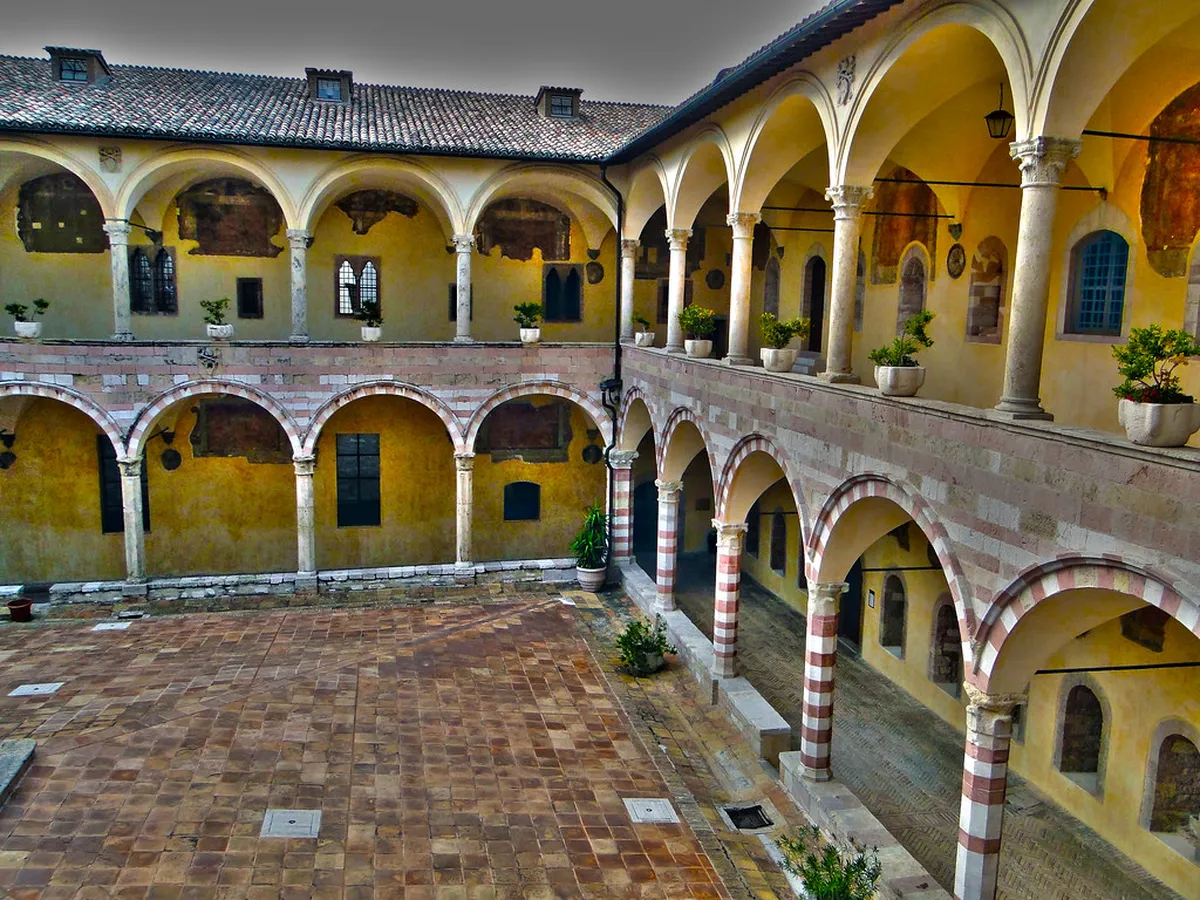
- Lecce: the region's transport hub, with the widest range of hotels and the easiest onward travel.
- Melpignano and nearby Maglie: closest to the stage, but rooms book out months ahead of the Concertone.
- Otranto and the coast: a base for combining the festival with beach time on the Adriatic.
Pizzica Workshops and the Corpo di Ballo
Past editions of the foundation's introductory pizzica pizzica course have run in mid-July at the Convento degli Agostiniani in Melpignano, with 90-minute sessions open to complete beginners and no experience required. Those July dates for this year have already passed, so check the foundation's site for the next scheduled course. Orchestra Popolare musicians anchor the festival's sound, keeping tamburello frame-drum rhythms and the traditional repertoire alive across every stop. Tamburello frame drums drive most of that repertoire, played in tight rhythmic cycles that dancers follow rather than lead. Corpo di Ballo auditions open periodically to dancers under 35, a sign of how the foundation keeps renewing the company rather than relying on a fixed cast. That renewal matters because the company performs the same repertoire dozens of times each summer across the touring stops. Choreographer Fredy Franzutti leads that company at the Concertone, reworking Salento's dance history for a stage audience rather than a healing ritual.
The Universo Femminile and the Mediterraneo Connection
Fondazione materials tie the tarantismo rite directly to Salento's universo femminile, since most documented tarantate, the women said to be bitten, were female. A recent artistic call for proposals asked applicants to explore that link between tarantismo and women's experience directly, treating it as an open research question rather than settled history. This year's Festival Itinerante travels under the banner Le vie del Mediterraneo, framing pizzica alongside music from across the Mediterranean basin. Confirmed guest artists across the touring dates and the Concertone include Alessandra Amoroso, Maria Mazzotta, Gisela João, Levante, and Welo, according to the foundation's official lineup. Singer Maria Mazzotta and performer Levante both return to the Concertone stage this year as repeat guests of the festival. Ludovico Einaudi directed the festival in 2010 and 2011, then released the album Taranta Project in 2015, blending pizzica with North African and Turkish folk fusions, according to a Guardian review. The project toured internationally after its release, extending the Mediterranean fusion sound the Concertone still leans on today.
Quick Reference: Costs, Timing, and Logistics
Use this snapshot to plan the trip before diving into logistics. None of the core festival experiences carry a ticket price, but timing and transport choices shape how smooth the night feels. Confirm every time-sensitive detail against the official sources named throughout this guide before you travel.
| Detail | What to Know |
|---|---|
| Concertone date | Saturday 22 August this year, confirmed by the festival's official site |
| Entry cost | Free, open-air, no ticket for general admission |
| Festival Itinerante window | Weeks of touring stops leading into the late-August finale |
| Main transport | Ferrovie del Sud Est's Treno della Taranta plus shuttle buses; confirm the current timetable with FSE |
| Recommended arrival | Afternoon, to claim space before the square fills |
| Recovery beaches | Torre dell'Orso and Otranto, the closest coastal towns |
First-Timer Tips: Avoiding the Late-Start Trap
Arriving in Melpignano after 9 PM and expecting a spot near the stage is the most common mistake first-timers make. Melpignano's square fills hours before the headline set, so plan an afternoon arrival if you want to dance close to the Orchestra Popolare. Salento runs hot in August, and you will likely be standing or dancing for six or more hours, so bring water and wear shoes built for pavement, not sandals. Layer light clothing for the temperature swing between a hot afternoon and a cooler predawn walk back to transit. Pizzica crowds move in tight, bouncing circles similar to a mosh pit, so keep small children and anyone uncomfortable in dense crowds toward the square's edges. Cell service typically struggles under that many phones in one small town, so agree on a physical meeting point with your group before the music starts. Bring a portable charger, too, since a phone that dies at 11 PM cannot help you find your group again. Plan the exit before the night starts, too: shuttle buses and trains run through the early morning, but the crush leaving Melpignano at dawn can rival the crowds arriving. Recover the next day at the coast, since Torre dell'Orso and Otranto are the closest beach towns for sleeping off an all-night Concertone.

For trip-planning details, see La Notte della Taranta official source and Viaggiare in Puglia regional board.
Continue planning with the Sanremo Music Festival.
Frequently Asked Questions
When is the Notte della Taranta Concertone?
The festival's official site confirms Saturday 22 August for this year's Concertone finale in Melpignano, the 29th edition of the event. Festival Itinerante stops precede it by weeks, so late August is only the closing date, not the whole festival.
Is the Notte della Taranta free to attend?
Yes. Both the village stops on the Festival Itinerante and the Concertone in Melpignano are open-air and free to enter, with no ticket required for general admission. Budget for food, transport, and lodging instead. Sagra-style stalls sell local snacks such as pasticciotto and rustico pastries at typical street-food prices, well below what a ticketed indoor city festival would charge for food and drink. Villages along the Festival Itinerante route run similar free-entry sagra stalls throughout the touring weeks, not only on Concertone night.
What is tarantismo, and how does it relate to the pizzica dance?
Tarantismo is a historical Salento rite in which a spider's bite, the taranta, was believed to trigger physical and emotional crisis. Musicians and dancers used increasingly fast pizzica rhythms to help the afflicted person, historically most often a woman, dance through the episode. The modern festival grew out of research into that ritual, turning its music into a public celebration rather than a private cure. Fondazione La Notte della Taranta's programming still credits anthropologists alongside musicians, reflecting those academic roots.
How do you get to Melpignano for the Concertone?
Driving into Melpignano means competing for limited parking in a small town built for a fraction of the Concertone crowd. Ferrovie del Sud Est has historically coordinated a dedicated Treno della Taranta rail service and shuttle buses on Concertone night, so check FSE's site for the current-year timetable before you travel.
Where should you stay for the festival?
Lecce offers the widest choice of hotels and the best onward transport links, making it a practical home base. Melpignano and nearby Maglie sit closest to the stage but book out months in advance. Otranto and the coast suit travelers who want to add beach time before or after the Concertone.
What is the Festival Itinerante, and how is it different from the Concertone?
Festival Itinerante is the touring portion of la notte della taranta, staged across more than twenty village stops in and around Grecìa Salentina. The Concertone is only the finale: one large, free concert in Melpignano that closes the touring season. Visitors who want an intimate, traditional pizzica night often prefer the smaller village stops over the Concertone's crowds.