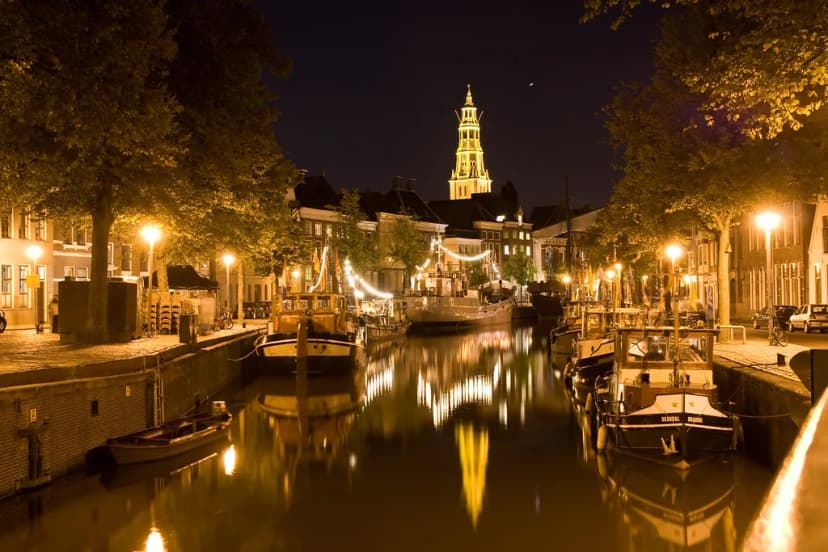
Last updated August 2026, this guide turns Umbria Jazz from a lineup poster into an actual trip plan, including the free street stages most previews skip. Perugia hosts the ten-day summer edition every July, while Orvieto holds an intimate winter edition around New Year's. Umbria's other summer festival, the Festival dei Due Mondi in Spoleto, overlaps it in a hill town an hour south. Both the 2027 summer dates and the 2026-27 winter dates are already confirmed by the organiser's official site, so booking decisions can start now.
8 Things to Know Before Umbria Jazz
Here are the eight things worth knowing before locking in dates for Umbria Jazz, covering both editions, the venues, and the free program most previews leave out.
- It's Two Separate Festivals: Perugia in Summer, Orvieto in Winter
- Every summer, Perugia hosts the main event for about ten days in July, opening on the second Friday of the month under the festival's fixed recurrence rule.
- Orvieto hosts a winter edition around New Year's, confirmed by the organiser for 30 December 2026 to 3 January 2027, with a soul, gospel, and funk-heavy program.
- The winter edition grew out of an original plan to spread the festival across the wider Umbria region, not just Perugia.
- The Main Stages Have Distinct Personalities
- Arena Santa Giuliana hosts the big-name headline concerts, and it's where most of the festival's largest crowds gather each night.
- Teatro Morlacchi runs a more traditional, purist jazz program inside a historic theater setting, away from the arena's scale.
- Sala Podiani sits inside the Galleria Nazionale dell'Umbria, pairing intimate sets with the museum's permanent collection as a backdrop.
- A Free Layer Runs Alongside the Ticketed Shows
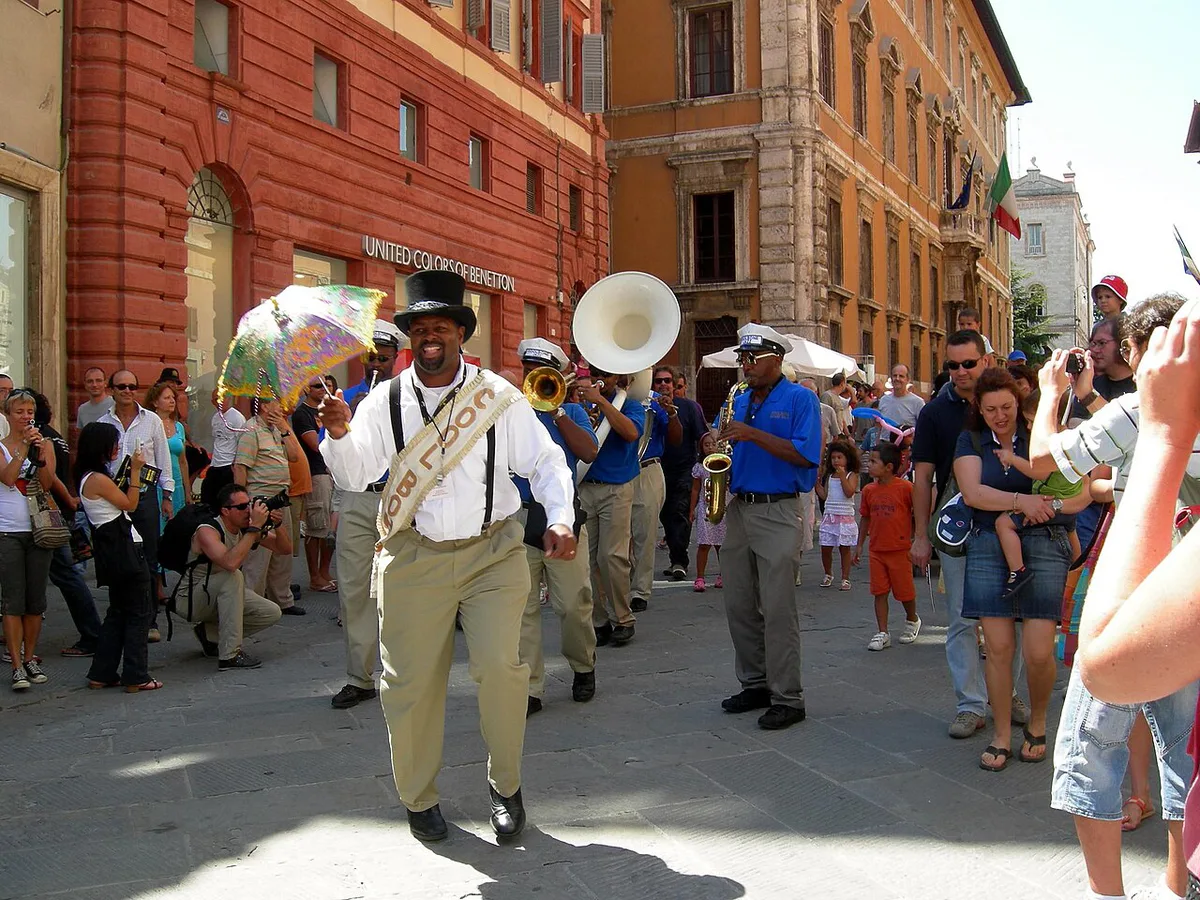
- Corso Vannucci turns into a street parade route with free stages spread through Perugia's center for the length of the festival.
- Catching several free sets back to back can fill an entire evening without buying a single ticket, especially on weekend nights.
- The Conad Jazz Contest, confirmed by the official site to return for the 2027 edition, showcases emerging musicians. It's generally positioned within the festival's free program, though it's worth checking the published schedule for exact venues and set times.
- Berklee Clinics and UJ4KIDS Add an Educational Side
- Berklee College partners with the festival to run clinics for young musicians alongside the main concert schedule, pairing students with working professionals.
- UJ4KIDS runs family-oriented sessions built around music and play during the festival window, aimed at younger kids rather than teens.
- Both programs run as add-ons to the main ticketed schedule, so neither requires buying a full festival pass to take part.
- Perugia's Minimetrò Solves the Hill Problem
- Perugia's centro storico sits on a hilltop, and Arena Santa Giuliana, Teatro Morlacchi, and Sala Podiani aren't clustered together.
- The Minimetrò, Perugia's cable-pulled people mover, links lower-town parking and the train station area to the hilltop center, cutting out the steepest climbs on foot.
- Regional rail (Trenitalia) and local buses (Busitalia) serve the wider area, useful for day-trippers arriving from elsewhere in Umbria for a single show.
- Orvieto's Funicular Gets You Up the Cliff
- Orvieto's centro storico sits on a volcanic plateau well above the town's train station.
- A funicular connects the station at the base of the cliff to the hilltop old town, avoiding the steep switchback road on foot.
- Regional trains reach Orvieto's station from other parts of Umbria, making the funicular the last short leg of a longer day trip.
- Costs Range From Free to €100+ a Seat
- Street parades and many stage performances around Perugia's Corso Vannucci cost nothing to attend.
- Front-row seats for headline acts at Arena Santa Giuliana can run €100 or more, well above general admission or free-stage options.
- Ticket booking windows open through the official umbriajazz.it site. Check there each year for the exact on-sale date, since it shifts season to season.
- Book Accommodation Early or Lose the Centro Storico
- Perugia's centro storico hotel rooms sell out months before the July dates, especially the properties closest to Arena Santa Giuliana.
- Skipping the free schedule to chase only ticketed shows means missing a large share of the festival's street-level atmosphere.
- Summer heat in Perugia and winter cold in Orvieto both call for packing suited to the specific edition, not a generic Italy packing list.
Umbria Jazz's History: From Sun Ra to Lady Gaga
Carlo Pagnetta has directed Umbria Jazz since it began in 1973, and the lineup roster reads like a genre timeline. Sun Ra and his Arkestra played the first edition in 1973, setting an experimental tone the festival has kept ever since. Miles Davis appeared in 1985, a fact worth noting given the festival's 2026 tribute marking one hundred years since his 1926 birth, per the official site's May 2026 news post. B.B. King returned four times between 1982 and 2009, and Lady Gaga headlined in 2015, both on the festival's historic performer roster. Herbie Hancock, Chick Corea, and Wayne Shorter all played multiple editions across the 1990s and 2000s, anchoring the festival's core jazz identity even as pop names joined the bill. Sting, Prince, and Elton John also appear in the festival's performer history, evidence of how far the booking has stretched beyond straight jazz over five decades. Jazzlife, the festival's own documentary series noted on the official site, revisits these decades through footage and interviews, including an episode built around Orvieto's winter edition. That range of names is why calling Umbria Jazz a single-genre event undersells it, despite the word jazz in its title. That artist list, useful as history, offers no help at all with planning an actual trip.
Summer or Winter: Which Umbria Jazz Edition Fits Your Trip
First-time visitors generally get more out of Perugia's summer edition, since the sheer variety of stages and the street-parade energy suit a first exposure. Purists and couples looking for a quieter setting tend to prefer Orvieto's winter edition, where smaller crowds and the gospel-and-soul program create a more intimate atmosphere. Three days is enough to catch a representative mix of ticketed and free shows in either city, based on how both editions structure their schedules. A typical three-day pass might mean one headline concert, one purist set, and an evening left open for the free stages on Corso Vannucci. Anyone with only a weekend should prioritize a single Arena Santa Giuliana show over trying to fit in every venue, since travel between hilltop stages eats into set time. Neither edition is objectively better. The right pick depends on whether the trip is built around energy and variety, or around a quieter, more focused listening experience. For a more scenic, upscale comparison, consider the clifftop Ravello Festival: A Logistics-First Guide to Villa Rufolo's Concerts on the Amalfi Coast. Notte della Taranta: A Practical Guide to Salento's Pizzica Festival trades jazz for folk-rooted, dance-driven energy, a different regional sound entirely. Either comparison works as shorthand. Umbria Jazz sits closer to a citywide takeover than either of those two festivals, especially during the Perugia edition. None of this replaces checking the official site's own day-by-day schedule once it's published, since exact set times shift year to year.
| Traveler Type | Better Fit | Why |
|---|---|---|
| First-timers | Perugia, summer edition | Widest mix of stages plus free street-parade energy |
| Purists and couples | Orvieto, winter edition | Smaller crowds and an intimate gospel-and-soul program |
| Families with kids | Perugia, summer edition | UJ4KIDS sessions run alongside the main schedule |
| Single-day visitors | Orvieto, winter edition | Compact old town fits a full program into one day |
Umbria Jazz Ticket Costs and Booking Windows
Budgeting for Umbria Jazz depends heavily on how much of the free program gets used. The 2026 edition set a new box-office record, according to the festival's July 2026 announcement. More than 46,000 tickets sold, and box office revenue topped €3 million, numbers the official site frames as evidence of how far the festival has grown beyond a niche jazz event. Booking windows open through the official site months ahead of each edition, and the exact on-sale date is worth checking there directly since it moves year to year. Merchandise is listed as coming soon on the official site as of this writing, so plan on cash or card for anything bought in person around the venues instead. The official site also publishes an accessibility policy alongside its travel-info pages, worth checking ahead if mobility around the hilltop venues is a concern. Comparing the free layer against the premium tier is the clearest way to think about an Umbria Jazz budget. Build a schedule around free stages first, then decide how many ticketed nights are worth adding on top. None of these figures require guesswork once the official site publishes each edition's specific lineup and pricing page.
Although 46,000 tickets sold in 2026 with box-office revenue topping €3 million, free Corso Vannucci stages and street parades let visitors build entire evenings without paying a single ticket.
| Tier | Example | Typical Price |
|---|---|---|
| Free | Street parade on Corso Vannucci and most free stages | €0 |
| Free (confirm schedule) | Conad Jazz Contest showcase sets | €0 |
| Standard seating | Ticketed sets at Teatro Morlacchi or Sala Podiani | Priced per show on umbriajazz.it |
| Premium | Front-row headline shows at Arena Santa Giuliana | €100+ |
Where to Stay for Umbria Jazz: Perugia and Orvieto
Staying inside Perugia's centro storico costs more during festival week, but it saves the return trip up the hill after midnight sessions that can run past 1 a.m. The Minimetrò and a short walk cover most of the distance between Arena Santa Giuliana, Teatro Morlacchi, and Sala Podiani for anyone based in the old town. Rooms outside the centro storico usually cost less, though getting back after a late show means relying on the Minimetrò's operating hours or a taxi. Orvieto works differently. The entire old town sits within the same walkable footprint, so the accommodation decision is less about distance and more about availability. Rooms near the Duomo tend to book first for the winter edition, since the gospel concerts and New Year's Eve dinner draw a dedicated repeat audience. The earlier a room gets booked, the better, since Perugia's centro storico rooms reportedly sell out months before the July dates. Traveling with a group makes early booking even more important, since centro storico properties large enough for several people disappear fastest of all. Waiting until the last minute usually means settling for a room well outside walking distance of the venues.
Packing and Timing: Perugia Heat, Orvieto Cold
Perugia's July heat is the Umbria Jazz factor most first-timers underestimate, especially for a full day moving between Corso Vannucci's street stages and an evening set at the open-air Arena Santa Giuliana. Water, sun protection, and comfortable shoes matter more than festival merchandise on the packing list, since most of the day happens outdoors on stone streets and steps. Orvieto's winter edition runs the opposite risk: temperatures drop well below Perugia's July highs, and outdoor listening between sets means layering up rather than dressing for a mild Italian December. The Duomo's stone interior stays cold even during a packed gospel concert, so a coat that works both outdoors and inside is worth the extra bag space. Both hilltop towns mean cobblestones and slopes rather than flat sidewalks, so footwear built for walking matters more than it would in a flatter Italian city. A lightweight day bag works better than a full backpack for moving between stages, since bag checks are common at ticketed venues. Checking the forecast a few days out is more useful than packing for a generic Italian summer or winter, since hilltop weather can shift quickly. Anyone flying in from outside Italy should build in a buffer day before the opening Friday, since jet lag plus a full festival schedule is a rough combination for a first night.
Evening sessions run past 1 a.m., and because Perugia's July heat and Orvieto's winter cold demand opposite packing strategies, treat each edition as a climate-distinct trip.
Beyond the Stages: Food, Wine, and Sights Around Umbria Jazz
Perugia's Galleria Nazionale dell'Umbria houses the Sala Podiani venue itself, so a festival ticket doubles as an excuse to see the museum's permanent collection before or after a set. Corso Vannucci runs through the middle of the medieval center, and during the festival its stone facades sit against modern stage lighting and speaker rigs built for the street parade. Orvieto pairs its concerts with the Pozzo di San Patrizio, a deep well cut into the volcanic rock beneath the town. The Duomo hosts gospel concerts during the winter edition, putting sacred architecture and a soul program in the same room. Umbria's Sagrantino wine and truffle-based dishes are the region's signature pairing for an evening between sets, whichever city the festival has you in. Perugia's other museums and churches sit within easy walking distance of the festival venues, useful for filling the hours before an evening set. Orvieto's compact center makes the same kind of between-set sightseeing even easier, since the Duomo and Pozzo di San Patrizio both sit inside the same walkable old town. None of these stops require festival tickets on their own, so they work as filler for an afternoon between a free stage set and a ticketed evening show. Neither Perugia nor Orvieto needs Umbria Jazz as a reason to visit. The festival still gives both a specific window for pairing a concert with a museum stop, a well, or a glass of Sagrantino between sets.
Plan the Last Journey Back After Late Concerts
Daytime transport is straightforward, but late finishes require a separate plan. Check return options before entering a concert because services may end before the final encore.
- In Perugia, park near the Pian di Massiano Minimetrò terminus and ride to Pincetto for the historic center.
- From Perugia railway station, reach the nearby Fontivegge Minimetrò stop instead of climbing toward the center with luggage.
- For Arena Santa Giuliana, the Rocca Paolina escalators connect the Piazza Partigiani area with Piazza Italia and Corso Vannucci.
- In Orvieto, the funicular runs from the railway station to Piazza Cahen. The Duomo is then roughly a 20-minute walk across the old town.
Do not assume the Minimetrò, escalators, funicular, or local buses will match a late concert schedule. Confirm operating times on the travel day. Save a local taxi number and arrange a pickup point outside pedestrian-only streets.
Visitors staying beyond Perugia’s center should also note the exact entrance used for their return route. Underground escalator passages can be confusing after midnight, especially when some access points are closed.
For trip-planning details, see Umbria Jazz official source and Comune di Perugia tourism.
Continue planning with the Sanremo Music Festival.
Frequently Asked Questions
When is Umbria Jazz 2027?
The organiser has confirmed the next summer edition for 9-18 July 2027 in Perugia, matching the festival's usual pattern of about ten days opening on the second Friday of July.
What is Umbria Jazz Winter, and when does it happen?
Umbria Jazz Winter is the festival's Orvieto edition, confirmed by the organiser for 30 December 2026 through 3 January 2027. The program leans into soul, gospel, and funk rather than the summer edition's broader jazz lineup.
Is Umbria Jazz free to attend?
Parts of it are. Street parades and many stage performances around Perugia's Corso Vannucci cost nothing, while headline concerts at Arena Santa Giuliana are ticketed separately, with front-row seats running €100 or more.
How do you get around Perugia during the festival?
Perugia's Minimetrò people mover connects lower-town parking and the train station area to the hilltop centro storico, where most festival venues sit. Expect to walk between Arena Santa Giuliana, Teatro Morlacchi, and Sala Podiani, since they aren't clustered on one street.
Should first-timers pick Perugia or Orvieto?
Perugia's summer edition suits first-timers best, thanks to its variety of stages and the free street-parade energy running alongside ticketed shows. Orvieto's winter edition fits purists and couples looking for smaller crowds and a more intimate, gospel-and-soul-focused atmosphere.
What is the Conad Jazz Contest?
It's Umbria Jazz's talent showcase for emerging musicians, run in partnership with Conad and confirmed by the official site to return for the 2027 edition. Its sets are generally part of the festival's free program, though checking the published schedule for exact venues and times is worth doing.
Do you need a car for Umbria Jazz?
Not inside either city. Perugia's Minimetrò and walking cover the distance between the main venues, and Orvieto's centro storico is compact enough to cover on foot once the funicular gets you up from the train station. Regional trains and buses from Trenitalia and Busitalia are the more practical option for day trips beyond the festival's home base.
What's the earliest Umbria Jazz artist you should know about?
Sun Ra and his Arkestra opened the first edition in 1973, setting an experimental tone before the festival broadened into mainstream jazz and pop over the following decades.
Can you visit both the summer and winter editions in the same year?
Yes. The summer edition runs in Perugia each July, and the winter edition follows in Orvieto around New Year's, roughly five months apart. Treating them as two separate trips, rather than one combined visit, fits how far apart the dates and cities sit.
What's the best way to catch free performances at Umbria Jazz?
Building a loose schedule around Corso Vannucci's street stages, rather than only around ticketed headline shows, is the most reliable way to catch the free program. Checking the official site's published schedule ahead of time helps confirm exact set times and locations for that year's free stages.
Summer Music Beyond the Arenas
Free piazza stages, a 100,000-strong village concert and a stage over a cliff.