Last updated August 2026. Every summer, the festival dei due mondi spoleto turns a small Umbrian hill town into an open-air stage for opera, dance, drama, and orchestral music for about 17 days. It shares Umbria with Umbria Jazz a month earlier, and the wider summer circuit with Ravello and Pesaro. Gian Carlo Menotti founded the event in 1958 to pair American and European culture, and that idea still shapes venue choices, ticket timing, and where you'll stay in Spoleto.
What Is the Festival dei Due Mondi in Spoleto?
Menotti picked Spoleto for specific reasons, according to the festival's own history. The town has a compact historic center and two Italian-style theaters within walking distance of each other. It also has a rediscovered Roman theater and Piazza del Duomo, a square Menotti treated as a silent open-air stage in its own right. The name's 'Two Worlds' idea reflects Menotti's plan to stage American and European culture side by side. Its original American twin, Spoleto Festival USA in Charleston, South Carolina, began under his direction too. Menotti led the Charleston festival for its first 17 years before the two organizations split in the early 1990s. Spoleto's festival runs annually for about 17 days, traditionally from the last Friday of June through the third Sunday that follows. The 69th edition ran June 26 through July 12, 2026, and closed with the traditional concert in Piazza del Duomo. Official 2027 dates were not published as of this writing, so treat any 70th-edition date as expected, computed from that recurrence rule, until the organiser confirms it.
- Founded: 1958, by composer Gian Carlo Menotti
- Location: Spoleto, Umbria, Italy
- Typical length: about 17 days, late June to mid-July
- Most recently completed edition: the 69th, June 26 – July 12, 2026
- Next edition: expected in the same late-June-to-mid-July window; the organiser had not confirmed exact 2027 dates as of this writing
Spoleto's Festival Venues: From Piazza del Duomo to Teatro Caio Melisso
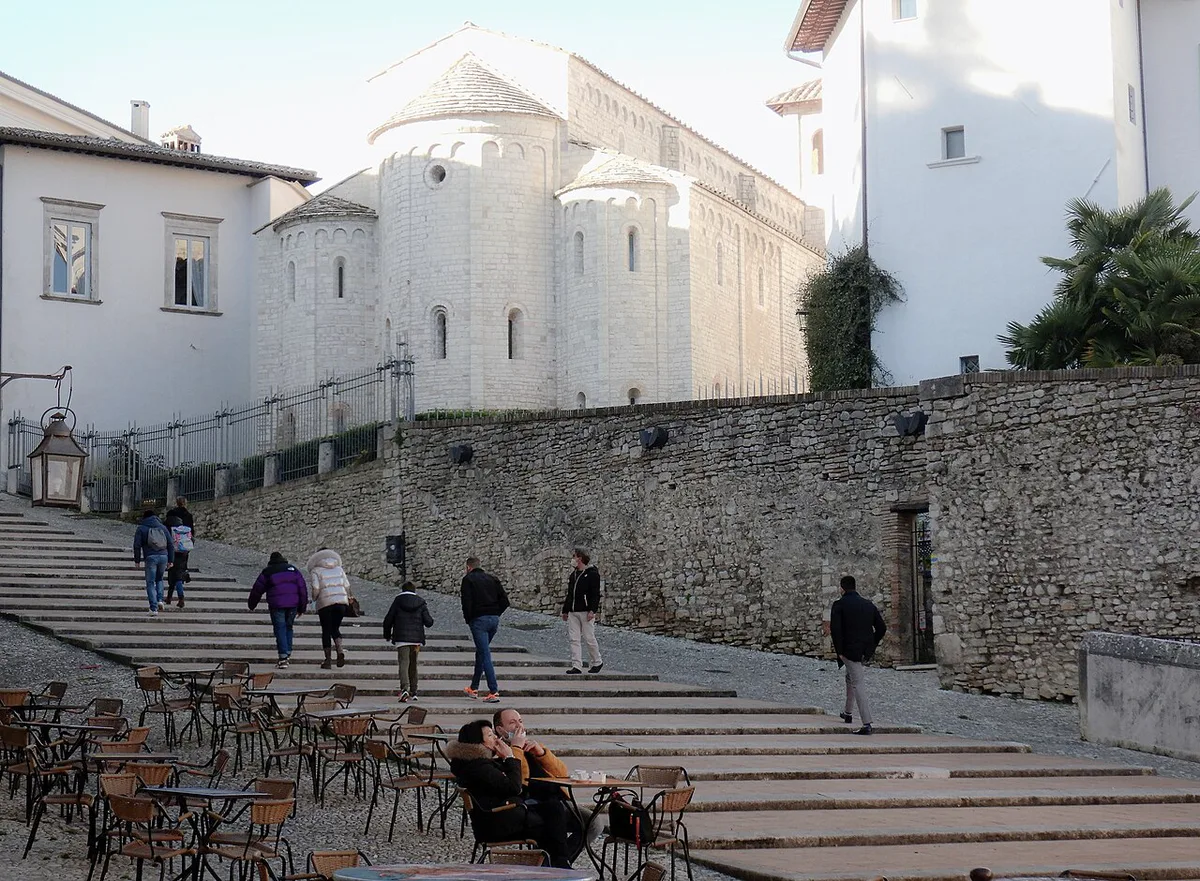
Spoleto's festival treats the whole town as a stage, and each venue carries a different mood. Piazza del Duomo hosts the Maratona di Danza and the festival's gala and closing concerts in front of the town's Romanesque cathedral. Teatro Nuovo Gian Carlo Menotti, named for the founder, is the main indoor stage for opera and large-scale drama. Teatro Caio Melisso, the oldest theater in town, hosts more intimate concerts and spoken-word shows. Teatro Romano, the town's excavated Roman-era theater, serves as the open-air stage for ballet. The table below matches the rest of the venues to what you can expect to see there.
| Venue | What to Expect |
|---|---|
| Piazza del Duomo | Maratona di Danza and the gala/closing concert; the open-air setting Menotti called a silent theater |
| Teatro Nuovo Gian Carlo Menotti | Opera and large-scale drama; the festival's main indoor house |
| Teatro Caio Melisso | Intimate concerts and prosa; the oldest working theater in Spoleto |
| Teatro Romano | Open-air ballet performances in the town's excavated Roman theater |
| Teatrino delle Sei | Avant-garde dance, installations, and experimental performance |
| Complesso di San Nicolò | Talks, concerts, and shows inside a former monastery complex |
| Chiesa di Sant'Eufemia | Late-night sacred music concerts |
| Spoletosfera | Free "off" program: talks, recitals, and art shows with no ticket required |
Programming Highlights: Opera, Dance, and the 69th Edition's Visual Identity
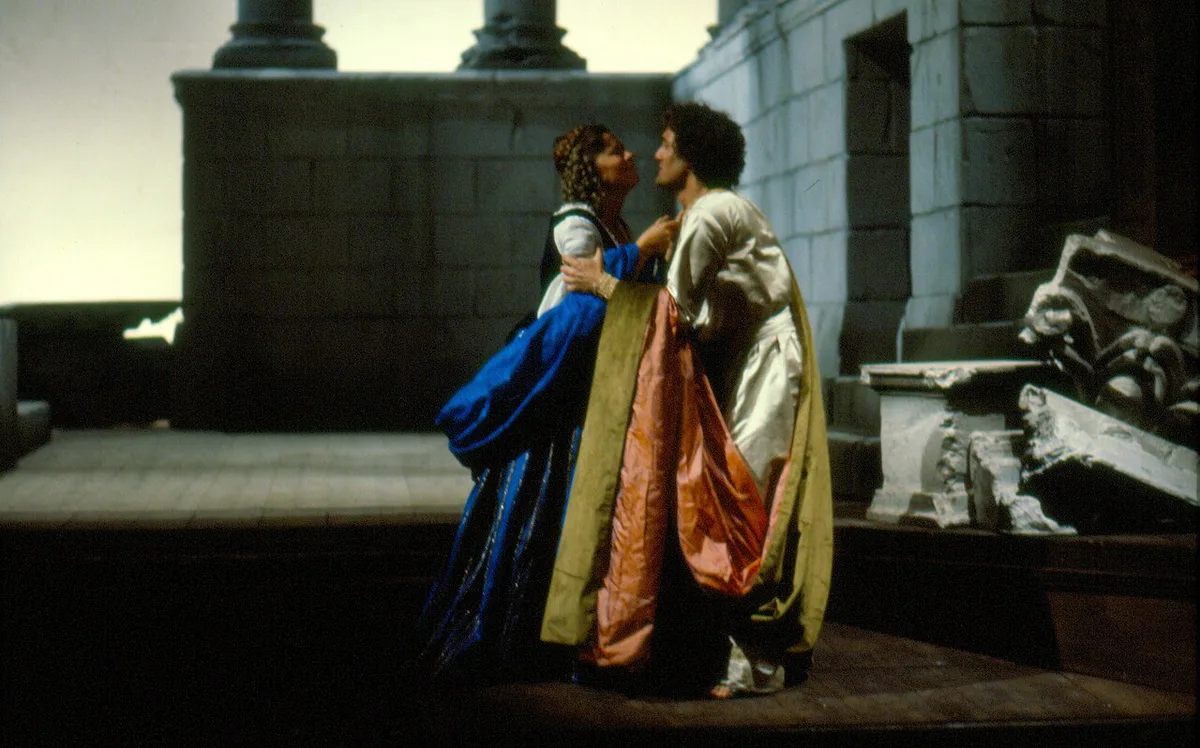
Each edition carries its own theme, and the 69th used 'Radici e ali' ('roots and wings') to frame the program, per the festival's own site. Artist Giuseppe Penone, a founding figure of Italy's Arte Povera movement, contributed 'Le foglie delle radici' ('the leaves of the roots') as the edition's visual identity. Profiled performers for the 69th edition included pianist Beatrice Rana and musician MIKA, among other names featured in the festival's own artist interviews. Across nearly seven decades the festival's guest list has included Luchino Visconti, Rudolf Nureyev, Carla Fracci, Ezra Pound, and Luciano Pavarotti. The festival's program has also included Spoletoscienza since the 1980s, a science-focused strand of talks and roundtables that runs alongside the arts calendar.
Across the festival's nearly seven decades since its 1958 founding, each edition's distinct theme shows how the tradition remains consistent while evolving artistically, as demonstrated by the 69th edition's 'Radici e ali' focus.
Tickets and How to Time Your Trip
Official ticket sales run through festivaldispoleto.com, the festival's own site, and that is the only place to confirm current prices and on-sale dates. Individual tickets make sense if you are targeting one or two headline shows. An abbonamento, or season pass, usually lowers your average cost per show if you plan to attend several performances across the run. Weekend dates draw the biggest crowds and the highest-profile galas, while weekday performances are easier to book and generally quieter. The closing concert in Piazza del Duomo is the hardest ticket of the festival. It typically sells out first, so book it as early as the on-sale calendar allows. Book early, the same way travelers plan around the Infiorata flower festival in Noto, another high-season Italian event where lodging and seats disappear months out. If the priced program is sold out, Spoletosfera's free 'off' shows are a no-cost fallback with talks, recitals, and art exhibits.
- Individual tickets: best for one or two headline shows
- Abbonamento (season pass): lowers average cost per show across multiple performances
- Watch festivaldispoleto.com directly for on-sale dates; marquee shows can sell out during pre-sale
- Spoletosfera's free "off" program: a no-cost option if the priced calendar is booked out
Where to Stay in Spoleto: Upper Town or Lower Town
Spoleto splits into an Upper Town, the walled historic core around the Duomo and most festival venues, and a Lower Town below it. Upper Town hotels put you within walking distance of Teatro Caio Melisso, Piazza del Duomo, and the Roman theater, but rooms book up first and cost more during the festival. Lower Town options are typically more modern, easier to reach by car, and better for parking, though you'll need Spoleto's mechanized walkway system, the Percorso Meccanizzato, to reach the venues above.
| Area | Distance to Venues | Parking | Price During Festival |
|---|---|---|---|
| Upper Town | Walking distance to most venues | Limited, narrow streets | Higher, books up first |
| Lower Town | Requires the Percorso Meccanizzato | Easier, more space | Generally lower |
Getting to Spoleto and Using the Percorso Meccanizzato
Rome is the fastest rail connection, with trains reaching Spoleto in about 1.5 hours. Florence also has direct and connecting rail service to Spoleto, though you should check current Trenitalia or Italo timetables for exact journey times before booking. Once you arrive, Spoleto's Percorso Meccanizzato, a linked system of escalators and travelators, carries you from Lower Town parking and the train station area up through the rock the town is built on. It surfaces near the historic core, close to Teatro Nuovo Gian Carlo Menotti and Piazza del Duomo, so you can skip the steepest climbs entirely. Check the Comune di Spoleto's own parking and walkway maps, at comune.spoleto.pg.it, before you drive in for a festival weekend.
The Menotti Legacy and How the Festival's Leadership Changed
Gian Carlo Menotti ran the festival he founded until his death in 2007. His adopted son, Francis Menotti, served as artistic director from the mid-1990s through 2007, continuing the family's direction of the event. Giorgio Ferrara took over as artistic director in 2007, appointed after Italy's Ministry of Cultural Affairs stepped in to resolve internal management disputes, and led the festival through 2020. Monique Veaute, formerly director of Venice's Palazzo Grassi, was appointed to a five-year term as the festival's director in 2020. Travelers who want the full institutional history can visit the festival's own Centro di Documentazione, its archive of programs and materials dating back to 1958. Menotti also helped found Spoleto Festival USA in Charleston, South Carolina, in 1977, and a third edition in Melbourne, Australia, in 1986. The Melbourne event was renamed the Melbourne International Arts Festival in 1990 and now runs independently of the Spoleto brand. One of the festival's earliest landmark moments came in 1962, when curator Giovanni Carandente organized 'Sculture nella città,' an open-air sculpture exhibition with more than 50 international sculptors. Several works stayed in Spoleto after the show closed, including Alexander Calder's 'Teodelapio,' which still stands outside the town's train station. Luca Ronconi's staging of 'Orlando Furioso' debuted at the restored Chiesa di San Nicolò in 1969 and remains one of the festival's most-cited productions. Spoleto's festival is one entry in Umbria's wider calendar of major cultural traditions, alongside religious observances like Easter traditions in Italy, which draw their own seasonal crowds to the region.
Menotti's 'Two Worlds' concept, founded in 1958, eventually spawned sister festivals in Charleston (1977) and Melbourne (1986), though his direction of the American festival lasted only 17 years before the organizations split in the early 1990s.
Mistakes to Avoid at the Festival dei Due Mondi
A few planning slips catch first-time visitors more than any other issue.
- Skipping sturdy shoes: Spoleto's historic core is steep and cobbled, and festival days mean a lot of walking between venues
- Waiting to book dinner: restaurants near the main venues fill up months ahead of festival weekends
- Assuming tickets will still be available: marquee opera and dance nights often sell out during the pre-sale window, before general tickets open
- Parking in the Upper Town: space is tight during the festival; park in the Lower Town and ride the Percorso Meccanizzato up instead
Which Percorso Meccanizzato Route Should You Use?
Spoleto has three separate mechanized routes, so choose your parking area according to your venue. They do not form one continuous underground network.
- Posterna: Use the large Posterna car park for Teatro Nuovo Gian Carlo Menotti. Escalators and travelators reach exits within the historic center.
- Spoletosfera: This route is convenient for Piazza della Libertà, Teatro Romano, and nearby festival spaces. It avoids much of the uphill walk from Lower Town.
- Ponzianina: Use this route for the Rocca Albornoziana and the upper historic center. From the Rocca area, continue downhill toward Piazza del Duomo.
Piazza del Duomo still requires a short walk over cobbles after leaving the mechanized system. Allow extra time before performances because venue entrances may involve security checks and queues.
Check the Comune di Spoleto parking map before driving, since access arrangements and operating hours can change during major events. Keep your return route in mind, especially after late concerts, when some escalators or lifts may follow reduced schedules.
For trip-planning details, see Festival dei Due Mondi official source and Comune di Spoleto.
Continue planning with Arena di Verona: 6 Best Ways to Experience the Opera Festival and Roman Amphitheatre.
Continue planning with Maggio Musicale Fiorentino.
Frequently Asked Questions
When does the Festival dei Due Mondi take place?
The festival runs annually for about 17 days, traditionally from the last Friday of June through the third Sunday that follows. The 69th edition ran June 26 through July 12, 2026. Expect the 70th edition in the same late-June-to-mid-July window, computed from that recurrence rule, though the organiser had not confirmed exact dates as of this writing.
What does 'Due Mondi,' or 'Two Worlds,' mean?
It refers to founder Gian Carlo Menotti's plan to stage American and European culture side by side. Its original American counterpart was Spoleto Festival USA in Charleston, South Carolina, which Menotti also directed before the two organizations split in the early 1990s.
How should you buy tickets?
Buy directly through festivaldispoleto.com, the festival's official ticketing source. Choose an abbonamento if you're attending several shows across the run, since it typically lowers your per-show cost, or book individual tickets for one or two headline performances. Spoletosfera's free 'off' program is a fallback if the priced calendar is sold out.
Where should you stay for the festival?
Upper Town hotels put you within walking distance of most venues but cost more and book up first. Lower Town options are easier to reach by car and typically cheaper, provided you use the Percorso Meccanizzato to reach venues above.
How do you get around Spoleto during the festival?
Trains from Rome reach Spoleto in about 1.5 hours; check current timetables for connections from Florence. Once in town, the Percorso Meccanizzato's escalators and travelators carry you from Lower Town parking up to the historic core near Piazza del Duomo and Teatro Nuovo.