Last updated August 2026. The Arena di Verona sits on Piazza Bra as a working Roman amphitheatre that turns into one of Europe's largest open-air opera stages each summer. Its annual season runs from June to early September, and the rest of the year splits between daytime sightseeing and the indoor Teatro Filarmonico programme.
Arena di Verona at a Glance
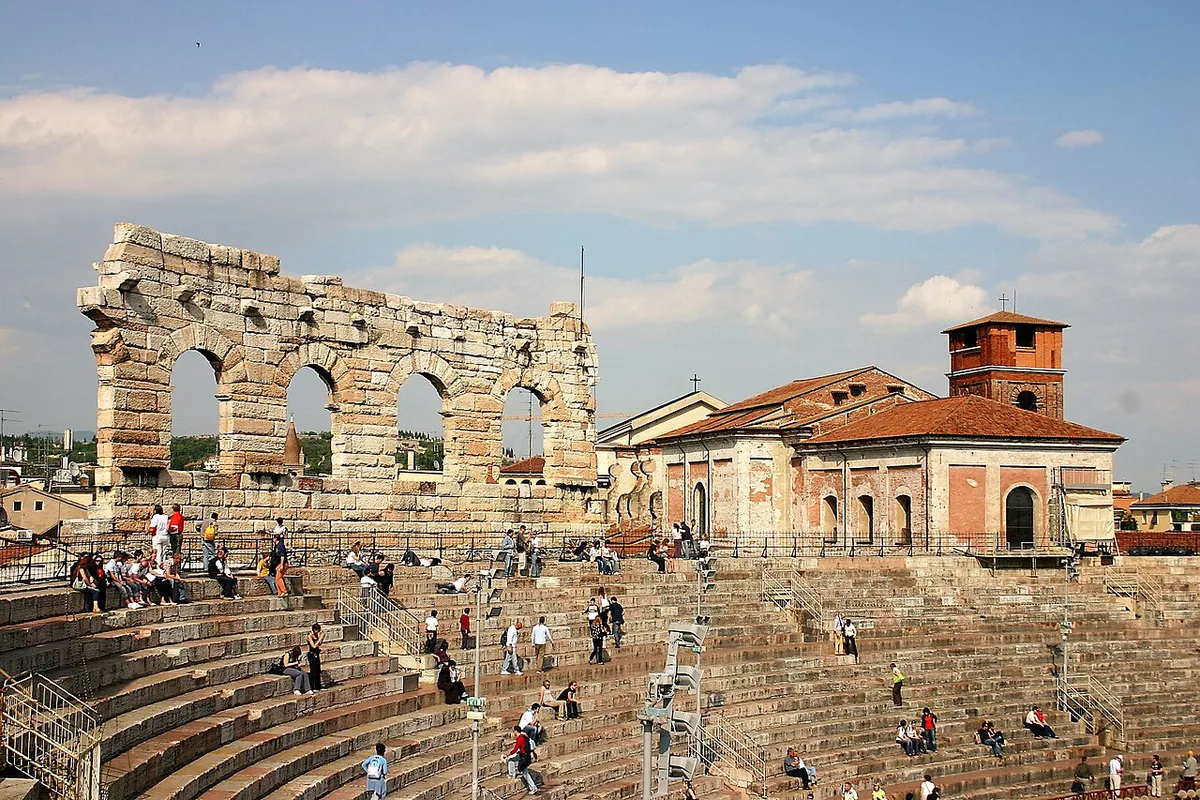
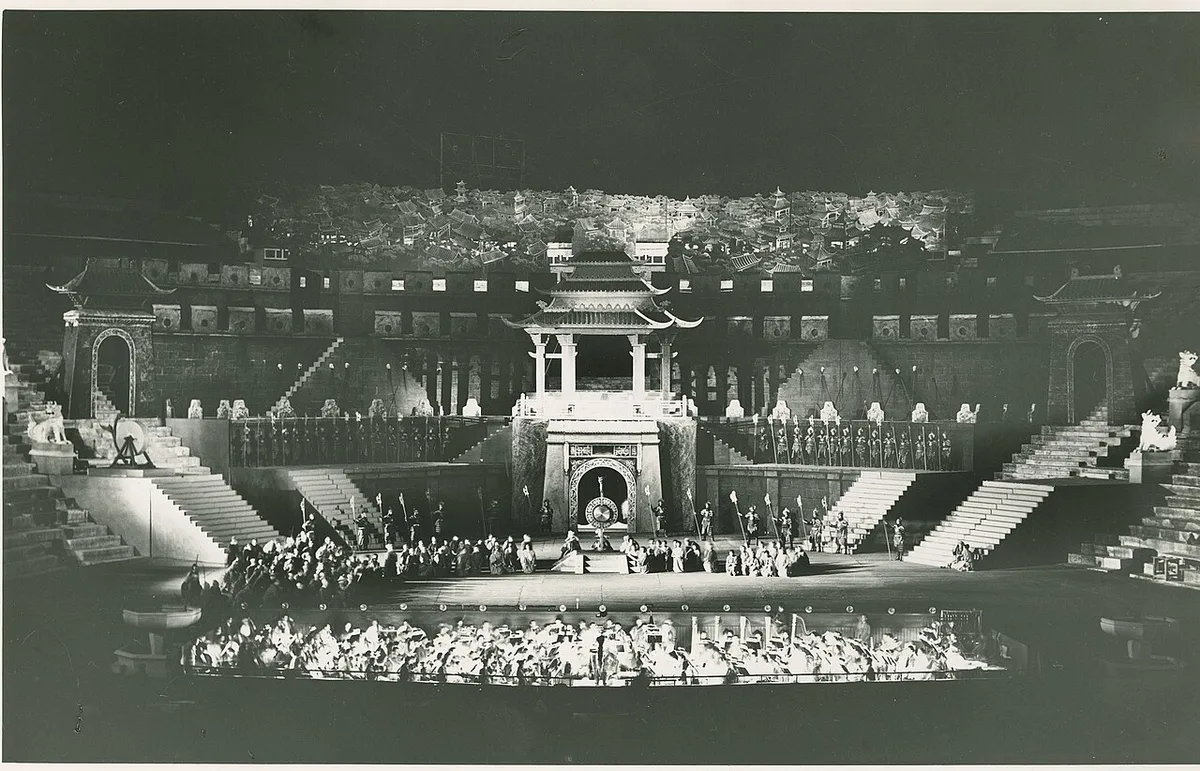
Piazza Bra holds the Arena di Verona at the heart of Verona's historic center. Built as a Roman amphitheatre, it now runs two distinct identities: a daytime historical monument, and, each summer, one of Europe's largest open-air opera houses. Locals and repeat visitors often describe two separate versions of the same building. By day outside festival months, it's an open Roman shell where most of the cavea and original stonework stays visible. During the festival, lighting rigs, a raised stage, and set pieces reshape the sightlines completely. Deciding which version to plan around is the biggest decision in any Arena di Verona visit. The venue also hosted the closing ceremony of the 2026 Winter Olympics and the opening ceremony of the 2026 Winter Paralympics, a sign of how far its use now reaches beyond opera. Verona's summer opera calendar sits alongside other Italian open-air festivals. The Rossini Opera Festival Guide: Pesaro Program and Tickets runs each summer in Pesaro. The Puccini Festival at Torre del Lago stages open-air opera on Lake Massaciuccoli. Many opera itineraries combine two or three of these festivals into a single Italian trip.
The summer opera festival runs June through September, and day visitors during this season should expect earlier closings: typically 5:00 pm in July-August and 3:00 pm in September-October on performance days.
| Detail | Figure |
|---|---|
| Location | Piazza Bra, Verona |
| Built | Around 30 AD, though a 2013 coin find points to 40-42 AD |
| Shape and size | Elliptical, 152m by 123m |
| Ancient capacity | About 30,000 spectators |
| Performance capacity today | 13,000 to 15,000, depending on the stage setup |
| Opera festival season | June to early September, annually |
6 Best Ways to Experience the Arena di Verona
Deciding how to experience the Arena di Verona comes down to timing and appetite: a short daylight visit, a full opera production, or something shorter and more experimental. These six formats cover what Fondazione Arena and the city currently program, from classic Verdi to immersive concerts and an indoor winter season — the one that overlaps with Verona's Christmas market, if you would rather see the city in December than in the July heat. The Verona festival calendar sets the opera season against Vinitaly in April and Tocatì in September, the two other dates that move the city's prices. The tickets guide breaks the seating into its full sector hierarchy and covers the rain and refund rules, which are stricter than most visitors expect. Official tickets for every format go through arena.it, which also publishes the current calendar for early closures and cast changes. Third-party resellers list Arena di Verona seats too, but the official listings confirm the seating category and exact production dates.
- Daytime Visit to the Roman Amphitheatre
- Tuesday through Sunday the monument opens 9:00 am to 7:00 pm, with last admission at 6:30 pm, per visitverona.it.
- From April to October the Arena works as a functioning theater, so expect visible stage rigging and partial cavea views rather than an empty Roman shell.
- Check visitverona.it directly for current admission pricing and Verona Card eligibility before booking.
- Summer Opera Festival Mainstage Productions
- The 103rd Arena di Verona Opera Festival runs June 12 to September 12, 2026, per arena.it.
- The organiser has already confirmed the 104th edition for June 11 to September 11, 2027, with tickets already on sale.
- Franco Zeffirelli's Aida remains the signature staging, running July 30 to September 10, 2026, alongside Nabucco, Turandot, La Bohème, and La Traviata.
- Immersive Concerts for a Shorter Night
- Paganini Paradise, billed as a superlive immersive concert, runs August 18, 2026, per arena.it.
- Viva Vivaldi, an immersive staging of The Four Seasons, runs August 19, 2026.
- Both formats suit visitors who want the venue's atmosphere without committing to a full multi-hour opera.
- Ballet, Concerts, and Gala Nights
- Carmina Burana, a concert setting of Carl Orff's cantata, plays August 13, 2026.
- Zorba il greco, a ballet set to Mikis Theodorakis's score, runs August 25 to 26, 2026.
- Roberto Bolle and Friends, a ballet gala, also returned to the Arena stage in the 2026 season, per Fondazione Arena's own announcements.
- Winter Season at Teatro Filarmonico
- From January 18 to December 31, 2026, Teatro Filarmonico runs five operas, two ballets, and eight symphonic programs indoors, per arena.it.
- Highlights include the Aspettando Beethoven symphonic series and a Beethoven and Schubert string quartet evening on November 8, 2026.
- Menotti's Amelia al ballo pairs with Stravinsky's Jeu de Cartes for a less common double bill, staged October 25 to November 1, 2026.
- Behind-the-Scenes Guided Tour
- Le Sale della Musica, a guided tour of Teatro Filarmonico, runs October 24 to December 19, 2026, per arena.it.
- It suits travelers who want the venue's history and craft without booking a full performance.
- The tour pairs well with a same-week concert, showing both the working stage and the empty hall.
Gradinata vs Poltronissime: Choosing Your Seat
Every Arena di Verona opera ticket falls into one of two broad categories: unreserved stone steps, or numbered stalls. The choice affects comfort, cost, and how much of the stage is actually visible from a given spot.
Gradinata seating starts at €25 but requires arriving 90 minutes before curtain to secure a good spot. Poltronissime reservations cost up to €200 or more but eliminate this timing constraint.
| Seating type | Price range | Comfort | Best for |
|---|---|---|---|
| Gradinata (unreserved stone steps) | From €25 | No backrest; bring or rent a cushion | Budget travelers, first-timers who want the full-house atmosphere |
| Poltronissime (numbered stalls) | Up to €200 or more for premium rows | Padded numbered chairs close to the stage | Comfort-focused visitors, special-occasion nights |
Daytime Visit or Nighttime Opera: Which to Book
The Arena di Verona rewards different visitors at different hours. Matching priorities to the right visit avoids the most common letdown: expecting an unobstructed Roman ruin and finding a stage set instead. Many visitors do both, taking a daytime look at the Roman architecture, then returning after dark for a performance. If you follow that plan, leave a generous break between visits: it gives you time to eat, change layers, collect a cushion, and join the correct evening entrance without turning an opera night into a rushed queue.
| Factor | Daytime visit | Nighttime opera |
|---|---|---|
| Typical cost | Standalone admission; check visitverona.it for current pricing | From €25 gradinata to €200+ poltronissime |
| What's visible | Roman architecture, the surviving Ala facade, the cavea | Full staged production with contemporary lighting and sets |
| Structure access | Best outside the April-October performance calendar | Stage rigging can obscure parts of the ancient structure, per visitverona.it |
| Best for | History-focused visitors on a tight schedule | Opera fans planning an evening around one production |
Hours, Access, and the Verona Card
Standard opening hours run Tuesday to Sunday, 9:00 am to 7:00 pm, with last admission at 6:30 pm; the Arena closes Mondays, December 25, and January 1, per visitverona.it. Exceptional Monday openings are scheduled for June 1 and December 7, 2026. On performance days during festival season, closing moves earlier. Visitverona.it's 2026 calendar lists last entry 30 minutes before an early closing time, commonly 5:00 pm in July and August and 3:00 pm in September and October. Accessibility improved in the 2026 season through the Arena per tutti project, an opera accessibility initiative with more than 1,100 people already enrolled, per Fondazione Arena's July 2026 announcement. The flat circular galleries are wheelchair accessible without special aids, though auditorium access may be limited during stage setup and takedown. Pets are restricted to small dogs carried in bags; guide dogs, assistance dogs, and other service animals are always permitted, per visitverona.it's pet policy. Verona Card holders receive free or discounted admission to the monument, according to visitverona.it. Whether the card pays off depends on how many other sights it covers on the same trip, so weigh it against a standalone Arena ticket rather than buying it for the Arena alone.
From Gladiators to Grand Opera: A Short History
Historians disagree on the Arena's exact construction date. Dating proposals range from the early 1st century to the 3rd century, with historian Pirro Marconi favoring the late Augustan to early Tiberian period and placing completion around 30 AD. Stylistic comparison with the amphitheatre at Pula, along with a gladiator-helmet sculpture dated to roughly 10-20 AD, supports that window. A 2013 excavation during electrical works uncovered a coin that narrows construction to 40-42 AD, in the reign of Claudius, per veronissima.com. Either dating places the Arena before Rome's Colosseum, completed around 80 AD. Builders used Rosso Verona limestone from the Valpolicella hills, quarried mainly around Negrar and Sant'Ambrogio, roughly 20 kilometers from the city, per veronissima.com. The finished structure is elliptical, 152 meters by 123 meters, and originally seated about 30,000 spectators; today's performance capacity runs 13,000 to 15,000, depending on the stage setup. The Arena stood outside Verona's Roman walls until military necessity changed that. In 69 AD, Emperor Vespasian fortified the city with a new rampart and moat, though the amphitheatre itself stayed outside the walls. In 265 AD, Emperor Gallienus built a new 550-meter defensive wall specifically to enclose the Arena, responding to third-century barbarian invasions. In 1874, archaeologist Antonio Pompei excavated the foundations of that Gallienus wall, finding them just 5 meters from the amphitheatre. The Arena played a defensive role again in 312 AD, when Constantine's forces besieged Maxentius's troops sheltering behind its height. Gladiatorial combat ended formally under Emperor Honorius's ban in 404 AD, and the outer ring was partially dismantled under Theodoric's rule (493-526 AD) to build a second city wall. Only the Ala survives from that outer ring today: four three-tiered arches rising about 30 meters, with the amphitheatre's central body standing about 25 meters, per veronissima.com and visitverona.it. Systematic restoration beginning in the 16th century preserved much of what remains. The Arena's modern identity dates to 1913, when Giuseppe Verdi's Aida became the first opera staged there; the summer festival has run every year since, except during wartime interruptions. Fondazione Arena has also commissioned the research firm Nomisma to study the opera festival's economic, social, and tourism impact on Verona, with full findings published on arena.it.
What to Pack for an Arena di Verona Opera Night
A few practical items make a long outdoor performance easier, regardless of seating category.
- A Seat Cushion
- Gradinata steps are bare stone, and rental cushions can sell out on busy nights.
- Bringing your own guarantees comfort through a multi-hour program.
- A Light Jacket or Shawl
- Verona evenings cool down well after sunset even in peak summer.
- Performances run late, so temperatures drop further by the final act.
- A Lighter or Candle
- Some Arena traditions involve audience candles before certain performances.
- Check current guidance for a specific show, since candle policies can change.
- Comfortable, Layerable Clothing
- Casual clothing suits gradinata seating without issue.
- Smarter, layered outfits work well for poltronissime seating closer to the stage.
Traveler Mistakes to Avoid at the Arena di Verona
A few avoidable mistakes shape most complaints about an Arena di Verona opera night. None of them require much planning to fix.
- Skipping the Rain Policy
- The Arena has no roof, so outdoor performances typically continue through light rain.
- Check arena.it directly for the current weather and rescheduling policy before travel.
- Misjudging the Dress Code
- Gradinata seating calls for comfortable, casual clothing rather than formalwear.
- Poltronissime seating near the stage is where most visitors dress up.
- Arriving Late for Unreserved Seating
- Gradinata seating is first-come, first-served once gates open.
- Plan to arrive at least 90 minutes before curtain to get a usable spot.
- Leaving the Cushion Behind
- Stone steps get uncomfortable well before a long production ends.
- A cushion, brought along or rented on-site, makes gradinata seating far more workable.
For trip-planning details, see Arena di Verona Opera Festival official source and Visit Verona city tourism.
Continue planning with Festival dei Due Mondi Spoleto: A Complete Visitor.
Continue planning with Maggio Musicale Fiorentino.
Continue planning with Ravello Festival: A Logistics-First Guide to Villa Rufolo.
Frequently Asked Questions
When does the Arena di Verona Opera Festival run?
The 103rd edition runs June 12 to September 12, 2026, confirmed by arena.it. The organiser has also confirmed the 104th edition for June 11 to September 11, 2027, with tickets already on sale.
Should you book gradinata or poltronissime seats?
Choose gradinata, the unreserved stone steps, from around €25, when budget and atmosphere matter most. Choose poltronissime, the numbered stalls priced up to €200 or more, for comfort and a closer stage view.
Can you visit the Arena di Verona without attending a show?
Yes. The monument opens Tuesday through Sunday, 9:00 am to 7:00 pm, outside performance-day closures. Expect visible stage equipment from April through October, since the venue functions as a working theater during that stretch.
What happens to an opera performance if it rains?
The Arena di Verona has no roof, so performances typically continue through light rain. Check arena.it directly before travel for the current weather and rescheduling policy on a specific date.
Is there anything to see at the Arena outside the summer festival?
Yes. Teatro Filarmonico runs an indoor season from January to December, with five operas, two ballets, and eight symphonic programs in 2026, including chamber music and the Aspettando Beethoven symphony series.
Italy's Summer Opera Festivals
A Roman arena, an Adriatic beach town and a lake shore — all open-air, all summer.