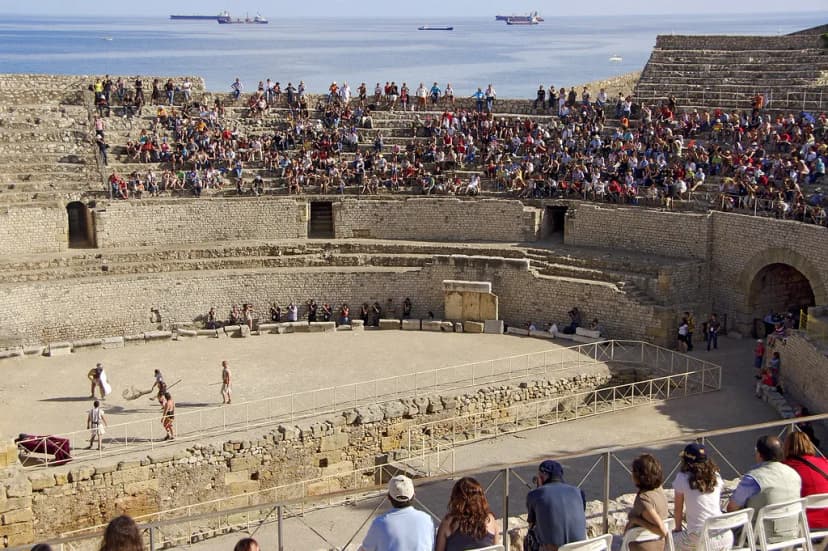
Last updated August 2026. For three days each September, Verona's Veronetta district is closed to traffic and given over to traditional games — rope-pulling, bowls variants, spinning tops, stilt-walking, games most people assumed had died out. Tocatì is free, it is genuinely participatory rather than a display, and UNESCO has registered it as a Good Practice for safeguarding intangible cultural heritage. It is the most unusual festival in this guide.
What Tocatì Is
The name is Veronese dialect — roughly "it's your turn". The festival was founded in 2003 by the Associazione Giochi Antichi, working with the Comune di Verona and with backing from the Veneto region, and its purpose is preservation through play rather than exhibition. Communities that still practise a traditional game come and run it; visitors join in.
That distinction matters. This is not a historical reenactment with costumed performers and a rope barrier. The games are live traditions with living communities behind them, and the festival is structured so that you play rather than watch. It is also why UNESCO registered it as a Good Practice — a designation for safeguarding methods rather than for the heritage itself.
Dates and the Guest Country
The 24th edition ran 18 to 20 September 2026 in Veronetta, with Ireland as the guest country — the programme pairs the visiting nation's games with music and dance from the same tradition. Each edition invites a different country, which is the main thing that changes year to year.
Future editions are expected to follow the same pattern: three days in mid-September, in Veronetta. That is computed from the recurrence rule rather than confirmed — the Associazione Giochi Antichi publishes each year's dates and guest country in advance on the festival site, with the association's own site carrying the fuller background.
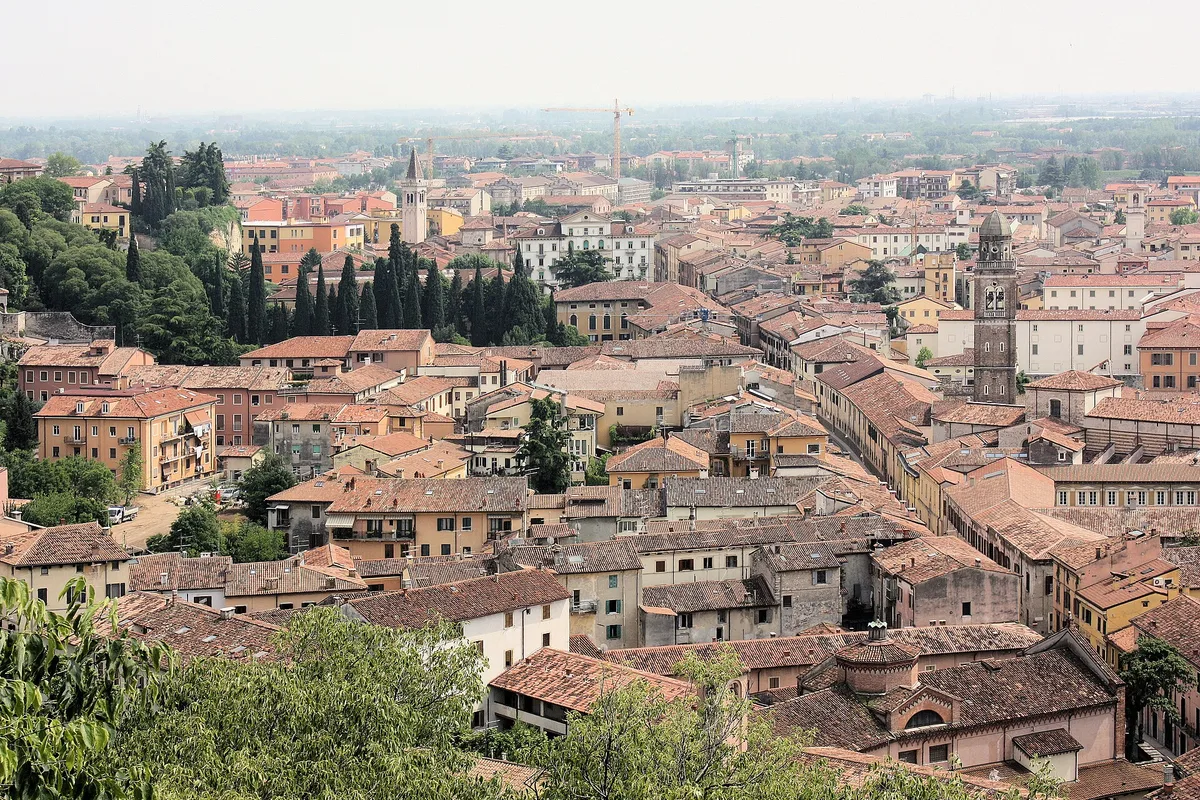
Veronetta is across the Adige from the tourist centre, east of Ponte Nuovo — a ten-minute walk from Piazza delle Erbe. It is Verona's university quarter and normally has little visitor traffic, which is part of why the festival works: the streets genuinely belong to the neighbourhood.
What to Expect on the Day
Streets and squares across Veronetta are given over to individual games, each staffed by the community that practises it. Expect variants of bowls and boules, rope games, spinning tops, throwing games, stilt-walking and board games, alongside workshops, talks and music. Everything is free.
| Feature | Tocatì |
|---|---|
| Cost | Free throughout |
| Format | Participatory — you play, not watch |
| Where | Veronetta, across the Adige from the centre |
| Recognition | UNESCO-registered Good Practice |
| Guest country | A different one each edition |
It is emphatically family-friendly without being only for children — the participating communities are mostly adults, and the games are real games with real rules rather than simplified play. Bring shoes you can move in, and expect to spend a few hours rather than doing a lap.
- Free throughout — no ticket for any part of it
- Three days, mid-September, in the Veronetta district
- Participatory: you play the games rather than watch them
- A different guest country each edition, with its own games, music and dance
- UNESCO-registered Good Practice for safeguarding intangible cultural heritage
Why September Is the Month for Verona
Mid-September is arguably the best time to be in Verona. The summer heat has broken, and the Arena opera season is finishing — its run ends in early September — so the city has just come off its busiest period without yet emptying out. Accommodation is easier and cheaper than in the opera months or during Vinitaly in April — only February is cheaper.
Tocatì also sits in an unusually good week regionally. Venice's Regata Storica is on the first Sunday of September, roughly ninety minutes east by train, and Florence's Rificolona is on the 7th. A single early-to-mid September trip can take in all three. The Verona festival calendar covers the city's year.
Frequently Asked Questions
What is Tocatì?
An international festival of traditional street games held over three days each September in Verona's Veronetta district. Founded in 2003 by the Associazione Giochi Antichi, it brings communities that still practise traditional games to run them in the street, with visitors joining in. UNESCO has registered it as a Good Practice for safeguarding intangible cultural heritage.
When is Tocatì held?
Three days in mid-September. The 24th edition ran 18 to 20 September 2026 with Ireland as guest country. Future editions are expected to follow the same mid-September pattern, with dates and the guest country published in advance by the Associazione Giochi Antichi.
Is Tocatì free?
Yes, entirely. There is no ticket for any part of the festival — the games, workshops, talks and music are all free and open, staged in the public streets and squares of the Veronetta district.
Where is Veronetta?
Across the Adige from Verona's tourist centre, east of Ponte Nuovo — about a ten-minute walk from Piazza delle Erbe. It is the city's university quarter and normally sees little visitor traffic, which is part of why the festival retains a genuinely local character.
Is Tocatì suitable for children?
Yes, though it is not only for children. The participating communities are mostly adults and the games are played with real rules rather than simplified for kids, which makes it work across ages. Everything is participatory, so wear shoes you can move in.