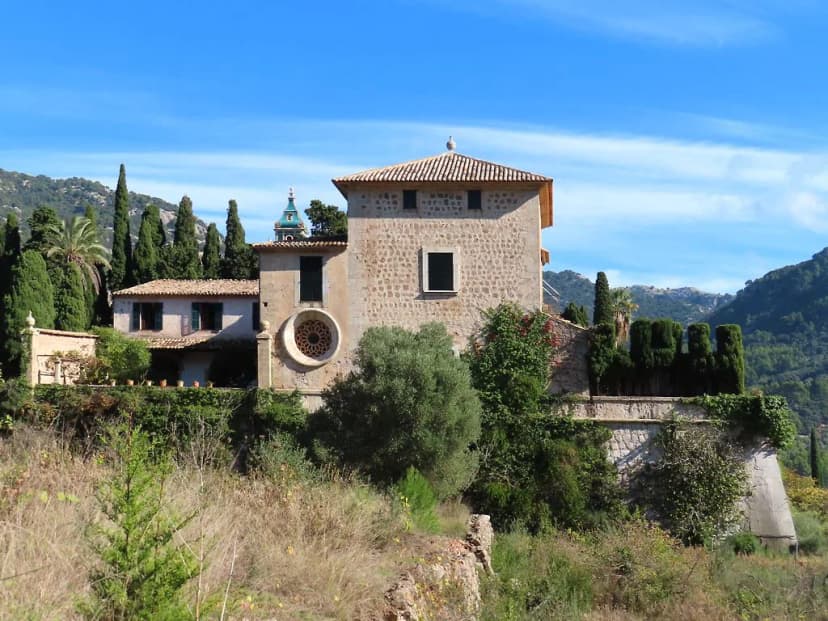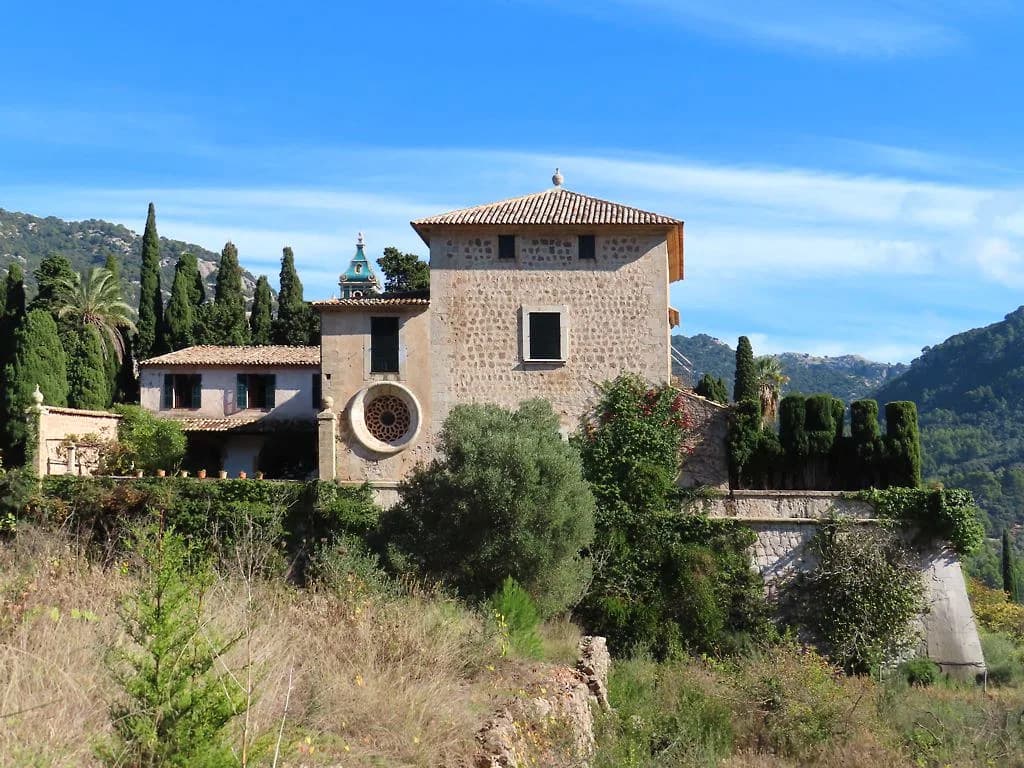
On Christmas Eve, as families gather across Mallorca, a medieval chant fills the small parish church of Valldemossa. The Cant de la Sibil·la, or Song of the Sibyl, is one of the island's most cherished traditions, and experiencing it in this mountain village offers a quieter, more intimate alternative to the grand cathedrals. The Consell de Mallorca highlights Valldemossa as a place where visitors can hear the chant in an atmosphere of quiet contemplation.
What is the Sibil·la? Origins and UNESCO recognition
The Cant de la Sibil·la is a Gregorian chant that prophesies the Last Judgement, sung a cappella on Christmas Eve during the Misa del Gallo. Its roots trace back to the 10th century, when similar prophetic songs were performed across Southern Europe, and it arrived in Mallorca with the Christian conquest in 1229, according to the Mallorca Photo Blog. The earliest written record on the island is the Consueta de Tempore of Mallorca Cathedral, drafted in Latin between 1360 and 1363.
After the Council of Trent in the 16th century banned many liturgical dramas, the chant survived on Mallorca and a few other regions. It was officially recognized as a Property of Cultural Interest in 2005 and inscribed on UNESCO's Representative List of the Intangible Cultural Heritage of Humanity in 2010, as detailed by Mallorca Caprice. This UNESCO listing underscores the tradition's global significance and its preservation as a living medieval heritage.
How the chant is performed: costume, gesture, and voice
During the chant, a performer—traditionally a boy, though in some churches a girl or woman sings—walks slowly through the congregation holding an upright sword. Dressed in a white tunic and matching cap, the singer delivers the verses a cappella, with organ interludes between stanzas, as described by SeeMallorca.
The sword is raised to form a cross in the air at the climax of the prophecy. In some villages, ancient customs persist, such as cutting a cake or neules (wafers) with the sword after the chant. The performer is often accompanied by children carrying candles, and the tunic is sewn by local community members, adding a personal touch to each performance, notes Mallorca Caprice.
Watching the Sibil·la in Valldemossa: the parish church setting
Valldemossa's parish church hosts the chant on Christmas Eve, offering a more intimate setting compared to Palma Cathedral. The Consell de Mallorca specifically names Valldemossa as a village where the small parish church setting provides a unique atmosphere of quiet contemplation, making it a memorable choice for travellers.
Attendees often describe the experience as deeply moving, with a hush falling over the congregation as the solitary voice rings out. Unlike the floodlit cathedral in Palma, the candlelit church in Valldemossa creates a more personal connection to the medieval past. However, it's important to note that the exact time of the Valldemossa performance is not published in official sources, so visitors should check with the local parish or tourist office for the current schedule.
The chant in Valldemossa is not held at the Real Cartuja, the former monastery famous for Chopin, but at the parish church. This distinction matters for planning, as the Cartuja is a separate site. The parish church is centrally located in the village, so you can easily combine attendance with an evening stroll through the cobbled streets.
Practical tips for attending: arrival, attire, and etiquette
For a solemn event like the Sibil·la, arriving early is essential to secure a seat and to settle into the contemplative mood. Churches in Mallorca can be cold in December, so dress warmly with layers, a coat, and closed shoes, as suggested by Mallorca Magic. The chant is part of the Christmas Eve mass, so it is open to all, but maintain a respectful silence throughout.
Photography and phone use are discouraged; the performance relies on stillness and concentration. Bright screens or flash can break the spell for you and others. Instead, listen to the syllables and the spaces between tones, and carry the moment with you as you step out into the cold night.
Other Mallorca performances: from Palma Cathedral to village churches
While Valldemossa offers intimacy, the island's most famous performances happen at Palma Cathedral (La Seu) at 23:00 and the Lluc Sanctuary at 22:00, according to SeeMallorca. These draw larger crowds but are also unforgettable. Earlier in the day, you can catch performances in villages such as Algaida at 20:30 or Muro in the late afternoon, as listed on SeeMallorca's event calendar.
Whenever you choose, check the latest announcements from the parish or the Consell de Mallorca tourism website, as times and venues can vary from year to year. The tradition is widespread, so even small villages like Pollença or Sineu often celebrate with their own versions, each with subtle local differences in melody and style.
Understanding the lyrics: prophecy of the Last Judgement
The lyrics of the Sibil·la are a dramatic prophecy describing the end of the world, the return of Jesus Christ as judge, and the fate of the righteous and the wicked. The poem, known as Judicii Signum, was included in a sermon by Bishop Quodvultdeus of Carthage and has been preserved in Mallorca since the 10th century, as explained by Mallorca Caprice.
Originally sung in Greek or Latin, the text was translated into Old Mallorcan, and today most – if not all – churches use the Catalan version. The vivid imagery of rivers emptying, the moon and sun losing light, and fire consuming the earth serves as a stark reminder of mortality, yet it is framed within the Christian hope of salvation.
Planning your Valldemossa Christmas visit
A trip to Valldemossa at Christmas offers more than just the Sibil·la. The village, nestled in the Tramuntana mountains, is known for its charming stone streets and the Real Cartuja, where Frédéric Chopin and George Sand spent a winter. While the Cartuja is not the venue for the chant, you can visit it during the day to enrich your understanding of the village's cultural legacy.
To combine the Sibil·la with other festive traditions, consider attending a local Christmas market or tasting the famous Valldemossa coca de patata. The island's broader programme includes numerous seasonal events; for inspiration, see our guide to festivals in Spain, which covers year-round cultural celebrations.
Given the popularity of the Sibil·la, book any accommodation well in advance if you plan to stay overnight. Valldemossa is a small village, and Christmas Eve is a peak time. If you prefer a shorter trip, consider taking the last bus back to Palma after the mass, but check schedules, as holiday services may be limited.
Plan Your Visit
The Cant de la Sibil·la is more than a song; it is a living link to medieval Europe that has found a unique home in Mallorca. Experiencing it in Valldemossa's parish church is to witness a tradition that has been passed down through generations, offering a moment of quiet reflection in a world that often moves too fast.
To make the most of your visit, confirm the exact time with the parish or the official tourism office, as details are not always published online. Approach the evening with an open heart, arrive early, dress warmly, and let the ancient prophecy transport you. Bon Nadal.
Frequently Asked Questions
What is the Sibil·la chant?
The Cant de la Sibil·la is a medieval Gregorian chant that prophesies the Last Judgement. It is performed on Christmas Eve during the Misa del Gallo in Mallorca and a few other places. The chant is recognized by UNESCO as Intangible Cultural Heritage.
Where in Valldemossa is the Sibil·la performed?
The Sibil·la is performed in the parish church of Valldemossa, not the Real Cartuja. The Consell de Mallorca recommends Valldemossa for an intimate atmosphere. Check the local parish for the exact venue and time.
What time is the Sibil·la on Christmas Eve?
The official sources do not confirm a specific time for Valldemossa. Performances typically happen in the evening, often around midnight, but you should verify with the parish or local tourism office before your visit.
Is the Sibil·la suitable for visitors?
Yes, visitors are welcome. It is a solemn religious ceremony, so it's important to arrive early, dress respectfully, and remain silent throughout. Many travellers find it a deeply moving experience.
What should I wear to the Sibil·la?
Churches in Mallorca can be cold in December, so dress warmly with layers, a coat, and closed shoes. There is no formal dress code, but respectful and practical attire is recommended.
Why is the Sibil·la important in Mallorca?
The chant is one of Europe's oldest living traditions, with roots in the 10th century. It survived the Council of Trent's bans, preserving a unique cultural and religious heritage. UNESCO recognized it in 2010, highlighting its universal value.