Every May, the Spanish city of Tarragona steps back in time for Tarraco Viva, a festival dedicated to its Roman past as the ancient city of Tarraco. For over two decades, this event has used living history to bring the Roman era to life, set against some of Spain's best-preserved Roman monuments. The festival's main goal is to make history accessible and engaging, aiming to provoke reflection on our shared past.
Tarraco Viva typically transforms Tarragona, a city on the Costa Daurada about 100 kilometers southwest of Barcelona, into a stage for reenactments, workshops, and performances. As a pillar of the city's cultural calendar, it draws visitors interested in history and archaeology. To get the most out of your visit, plan to spend at least a full day exploring the various venues and activities.
A Brief History of Tarraco Viva
Tarraco Viva was first held in 1999, with the stated aim of spreading the history of Roman times in an attractive way that prompts reflection on the past. The festival quickly became a benchmark in its field, praised for both the quality of its proposals and its commitment to historical accuracy. It has grown into an international festival, attracting reenactment groups and experts from around the world.
The festival's longevity is testament to its success. Since its founding, it has typically taken place each May, with Spain's official tourism website noting in the past that it has been held since 1998. While the exact format has evolved, the core idea remains: to recreate various aspects of Roman life, from military and daily life to theatre, gladiators, cuisine, engineering, and fashion, all with a common denominator of precision. For more on Spain's festival scene, you may also want to explore our guide to festivals in Spain.
Typical Activities and Events
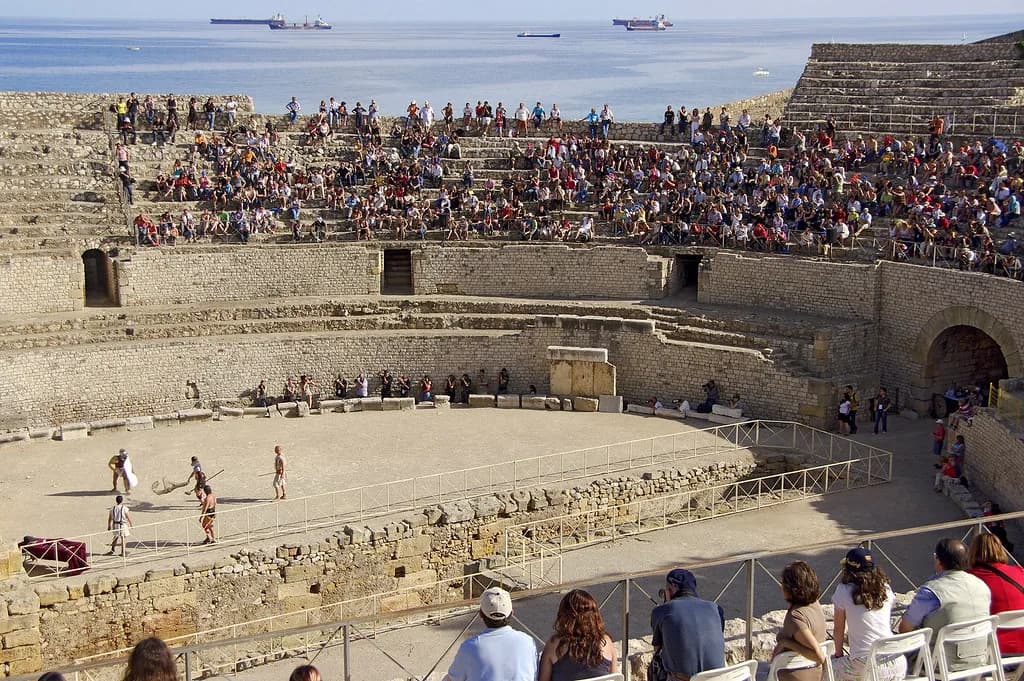
Tarraco Viva's programme is diverse, designed to offer something for all ages. Typical activities include gladiator reenactments, dramatic performances of Roman theatre, ancient music and dance, and historical reenactments of everyday life in Roman times. You might see legionaries marching, equestrian sports demonstrations, or workshops on crafts and domestic life.
Alongside the performances, the festival typically features exhibitions, conferences, and a season of archaeological films. Wine and gastronomy are often celebrated through workshops on Roman cooking and wine tasting. Many of these events take place at archaeological sites, with Spain's tourism board noting that the majority of activities are free. Be aware that specific activities may vary from year to year, so check the official programme for details.
The festival offers a chance to see history brought to life by reenactment groups who prioritize authenticity, aiming to educate as much as entertain. Visitors can immerse themselves in the daily life of a Roman settlement, from the food to the fashion. This hands-on approach has made Tarraco Viva a favorite for families and history buffs alike.
UNESCO-Listed Roman Venues
What makes Tarraco Viva truly special is its setting. The festival's events take place in and around the monumental sites of the Archaeological Ensemble of Tárraco, which is a UNESCO World Heritage Site. These venues include the Roman city walls, the circus, the amphitheatre, and the aqueduct, each providing a dramatic backdrop for the proceedings.
The amphitheatre, with its views over the Mediterranean, is often the site for gladiatorial contests, while the forum and local museums host conferences and workshops. The ancient circus, used for chariot racing, may host equestrian demonstrations. These locations are not just stages; they are an integral part of the experience, allowing visitors to connect with history where it actually happened.
Planning Your Visit to Tarragona
Since Tarraco Viva usually takes place in May, the weather is typically pleasant for exploring outdoor venues. Tarragona is well-connected by train and bus from Barcelona and other major cities, and the nearest airport is Reus, about 8 kilometers from the city. To get around the festival sites, walking is often the best option, as many venues are concentrated in the old town and along the Roman circuit.
It is wise to dress in comfortable shoes and bring sun protection, as you will likely be on your feet for hours. Consider booking accommodation well in advance, as the festival can attract many visitors. For a deeper dive into the festival's venues and programme, the official Tarragona turisme site provides an events calendar and useful details on the Roman route, which you can explore to plan your itinerary.
While many festival events are free, some special performances or workshops might require pre-booking or have limited capacity. The official programme typically marks these clearly, so it’s wise to arrive early for popular reenactments, especially the gladiator shows. Keep an eye on weather forecasts, as rain could affect some outdoor events.
Food and Wine: Tastes of Antiquity
Roman cooking and gastronomy are recurring themes at Tarraco Viva. Visitors may find workshops on ancient recipes, using ingredients and methods that would have been familiar to the inhabitants of Tarraco. These are often interactive, giving you a taste of history.
Wine, an essential part of Roman culture, also features prominently, with tastings introducing varietals that thrive in the region. The Catalan wine region is known for its robust reds and refreshing whites, and some events might pair them with historical commentary. Remember to drink responsibly if you are attending tastings.
Beyond the Festival: Roman Tarragona
Tarragona itself is a living museum, and visiting outside festival hours is a reward on its own. You can stroll the ancient city walls, walk the length of the circus, or descend into the amphitheatre to feel the scale of the Roman engineering. The National Archaeological Museum of Tarragona houses artifacts from the Roman city, offering context for what you see at the festival.
If your time allows, consider exploring other festivals that showcase Tarragona's heritage. In September, the Santa Tecla Tarragona festival guide presents human towers and fireworks, a different but equally compelling aspect of Catalan culture. And the Tarragona castells festival is another celebration of the region's human tower tradition, offering a chance to see the city continue its festive spirit.
How to Confirm Current Details
Since festival details can change, it is essential to verify dates and the programme from official sources before you travel. The official website for Tarraco Viva and the Tarragona turisme site publish the most up-to-date information. Spain's official tourism site also lists the festival, but you should always double-check with the organizers for exact dates and events.
For the definitive word, check the official festival page for the upcoming edition's dates and programme. If you are planning around your trip, be aware that dates are usually announced several months in advance, so book and plan accordingly. Do not rely on third-party listings alone; always confirm directly with the city's tourism office.
Plan Your Visit
Tarraco Viva is a unique opportunity to step into the world of Roman Tarraco, set against the backdrop of some of Europe's most impressive Roman ruins. It is a family-friendly, culturally rich event that offers both education and entertainment. Whether you are a history enthusiast or simply looking for a memorable day trip, Tarragona in May is sure to delight.
To make the most of your time, start early, prioritize the events you most want to see, and be prepared to explore on foot. Keep checking the official channels for the latest updates, and consider pairing your visit with other experiences in Catalonia. With a little planning, your journey to the past will be an unforgettable highlight of your travels in Spain.
Frequently Asked Questions
What is Tarraco Viva?
Tarraco Viva is a Roman heritage festival held annually in Tarragona, Spain. It recreates life in ancient Tarraco through living history events, gladiator reenactments, Roman theatre, and workshops. It is an international festival dedicated to spreading the history of Roman times, with a strong emphasis on historical accuracy and making history accessible to all.
When is Tarraco Viva held?
Tarraco Viva is typically held in May each year, but specific dates vary from year to year. Organizers usually announce the exact dates several months in advance on official websites. Always check the latest information before planning your trip.
How much do Tarraco Viva tickets cost?
Many events at Tarraco Viva are free, as noted on Spain's official tourism website. However, some special performances or workshops may require paid tickets. For accurate and current pricing, it is best to consult the official festival website or the Tarragona turisme office.
Where do Tarraco Viva events take place?
Most Tarraco Viva events are held at Roman heritage sites in Tarragona, including the city walls, circus, amphitheatre, and other parts of the Archaeological Ensemble of Tárraco, a UNESCO World Heritage Site. Some events may also take place in museums or other public spaces within the city.