The Fiestas del Pilar are Zaragoza's main annual celebration, blending religious devotion, Aragonese folklore, and a packed program of concerts, parades, and family events. Held each October, the festival fills the city with color and music for at least a week, making it one of the most important dates on Spain's festive calendar. The celebration centers on October 12, the feast of La Virgen del Pilar, the city's patron saint, when the Plaza del Pilar becomes the stage for the famous Ofrenda de Flores.
Because the festival is deeply rooted in local tradition, understanding its religious and cultural origins will enrich your visit. The festival has been designated a Festivity of International Tourist Interest, and its opening speech at the Town Hall marks the start of days of continuous activity. For a broader overview of Spanish celebrations, you can explore other festivals in Spain that showcase the country's cultural diversity.
This guide focuses on what to expect, the main events to prioritize, and practical tips for making the most of your time in Zaragoza during the Fiestas del Pilar. Remember that the exact dates and the full program change each year, so always check the official festival website for the latest information before booking your trip.
When Are the Fiestas del Pilar? Typical Dates and Duration
The Fiestas del Pilar are held annually in October, with the core dates centered around October 12, the feast of La Virgen del Pilar. The official program typically spans about a week and can include the weekend before and after the 12th, though the exact timeline varies each year. For 2026, the festival is scheduled to run from October 10 to October 18, according to Spain's official tourism portal.
Because the dates shift annually, it is essential to check the official festival website and the Zaragoza tourism office closer to your planned visit. The opening speech, usually held at the Town Hall, is often the first major event, followed by several days of concerts, parades, and cultural activities.
If you are planning around the most iconic events, note that the Ofrenda de Flores takes place on October 12 and the Ofrenda de Frutos on October 13. These dates are fixed by tradition, but confirm them on the official program for the specific year you plan to attend.
Main Events and Highlights
The heart of the festival is the Ofrenda de Flores on October 12, when thousands of people, many dressed in traditional Aragonese costumes, process to the Plaza del Pilar to place bouquets at the feet of the Virgin. The flowers form a vast carpet that covers the square, creating a stunning sight. The Ofrenda de Frutos, held on October 13, is a similar offering of fruit and agricultural products.
As dusk falls on October 12, the Rosario de Cristal procession takes over the streets, a unique spectacle of carriages and glass lanterns that are lit from within. The parade is a stunning display of craftsmanship and devotion. Another favorite is the Gigantes y Cabezudos parade, featuring large papier-mâché figures and big-head characters that wander through the crowds, playful yet imposing.
Beyond these processions, the festival offers an extensive program of concerts, theater, children's activities, puppetry, comedy, and magic shows. The peñas, or fiesta associations, are central to the festivities, organizing street parties and events that keep the energy high day and night. Fireworks displays light up the sky over the Ebro River, and sports competitions and exhibitions add an athletic twist to the celebration.
The program is vast and varied, with something for all ages and tastes. The opening speech at the Town Hall is a ceremonial kickoff that blends humor and local pride, setting the tone for the days ahead. Many visitors also enjoy the craft exhibitions and regional folk dance performances that showcase Aragonese culture.
What to Expect: Atmosphere, Crowds, and Cultural Significance
Expect a city transformed. The historic center, especially around the Basilica del Pilar, becomes a hub of activity with stages, food stalls, and crowds that swell significantly around October 11 and 12. The atmosphere is a mix of religious reverence and street-party energy, so you will see families, groups of friends, and tourists all mingling together.
The festival is deeply rooted in the devotion to La Virgen del Pilar, and this religious aspect is palpable, especially during the floral offering. At the same time, the peñas keep the party going late into the night, with music and dancing in the streets. The blend of the sacred and the festive is what makes the Fiestas del Pilar unique.
If you are not accustomed to large crowds, plan ahead. The most crowded moments are the afternoon of October 12 during the Ofrenda de Flores and the evenings following the processions. Arriving early to secure a spot along the parade routes is essential if you want a good view. The city also hosts a week of bullfights at the La Misericordia bullring, which are a traditional part of the program for aficionados.
Practical Tips for Attending
Zaragoza is well connected by AVE high-speed rail from both Madrid and Barcelona, making it an easy weekend trip or day excursion. The journey takes around 1.5 hours from Madrid and about 1.5 to 2 hours from Barcelona, depending on the service. The city's old town is compact and walkable, so once you arrive you can easily navigate on foot.
Accommodation is one of the biggest challenges during the Fiestas del Pilar. Central hotels and apartments sell out weeks, sometimes months, in advance, especially for the weekend of October 11-12. Book as early as possible and consider staying a bit further from the Plaza del Pilar and using public transport or taxis to reach the action. Public transport, including buses and trams, runs on a reduced holiday schedule, so check times in advance.
When packing, bring comfortable walking shoes, as you will likely be on your feet for hours, and a light rain jacket or umbrella—October in Zaragoza can bring showers. Dress in layers, as temperatures can vary from warm afternoons to cooler evenings. If you want to join the floral offering yourself, buy or pick up a bouquet beforehand; many vendors sell flowers near the square during the event.
Be prepared for extended dining hours, with many restaurants and bars staying open late. Reservations are recommended for sit-down meals, but you can also grab tapas and snacks from stalls. Remember that festival opening hours and event times can vary, so check the official program on the festival website or at the tourist office once you arrive.
Beyond the Festival: Other Sights and Activities in Zaragoza
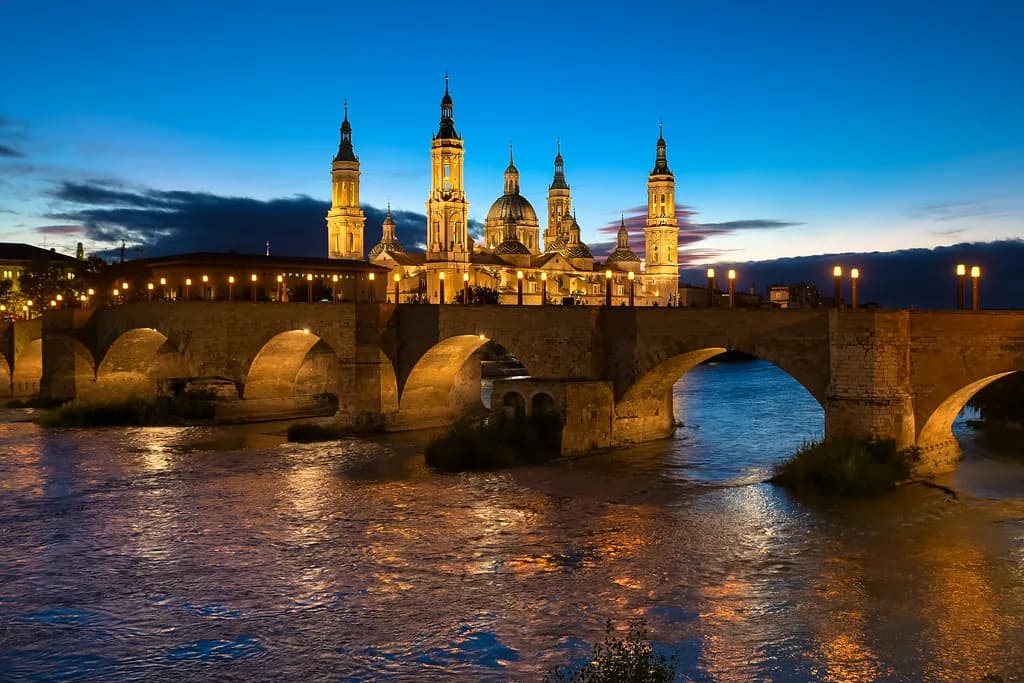
While the festival is a highlight, Zaragoza itself is worth exploring. The Basilica del Pilar, the city's iconic landmark, is home to frescoes by Francisco de Goya and offers stunning views from its towers. The nearby La Seo Cathedral, with its mix of Gothic and Mudejar architecture, is a UNESCO World Heritage site, and the Aljafería Palace is a magnificent example of Moorish architecture.
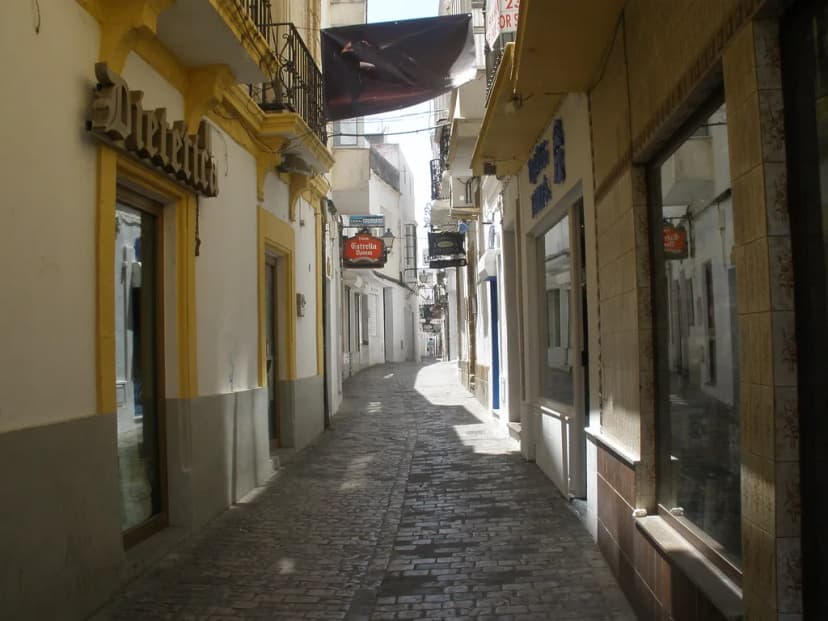
Wander through the narrow streets of the old town to discover tapas bars, artisan shops, and hidden plazas. The Ebro Riverfront is a pleasant area for a stroll, especially at sunset. If you have time, visit the Museum of Goya or the Pablo Gargallo Museum to deepen your understanding of Aragonese art.
For a different perspective on Zaragoza's traditions, you might also be interested in the Semana Santa Zaragoza processions guide, which covers the city's dramatic Holy Week events, or the Three Kings Parade Zaragoza guide for a January celebration. Both offer a glimpse into the city's rich cultural calendar beyond October.
Plan Your Visit
The Fiestas del Pilar are a unique blend of faith, folklore, and festive spirit that truly showcases Zaragoza's identity. With its iconic floral offering, crystal rosary procession, and lively street atmosphere, the festival offers an unforgettable Spanish experience. By planning ahead, booking early, and knowing what to expect, you can make the most of your visit to this historic city.
Always confirm the official dates and program details on the festival website (fiestasdelpilar.com) or with the Zaragoza tourism office before your trip, as plans may change. With the right preparation, you'll be ready to enjoy one of Spain's most heartfelt celebrations.
Related festival guides
Frequently Asked Questions
When do the Fiestas del Pilar take place?
The Fiestas del Pilar are held each October in Zaragoza, with the core dates centered around October 12. The festival typically lasts about a week, and the exact dates vary annually. For example, in 2026 the festival is scheduled from October 10 to 18. Always confirm the dates on the official festival website before planning.
What events happen during Fiestas del Pilar?
The festival features a wide range of events, including the Ofrenda de Flores (floral offering) on October 12, the Ofrenda de Frutos (fruit offering) on October 13, and the Rosario de Cristal procession at dusk. Other highlights include the Gigantes y Cabezudos parade, concerts, theater, children's activities, fireworks, and sports exhibitions. The program is packed with something for all ages.
Where to stay in Zaragoza during the festival?
Central accommodation sells out quickly during the Fiestas del Pilar, so booking well in advance is essential. For a convenient location, look for hotels near the Plaza del Pilar, but expect higher prices and early sell-outs. Consider staying farther out and using public transport or taxis to reach the festival venues.
How to get to Zaragoza for the festival?
Zaragoza is well connected by AVE high-speed rail from Madrid and Barcelona, with travel times of around 1.5 to 2 hours. The city also has an airport with flights from several Spanish and European cities, though rail is often the most convenient. Once in the city, the old town is compact and walkable.
What is the significance of October 12?
October 12 is the feast of La Virgen del Pilar, the patron saint of Zaragoza and Spain. It is the day of the mass floral offering, when thousands of people bring flowers to the Plaza del Pilar. The date also coincides with Spain's national holiday, but in Zaragoza the religious and local traditions take center stage.
How many days in Zaragoza is enough?
To experience the festival highlights and explore the city, plan for at least two to three days. This gives you time to see the Ofrenda de Flores, a couple of processions, and some cultural sights. If you want to attend multiple concerts and events, a full week is ideal.
What can you see in Zaragoza beyond the festival?
Zaragoza boasts the iconic Basilica del Pilar with Goya's frescoes, the La Seo Cathedral, and the Aljafería Palace, a Moorish masterpiece. Explore the old town's tapas bars and the Ebro riverfront. The city also offers museums like the Museum of Goya and Pablo Gargallo Museum.