
Semana Santa, or Holy Week, is one of Zaragoza's most deep-rooted celebrations. Designated a Festival of International Tourist Interest, it attracts more than 100,000 visitors each year and involves over 15,000 participants from 24 brotherhoods, according to Spain's official tourism portal.
From the Saturday before Palm Sunday through Easter Sunday, processions wind through the old town daily. While the exact calendar shifts each year, the structure remains similar, making it possible to plan a trip around the experience.
Whether you're drawn by faith, tradition, or spectacle, this guide helps you understand the key elements of Zaragoza's processions and choose which ones to attend. For a broader overview of similar celebrations, see our [festivals in Spain] guide.
When Is Semana Santa in Zaragoza?
Holy Week in Zaragoza begins on the Saturday before Palm Sunday with an opening ceremony called the Pregón, followed by processions each day until Easter Sunday. The exact dates vary annually, as they follow the liturgical calendar, so check the official tourism website for the current year's schedule.
Historically, the city's Easter week celebrations date back to the 18th century. The busiest days are typically Holy Thursday, Good Friday, and Easter Sunday, when the most processions take place and the city shuts down for the holiday.
The Processions and Brotherhoods
The processions are organized by brotherhoods, known as cofradías, each based in a neighborhood church. Members wear distinctive tall pointed hoods and robes of solid colors, with each brotherhood having its own hue. They carry floats, called pasos, adorned with statues of Jesus and Mary, which are borne by costaleros.
The rhythmic drumming is a defining feature of Zaragoza's processions. Thousands of drummers, sometimes playing so intensely that their hands bleed, accompany the floats. Brass bands provide soulful music, and the air fills with incense. You may also hear saetas, traditional religious songs, interspersed with jotas, the region's folk music.
More than just parades, these processions are public acts of worship and penance. Some participants walk barefoot or carry crosses, and the mood is solemn and reflective. It's a full-body experience engaging all five senses, as described by a visitor who attended the events.
Key Processions Not to Miss
The most iconic is the Good Friday procession of the Holy Burial, which recreates Christ's Passion and death. It sees the participation of all the brotherhoods and features thousands of drummers, with the entire procession lasting several hours as it winds through the historic center.
The departure of brotherhoods from their headquarters is an especially emotional moment. Likewise, the final act of each procession, known as the recogida, when participants return and the procession concludes, is highly moving. Easter Sunday's procession often includes a meeting between figures of Mary and the risen Christ.
For a detailed list of the best processions to watch and where to stand, see our guide on [The Best Processions to Watch in Zaragoza During Holy Week].
Visitor Tips for Attending Processions
Arrive early to snag a good viewing spot, especially for popular processions like the Good Friday Holy Burial. Crowds are thick, and locals bring children on their shoulders. You'll be standing for hours, so comfortable shoes and layers are essential; spring weather in Zaragoza can be cool in the evenings.
Expect to be shoulder-to-shoulder with other spectators. While the atmosphere is generally respectful, it can be intense. Dress conservatively if you wish to blend in and always be mindful that this is a religious event; keep conversations quiet during prayers and moments of silence.
The city largely shuts down on Holy Thursday and Good Friday: many shops, schools, and grocery stores close. Plan ahead for food and essentials. If you're not attending a procession, you may find it challenging to find open businesses, so it's wise to stock up beforehand.
Getting Around and Practicalities
Zaragoza's historic center is compact and walkable, making it easy to reach most procession routes on foot. Public transport can be disrupted due to road closures, so walking is often your best bet. Check local announcements for any changes.
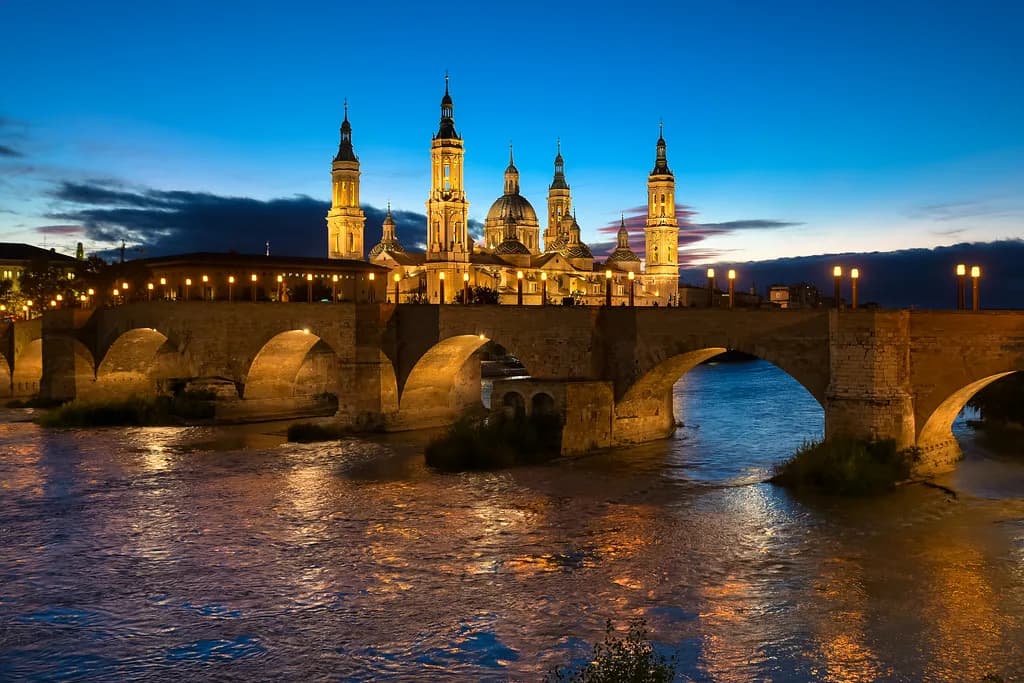
The El Pilar Basilica and the old town provide a stunning backdrop for processions. The city's tourism office can provide maps and schedules. Also, if you're lucky to be in town during October, don't miss the [Fiestas del Pilar in Zaragoza] for another grand celebration.
What to Eat During Holy Week
During Holy Week, locals indulge in torrijas, a traditional treat made of bread soaked in milk or wine, then fried and coated with honey or sugar. You'll find them in bakeries and some bars throughout the week.
Bars and restaurants along the procession routes fill up quickly, so plan to eat before or after the events. Many places offer tapas and local wines, but remember that some establishments close on Holy Thursday and Good Friday.
Beyond the Processions
Zaragoza offers plenty beyond Semana Santa. The Basílica del Pilar is a must-visit, especially during the October Fiestas del Pilar. The Aljafería Palace, with its stunning Moorish architecture, and the Museo de Goya are other highlights that let you delve into the city's art and history.
If you're visiting in early January, you can also experience the [Three Kings Parade in Zaragoza], another grand civic celebration.
Plan Your Visit
Semana Santa in Zaragoza is a profound experience that blends faith, culture, and local tradition. With proper planning, you can witness some of Spain's most moving processions, taste its seasonal foods, and understand the city's deep-rooted devotion.
Start by checking the official tourism website for the current year's schedule. Then, choose the processions that resonate with you, arrive early, and immerse yourself in the sights, sounds, and scents of this remarkable festival.
Related festival guides
Frequently Asked Questions
How many days in Zaragoza is enough?
To fully experience Semana Santa, plan for at least four to five days. This allows you to attend the opening Pregón, multiple processions including Good Friday's Holy Burial, and still have time to explore the city's landmarks like the Basílica del Pilar.
What is the schedule for Semana Santa in 2026?
The exact dates for Semana Santa vary each year as they follow the liturgical calendar. For 2026, check the official tourism website closer to the date. In 2027, the celebrations are scheduled from March 21 to March 28.
What is not allowed to do during Holy Week?
While processions are open to all, it's important to respect the solemnity. Avoid loud talking, eating, or drinking during processions, and do not obstruct the path. Some cities have restrictions on alcohol sales on Good Friday, so check local laws.
What are the processions during Semana Santa?
These are religious parades where brotherhoods carry floats. They feature drummers, bands, incense, and participants in traditional robes. Each procession tells a part of the Passion story, ending with Resurrection on Easter Sunday.


