Last updated August 2026. Two things decide whether an Arena night goes well, and neither is the opera. The first is which of about eight price sectors you booked, because the Arena's seating runs from unreserved stone to padded chairs twenty metres from the singers. The second is the weather policy — an open-air Roman amphitheatre with a strict no-refund rule, which catches people out every summer. This page covers both properly.
The Sector Hierarchy
The common summary — "stone steps or stalls" — is true but too coarse to book from. The floor alone divides into four named tiers, and the steps divide into numbered and unreserved.
| Sector | Where it sits | Notes |
|---|---|---|
| Poltronissime Platinum | Central seats of the first ~20 rows on the floor | Closest contact with the singers; the top price band |
| Poltronissime Gold | Sides and rear of the Platinum block | Still floor-level and close |
| Poltronissime Silver | Behind the Gold | Floor, further back |
| Poltronissime (standard) | To the sides of the Gold | Floor, angled view |
| Numbered gradinata | Stone steps, reserved position | A specific spot you do not have to queue for |
| Unreserved gradinata | Stone steps, first come | From around €25; arrive ~90 minutes early |
The cheapest tickets in the house are numbered seats in the sixth sector on the steps, which have started from around €20. Poltronissime run to €200 and beyond for premium rows. Prices move between seasons and productions, so take current rates from Fondazione Arena's own rates and sectors page rather than from any secondary listing.
Which Sector Is Actually Best
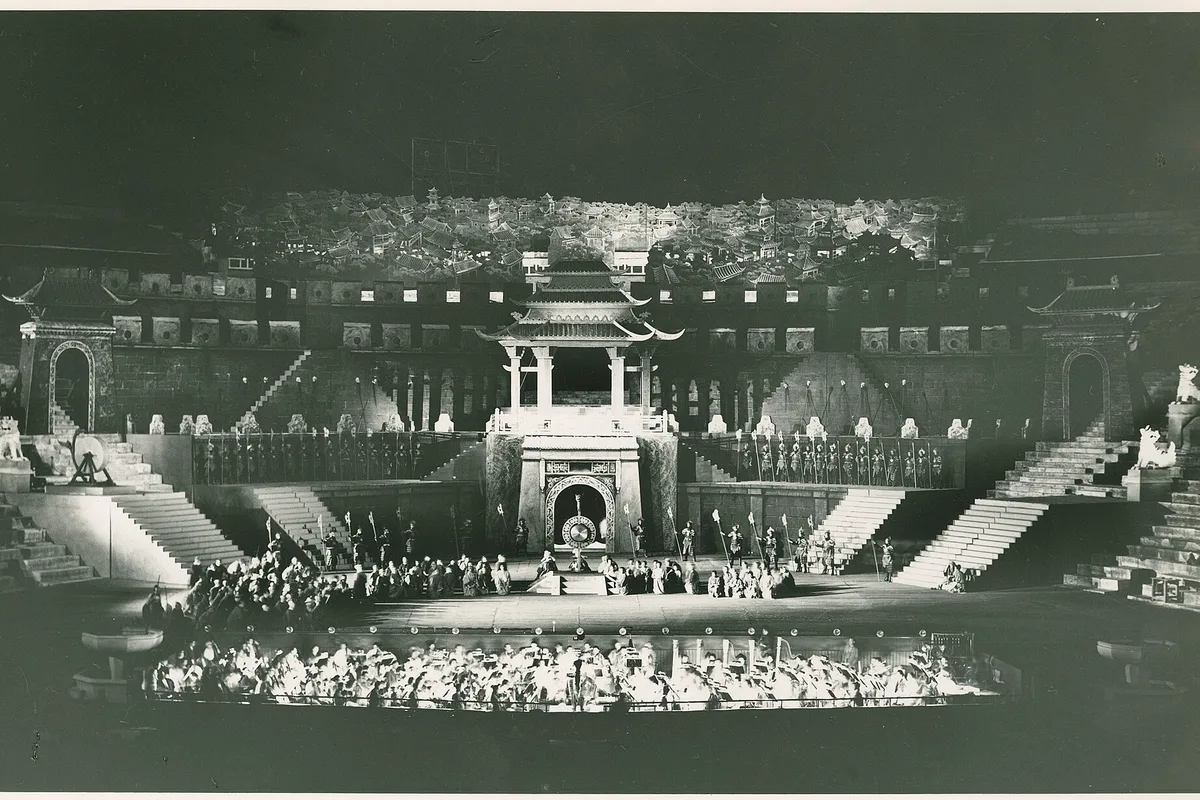
Counterintuitively, the most expensive seats are not the best seats for this repertoire. The Arena stages opera at enormous scale — Zeffirelli's Aida is the signature example — and the productions are designed to be read as a whole picture, with mass choral movement and set pieces filling a stage far wider than a conventional opera house.
From Poltronissime Platinum you get faces, voices and immediacy, and you lose the composition. From a mid-level gradinata position or a higher central spot — commonly in the €50–150 band — you see the stage picture the production was built for. If this is your first Arena night and the spectacle is the point, mid-height beats front-floor at roughly a third of the price.
Gradinata is Roman stone with no backrest, and a full opera runs three hours plus intervals. Cushions are hired on site and every regular takes one. This is not an optional comfort — it is the difference between enjoying Act III and counting the minutes.
The Rain Rule, and Why It Matters
This is the part to read before booking. The Arena is open air, and Fondazione Arena's terms treat the risk of adverse weather as accepted by the audience when they buy.
In practice that means a show is never cancelled before its scheduled start time. If conditions do not allow a performance to begin, the start can be postponed by up to 150 minutes before any cancellation is announced. So a wet evening does not mean going home — it can mean two and a half hours of waiting in the amphitheatre before anything is decided either way.
The refund position is strict and worth stating plainly:
- No refunds before an event, in any circumstances, and no exchange for another date or sector once purchased.
- If a show is suspended after it has started, no refund on the ticket price is issued.
- If it is permanently suspended before the end of Act I, the audience is entitled to buy a ticket of equal or lower category for another show in the running festival for a nominal €2.50.
- If it stops after Act I but does not finish, the entitlement drops to a 30% discount on another festival show.
Those entitlements attach to other performances in the same festival season, which only helps if you are still in Verona. A single-night trip built around one opera carries real weather risk, and no insurance against it from the box office. Check the current terms on Fondazione Arena's own cancellation page before booking.
Where to Buy
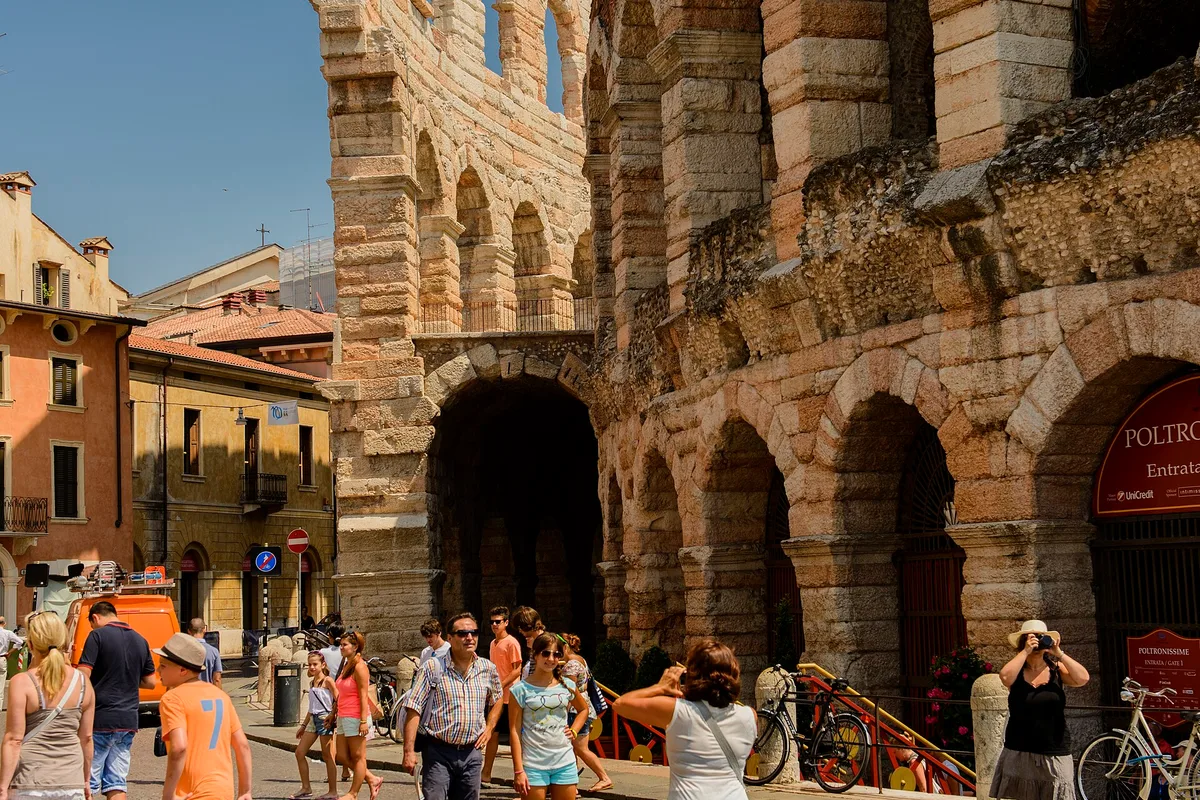
Book through arena.it, the Fondazione's own channel. It publishes the season calendar, the sector map and current rates, and it is the only source that reliably confirms which production plays which night — casts and dates do shift after initial publication.
Third-party resellers list Arena seats extensively and many rank above the official site in search. The risk is not usually fraud but ambiguity: a listing that says "premium seating" without naming the sector can be anything from Platinum to a numbered step, at a markup. Since the sector is the single biggest determinant of the evening, buy where the sector is named.
Given the no-refund rule, book the night rather than the trip: confirm the date on the official calendar first, then arrange travel around it.
Planning the Night
Performances start late and finish later — a summer opera in Verona routinely runs past midnight. Two consequences. Book accommodation you can walk back to; Piazza Bra and the streets around it are the obvious choice, and the premium over an out-of-town hotel is usually less than the taxi and stress of the alternative. And eat before, not after — Veronese kitchens close, and a post-opera dinner is a shorter list than you think.
For the wider season, formats and what a daytime visit to the amphitheatre offers, see the main Arena di Verona guide. The Verona festival calendar covers how the opera season shapes the city's prices, and Vinitaly in April is the other week when Verona is hard to book.
Frequently Asked Questions
What are the Arena di Verona ticket sectors?
The floor divides into Poltronissime Platinum (central first ~20 rows), Gold (sides and rear of Platinum), Silver (behind Gold) and standard Poltronissime (to the sides of Gold). The stone steps divide into numbered gradinata and unreserved gradinata. The cheapest numbered seats, in the sixth sector, have started from around €20.
Which seats are best at the Arena di Verona?
Not the most expensive ones, for most people. Arena productions are staged at enormous scale and designed to be read as a whole picture, so a mid-level gradinata position or higher central spot — commonly €50–150 — shows the composition better than front-floor Poltronissime, at roughly a third of the price.
What happens if it rains at the Arena di Verona?
The show is never cancelled before its scheduled start time. If conditions prevent it starting, the start can be postponed by up to 150 minutes before any cancellation is announced — so a wet evening can mean a long wait rather than an early night. Weather risk is treated as accepted by the audience at purchase.
Can you get a refund on Arena di Verona tickets?
Not before an event, in any circumstances, and tickets cannot be exchanged for another date or sector. If a performance is suspended after starting there is no refund. If it is permanently suspended before the end of Act I you may buy a ticket of equal or lower category for another festival show for €2.50; after Act I, the entitlement is a 30% discount on another show.
Do you need a cushion for gradinata seats?
Effectively yes. Gradinata is Roman stone with no backrest and an opera runs over three hours with intervals. Cushions are hired on site and regular attendees take one as a matter of course.