

Last updated August 2026. Estate Fiorentina is the Comune di Firenze's umbrella for the city's summer culture programme, and its scale is the thing most visitors underestimate. The 2026 edition, titled Giorni d'Estate, gathered 1,268 events from 162 cultural associations across roughly eleven outdoor venues, on a budget of about €1.9 million. It is not a festival you buy a ticket to — it is a four-month season you navigate.
What It Is, and When It Runs
The Comune runs an open call, selects proposals from cultural associations across the city, and publishes the accepted programme as one season. That administrative structure explains the character of the thing: the events inside it share a funding route and a summer, not a curatorial theme. Quality ranges from serious contemporary theatre to a neighbourhood outdoor screening, and the two sit on the same listing.
The 2026 edition ran 1 June to 30 September. Future editions are expected to follow a similar June-to-September window, computed from the recurrence pattern rather than confirmed — the Comune publishes each year's dates, venues and lineup in late spring, and the contents are rebuilt annually. Do not plan around a previous year's programme; almost nothing carries over unchanged.
The Venues Are the Point
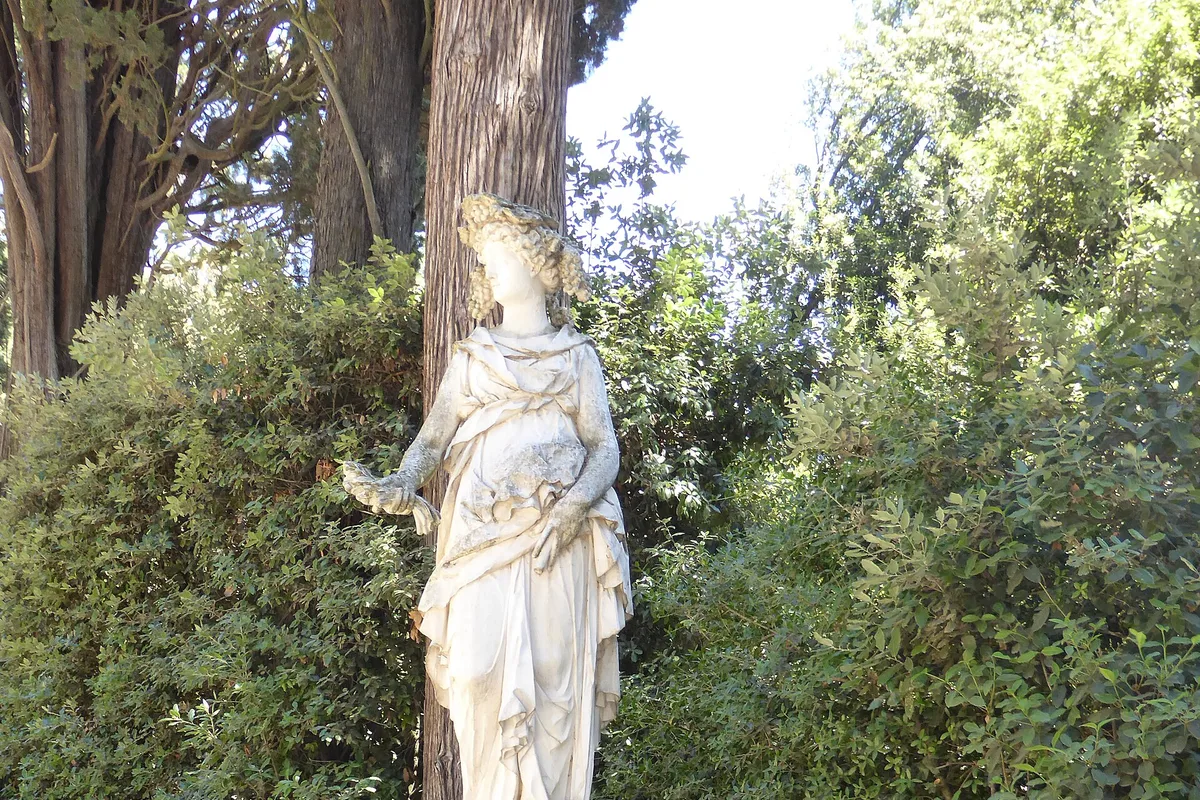
What makes Estate Fiorentina worth engaging with is where it puts you. The programme opens gardens, cloisters and riverside spaces that are either closed or unremarkable the rest of the year, and it pushes programming well beyond the tourist core into neighbourhoods most visitors never reach. Recurring spaces include the Giardino dell'Orticoltura, Le Murate Caffè Letterario, the Giardino delle Rose above the Oltrarno, and the Parco dell'Anconella.
| Venue | Where | Character |
|---|---|---|
| Giardino dell'Orticoltura | North of the centre | Nineteenth-century glasshouse garden; concerts and screenings |
| Le Murate Caffè Letterario | Santa Croce | Former prison courtyard; talks and live music |
| Giardino delle Rose | Oltrarno, below Piazzale Michelangelo | Terraced garden with the city view |
| Parco dell'Anconella | Outer east | Riverside park, family programming, almost no visitors |
The structure in recent editions has been roughly a hundred dispersed projects, a handful of large thematic events, and around nine distinct festivals sitting inside the umbrella. That last category is where the strongest programming tends to be — the individual festivals have their own identities, curators and ticketing, and are worth seeking by name rather than browsing the master list.
Pricing is mixed and set per event, not centrally. Plenty is free or a few euros; the named festivals inside the programme charge their own admission. There is no pass that covers Estate Fiorentina as a whole, because it is not a single event.
Finding the Current Programme
Because the programme is municipal, use municipal sources. The dedicated site at estatefiorentina.it carries the season's full listing, and Feel Florence, the city's official destination platform, mirrors the highlights in English.
Check the year on whatever page you land on. Listings are organised by edition, and third-party sites recycle old programmes freely — this is the most common way visitors end up planning around events that ran two summers ago. Individual events keep their own ticketing, so once you have identified something, book through that organiser.
How Summer in Florence Actually Works
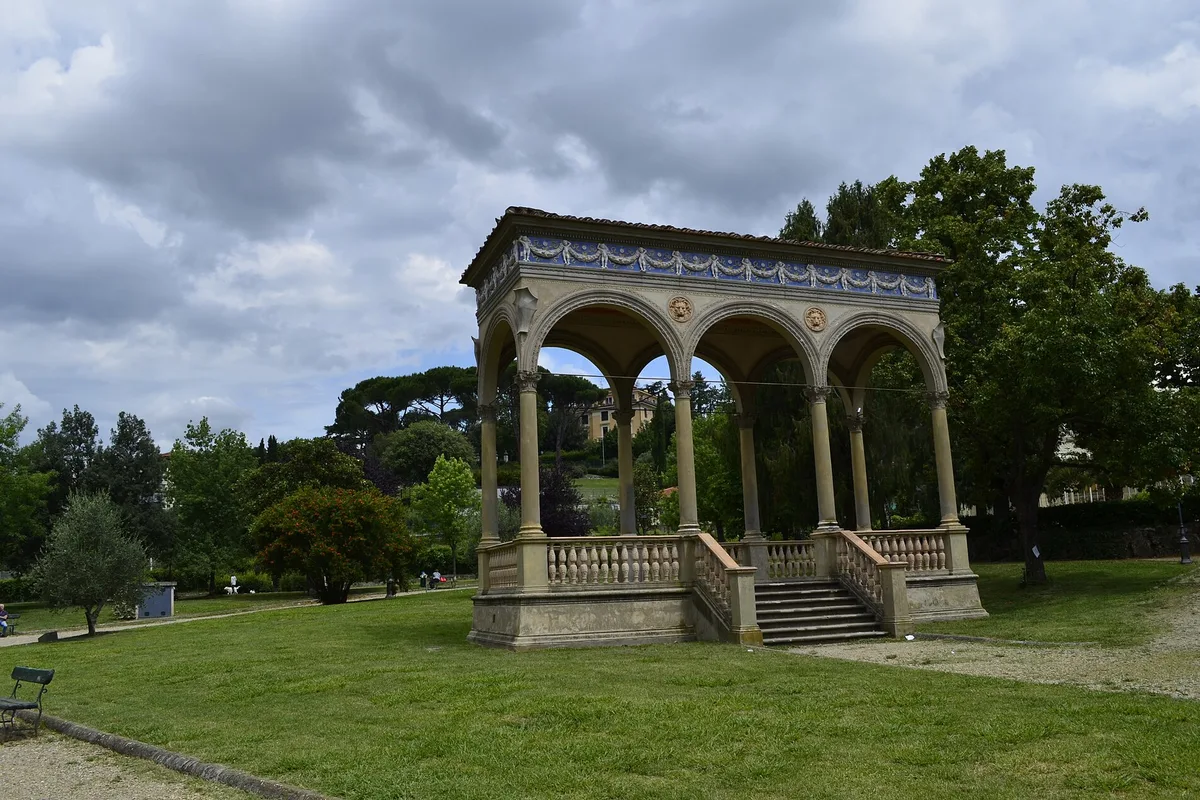
Florence in July and August is hot and extremely crowded, and the Renaissance-sightseeing circuit is at its least pleasant. Estate Fiorentina is the counterweight — it moves the city's cultural life outdoors and into the evening, when the temperature drops and the day-trip coaches have gone. A summer Florence trip built around late dinners and open-air programming is a materially better trip than one built around midday queues at the Uffizi.
The month to be careful with is August, when Italian cities empty around Ferragosto on 15 August and neighbourhood businesses close for a fortnight. Estate Fiorentina keeps running, but the ordinary life around it thins. June and September are the stronger halves of the window — June brings San Giovanni on the 24th and the Calcio Storico final, and September brings the Rificolona on the 7th, in what is comfortably the city's best travel weather. The Florence festival calendar maps the year; Estate Romana and Milan's Estate al Castello are the equivalent programmes if you are comparing cities. The city's formal concert and opera season, the Maggio Musicale Fiorentino, overlaps it from roughly April to June.
Frequently Asked Questions
What is Estate Fiorentina?
It is the Comune di Firenze's umbrella programme for Florence's summer culture season — concerts, theatre, dance, open-air cinema, exhibitions and talks, staged across the city's gardens, cloisters and parks. The 2026 edition gathered 1,268 events from 162 cultural associations.
When does Estate Fiorentina run?
The 2026 edition ran 1 June to 30 September. A similar June-to-September window is expected each year from the recurrence pattern, but the Comune confirms dates and publishes the lineup in late spring, and the contents change completely between editions.
Is Estate Fiorentina free?
Partly. Pricing is set per event rather than centrally — many events are free or cost a few euros, while the named festivals inside the programme charge their own admission. There is no single pass covering the whole season.
Where do Estate Fiorentina events take place?
Across roughly eleven outdoor summer spaces, including the Giardino dell'Orticoltura, Le Murate Caffè Letterario, the Giardino delle Rose and the Parco dell'Anconella. The programme deliberately reaches beyond the tourist core into outer neighbourhoods.
Is summer a good time to visit Florence?
July and August are hot and crowded for sightseeing, but Estate Fiorentina makes the evenings worthwhile. June and September are better: June carries San Giovanni and the Calcio Storico final, September the Rificolona and the city's best weather. Mid-August is weakest, when Ferragosto closures thin out ordinary city life.
