
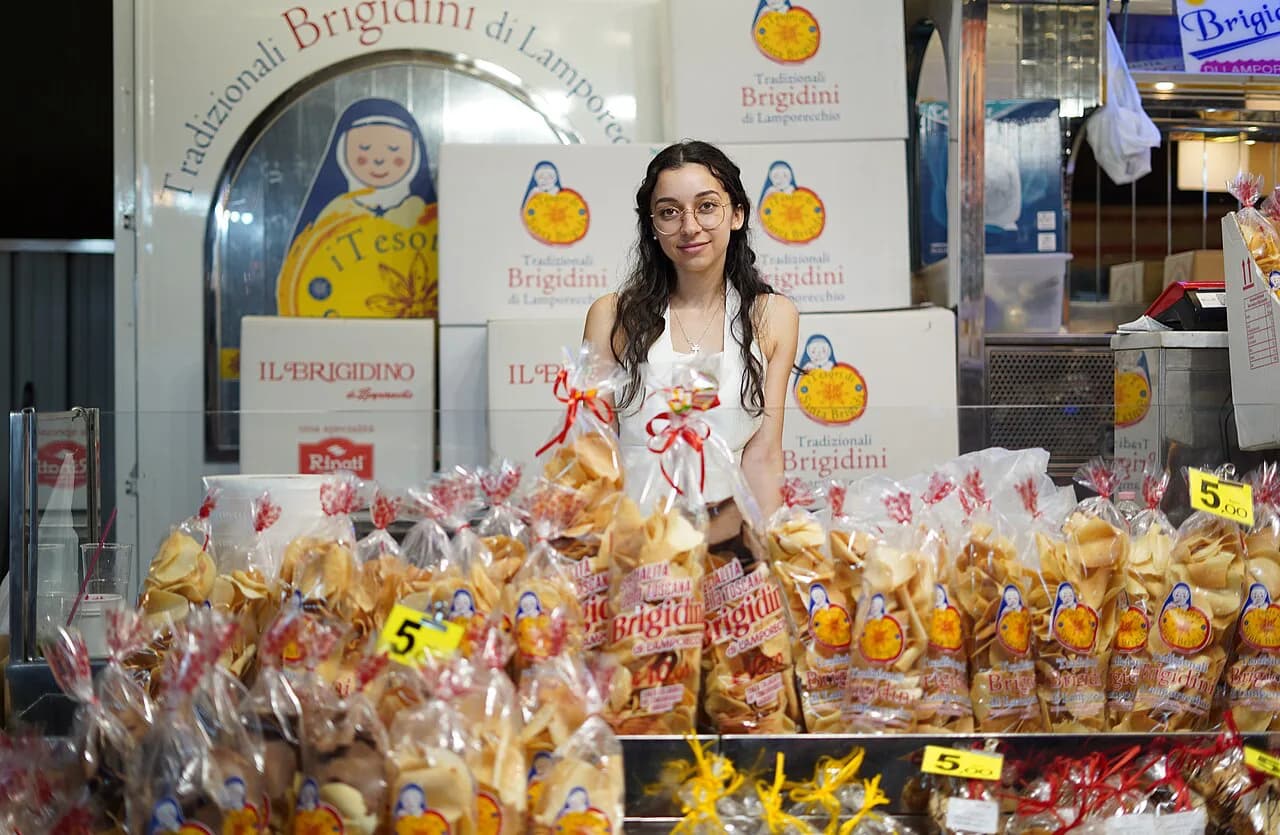
Last updated July 2026, this guide to food festivals in Italy covers the thousands of hyperlocal sagre that never make a top-ten list, alongside the handful of big-ticket fiere that do. Most sagre are volunteer-run events built around one ingredient, while events like Vinitaly and the Alba Truffle Fair run as professional trade fairs with ticketed entry. Below, find the difference between the two, a month-by-month calendar, and the logistics — cash, tickets, and transport — that most other guides skip.
Sagra vs. Fiera: What Actually Separates Italy's Food Festivals
A sagra is a local, volunteer-run event built around one ingredient or dish, usually staged in a village square with paper tablecloths and plastic plates. Professional organizers, ticketed entry, and a commercial calendar that can include international exhibitors mark a fiera or festival instead. Vinitaly and Salone del Gusto sit firmly in the fiera category, while a village's onion or artichoke sagra stays resolutely local. Sagra itself comes from the Latin sacrum, meaning sacred, since these gatherings began as religious festivals honoring a town's patron saint before food took over as the main draw. In December 2025, UNESCO added Italian cuisine to its list of intangible cultural heritage, citing festivals and community gatherings as part of that recognition, and sagre are the clearest everyday expression of it.
How to Find Food Festivals in Italy Yourself
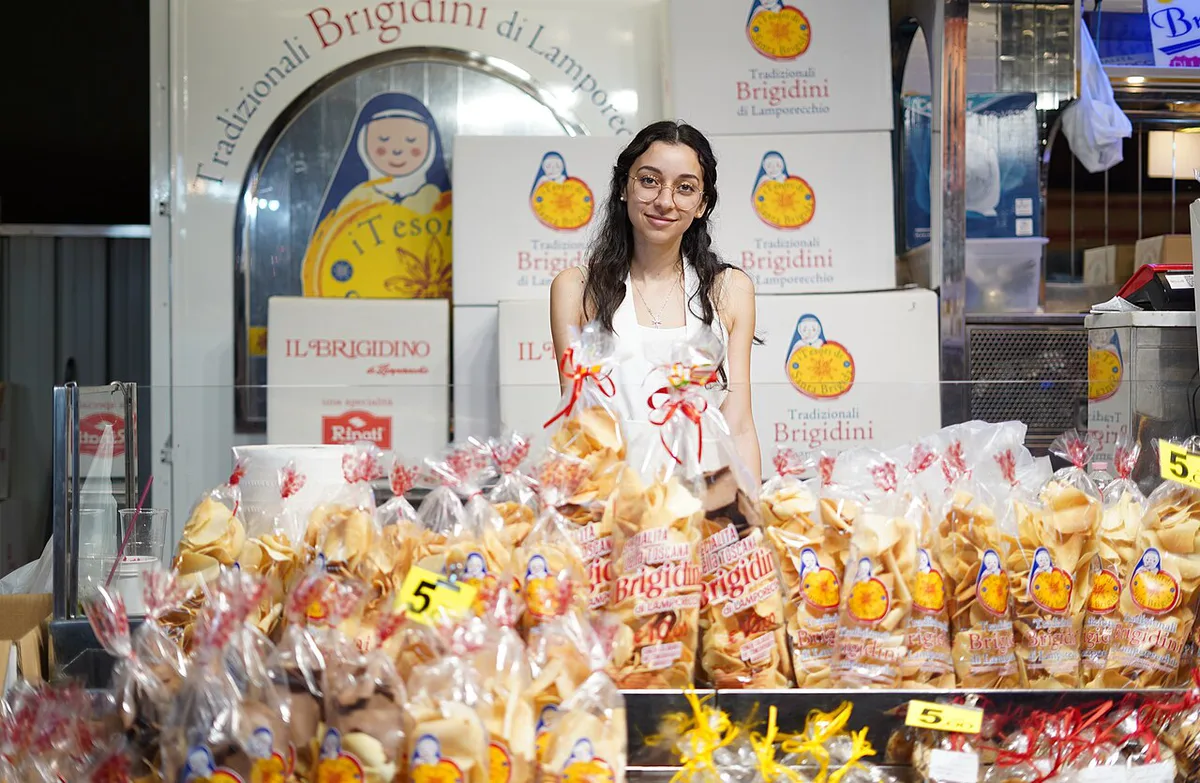
Most guides recycle the same ten famous names, but Italy runs thousands of sagre every year, and most never build a website. Start with a locandina, the paper poster taped to noticeboards, bar windows, and church doors in the town where you're staying. Comune, or town hall, websites and their social media pages typically post the weekend's food events alongside civic announcements. Facebook event pages run by a comune or parish often list a sagra days before it appears anywhere else, since volunteers post digitally once printed fliers go up around town. Regional tourism boards such as Italia.it and Visit Tuscany maintain official event listings with confirmed dates and, where relevant, ticket links. Dedicated sagra-tracking directories aggregate hundreds of these local listings by region and month, which is faster than searching town by town. Asking at a local bar or tabaccheria which sagra is on that weekend often turns up an event no search engine will surface.
A Month-by-Month Calendar of Sagre and Fiere
Sagre cluster around harvests, so the calendar below moves with the seasons rather than the tourist high season. Confirm exact weekends close to travel, since the timings here follow each event's usual recurrence rule rather than an unannounced future date.
Budget travelers favor sagre for their sub-restaurant meal pricing. Ferragosto weekends around 15 August draw peak crowds, so arriving early ensures access before popular dishes sell out.
| Month | Festival & Region | Timing |
|---|---|---|
| January | Sagra della Sfincia di Priescia, Montelepre (Sicily) | 6 January annually |
| February | Carnevale in Venice (Veneto) | Last two weeks of February, before Lent — expected, computed from the recurrence rule since Easter shifts yearly |
| February | Battle of the Oranges, Ivrea (Piedmont) | Sunday through Shrove Tuesday — expected, computed from the recurrence rule |
| February-March | Carnevale in Viareggio (Tuscany) | Ash Wednesday plus 15 days — expected, computed from the recurrence rule |
| March | St. Joseph's Day and zeppole (Campania, Lazio, Sicily) | 19 March annually |
| April | Vinitaly, Verona (Veneto) | Four days in April — expected, computed from the recurrence rule; confirm on Vinitaly.com |
| April | Schiacchetrail, Cinque Terre (Liguria) | 29-mile vineyard race on 2 April or the nearest weekend — expected, per organiser materials |
| May | Porchettiamo, Todi (Umbria) | A weekend in May |
| June-July | Summer fruit and seafood sagre (nationwide coasts) | Weekends through summer |
| August | Peak Ferragosto sagre (nationwide) | Weekends around 15 August |
| September | Vendemmia wine-harvest sagre (Tuscany, Piedmont, Umbria) | Weekends in September |
| October | Alba White Truffle Fair (Piedmont); Eurochocolate (Perugia) | Weekends in October — expected, computed from the recurrence rule |
| November | Olio Nuovo olive-oil tastings and chestnut sagre | Weekends in November |
| December | Panettone and pandoro festivals; Christmas markets | Weekends in December |
Three Big-Ticket Events Worth Planning a Trip Around
The International White Truffle Fair in Alba runs weekend sessions through October in Piedmont's truffle country, an event some call the Olympics of truffles for the scale of its auction and trade. Weekends are expected, computed from the recurrence rule, so confirm the exact October dates before booking flights. Piedmont's truffle season peaks around this fair; see the Alba Truffle Fair guide for hours, access, and what to book ahead. Vinitaly in Verona runs four days every April and is widely cited as the world's largest wine fair, drawing trade buyers, sommeliers, and producers from across the globe. That April timing is expected, computed from the recurrence rule; check Vinitaly.com for confirmed dates and whether public tasting days run alongside the trade sessions. Public visitor days do typically exist for wine enthusiasts, though the exact schedule shifts each year, so confirm before booking travel that assumes full access. Non-professionals should expect a lot of walking between halls, so pack comfortable shoes rather than city sightseeing footwear. Ivrea's Battle of the Oranges reenacts a 12th-century revolt against a local tyrant, when a miller's daughter is said to have decapitated him and sparked an uprising. The fight runs three days, from Sunday through Shrove Tuesday, expected and computed from the recurrence rule tied to the Carnevale calendar. Roughly 500,000 pounds of oranges get thrown over those three days, so spectators who aren't participating should stay inside the marked safe zones. Fuel up on fagioli grassi, salam duja, or toma cheese between rounds, traditional foods sold at stalls around the battle.
- Alba Truffle Fair: Piedmont, weekends across October, built around the region's white truffle auction.
- Vinitaly: Verona, four days every April, the largest wine fair on the trade calendar.
- Battle of the Oranges: Ivrea, Piedmont, three days from Sunday to Shrove Tuesday, roughly 500,000 pounds of oranges thrown.
Regional Flavors and Where Their Sagre Happen
The festival calendar tracks Italy's regional specialties as closely as it tracks the harvest.
- Piedmont: truffles anchor the calendar, from the Alba fair to smaller autumn markets across the Langhe hills.
- Tuscany: Taste brings a professional layer to Florence's Fortezza da Basso for three days toward the end of March, built around tastings and a shopping hall.
- Umbria: the Nero Norcia festival gathers black truffle hunters, IGP prosciutto producers, and cheesemakers at Piazza San Benedetto in Norcia over a late-February-to-March weekend.
- Sicily: sweets and produce lead, from Montelepre's Sagra della Sfincia di Priescia every 6 January to a cannolo festival in Piana degli Albanesi near Palermo in early May and pistachio festivals around Bronte.
Which Festival Fits Your Travel Style
Not every food festival in Italy suits every traveler, so match the event to the trip you actually want.
Vinitaly runs four days every April for wine professionals but typically includes public tastings. Casual visitors must check Vinitaly.com for the exact schedule and current ticket categories before assuming access.
| Traveler Type | Best Pick | Why It Fits |
|---|---|---|
| The professional oenophile | Vinitaly, Verona | Trade access, tastings, and producer contacts at one of the world's largest wine fairs |
| The budget backpacker | Any weekend village sagra | Cash-only plates typically cost less than a restaurant course, and communal tables need no reservation |
| The slow food enthusiast | Harvest-season sagre (vendemmia in September, olive oil in November) | Volunteer-run, single-ingredient events tied directly to that week's harvest |
| Travelers with kids | Carnevale in Viareggio or Venice | Daytime parades, masks, and fireworks are built for spectating, not queuing |
- Sagre sit at the affordable end of Italy's food-festival spectrum: a plate and a glass of wine, paid in cash at the cassa, usually costs less than a sit-down restaurant course in the same town.
- Vinitaly sits at the opposite end, priced and structured like a trade-show pass rather than a day out, so check Vinitaly.com for current ticket categories before assuming it fits a casual visit.
Inside a Sagra: Cassa, Vassoio, and Communal Tables
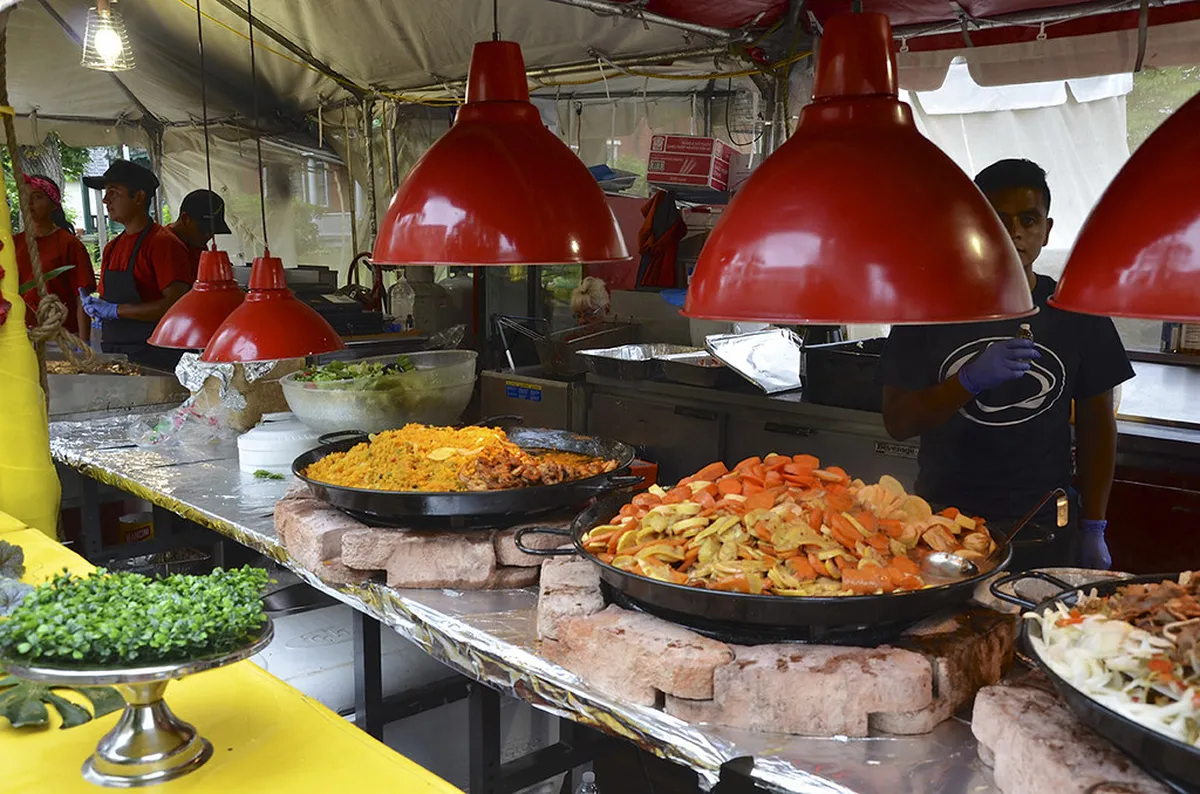
Sagre run on a ticket-first system that surprises first-time visitors expecting table service. Walk to the cassa, a central cash booth, and pay for tokens or a paper ticket before joining any food line. Some larger sagre issue numbered ticket stubs redeemable for a specific course, while smaller ones simply tally the order verbally at the cassa. Hand your ticket to the stall cooking the dish you want, then carry your tray, or vassoio, to one of the long communal tables shared with other families. Bring cash: rural villages rarely have card readers, and the cassa is usually staffed by one or two volunteers who don't handle cards. Lunch service typically starts around 12:30 PM and dinner around 7:30 PM, and arriving close to opening matters because the most popular dish of the day can sell out.
Getting to Rural Sagre Without Your Own Car
Borghi, the small villages hosting the most authentic sagre, often sit off the rail network entirely. A rental car gives the most flexibility for reaching these towns on a festival weekend and getting back afterward. Many rental agencies in Florence, Bologna, or Turin offer weekend pickup timed for Friday afternoon through Monday morning, matching the sagra weekend pattern. Local buses do serve some borghi, but schedules thin out sharply on weekends and evenings, exactly when a sagra is running. Where a village does sit near a rail line, the closest station can still be several miles out, so budget for a short taxi on the way back. Check the comune or regional transit operator's site for the return schedule before committing to a village without a car, since missing the last bus back can strand you overnight.
Mistakes That Ruin a First Sagra Visit
A few repeat mistakes separate a good sagra visit from a frustrating one.
- Expecting restaurant service: sagre are self-service, and nobody brings a menu to the table.
- Relying on public transport for a rural village event, then missing the last bus home.
- Skipping cash entirely and assuming a card works at the cassa, then finding the nearest ATM is a village away.
- Ignoring the zero-km rule: order the specific ingredient the sagra celebrates instead of a broad menu, since that's what the volunteers specialize in that weekend.
Building a Culinary Itinerary Around Sagra Season
A trip built entirely around big cities misses most of what Italy's food calendar offers. Pair a few days in Rome, Florence, or Bologna with a weekend detour to a nearby village sagra timed to the local harvest. Vendemmia weekends in September and truffle weekends in October both work well as add-ons to a Tuscany or Piedmont base. Sagra season winds down into panettone and pandoro festivals each December, alongside Italy's Christmas markets guide, so a winter trip can chase both traditions in the same regions. Ferragosto weekends in mid-August draw heavy local crowds to sagre, so book accommodation early if that stretch anchors the trip. Building the itinerary around one or two big-ticket fiere, plus two or three sagre discovered locally after arrival, balances planning certainty with the spontaneity that makes sagre worth the detour in the first place.
What to Eat During Carnevale and St. Joseph’s Day
Italy’s late-winter festivals feature regional fried sweets rather than one national Carnevale specialty. In Venice, look for frìtole, soft fritters traditionally made with raisins and pine nuts. Bakeries and temporary stalls sell them throughout the Carnevale period.
In Tuscany, the equivalent is cenci, thin strips of dough fried until crisp and dusted with sugar. Similar pastries have different regional names, including chiacchiere in Lombardy and bugie in Piedmont. Their availability follows the period before Lent, so dates shift with Easter.
St. Joseph’s Day brings zeppole on 19 March, especially in Campania, Lazio, and parts of Sicily. The best-known version uses choux pastry topped with custard and a sour cherry. Fried and baked versions are both common.
Visit an established pasticceria early in the day for the widest selection. Festival stalls are convenient, but local bakeries usually show the clearest regional differences in fillings, dough, and preparation. Autumn is the densest stretch of the sagra calendar; the Italian autumn season covers the season in full.
For trip-planning details, see Food Festivals and Sagre in Italy official source and Slow Food Italy.
Continue planning with 15 Best Festivals in Italy: The Month-by-Month Event Calendar.
Frequently Asked Questions
What's the difference between a sagra and a food festival in Italy?
A sagra is small, local, and volunteer-run, built around one ingredient, while a festival or fiera like Vinitaly is larger, commercial, and often ticketed. Both fall under the broader umbrella of food festivals in Italy, but they suit different kinds of trips.
When is the best time for food festivals in Italy?
Weekends between August and October carry the highest density of harvest-season sagre, while Carnevale in February and Vinitaly in April add two more entry points. Winter brings panettone and pandoro festivals alongside Italy's broader Christmas markets season.
Do you need cash at an Italian sagra?
Yes, since rural sagre rarely have card readers, and the cassa, where you pay before queuing for food, is typically cash-only. Carry small bills, because a single volunteer often works the till and can't always make change.
How do you find small-town sagre that don't have a website?
Look for a locandina, the paper poster towns tape up in squares, bar windows, and near the church, listing that weekend's event. Comune websites, regional tourism boards such as Italia.it, and a quick question at the local bar all surface events that never reach a search engine.
Is Vinitaly open to non-professionals?
Vinitaly is primarily a trade fair for the wine industry, so most days target professionals, sommeliers, and producers. Check Vinitaly.com for whether public tasting days are offered that year before planning a non-trade visit.
What should you order at a sagra?
Order the specific ingredient or dish the sagra is named for, since that's what the volunteer kitchen has spent the morning preparing. A cherry sagra's pasta special will outshine anything off-theme on the same menu, so skip a generic pizza stall and follow the name on the banner.
Can you visit more than one sagra in a single weekend?
Yes, many regions cluster two or three sagre on the same weekend within a short drive of each other. Check listings for nearby towns before committing to just one, since a truffle sagra and a wine sagra sometimes overlap in the same valley.

