

Last updated July 2026. The Alba Truffle Festival turns Piedmont's hill country into a working truffle market every autumn, on weekends from early October through early December. The fair anchors the Italian autumn food calendar, covered alongside the harvest and the sagre in autumn in Italy. Its formal name, the International Alba White Truffle Fair, centers on Tuber magnatum Pico, the white truffle that draws buyers and cooks to the Cortile della Maddalena. This guide covers the weekend-only market hours, the fair's folklore events, and the logistics of basing yourself in Alba or the surrounding Lower Langa hills.
What Is the Alba Truffle Festival, and When Does It Run?
Alba's main truffle market, the Mercato Mondiale del Tartufo Bianco, opens only on Saturdays and Sundays. Miss that detail and a midweek stop in Alba turns into a walk past a locked courtyard. Vendors set up inside the Cortile della Maddalena, where a commission of experts checks every truffle before it goes on sale. Alba sits on the right bank of the Tanaro river, at the center of the wider Langhe and Monferrato wine country. Giacomo Morra introduced the first truffle exhibition at Alba's 1928 Harvest Fair, and a standalone Truffle Fair followed in 1929. A local newspaper, the Gazzetta d'Alba, described that first fair as a display of 'this truly exquisite product with its delicate scent and beauty' on dedicated benches in the same courtyard. That event became a national fair in 1963 and took its International name in 2007. Fieradeltartufo.org, the organiser's official site, confirms this edition runs October 10 to December 6. Expect the same pattern in most future years. The market itself runs weekends only, from early October into early December. Treat that window as likely until the organiser confirms exact dates for the next edition. Buyers and chefs travel from outside Italy for the market's peak weekends, drawn by the truffle's short autumn season. Running across two months, the fair is one of the longest single events among Italy's major food festivals, most of which last a single weekend.
Inside the Alba White Truffle World Market
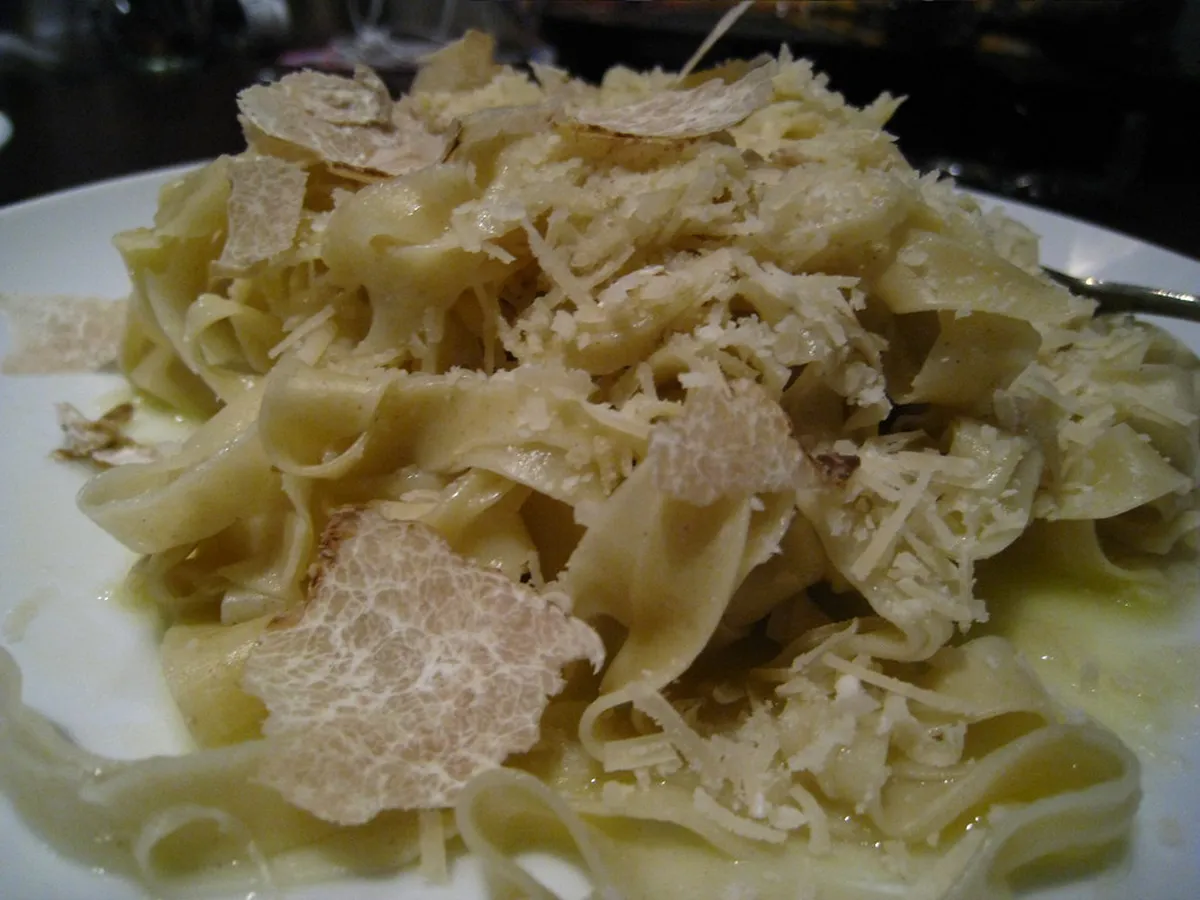
Dozens of vendors lay out truffles inside the Cortile della Maddalena, ranging from small pieces to specimens the size of a large potato. Smelling every truffle is free, and vendors expect visitors to lean in and ask. Buying is priced by weight, so confirm the per-gram rate before it goes on the scale. A commission of experts inspects everything sold at the market, checking firmness, an unbroken skin, and a strong earthy scent as signs of quality. A separate Alba Truffle Kids program runs during the fair for younger visitors, keeping the main market geared toward serious buyers and browsers. Around the truffle stalls, other vendors sell what the fair calls truffle-adjacent products:
- Truffle-infused cheeses and cured meats
- Truffle salt and truffle oil
- Truffle sauces and chips
- Truffle gin
Folklore and Fixed Events Around the Fair
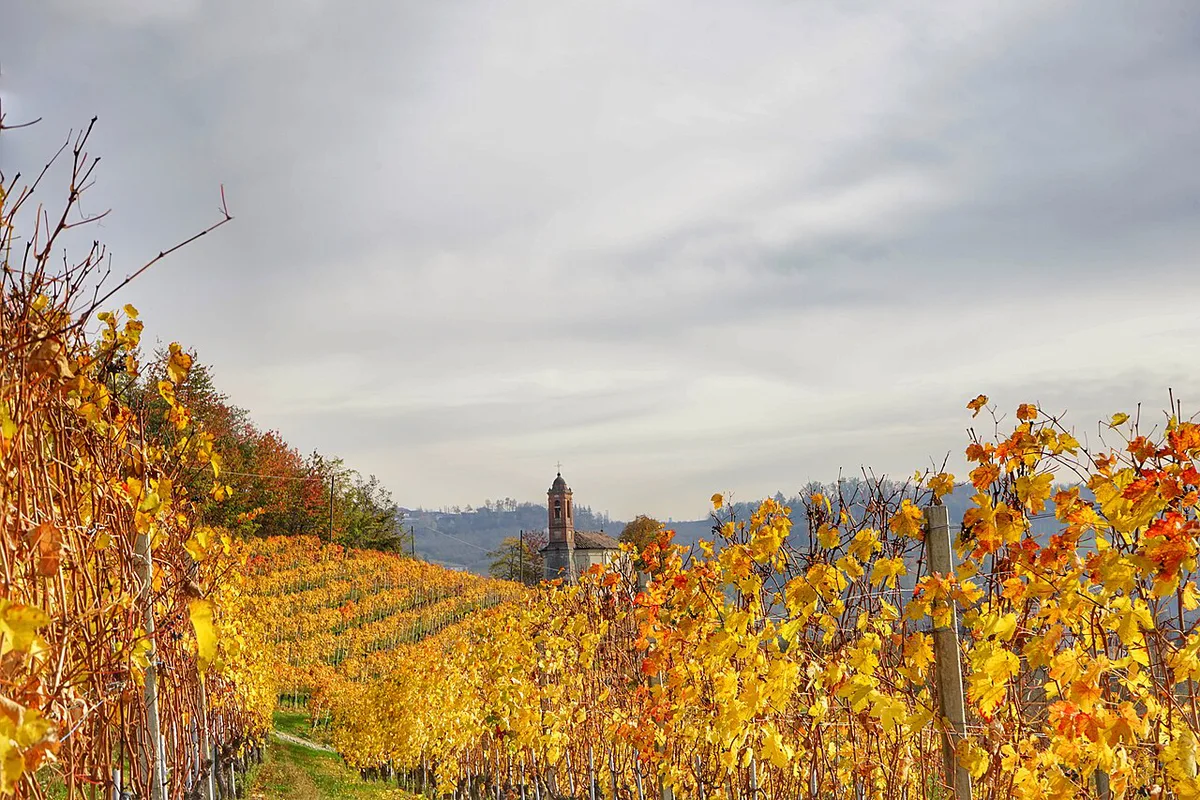
Fixed events repeat every year alongside the market itself. The Investiture of the Podestà opens the season with a medieval reenactment. Village representatives in period costume bring offerings to the Signora d'Alba before the Podestà's formal investiture. La Bela Trifulera, a beauty contest started in 1945, names a Queen of the Langhe who serves as the fair's promotional face for the following year. The Palio degli Asini, or Donkey Derby, runs on the first Sunday of October. Villages draw their donkeys that morning. A costumed medieval parade follows in early afternoon, and the race itself closes the day. The event is also known as the Giostra Cento Torri, a name it took in 1952. Local legend traces the race to 1275, when Alba organized a mocking counter-derby with donkeys after losing a war with Asti. Today the Palio also marks the fair's ceremonial opening. After dark, the Truffle Bacchanal turns the old hamlets into an open-air gathering, with games and dishes drawn from medieval street life. Alongside these fixed events, the fair layers in gatherings with international chefs, tastings, and debates on Langhe food culture, most of which run by appointment only.
Planning Your Time: A Weekend Blitz or a Longer Langhe Stay
How much time to plan depends on what matters most to the trip. A single day covers the market and one folklore event, as long as it lands on a Saturday or Sunday. That single day works best on the first Sunday of October, the only date the Palio degli Asini runs each year. Three days makes room for truffle hunting and a Barolo or Barbaresco tasting in the Lower Langa without rushing. Either version of the trip should build around whichever Saturday or Sunday it already includes, since the market never opens on other days. Because the fair's run ends in early December, its final weekends fold in a Nativity Nights program before closing out, timed close to when Italy's Christmas markets open in nearby cities.
| Trip Length | What's Open | Best For |
|---|---|---|
| 2-day weekend | Truffle World Market, Palio degli Asini (first Sunday of October only), Truffle Bacchanal | Visitors who want the full market and folklore in one trip |
| 4-day Langhe stay | Market on the weekend days, plus wineries, truffle hunting, and the WiMu Wine Museum on other days | Wine-focused travelers combining the fair with Barolo and Barbaresco |
| Weekday-only visit | Shops, restaurants, and truffle-adjacent food stores stay open; the main market stays closed | Travelers who can't get a weekend slot but still want the town |
Tickets, Hours, and Costs at the Truffle Fair
Fieradeltartufo.org sells tickets online and posts the current events calendar directly. Booking before the early-bird cutoff on September 7 costs less than paying at the gate, so lock in a date once the season's calendar goes live. Smelling truffles at the market stays free even without a ticket. Cooking shows and fine aperitif experiences sit alongside dedicated taste workshops, including sessions on the sensory analysis of truffles. A guided tour and lunch at the Castle of Roddi is one of the ticketed add-ons, alongside a brunch at the castle's Taste Lab hosted by Chef Luigi Taglienti. Other bookable experiences include dinners with visiting chefs, a private Up Close with the Chef session, hands-on cooking classes, and an Alta Langa sparkling-wine aperitif. A separate seminar covers Barbaresco and other wines made from the Nebbiolo grape. Several of these, including the private chef session and the Taste Lab brunch, are limited-capacity events that can sell out ahead of the weekend. Since the Mercato Mondiale del Tartufo Bianco runs Saturdays and Sundays only, build any bookable extras around whichever weekend already anchors the trip.
September 7 marks the early-bird booking deadline for the October 10 to December 6 fair. Since limited-capacity chef tastings sell out ahead of weekends and the market runs Saturday–Sunday only, align your planned 2-day or 4-day visit with early ticket and experience bookings.
Where to Stay: Alba City Center vs the Lower Langa Hills
Alba's city center sits within walking distance of the Cortile della Maddalena and the train station, so no car is needed for the market weekend. Inside Alba itself, the Cathedral of St. Lawrence the Martyr and the Chapel of Saint Sebastiano Martyr sit an easy walk from the market. So does the Santa Maria Maddalena Church, useful for filling time between bookings. The town's historic core also holds a centuries-old cedar of Lebanon tree. That convenience has a cost: rooms fill up and prices climb as the fair's busiest weekends approach, especially around the Palio degli Asini in early October. Basing yourself in the Lower Langa instead, in towns like Neive or La Morra, trades walkability for vineyard views and quieter evenings. Evenings in the hills also tend to be calmer than Alba during the fair's peak weekends, without the crowds around the Cortile della Maddalena. A car becomes necessary for the drive into Alba on market days. Most of the fair-linked wineries and farms sit in this same hill country. They include Baron's Estate in Narzole, Cascina Sòt in Monforte d'Alba, and Sylla Sebaste and Borgogno Rivata near Barolo and La Morra.
Getting to Alba: Turin, Milan, and the Langhe Roads
Turin sits about an hour from Alba by road, making it the closer of the two main gateway cities. Milan is roughly two hours away, still workable as a day trip for visitors based there for a wider Italy itinerary. Alba's train station sits close enough to the market that arriving by rail avoids the need for downtown parking during the fair's busiest weekends. Once inside the Lower Langa, distances between towns are short, but public transit thins out fast outside Alba itself. That gap is a major reason a car matters for anyone staying in the hills rather than in town.
Beyond the Market: Exploring the Langhe Region
Neive holds its own weekly market on Wednesdays, smaller and calmer than Alba's weekend crowds. In Barolo, the WiMu Wine Museum traces the history of Nebbiolo-based wines, including Barolo and Barbaresco. The Seven Brothers Cliffs offer one of the region's natural landmarks outside the vineyard circuit. For a different vantage on the vineyards, Aeronord Aerostati flies hot-air balloons over the Langhe, launching from towns including Barolo and Vignale. For a hands-on look at the fair's namesake product, the Associazione Trifulau Colline di Langa runs bookable simulated truffle hunts with trained dogs, available year-round when weather allows. Wine producers across Monforte d'Alba and Dogliani, including Moscone Winery, Broccardo, and Cà Neuva, add further tasting stops for a Barolo-and-Barbaresco itinerary. Restaurants across the Lower Langa serve tajarin, the region's thin egg pasta, often finished simply with butter and shaved truffle in season.
Mistakes to Avoid at the Alba Truffle Fair
A few recurring mistakes turn an otherwise well-planned trip into a frustrating one, especially for first-time visitors juggling the market's weekend-only hours with a wider Langhe itinerary.
- Booking accommodation late: rooms in Alba and the surrounding Langhe often fill six or more months before the fair's busiest weekends.
- Expecting the market on a weekday: the Mercato Mondiale del Tartufo Bianco stays closed Monday through Friday, even though shops and restaurants keep normal hours.
- Buying from uncertified street vendors: truffles sold outside the commission-checked stalls at the Cortile della Maddalena carry no quality guarantee.
For trip-planning details, see Fiera Internazionale del Tartufo Bianco d'Alba official source and Comune di Alba.
Continue planning with 15 Best Festivals in Italy: The Month-by-Month Event Calendar.
Frequently Asked Questions
How much time should you plan for the Alba Truffle Festival?
Budget one full day for the Truffle World Market and a folklore event like the Palio degli Asini. Extend to three days to add truffle hunting and a Barolo or Barbaresco tasting in the Lower Langa.
Is the Alba truffle market open every day?
No. The Mercato Mondiale del Tartufo Bianco opens only on Saturdays and Sundays during the fair's run. Shops, restaurants, and truffle-adjacent food stores in Alba stay open on weekdays, but the main market does not.
When does the Alba Truffle Fair happen?
The organiser confirms this edition's dates as October 10 to December 6 on its official site, fieradeltartufo.org. The same weekends-in-fall pattern is expected to repeat in future years, with exact dates confirmed closer to each season.
Should you stay in Alba or in the Langhe hills?
Alba's city center works well for skipping a rental car and walking to the market. Staying in the Lower Langa, in towns like Neive or La Morra, suits travelers who want vineyard views and don't mind driving in on market days.
How do you get to Alba for the truffle fair?
Turin is about an hour away by road, and Milan is roughly two hours away. Both work as gateway cities for a trip centered on the fair.
Is it worth buying truffles at the market, or just browsing?
Buying makes sense if fresh truffle will be used within a few days, since its aroma fades quickly. Browsing and smelling costs nothing, and vendors are used to questions from browsers who haven't decided yet.

