

Last updated August 2026. Christmas markets in Italy split into two distinct traditions: Germanic-style Alpine villages in South Tyrol and Trentino, and artisanal, nativity-focused fairs further south. This guide ranks all ten by region, food, and travel logistics, because the honest answer to whether they're worth a trip depends on which tradition you're chasing.
Christmas Markets in Italy at a Glance
Is a trip built around Christmas markets in Italy worth it? Yes, if you match the market to the trip you want. Alpine craft villages, food-focused piazzas, and nativity workshops in the south each deliver something different, rather than one uniform experience everywhere. South Tyrol's Alpine markets open first, typically from late November, while most of Italy's mercatini follow the Advent-to-Epiphany pattern and run through 6 January. The same 6 January that closes the markets opens Italy's carnival season, so the two never overlap and a single winter trip has to pick one. That recurrence is set by the calendar rather than any single announcement, so treat specific 2026 opening and closing dates as expected until each town's tourism office confirms them. December 8, the Feast of the Immaculate Conception, is a national holiday and functions as the informal start of the season across the country, even where a market's official run began earlier in November. For how the markets sit alongside the rest of the month — the closures, the 7 December events in Milan, and the pricing windows — see the December guide.
| What to know | Details |
|---|---|
| Typical season | Alto Adige markets from late November; most of Italy runs Advent to 6 January (Epiphany) |
| Informal start date | December 8, the Feast of the Immaculate Conception |
| Alpine hub cities | Bolzano, Merano, Trento, Bressanone |
| Urban hub cities | Milan, Verona, Florence |
| Southern highlight | Naples' San Gregorio Armeno nativity-figure workshops |
North vs South: Choosing the Right Italian Christmas Market
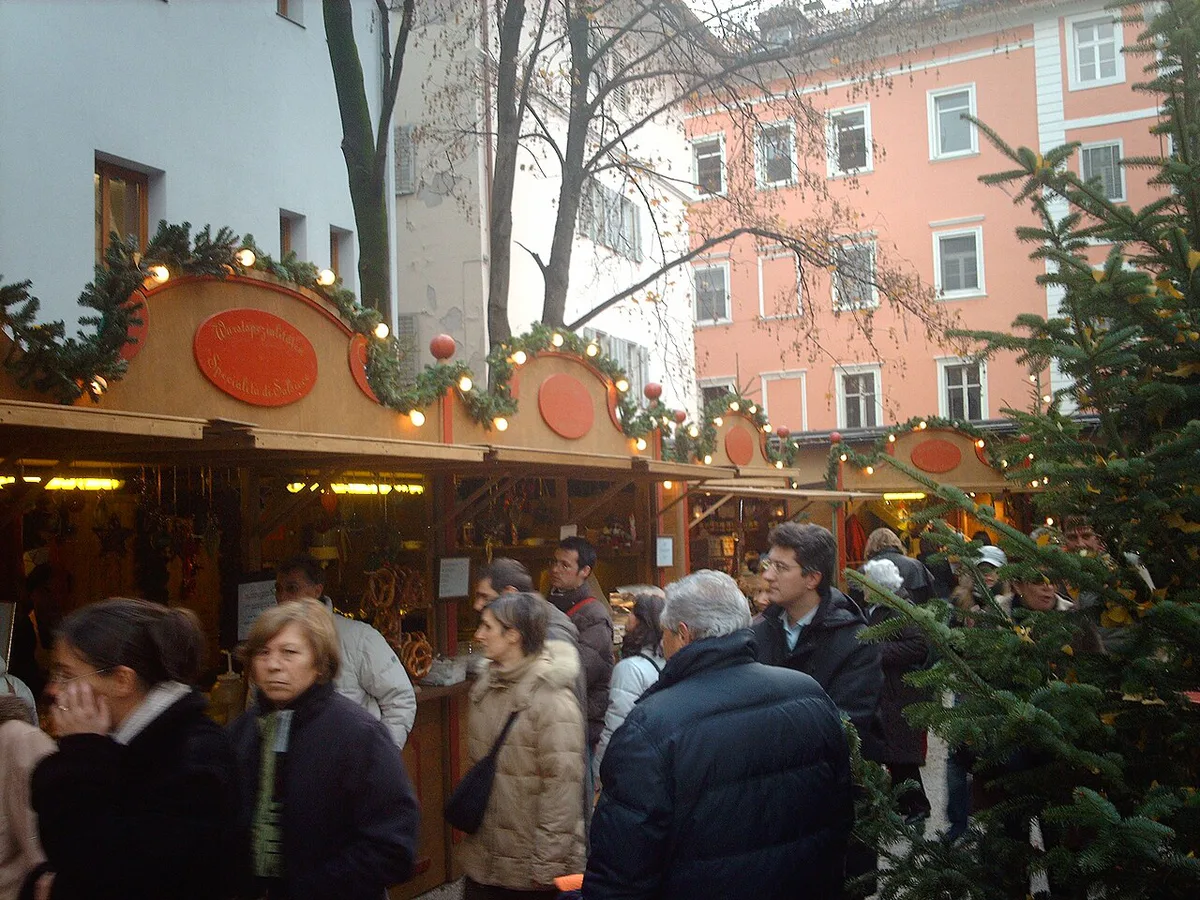
The counterintuitive part: Italy's most Christmas-market-like markets, wooden chalets and mulled wine included, sit in South Tyrol and Trentino, the Alpine region bordering Austria. The rest of the country builds its own traditions rather than copying them. Naples and the south take a different path entirely, built around presepi, the elaborate nativity scenes carved year-round on streets like San Gregorio Armeno. Tuscany and Piedmont sit in between, pairing a Tyrolean-style village import in Arezzo with home-grown culinary events in Asti.
While Alpine markets run through 6 January, Naples' Santa Claus Village ran only December 8 through 21 and Arezzo through December 28—showing how dramatically southern market seasons differ from Alpine traditions.
| Best for | Pick this market |
|---|---|
| Foodies | Trento, for Bombardino, tortel di patate, and Cesarine cooking classes |
| Families | Bolzano, for its scale plus pony rides and a mini train |
| Traditional crafts | Bressanone, South Tyrol's oldest town, for gingerbread and hand-carved ornaments |
| Nativity tradition | Naples, for the San Gregorio Armeno presepi workshops |
| First-time city hoppers | Milan or Verona, both reachable by high-speed rail |
10 Best Christmas Markets in Italy to Visit This Winter
The ten markets below span every major Italian Christmas tradition, from Alpine glühwein stalls to Neapolitan nativity workshops. Each entry lists the core piazza, standout food, and the closest transport hub, so you can slot it into a realistic route.
- Bolzano — Piazza Walther, South Tyrol's Largest Market
- Piazza Walther hosts South Tyrol's largest and most traditional market, with around 70 stalls of crafts, cookies, and decorations, per Cesarine's guide to the season.
- Recent seasons added pony rides, puppet shows, a mini train, sleigh rides, and a carousel alongside the usual Italian and Austrian food stalls. Its most recently confirmed edition ran November 28 through January 6 and closed on December 25; treat the same window as expected for the next edition until Bolzano's tourism office confirms it.
- By train it's a 1.5-hour ride from Verona; by car, plan roughly 3 hours from Milan or 4 hours from Florence.
- Merano — Riverside Stalls in a Spa Town
- Merano's market runs along the Passirio river promenade and through the historic spa-town center, about 30 km from Bolzano and roughly a 40-minute train ride away.
- Expect gingerbread, festive wreaths, kaiserschmarren, and handmade goods from local bakers, plus open fires, ice skating, and baking workshops for kids.
- Its 2025-2026 edition ran the same November 28 to January 6 window as Bolzano's; expect a similar span for the next season pending official confirmation.
- Trento — 'City of Christmas' Food Halls
- Trento markets its holiday season as the City of Christmas, spreading stalls across Piazza Fiera, Piazza della Mostra, Piazza del Duomo, and a kids-focused market at Piazza Dante; a Christmas train also connects stops around town for anyone who'd rather ride than walk.
- Piazza Fiera is the largest and best for food, with ceramic nativity sets, hand-blown glass ornaments, polenta, cheeses, and Trentino beer in a commemorative stein. Piazza della Mostra is smaller but sits against the medieval castle, and its specialties include Bombardino and tortel di patate, a potato pancake stuffed with speck.
- By train it's under an hour from Bolzano, about 2 hours from Venice, and roughly 2-3 hours from Florence or Milan.
- Bressanone (Brixen) — Hofburg Light Show and Gingerbread
- Bressanone, South Tyrol's oldest town, sets its market in Piazza Duomo, with wooden huts selling artisan crafts and a gingerbread selection that stands out from other Alpine stalls.
- The Hofburg Palace runs a light and music show alongside a merry-go-round and an ice rink, making it one of the more family-friendly Alpine stops.
- Reach Bressanone by train in about 3.5 hours from Milan, or drive around 4.5 hours from the same city.
- Milan — Oh Bej! Oh Bej! and the Duomo Markets
- Milan's main market, Oh Bej! Oh Bej!, sets up around Castello Sforzesco and traces its roots to a market first recorded in 1288, making it one of Italy's oldest.
- A second market runs near the Duomo, where an enormous Christmas tree fills the piazza and the Galleria Vittorio Emanuele II is lit for the season; San Babila's shopping streets sit close by for anyone still finishing a gift list.
- Milan's panettone, the city's signature fruitcake, is worth trying here, and the city works as a rail hub for reaching Verona, Florence, or Bolzano.
- Verona — Piazza dei Signori's Nuremberg-Style Stalls
- Verona's market, modeled on Nuremberg's Christkindlmarkt, sets up in Piazza dei Signori with wooden stalls selling gingerbread, bratwurst, and spiced hot wine.
- It's a newer addition to Italy's mercatini scene, first held in 2007, and pairs with a nativity scene exhibition inside the Verona Arena and an indoor ornament hut for browsing out of the cold.
- Try pandoro, Verona's Christmas cake shaped like a snow-covered tree, and treat the market as one stop within Verona's wider sightseeing, since some visitors find it smaller than Trento or Bolzano.
- Florence — the Weihnachtsmarkt in Piazza Santa Croce
- Florence's German-style Weihnachtsmarkt fills Piazza Santa Croce, setting Alpine-style wooden stalls against Renaissance facades in the historic center.
- It pairs naturally with Arezzo's market, since both sit in Tuscany and are reachable on the same regional-rail day trip.
- Cesarine runs pasta-making classes in Florence if you want a break from stall food between market visits.
- Arezzo — Tuscany's Tyrolean Village
- Arezzo hosts Italy's largest Tyrolean Village, with exhibitors from Tyrol, Austria, and Germany selling crafts, gift items, and local products in Piazza Grande.
- The Big Light Show illuminates Piazza Grande's historic buildings, and the Medici Fortress runs a Santa's House with games and light installations for kids; Cesarine also runs cooking classes in town.
- Its most recently confirmed edition ran November 15 to December 28 on Thursdays through Sundays; expect a similar Thursday-Sunday schedule for the next season pending confirmation.
- Asti — Piedmont's Magical Christmas Village
- Asti's Magical Christmas Village sets up in the town center, with a Living Nativity Scene staged nearby in San Damiano d'Asti in period costume.
- If a trip lands earlier in autumn, Piedmont's Alba Truffle Festival: The Complete Guide to Visiting Piedmont's White Truffle Fair makes a natural add-on before the Christmas season starts.
- Pair the market with regional food stops rather than a standalone visit, since Asti sits at the heart of Piedmont's wine country.
- Naples — San Gregorio Armeno's Nativity Workshops
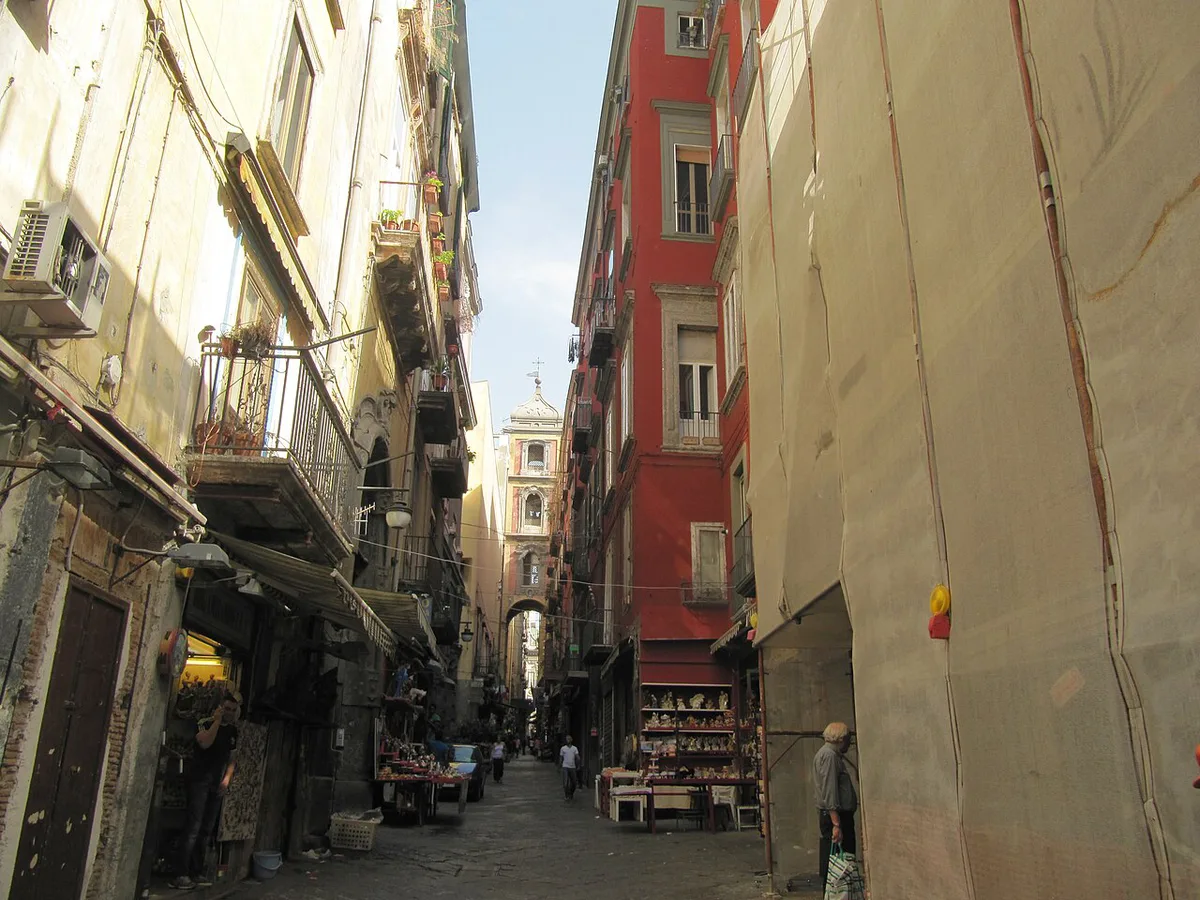
- San Gregorio Armeno is a narrow street of nativity workshops that runs year-round, though its presepi figures and holiday crowds peak in December.
- Artisans carve traditional shepherds and angels alongside figurines of politicians and celebrities from the year's headlines, a local twist that sets Naples apart from every Alpine market on this list.
- Piazza del Plebiscito adds a separate Santa Claus Village that ran December 8 through 21 in the most recently confirmed season, per Cesarine's guide, alongside additional stalls elsewhere in the city.
Traditional Italian Christmas Food and Drink at the Mercatini
Vin brulé, Italy's mulled wine, is the constant across every market, usually served in a souvenir mug that requires a small deposit. Regional specialties change from stall to stall, and each town tends to have one signature treat worth seeking out. For a break from the cold, Cesarine runs cooking classes and food tours near several of these markets. Mountain-region experiences run from about €115 to €147 per guest, and Naples experiences run from about €102 to €153. Naples pairs particularly well with a cooking class after visiting San Gregorio Armeno, and Piedmont's markets connect to the wider Italian food festival calendar if you want a longer culinary trip.
- Vin Brulé
- Italy's mulled wine, served in a mug that requires a small deposit, refunded on return in most towns.
- Zelten
- A dense South Tyrolean fruitcake with dried fruit and nuts, common in Bolzano, Merano, and Bressanone.
- Panettone
- Milan's fluffy, fruit-studded holiday cake, sold fresh at the Duomo and Sforza Castle markets.
- Struffoli
- Naples' fried, honey-coated dough balls, a Christmas table staple sold near San Gregorio Armeno.
- Frittelle
- Verona's sugar-dusted fried dough patty, sold plain rather than filled.
- Bombardino
- Trento's warm egg-liqueur and brandy drink, topped with whipped cream.
- Kaiserschmarren
- Merano's sweet shredded pancake, sold as a warm-up food near the Passirio river stalls.
- Polenta
- A corn-based dish common at Trento's Piazza Fiera stalls, often paired with local Trentino wine.
Getting Around: Car Rental vs High-Speed Rail
Renting a car works best for the Alpine loop between Bolzano, Merano, Trento, and Bressanone, since the highways stay well maintained through December and the towns sit close together. A single rental can cover Bolzano, Merano, and Bressanone in the same trip, with Trento added by a short train ride if you'd rather not drive into its center. High-speed rail is the better call for city-hopping between Milan, Verona, Florence, and Rome, where trains run frequently and parking in historic centers is limited. Parking near Trento's center is available but limited and expensive, so factor in extra time if you're driving in for a single day.
| Route | Best mode | Approximate time |
|---|---|---|
| Verona to Bolzano | Train | 1.5 hours |
| Milan to Bolzano | Car | About 3 hours |
| Florence to Bolzano | Car | About 4 hours |
| Milan to Bressanone | Train | About 3.5 hours |
| Bolzano to Merano | Train | About 40 minutes |
| Bolzano to Trento | Train | Under 1 hour |
| Trento to Venice | Train | About 2 hours |
Two Realistic Ways to See Multiple Markets
A South Tyrol Alpine loop by car or train suits a four-to-five day trip: start in Bolzano, add Merano as a short side trip, continue to Bressanone, and finish in Trento. A rail-based city-hop trip suits travelers short on time, since Milan, Verona, and Florence connect by high-speed train without needing a rental car.
- South Tyrol Alpine loop (car or train)
- Covers Bolzano, Merano, Bressanone, and Trento in about four to five days, with hops of 40 minutes to just under an hour between towns.
- High-speed rail city-hop
- Links Milan, Verona, and Florence, each a few hours apart by train, without requiring highway driving in winter.
Opening Hours, the Mug Deposit, and Typical Costs
Hours follow a weekly pattern more than a fixed schedule, and they vary by market. In recent South Tyrol seasons, craft stalls ran Monday to Thursday from 11 a.m. to 7 p.m., and Friday through Sunday and holidays from 10 a.m. to 7 or 8 p.m., per Italia.it's market listings. Food stalls stayed open later throughout, often until 9 p.m. on quieter days and 10:30 p.m. on weekends, so check each market's official site before planning an evening visit. Hot drinks like vin brulé usually come in a souvenir mug backed by a small deposit, typically just a few euros. Return the mug at the same stall to get the deposit back, or keep it as a souvenir if you'd rather skip the line. Entry to the markets themselves is free, and a vin brulé or pretzel from a stall runs a few euros, well under the €102-to-€153 range Cesarine lists for a sit-down cooking class, so the markets stay an affordable add-on to a Christmas trip.
| Day | Craft stalls | Food stalls |
|---|---|---|
| Monday-Thursday | 11 a.m. - 7 p.m. | Until 9 p.m. |
| Friday-Sunday and holidays | 10 a.m. - 7 or 8 p.m. | Until 10:30 p.m. |
Common Mistakes to Avoid at Italy's Christmas Markets
Most planning mistakes come from applying Northern European assumptions to a country where the tradition varies sharply by region.
December 8, the Feast of the Immaculate Conception and the informal market season start, also triggers ponte weekends that draw heavy domestic travel, so book high-speed rail seats well in advance. The markets are one act of a three-part season — how winter runs in Italy covers the January lull and the Carnival weeks that follow them.
- Expecting a German market in the deep south
- Naples and Puglia lean on nativity crafts and regional food rather than Alpine glühwein stalls.
- Don't expect Bolzano's wooden-chalet format to repeat further south.
- Assuming every market runs through December 25
- Most markets close on Christmas Day itself, even when their overall season runs into early January.
- Check each town's calendar before planning a December 25 visit.
- Not booking trains ahead for ponte weekends
- Long holiday weekends around December 8 and New Year, known locally as ponte weekends, draw heavy domestic travel.
- Book high-speed rail seats for those dates well in advance.
- Arriving after dark expecting full stalls
- Craft stalls often close by 7 or 8 p.m., well before food vendors wind down.
- Arrive while it's still light if browsing crafts is the priority.
For trip-planning details, see Christmas Markets in Italy official source and Südtirol regional tourism board.
Continue planning with 15 Best Festivals in Italy: The Month-by-Month Event Calendar.
Frequently Asked Questions
What is the best Christmas market in Italy for families?
Bolzano is the strongest all-around pick, since recent seasons added pony rides, a mini train, sleigh rides, and a carousel alongside the main craft stalls. Bressanone's ice rink and merry-go-round are a close second if you're already routing through South Tyrol.
Are Italian Christmas markets open in January?
Yes, most run through 6 January, the Epiphany, before closing for the season. Confirm exact closing dates with each market's official site, since a handful of towns wrap up in late December instead.
Is a car necessary for the Dolomites markets?
No. Train service connects Bolzano, Merano, Trento, and Bressanone directly, with rides as short as 40 minutes between Bolzano and Merano. A car adds flexibility for stopping in smaller towns, but it isn't required for the main Alpine loop.
How many Christmas markets can you realistically see in one trip?
Three to four markets in a week is realistic if you base yourself in South Tyrol and add one or two cities by train. Trying to cover all ten markets in this guide in a single trip leaves very little time at each stop.
Do Christmas markets in southern Italy look different from the Alpine ones?
Yes, significantly. Naples centers on presepi, the nativity figures carved year-round on San Gregorio Armeno, rather than the wooden-chalet format found in Bolzano or Trento.
What is the mug deposit at Italian Christmas markets?
Hot drinks are served in a souvenir mug backed by a small deposit, typically just a few euros. Hand the mug back at the same stall for a refund, or keep it if you'd rather have the souvenir.
Autumn and Winter Food
Truffle season, sagre and the Alpine Christmas markets, in the order they happen.

