

Last updated August 2026. Italy in September blends the grape harvest with milder weather than August. Prices and demand often stay high, creating a second peak rather than a quiet shoulder season. This guide breaks down regional weather, the vendemmia calendar, and which festivals are worth building a trip around.
Italy in September at a Glance
September sits between summer and autumn, and Italy in September reflects that mix. Warm days, cooler nights, and a slow shift from beach crowds to harvest crowds define the month. Treat it as a second peak rather than a true lull, since demand for hotels and tours often rivals midsummer.
- Weather ranges from 59°F to 82°F (15°C to 28°C), warmest in the south and coolest in the Dolomites.
- Sea water stays swimmable south of Rome, along the Amalfi Coast, and around Sicily and Sardinia.
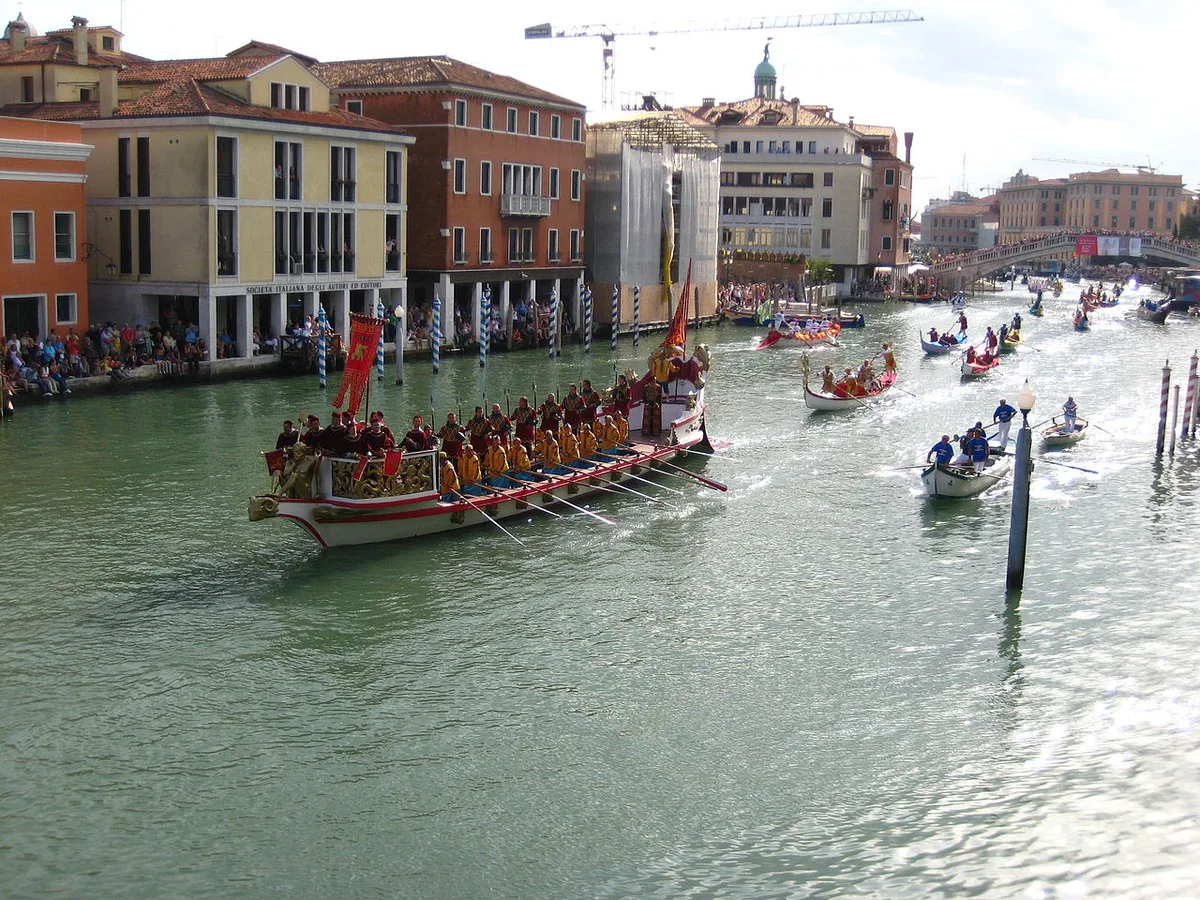
- Major events include Venice's Regata Storica, Lucca's Luminara di Santa Croce on September 13, and Naples' Feast of San Gennaro on September 19.
- Crowds run high through the first two weeks, then ease noticeably after mid-month.
- Vineyard tours, Venice hotels, and major museum tickets need booking well ahead of arrival.
Weather in Italy in September, Region by Region
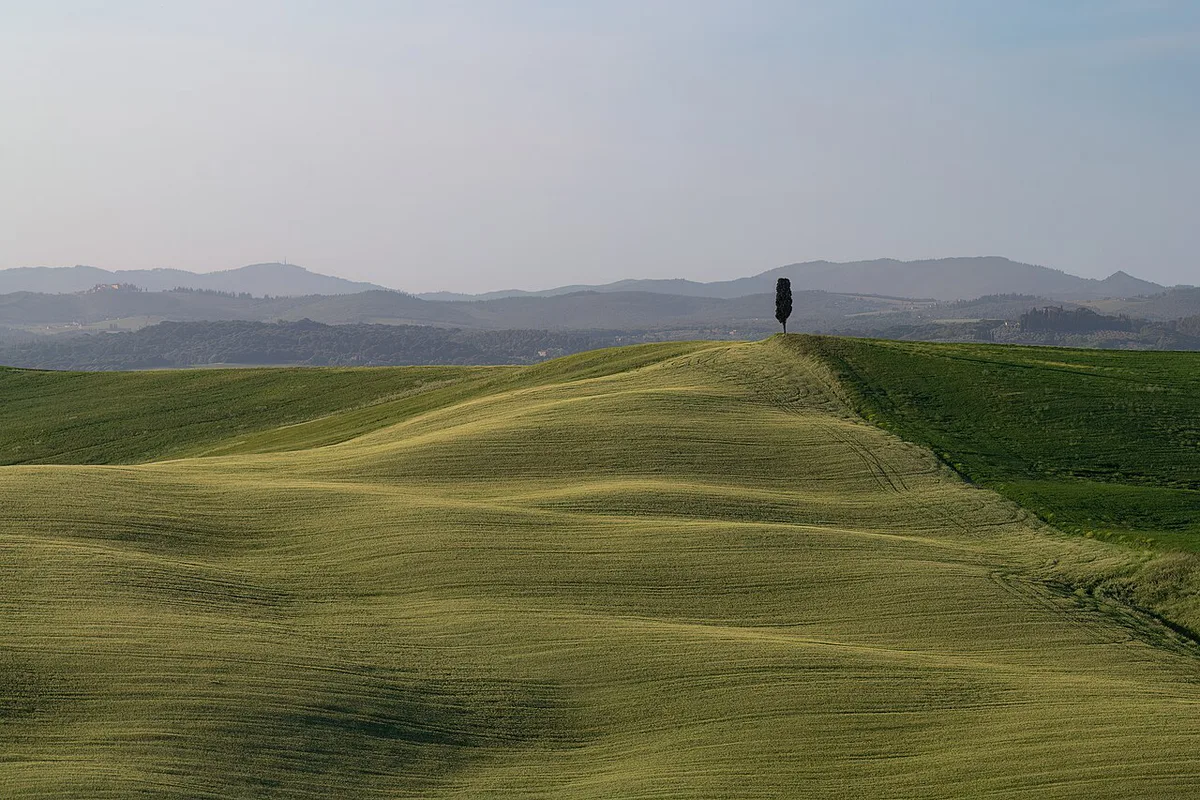
Temperature and rain risk shift sharply from north to south this month, so plan by region rather than by country. Northern cities run coolest, with rain becoming more likely as September ends. Central Italy stays warm enough for full-day walking without midsummer heat, and Rome's evenings cool down enough for extended walking tours without the afternoon fatigue of July and August. Florence typically holds stable, dry weather through most of the month, with occasional light showers possible by late September. Venice sees humidity drop noticeably compared with summer, and lagoon breezes make walking the narrow streets more comfortable. Southern Italy and the islands hold onto summer the longest, with sea temperatures still warm for swimming well into the month. Sardinia's beaches stay busy too, since the sea keeps its summer warmth for weeks after the mainland cools. Italy's official tourism portal frames September as the handoff month between beach season and the harvest calendar. For a full month-by-month comparison across the year, see Italy's month-by-month travel guide.
Southern Italy maintains 66°F–82°F (19°C–28°C) temperatures throughout September, keeping sea water swimmable when northern regions' alpine lakes and lagoons cool rapidly by month's end.
| Region | Typical Temperatures | Swimmability | Relative Cost |
|---|---|---|---|
| North (Milan, Venice, Dolomites) | 59°F–75°F (15°C–24°C) | Lagoon mild early month; alpine lakes cool fast by late September | Highest around Venice and Lake Como |
| Central (Rome, Florence, Tuscany) | 59°F–81°F (15°C–27°C) | Not a beach region; best for walking and vineyard visits | Moderate to high during harvest weeks |
| South & islands (Naples, Puglia, Sicily) | 66°F–82°F (19°C–28°C) | Sea stays warm and swimmable through the month | Best relative value, especially inland Puglia |
The Vendemmia: Italy's September Grape Harvest
Vendemmia is the word for Italy's grape harvest, and September is when it hits full swing in most wine regions. Small towns turn picking days into shared events that often end in long lunches for pickers and guests. Tuscany's Expo Chianti Classico, held in Greve in Chianti, pairs tastings with vineyard tours during harvest weeks. Piedmont, Veneto, and parts of Sicily run their own harvest tastings around the same period. Lake Garda hosts a truffle and wine festival in late September, pairing tastings with lake views near the Dolomite foothills. Bologna and the wider Emilia-Romagna region run their own sagre around balsamic vinegar, tortellini, and other local specialties during the same weeks. Contact wine estates directly and book well ahead, since small producers cap visitor numbers during active picking. Popular estates in Chianti and Piedmont often fill their September slots months ahead, because harvest work takes priority over hosting during peak picking days. Truffle season runs later in the calendar. Check Alba's truffle season guide for its own autumn dates.
- Tuscany: Chianti Classico harvest, centered on Greve in Chianti.
- Piedmont: Barolo and Barbera harvest tastings.
- Veneto: Prosecco-region harvest events near the Dolomites foothills.
- Sicily: Nero d'Avola harvest, paired with late-summer beach days.
Best Places to Visit in Italy in September
Several fixed events anchor a September trip, though exact dates deserve a check closer to travel. Venice hosts the Regata Storica, a costumed boat parade and race down the Grand Canal. It typically runs on the first Sunday of September. That date is expected, computed from the event's usual recurrence pattern, rather than confirmed until organizers post the coming edition's calendar. Venice Film Festival opens on the Lido in early September, adding a second wave of visitors on top of the regatta crowd. Naples marks the Feast of San Gennaro on September 19, when crowds gather at the Naples Cathedral for the saint's blood ritual. Food stalls, music, and fireworks fill the streets around the cathedral that evening. Lucca lights the Luminara di Santa Croce on September 13, a candlelit procession honoring a relic called the Volto Santo. A second procession, the Volto Santo Festival, follows the next night. Hiking trails in the Dolomites give way to early autumn color as the month goes on. Mountain huts generally stay open, though cable car and lift schedules deserve a check before finalizing a route. Amalfi Coast towns hold onto warm swimming and boat-tour weather through most of September, before ferry frequencies start easing toward October. Cinque Terre's cliff trails also turn more comfortable once the summer heat backs off, and the Ligurian Sea stays warm enough for a swim. Sicily's Valley of the Temples turns brutal in August heat, but September's milder mornings make walking the ruins comfortable again. For the year's full lineup, check Italy's festival calendar. Crowds from the Ferragosto holiday period have mostly gone home by now, replaced by a different kind of demand. The Italian National Tourism Agency keeps a national events calendar useful for confirming exact festival dates each year.
The Feast of San Gennaro on September 19 falls after mid-month when crowds ease, unlike earlier festivals during the first two weeks' peak conditions.
Costs and Crowds in Italy in September
September has become a second peak, not a quiet shoulder season, and prices often reflect that shift. Flights and hotels can price close to July and August levels, particularly during the first two weeks and around the Venice Film Festival. Check current listings directly, since exact rates shift by year and by booking window. Tickets for Milan's Last Supper and Florence's Uffizi Gallery remain essential to book ahead. Reserve both as soon as travel dates are fixed, and check official ticketing sites for current availability. Italians call the return to work and school after summer the rientro. Some family-run restaurants stay closed for a final break into early September, then reopen as the rientro settles the city's rhythm. Ferry frequencies on the Amalfi Coast and the northern lakes typically start easing toward the end of September, so check current operator schedules before locking in day-trip plans. Travelers stretching a trip into autumn can compare notes with the Italy in October guide for how pricing and crowds shift the following month.
| Region | Relative Cost This Month | Why |
|---|---|---|
| Puglia & Calabria | Lower | Fewer big-name draws keep demand, and prices, more moderate. |
| Tuscany hill towns | Moderate to high | Harvest season pushes demand at boutique estates and agriturismi. |
| Venice & Lake Como | Highest | Film festival week and lake-house season overlap in the same weeks. |
What to Pack for Italy in September: The 10-Degree Swing
September swings roughly 10 degrees Fahrenheit between afternoon and evening, so layering matters more than any single item. Bring lightweight linen or cotton for daytime and a packable layer for cooler nights, especially in the north. Evening lows commonly dip to 59°F–63°F (15°C–17°C) in Rome, Florence, and Venice, cool enough to want a light layer at outdoor dinners. Cobblestones stay slick when it rains, so trade sandals for sneakers or leather loafers with real grip. Northern itineraries benefit from a compact umbrella. Southern and island stops still call for high-SPF sunscreen and a swimsuit.
- Lightweight linen or cotton layers for daytime heat.
- A packable jacket or scarf for evenings, especially north of Rome.
- Sneakers or leather loafers instead of sandals for wet cobblestones.
- A compact umbrella for northern Italy's late-month rain risk.
- High-SPF sunscreen and a swimsuit for the south and islands.
Mistakes to Avoid in Italy in September
A few assumptions trip up first-time September visitors.
- Assuming beaches empty out: weekends still draw local crowds through the month.
- Skipping small, family-run wineries' posted hours: many close for a few days during active picking.
- Keeping midsummer dinner timing: sunset shifts earlier through September, so restaurants and photo plans should move earlier too.
- Arriving without pre-booked tickets for the Colosseum, Uffizi, or Last Supper: September demand still fills time slots.
- Booking a Dolomites hike without checking lift closing dates, since some cable cars begin shutting down for maintenance as the month ends.
- Planning December-style souvenir shopping too early: Italy's Christmas markets season is still months away.
How to Find a September Sagra or Harvest Event
Small-town harvest festivals rarely appear on major booking sites. Search for sagra, festa dell'uva, or vendemmia with the town or province where you will be staying. The local Pro Loco association is often the best source. These volunteer groups organize many village events and publish programs on their websites or social channels.
Check regional tourism calendars as well. Visit Tuscany, Piemonte, Veneto, and Sicily tourism offices usually list larger food and wine events. Greve in Chianti's Expo Chianti Classico is a useful example of a harvest-season event with organized tastings. Smaller sagre may only announce their menu and opening hours a few weeks ahead.
- Confirm the exact date and whether tastings require a reservation.
- Arrange a designated driver or use a taxi after vineyard visits.
- Carry cash, as village food stalls may not accept cards.
Expect communal tables, regional dishes, and limited English outside major destinations. Arrive early for evening events, especially on Saturday, when parking and seating can fill quickly.
Frequently Asked Questions
Can you swim in Italy in September?
Yes, especially south of Rome. Sicily, Sardinia, and the Amalfi Coast keep warm sea temperatures through most of the month, making swimming comfortable well past the first days of September.
Is Italy crowded in September?
Yes, particularly in the first two weeks. September has become a second peak rather than a quiet shoulder season, with couples and long-stay travelers replacing the family crowds of August. Crowds ease noticeably after mid-month.
Is September cooler than August in Italy?
Yes, and notably less humid. Afternoon highs drop a few degrees compared with August, and evenings feel distinctly cooler, especially in northern cities like Milan and Venice.
When is the Regata Storica in Venice?
It typically runs on the first Sunday of September. That date is expected, computed from the event's usual recurrence pattern, rather than confirmed until Venice publishes the coming edition's calendar.
Do you need to book tickets in advance for Italy in September?
Yes, for major sights. Milan's Last Supper and Florence's Uffizi Gallery still fill their timed slots in September. Reserve as soon as travel dates are set and check official ticketing sites for current pricing.
Is the Amalfi Coast still good for boat tours in September?
Yes, and it is one of the better windows. Sea conditions stay warm and settled through most of the month, while crowds have thinned from the August peak. Ferry frequencies begin easing toward the end of September, so book boat tours earlier in the month where possible.