

Last updated August 2026. The best time to visit Italy depends on your priorities: mild weather, lower prices, or full beach access. Spring and fall bring the clearest balance of comfortable temperatures and manageable crowds, while summer and winter each trade convenience for festivals, warm seas, or empty museums.
At a Glance: The Best Time to Visit Italy
Most travelers get the best results in Italy during May, June, September, or October, when temperatures stay comfortable and crowds haven't peaked. Budget-focused trips do better from November through February, as long as you skip the week around Christmas and New Year. Beach-focused trips should target late June through August, when the sea is warm enough to swim across most of the coastline. Italy's official tourism portal frames this same shoulder-season window as the easiest way to see popular sites without the heaviest crowds.
- The sweet spot: May, June, September, and October combine daytime highs of about 20-29°C (68-85°F) with manageable crowds.
- Best for budget travel: November through February, outside the week around Christmas and New Year, when flights and hotel rates drop the most.
- Best for beaches: late June through August in the north and center, stretching into September and October in Sicily and Puglia.
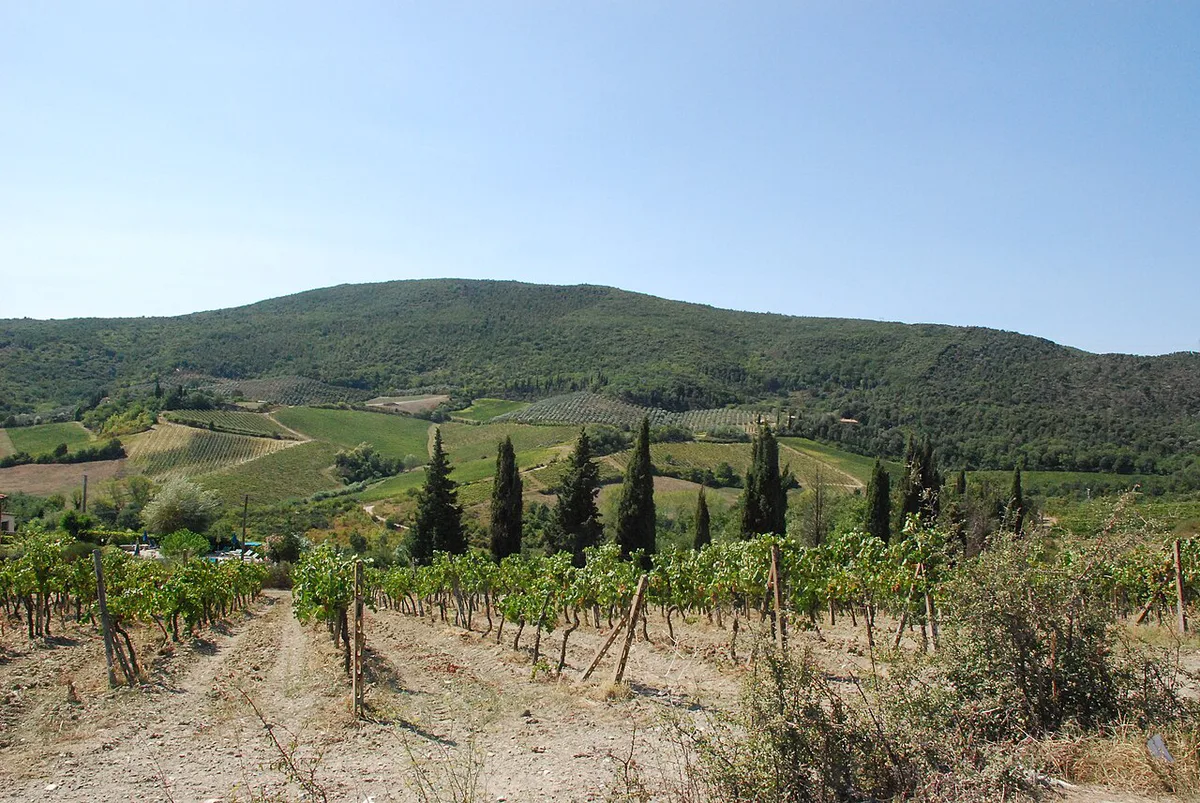
Season Comparison: Weather, Crowds, and Cost at a Glance
The table below summarizes Italy's four seasons using typical daytime highs, overnight lows, and general crowd and price patterns. Use it as a starting point, then adjust for the region you're targeting, since the north and south diverge sharply in temperature and rainfall. Italy's national tourism agency also encourages spreading visits across more of the year, easing pressure on the cities that see the heaviest summer crowds.
| Season | Typical Daytime High | Typical Overnight Low | Crowd Level | Price Level |
|---|---|---|---|---|
| Spring (Mar-May) | 17-24°C (62-75°F) | 7-13°C (45-55°F) | Moderate, rising toward May | Moderate |
| Summer (Jun-Aug) | 29-35°C (85-95°F) | 18-21°C (65-70°F) | Peak | Peak |
| Fall (Sep-Nov) | 18-29°C (65-85°F) | 7-18°C (45-65°F) | Moderate, easing after October | Moderate |
| Winter (Dec-Feb) | 13-14°C (55-58°F) | 2-4°C (35-40°F) | Low | Low |
Spring in Italy (March to May): Mild Days and Building Crowds
March opens cool and quiet, with daytime highs near 17°C (62°F) in most cities and few crowds at major sights. Wildflowers appear across the countryside by April, when highs reach about 20°C (68°F), though rainfall picks up in several regions. May closes out the season with highs near 24°C (75°F) and the year's first real crowds, especially when Easter and Holy Week fall inside this window. Pack layers and something to cover your shoulders, since many churches enforce a dress code even on warm afternoons. Rain is more common in April than in March across most regions, so pack a compact umbrella alongside warm-weather layers.
Summer in Italy (June to August): Heat, Festivals, and the Ferragosto Factor
June stays warm without the full crush of midsummer, with highs near 29°C (85°F) and long daylight hours for evening sightseeing. July and August push highs toward 32-35°C (90-95°F) inland, combining the year's largest crowds with the highest hotel and flight prices. Much of the country pauses in mid-August for a national holiday. The Ferragosto holiday empties inland cities as residents head to the coast or mountains, closing many family-run shops and restaurants for one to two weeks. Coastal towns and islands stay open and get busiest through this same stretch, so plan city visits around the holiday rather than during it.
Fall in Italy (September to November): Harvest Season and the Best Shoulder Window
September still behaves like summer across much of the country, with highs near 29°C (85°F) and warm seas along the coast. A September trip captures harvest energy without peak-month pricing. October cools to about 24°C (75°F) on average and brings the vendemmia grape harvest, chestnut roasts, and the start of truffle season in several regions. An October visit also carries a higher chance of rain, particularly in Liguria and along the northwest coast. November turns quieter and cooler, with highs near 18°C (64°F). It's a strong month for museums and hill towns if shorter days don't bother you.
Winter in Italy (December to February): Ski Slopes and Empty Art Cities
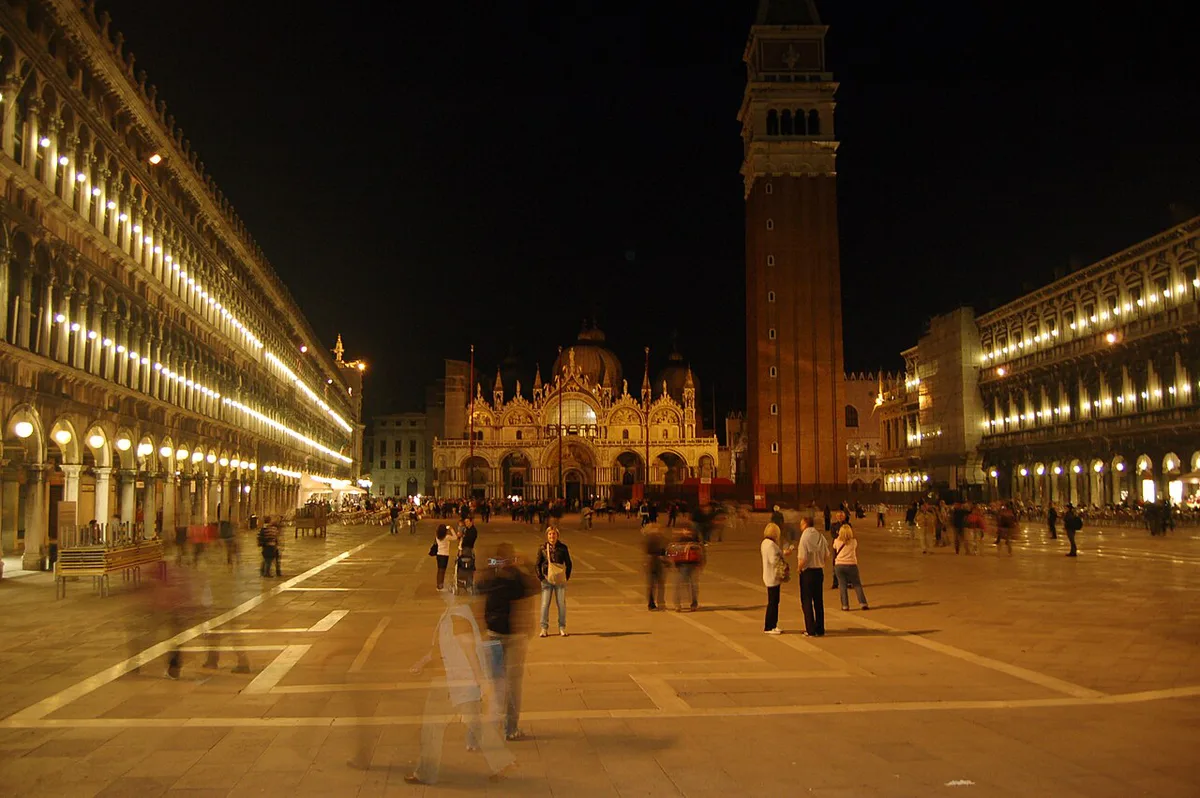
December and January bring the coldest, wettest stretch of the year across much of the country. Highs stay near 13°C (55°F), with short daylight hours. Rome and Florence still reward a winter visit with thin crowds at major museums and shorter lines at ticketed sights. February often turns drier and brighter than the two months before it, with highs climbing toward 14°C (58°F) in many cities. Crowds build briefly around Venice Carnival, even though overall visitor numbers stay low compared with the rest of the year. Up in the mountains, this same window is peak ski season across the Alps and Dolomites.
The North: When to Hike the Dolomites and When to Ski
Winter sports run roughly December through March in the Dolomites, tracking snow conditions at altitude rather than the calendar used in the lowlands. Hiking season depends on the mountain passes reopening each year. Alpine passes typically reopen through May and June as snow clears, opening most high-altitude trails by early summer. Milan runs on a different rhythm than the mountains nearby. Its business calendar, plus fashion and design events, adds crowds outside the usual peak months. Lake Como and the other northern lakes fill up fastest from June through August, when day-trippers from Milan add to weekend visitor numbers.
The Center: Managing Rome, Florence, and Tuscany's Summer Heat
Rome and Florence sit in valleys that trap heat, producing what's sometimes described as a stone oven effect through July and August. Daytime highs regularly pass 32°C (90°F), and narrow streets hold that warmth well into the evening. Save walking tours for before 10am or after 5pm. Use shaded courtyards or museums during the hottest midday hours. Tuscany's hill towns run several degrees cooler after dark, making a countryside base a practical way to handle the same heat wave. Coastal Tuscany towns catch afternoon sea breezes that make late afternoons more comfortable than inland valleys.
The South and Islands: Sicily, Puglia, and an Extended Summer
Sicily and Puglia hold warm weather longer than the rest of the country, with swimmable sea temperatures often lasting into October. That extended window makes late September a strong choice for beach time without peak-month prices. Winter here runs milder than the north, though it isn't guaranteed sun. Palermo's wettest months are typically December and January, so pack for rain even on a southern winter trip. Amalfi Coast boat routes wind down as the season ends. Ferry operators including Travelmar and SNAV usually cut back service in late October and resume it in spring. Confirm current 2026 timetables before building a coastal itinerary around them. Beach clubs and seaside restaurants along the Puglia and Sicilian coasts typically stay open later into the fall than those farther north.
Summer heat reaches 32-35°C (90-95°F) inland while the mid-August Ferragosto holiday redirects crowds and residents toward coasts and islands, where family-run businesses stay reliably open. This paradox makes Sicily and Puglia particularly attractive during peak summer despite inland cities being nearly uninhabitable.
Special-Interest Timing: Truffle Season, Opera, and Sagra Festivals
Autumn is prime time for food-focused travel, when village sagra festivals celebrate a single local ingredient, from chestnuts to porcini mushrooms. White truffle season centers on autumn too, and Piedmont hosts the country's best-known celebration. The Alba Truffle Fair runs each fall on dates the organizers confirm annually, so check current listings before booking a trip around it. Opera season in cities such as Verona and Rome typically runs outdoors through summer and moves indoors from fall into spring. Italy's festival calendar is the fastest way to match a trip to a specific event instead of guessing at timing.
Special-Interest Timing: Christmas Markets and Winter Holiday Travel
Holiday travel in Italy runs from early December through Epiphany on January 6, when decorations and market stalls stay up in most cities. Italy's Christmas markets open in late November in some cities and typically run into early January. Rome, Florence, Naples, and Milan all put up public lighting and nativity displays, and evening temperatures drop enough that a proper coat matters even in the south. Early January quiets down fast once markets close, making the second half of the month one of the least crowded stretches of the year. Public transport can run reduced schedules on December 25 and January 1, so confirm holiday timetables before planning day trips.
Planning Logistics: Booking Windows, Transport, and Opening Hours
Book summer accommodation as early as you can. Hotels in popular cities can sell out three to six months ahead for July and August. Winter trips need far less lead time, and rates fall accordingly. A simple double room in a secondary city often runs about €70-90 a night in November, compared with €150 or more for the same room in July. High-speed rail operators Trenitalia and Italo add extra frequencies on peak summer weekends and around the Ferragosto holiday, so book seats ahead rather than counting on walk-up availability. Major sites such as the Vatican Museums and the Uffizi Gallery often trim opening hours in winter months. Confirm current 2026 hours on their official sites before building a day around them.
Mistakes to Avoid When Timing an Italy Trip
A few timing mistakes come up again and again, and most are easy to avoid with a little planning.
- Mid-August is not a normal summer week. Many shops, restaurants, and some hotels close during the Ferragosto stretch, especially away from the coast.
- Assuming southern Italy stays dry and warm all winter is a common error. Palermo's wettest months are typically December and January, and coastal towns can feel damp and windy.
- Treating April, May, September, and October as automatically quiet is outdated. Venice and Rome now see meaningful shoulder-season crowds, and some hotels price these months close to summer rates.
- Booking a coastal ferry itinerary without checking the calendar can strand you. Amalfi Coast routes wind down in late October most years, and services can pause with little notice in bad weather.
Choose Your Month: A Decision Matrix by Traveler Type
Match your travel style to the calendar below instead of defaulting to the obvious summer months.
While May and September maintain comfortable daytime highs of 18-25°C (64-77°F), shoulder-season crowds in Venice and Rome have grown substantially in recent years. Accommodation pricing has also risen toward summer-level rates, contradicting earlier assumptions that these months guarantee affordability and sparse crowds.
- Prioritizing low crowds and lower prices: aim for November, January, or February, skipping the week around Christmas and New Year.
- Wanting to swim in the sea: aim for late June through August in the north and center, or stretch into September and October in Sicily and Puglia.
- Chasing mild weather for walking and sightseeing: aim for May or late September into October.
- Building a trip around food and wine: aim for late September through November, when harvest and truffle season overlap.
- Planning around a specific festival or holiday event: match your dates to the event first, then build the season around it.
Planning Around Easter and Holy Week
Easter can reshape an Italy itinerary, especially in Rome, Florence, Venice, and southern towns with major processions. Dates move each year, so check the calendar before assuming that March or April will be quiet.
Rome is busiest during Holy Week. Papal ceremonies draw large crowds around St. Peter’s Square, and access rules can change for the Vatican Museums and St. Peter’s Basilica. Book timed museum entry and accommodation well ahead if your trip overlaps Easter weekend.
- Good Friday brings religious processions in cities including Rome, Naples, Trapani, and Enna.
- Easter Sunday and Easter Monday, known as Pasquetta, are public holidays with busy trains, attractions, and restaurants.
- Smaller museums, shops, and family-run businesses may keep reduced holiday hours.
For a quieter spring trip, travel in the weeks before Holy Week or after Pasquetta. If Easter is your priority, base yourself near the events you want to see and reserve long-distance rail seats early.
Frequently Asked Questions
What is the single best month to visit Italy?
May and September each combine comfortable daytime highs, generally 18-25°C (64-77°F), with crowds that stay below the July and August peak. Choose May for spring bloom and long daylight hours, or September for warm seas and the start of harvest season.
Is Italy worth visiting in August?
August works well if you head for the coast or islands, where the Ferragosto holiday is part of the culture rather than an inconvenience. Inland cities are harder going in August. Many family-run restaurants and shops close for one to two weeks around the holiday. Daytime highs regularly exceed 32°C (90°F) as well.
When does the Amalfi Coast ferry season end?
Ferry operators including Travelmar and SNAV usually wind down Amalfi Coast routes in late October and resume service in spring. Exact 2026 dates depend on demand and weather, so confirm current timetables directly with the operators before relying on a ferry connection.
Is winter too cold to visit Italy?
Winter is mild by many standards, not cold the way northern Europe gets cold. Daytime highs in Rome and Florence typically sit near 13°C (55°F) in January, and the south stays milder still, even with more rain.
How far ahead should you book flights and hotels for a summer trip to Italy?
Book summer flights and central hotels three to six months ahead, since July and August availability tightens fastest in popular cities. Winter trips need far less lead time, and rates typically drop well below summer pricing.
What is the best time to visit Italy on a budget without crowds?
November through February, outside the week around Christmas and New Year, delivers the thinnest crowds and the lowest prices of the year. You'll trade some warmth and daylight for shorter museum lines and lower hotel rates.
Does Italy get crowded in the shoulder seasons now?
Shoulder-season crowds have grown across the past several years, especially in Venice, Rome, and Florence during April, May, September, and October. Book major sights and popular restaurants a few weeks ahead even outside the traditional summer peak.