

Last updated August 2026. Italy in March rewards travelers who trade guaranteed sunshine for empty museum lines, spring produce, and hotel rates well below summer peaks. Weather swings hard between a still-snowy north and an already-blooming south, so the right region matters as much as the right week. This guide breaks down that regional split, the events worth planning around, and the coastal towns still shuttered for winter.
Is Italy in March Worth It? The Quick Answer
Italy in March works well for city breaks and late-season skiing, but not for beach vacations. Coastal water stays too cold for swimming, and many seaside towns remain closed until Easter. Italians call the month marzo è pazzarello, meaning March is a little crazy. Sunshine, rain, and cold snaps can all show up within the same week. That unpredictability is the trade-off for hotel rates that typically run 30-40% below peak summer pricing. Late-winter conditions bring more rain and colder nights. Compare the details in Italy in February: Weather, Carnival Dates, and Where to Go. April warms up further but comes with higher prices. Check Italy in April: Weather, Crowds, and Where to Go if you have flexibility on timing.
March hotel discounts typically run 30-40% below peak rates, but Easter's variable March dates can erase this advantage—when Easter falls in March, prices spike to peak season levels in Rome and Sicily.
- Best for: art cities, late-season skiing, and seasonal food
- Skip if: you want beach swimming or a lively coastal resort scene
- Typical highs: 50°F (10°C) in the north to the upper 60s Fahrenheit (18-20°C) in the south
- Hotel rates: often 30-40% below peak summer pricing
- Daylight saving: clocks move forward the last Sunday of March, pushing sunset toward 8 p.m.
Weather in Italy in March: North, Central, and South
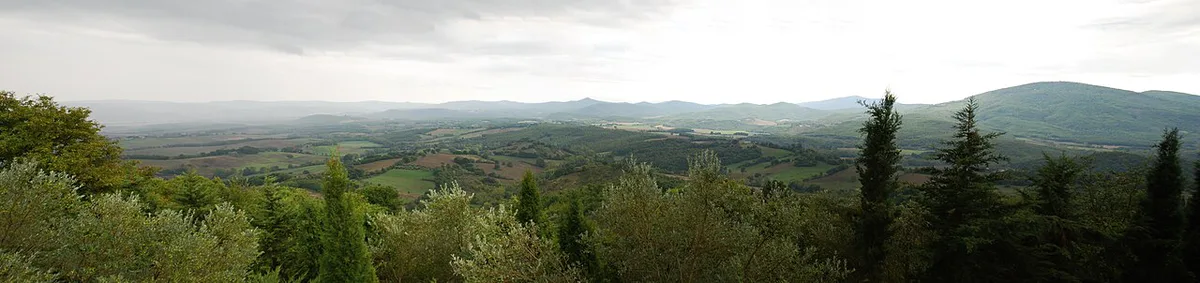
Italy stretches roughly 745 miles (1,200 km) from the Alps to Sicily, so March weather varies enormously by region. Northern cities like Milan and Venice stay chilly, with daytime highs near 50°F (10°C) and nights dropping to about 43°F (6°C). Rome and Florence sit in between, with highs around 57-61°F (14-16°C) and mornings that stay damp even on sunny days. Rome specifically averages highs near 57°F (14°C) and lows near 41°F (5°C) in March, with about 2.4 inches (60 mm) of rain across the month. Sicily and Puglia warm up fastest. Agrigento's daytime highs reach the mid-60s Fahrenheit as almond trees bloom across the Valley of the Temples. Clocks also move forward on the last Sunday of March across the EU. Sunset shifts from around 6 p.m. early in the month to close to 8 p.m. by month's end.
| Region | Cities | Typical High | What to Expect |
|---|---|---|---|
| North | Milan, Venice, the Dolomites | 50°F (10°C) | Misty cities; skiing still reliable at altitude |
| Central | Rome, Florence, Tuscany | 57-61°F (14-16°C) | Spring blooms starting; damp mornings, sunnier afternoons |
| South | Sicily, Puglia, Naples | Mid-60s to 68°F (18-20°C) | Almond blossoms near Agrigento; still too cold to swim |
Best Places to Visit in Italy in March
March suits destinations built around walking, food, and culture rather than beaches. Six places handle the month's mixed weather especially well. For how March fits the wider season, see the spring in Italy overview.
High-altitude ski zones like Bormio's terrain reaching 9,800 feet (3,000 meters) and Livigno—nicknamed Little Tibet for its heavy snowfall—deliver reliable March conditions, making the Dolomiti Superski's 12 interconnected areas an ideal alternative to warming lowland regions.
- Rome and Florence: art-city queues thin out before Easter, and midweek visits to the Vatican Museums or the Uffizi can mean walking straight in.
- Venice: once Carnival ends, fog on the canals and thinner crowds make the Doge's Palace and a boat ride to Burano easy to enjoy without the wait.
- Sicily: the Mandorlo in Fiore almond blossom festival fills Agrigento's Valley of the Temples, usually in the first half of March (expected, based on past years' timing).
- Matera: cool March air makes the Sassi cave district comfortable to explore, well before the pale stone starts reflecting serious heat by late spring.
- Dolomiti Superski: about 745 miles (1,200 km) of linked slopes across 12 ski areas stay open, with Bormio's runs reaching up to 9,800 feet (3,000 meters).
- Livigno: nicknamed Little Tibet for its heavy snowfall, this Valtellina town sits in a tax-free zone near the Swiss border.
What to Skip in Italy in March
Not every region earns its keep this early in the year. Three types of destination are better saved for later spring or summer.
- Amalfi Coast and Cinque Terre: many ferries don't run yet, and a large share of hotels and restaurants stay closed until Easter.
- Sardinia and other beach resorts: the scenery holds up, but towns feel empty and the water is too cold for swimming.
- High-altitude Alpine and Dolomite trails: most routes above the ski resorts stay snow-covered and need specialized gear, not a spring hike.
March Events and Festivals in Italy
Two of March's biggest wildcards are Carnival and Easter, both tied to a variable Lent calendar that shifts every year. A handful of fixed-date traditions round out the month regardless of when Easter falls. Festa della Donna falls every year on March 8. Italians mark the day, International Women's Day, by giving mimosa flowers and going out for meals with friends. San Giuseppe, also Father's Day in Italy, falls on March 19. It's best known for zeppole and bignè di San Giuseppe, fried pastries sold in patisseries that week. The Rome Marathon usually runs on the fourth Sunday of March. Its route closes streets past the Colosseum and the Roman Forum for the day; that scheduling is expected, based on the race's usual pattern, so confirm the exact date closer to next year's event. When Carnival lands in early March, Venice and Ivrea get busier and pricier than the rest of the month. The Italian Carnival guide covers exact dates and where to watch. Easter's date shifts even more than Carnival's. When it falls in March, expect a large pilgrim influx in Rome and Misteri processions in Trapani, Sicily. Check the 8 Best Places to Experience Easter in Italy guide before locking in March travel dates. For the complete year-round rundown, the Italy festival calendar lays out what else is running. The Italian National Tourism Agency site is a reliable place to confirm updated event dates closer to your trip.

| Event | Date | Note |
|---|---|---|
| Festa della Donna | March 8 | Fixed date; mimosa flowers tradition nationwide |
| San Giuseppe / Father's Day | March 19 | Fixed date; zeppole and bignè pastries |
| Rome Marathon | Fourth Sunday of March | Expected, based on typical scheduling; confirm via the official race calendar |
| Mandorlo in Fiore (Agrigento) | First half of March | Expected, computed from past years; organizers confirm exact dates closer to the event |
| Carnival (Venice, Ivrea) | Variable, sometimes early March | Date depends on Easter; see the Italian Carnival guide |
| Easter | Variable, sometimes late March | Date shifts yearly; see the Easter in Italy guide |
What to Eat in Italy in March
March produce reflects the shift from winter into spring, and Roman and northern menus change accordingly.
- Carciofi (artichokes): the star of Roman spring menus, prepared alla romana (braised) or alla giudia (fried whole).
- Agretti: a grass-like succulent nicknamed monk's beard that appears only for a few weeks in early spring.
- White asparagus: a Veneto specialty that shows up in risotto across northern Italy this month.
- Blood oranges: Sicily's blood orange season peaks in March, showing up in juice, salads, and desserts.
Packing, Transport, and Budget for Italy in March
Weather shifts fast enough in March that a single jacket will not cover the day. Layer with a waterproof shell over a light down jacket, and keep a scarf handy for cold mornings and evenings. Trains run on normal schedules and stay the most reliable way to move between cities. Regional buses and ferries can still run on winter timetables, so check routes before counting on a specific departure. Check current transport advisories on the Italy tourism portal a few days before travel. Budget planning follows the same shoulder-season logic. March is typically the last month of true discount rates before April prices climb. Hotels commonly run 30-40% below peak summer pricing during this window.
Common Mistakes to Avoid in Italy in March
A few planning mistakes show up again and again for March travelers.
- Booking a beach hotel: coastal resort towns are often half-closed and too cold for swimming this early.
- Skipping the Easter check: booking Rome without checking whether Easter falls in March can mean paying peak prices for shoulder-season dates.
- Overestimating Tuscany's warmth: afternoons can feel mild, but mornings stay damp and cool well into the month.
Frequently Asked Questions
Is March a good time to visit Italy?
Yes, especially for cities and skiing. Rome, Florence, Venice, and the Dolomites all work well, with lower prices and thinner crowds than peak season. Beach destinations are the exception, since coastal towns and water stay too cold to enjoy fully.
Can you swim in Italy in March?
No, not comfortably. Sea temperatures stay too cold for swimming across the country, even in southern regions like Sicily and Puglia where air temperatures climb into the mid-60s Fahrenheit. Wait until closer to Easter or into May for water warm enough to swim in.
What should you wear in Italy in March?
Pack in layers for Italy in March. A waterproof shell, a light down jacket, and a scarf cover most of the month's weather swings. Add sturdy, comfortable shoes, since cobblestones plus rain make slippery footing common. Sunglasses are worth packing too, since southern regions see plenty of clear afternoons.
Is the Amalfi Coast open in March?
Only partly. Many ferries don't run yet, and a large share of hotels and restaurants stay closed until Easter. Walking the coastal trails and towns is still possible, but expect a quiet, half-shuttered atmosphere rather than a full season.
Does Easter fall in March?
It depends on the year, since Easter's date moves with the lunar-based Lent calendar. When it does land in March, expect a large jump in crowds and prices around Rome and Sicily. Check the 8 Best Places to Experience Easter in Italy guide for the confirmed date before booking.
Does the Rome Marathon disrupt sightseeing in March?
Yes, for one day. Street closures affect central routes near the Colosseum and the Roman Forum while the race runs on its usual fourth Sunday of March. Plan sightseeing around the morning road closures, or treat race day itself as a spectator event along the course.