

Last updated August 2026. Italy in February splits into three distinct trips: Venice's Carnevale crowds, the quiet lowest-price cities of the center, and Sicily's first almond blossoms. Weather swings from alpine snow in the Dolomites to jacket-optional afternoons near Palermo. The right base depends on whether the trip centers on skiing, museum time, or early spring warmth.
Italy in February: The Fast Answer
February splits Italy into three trips that rarely overlap. Venice runs Carnevale, with masked parades and premium hotel rates through the back half of the month. Rome, Florence, and Siena sit at some of the year's lowest hotel prices, with short lines at major museums. Sicily opens its almond blossom season, and daytime highs in Palermo and Agrigento run well above the north. Winter Olympics events took place across Cortina d'Ampezzo and the Dolomites from February 6 to 22, 2026. Travelers heading to the Dolomites for 2027 should confirm current lift and transit schedules directly with resorts. For the complete year of dates across regions, see the annual festival calendar.
- Regional highs and lows: North 48°F / 35°F, Center 55°F / 40°F, South 60°F / 44°F.
- Trade-off: Venice costs the most and draws the biggest crowds in February; Rome and Florence cost the least and draw the fewest.
- Carnevale in Venice builds through the month, peaking on Martedì Grasso, or Fat Tuesday.
- The 2026 Winter Olympics ran in Cortina d'Ampezzo and the Dolomites, February 6-22.
- State museums, including the Uffizi, are typically free on the first Sunday of the month.
- The Amalfi Coast and islands such as Capri and Ischia run a reduced winter schedule; confirm ferries before booking.
Regional Weather in February: North, Center, and South
Italy's regions move through different seasons at the same time in February. The gap between the snowy north and the near-spring south is wider this month than in almost any other, which is why the right base matters more than usual. Average daily highs and lows below compare the three zones side by side.
Central Italy's 55°F / 40°F February weather creates ideal walking conditions for museums, coinciding with the year's lowest hotel rates that only Rome and Florence offer.
| Region | Avg High / Low | Landscape | Recommended Base |
|---|---|---|---|
| North (Milan, the Dolomites) | 48°F / 35°F | Snowy and alpine, frequent mist | Bolzano or Courmayeur |
| Center (Rome, Florence) | 55°F / 40°F | Crisp and clear, strong museum weather | Florence or Siena |
| South (Naples, Sicily) | 60°F / 44°F | Early spring, citrus at its peak | Palermo or Agrigento |
- Rome: around 57°F by day and 41°F at night, comfortable for walking tours of the Forum and Trastevere.
- Florence: around 54°F by day and 38°F at night, workable weather for the Uffizi and the Duomo.
- Venice: around 48°F by day and 35°F at night, plus damp lagoon air and the bora wind.
- Naples and coastal Campania: around 60°F by day and 44°F at night, mild enough for a coastal drive, though most Amalfi hotels are still off-season.
Carnival and Italy's Other February Festivals
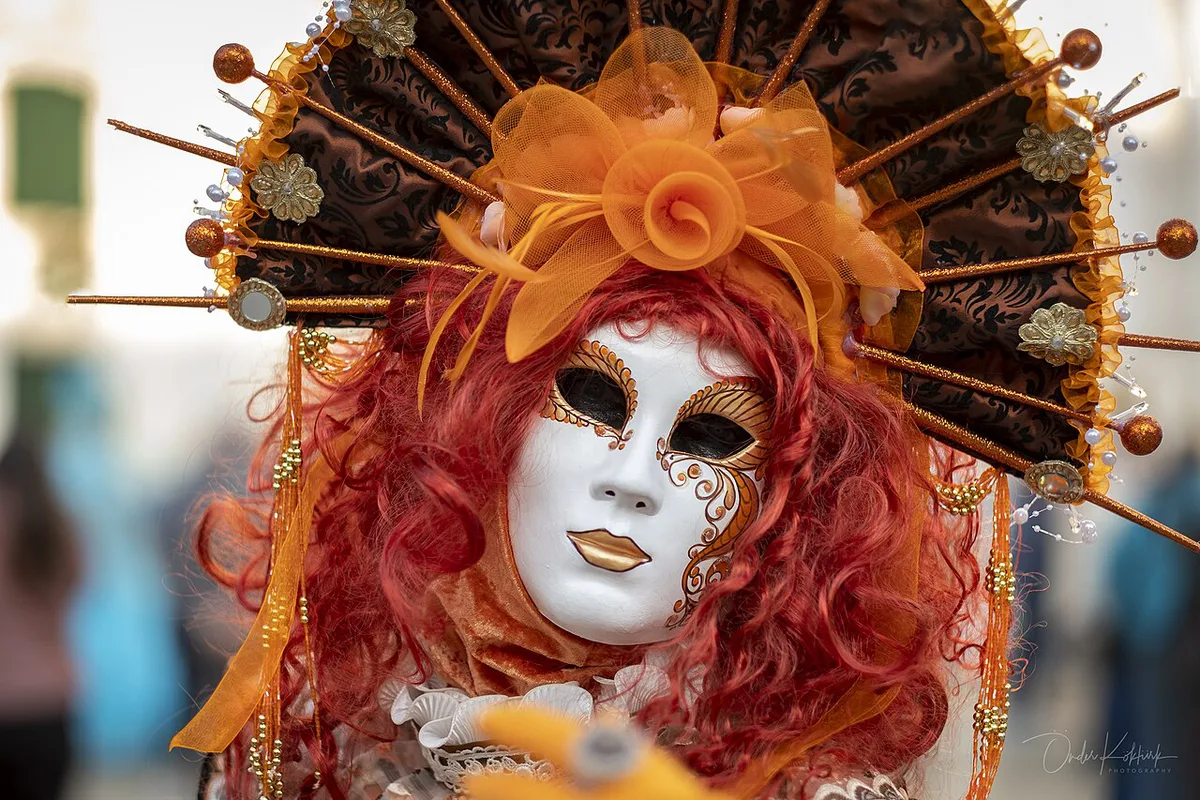
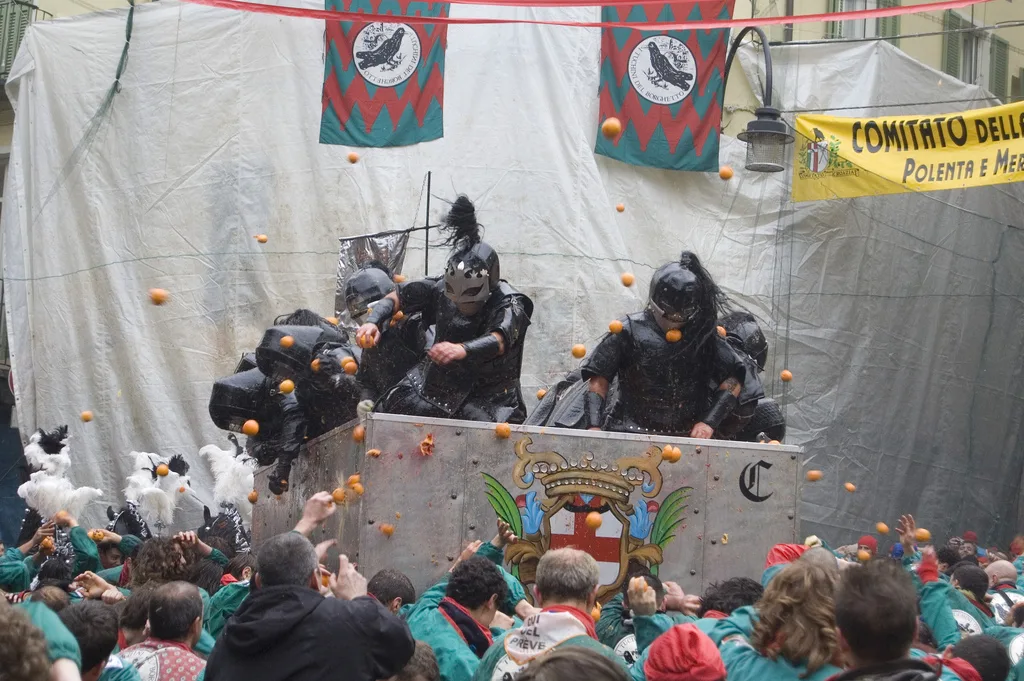
Venice's Carnevale runs roughly the final two weeks of February, building toward Martedì Grasso, the Fat Tuesday before Ash Wednesday. A 1979 revival established the modern festival, and its exact dates shift every year with Easter. Treat any 2027 date found online as expected rather than confirmed until organizers publish the official calendar. St. Mark's Square carries the heaviest crowds and the highest hotel rates of the celebration. Basing in Murano instead cuts both, with a short water-taxi ride into the parades and masked balls each evening. Winter light over the lagoon also gives Carnevale photographs a different quality than the summer version most travelers picture. Full costume and mask logistics live in the Carnival costume and mask guide. Because the date tracks Lent, how Easter's date shifts each year explains why Carnevale moves on the calendar.
- Viareggio Carnival (Tuscany): giant papier-mâché floats parade along the seafront, a mainland alternative to Venice's crowds and water-taxi logistics.
- Sciacca Carnival (Sicily): a smaller float parade in the island's south, running alongside Carnevale season.
- Sagra del Mandorlo in Fiore (Agrigento): the Almond Blossom Festival opens with a Friendship Torch lit in the Valley of the Temples. Folk music and dance fill the days that follow; 2027 dates were not posted at the time of writing.
- Wine&Siena (Siena): Tuscan wine tasting in the first days of February, a counterpoint to Dry January.
- Danzainfiera (Florence): a four-day dance event with workshops and stage shows at the end of February.
Where to Base Yourself: Florence, Rome, the Dolomites, Sicily, and Saturnia
Each base suits a different version of February. Florence and Rome work for museum time and Valentine's week, the Dolomites and Aosta Valley for skiing, Sicily for early spring, and Saturnia for a hot-spring detour from Tuscany.
- Florence: free entry at state museums, including the Uffizi, on the first Sunday of the month. Danzainfiera runs four days at the end of February.
- Rome: shorter lines at the Colosseum, the Roman Forum, and the Vatican Museums than in peak season. Neighborhoods like Monti and Trastevere show the city's everyday rhythm away from the main sights.
- Dolomites and Aosta Valley: Bolzano connects to multiple resorts on one Dolomiti Superski pass by local bus.
- Courmayeur, on the Italian side of Mont Blanc, runs quieter and less expensive than the French resorts across the tunnel; some travelers report simple ski-town pensions near the lifts for around €100 a night.
- Sicily (Palermo and Trapani): many tourist-focused shops close for the season, but trattorias serving locals stay at their best. Look for buccellati, fig cookies traditionally baked for Carnevale season.
- Trapani's coast includes the Riserva Naturale Orientata dello Zingaro, good for a full day of hiking, plus the hill town of Erice and the beach town San Vito Lo Capo nearby.
- Saturnia Hot Springs: the thermal pools hold around 37°C (99°F) year-round, a sharp contrast to the cool February air. Reach them by car from Orbetello, itself close to the Maremma coast in Grosseto province.
- Blossom season keeps building into April travel conditions as the Sicilian spring advances.
Which February Region Fits Your Trip?
Match the goal to the region before booking a February trip. Venice, the Dolomites, and Sicily solve different problems, and combining more than one in a single week usually means long transfers and lost time. Use the table below as a starting filter, then check the weather and festival sections above for the specifics.
Sicily reaches 60°F / 44°F in February while central Italy sits near 55°F, yet Rome and Florence still draw few visitors, making the region choice dependent more on activities than on warm-weather appeal.
| If You Want | Go To | Why It Fits |
|---|---|---|
| Art and low crowds | Rome or Florence | Lowest hotel rates of the year and short museum lines |
| Costumes and parades | Venice | Carnevale parades and masked balls; book months ahead |
| Skiing and alpine coziness | Dolomites or Aosta Valley | Dolomiti Superski terrain and connecting resort buses |
| Spring warmth and blossoms | Sicily | Almond blossom season and daytime highs near 60°F |
| Hot springs and quiet countryside | Saturnia, via Orbetello | 37°C thermal pools away from festival crowds |
What's Closed on the Coast in February
Some of Italy shuts down in February while the rest runs near capacity. Amalfi Coast hotels and islands such as Capri and Ischia move into a reduced winter schedule, and a number of ferries pause entirely. Confirm current routes and openings before booking a coastal add-on to a central Italy trip. Pompeii and the Bay of Naples stay fully open and are more comfortable to walk in February's cooler air than in summer heat. Calabria's coast also stays accessible, though most restaurants there cater to locals rather than winter tourists.
Costs, Museums, and Getting Around
February prices reward flexibility. Rome and Florence hotel rates sit near their annual low, and Courmayeur pensions can run around €100 a night in the Dolomites' ski towns, well below equivalent stays on the French side of Mont Blanc. Museum lines shrink too: Vatican Museums queues that stretch three hours in peak season shorten considerably in February, and the Uffizi is workable without an early-morning rush. Trenitalia's high-speed lines between Rome, Florence, and Venice run reliably through winter weather, making city-to-city travel straightforward without a car. A car works better for reaching Dolomites resorts beyond the Superski bus network, for the Aosta Valley, or for touring rural Sicily outside Palermo and Trapani. Some travelers fly into Turin and rent a car for the Aosta Valley, stopping in Piedmont for a meal along the way. Check ferry and museum updates via Italy's national tourism site before finalizing a coastal add-on. Seasonal event calendars from the Italian National Tourism Agency are also worth checking before a Carnevale trip.
Mistakes to Avoid in Italy in February
A handful of assumptions cause the most trouble in February.
- Underestimating the cold: Venice's bora wind adds real chill on the water, and older stone buildings can stay cold indoors even with heating running. Pack real layers, not just a light jacket.
- Booking Venice late: Carnevale fills hotels and water-taxi transfers months out. Lock in Murano or mainland lodging as soon as dates are announced.
- Assuming the south means beach weather: February in Calabria and Sicily is walking weather, not swimming weather. One traveler reported a February weekend near Tropea, about a five-hour drive from Naples, with temperatures climbing into the 70s°F and calm enough water for stand-up paddleboarding near Capo Vaticano.
- Assuming long hours everywhere: many businesses outside the major cities close for a midday break and shut earlier than in peak season, so confirm hours before planning a late dinner.
- Trip planning beyond February continues in the spring shoulder season guide.
What to Eat in Italy in February
February is a strong month for seasonal food, especially in Sicily and during Carnevale. In Palermo, look for blood oranges at Ballarò and Capo markets. Tarocco, Moro, and Sanguinello varieties are at their best through the winter citrus season. Order them in salads, juices, or simply peeled as a street-market snack.
Carnevale also brings fried sweets to bakery windows across the country. Venice calls its thin, crisp pastries galani, while Tuscany commonly uses cenci. Both are often dusted with sugar and eaten during the weeks before Lent. Sicily has its own seasonal baking tradition: buccellati are fig-filled pastries that appear around Carnival and winter celebrations.
- Try blood oranges in Palermo, Catania, or markets near Mount Etna.
- Ask Venetian pastry shops for galani rather than generic Carnival sweets.
- Pair Tuscan cenci with a coffee after a morning in Florence or Siena.
Frequently Asked Questions
Is February a good time to visit Italy?
February works well for travelers focused on low prices, thin crowds, or Carnevale itself. Central cities like Rome and Florence sit at some of the year's lowest hotel rates. Venice runs the opposite trade. Rates and crowds both rise during Carnevale, but the spectacle is unavailable any other month.
Is February warmer than January in Italy?
Yes, February runs slightly warmer than January across most of the country, with longer daylight hours as the month progresses. Differences stay modest in the north, where the Dolomites and Venice both stay near freezing overnight. It is more noticeable in the south, where Sicily and Naples trend toward early spring by late February.
Is Italy crowded in February?
Outside two exceptions, no. Venice fills up during Carnevale, and Dolomites ski resorts get busy on winter weekends. Everywhere else, including Rome, Florence, and Sicily, February is one of the quietest months of the year for major sights.
What should you pack for Italy in February?
Layers work best in February. Pack a base layer, a warm mid-layer, and a waterproof outer shell that can handle rain in the center and snow in the north. Venice visitors need waterproof boots for acqua alta, the seasonal high water that can flood St. Mark's Square. Dolomites travelers need proper winter boots and gloves, while Sicily only needs a light coat for evenings.
When is Venice Carnival next year?
Carnevale's climax, Martedì Grasso or Fat Tuesday, falls the day before Ash Wednesday, a date set by Easter and not fixed on the calendar. Organizers had not posted 2027 dates at the time of writing, though the 2026 celebration peaked on February 17. Treat any early date found online as expected rather than confirmed, and check official Venice Carnevale channels closer to the trip.
Is the Amalfi Coast open in February?
Partially. Some hotels, restaurants, and ferry routes on the Amalfi Coast and nearby islands like Capri and Ischia close or reduce service for winter. Confirm specific ferry schedules and hotel openings directly before booking, since availability changes from year to year.
Should you visit the Dolomites in February for the Winter Olympics venues?
The 2026 Winter Olympics ran in Cortina d'Ampezzo and across the Dolomites from February 6 to 22, and the Games are now over. Regular skiing at Dolomiti Superski resorts continues in the seasons after, using the same lift and trail network. Confirm current lift openings and transit routes directly with resorts before booking a Dolomites trip built around former Olympic venues.