

Last updated August 2026. Italy in July brings the country's hottest, driest weeks, with humidity concentrated around Venice and the Po Valley. Only the mountains offer real relief from the heat. Festival calendars and coastal towns hit full stride, though crowds and prices climb right along with the temperature, so morning starts and late dinners keep the days workable.
Italy in July at a Glance
Use this quick reference before the region-by-region detail below.
- Weather: Rome and Florence run 85-95°F with spikes past 100°F; Venice runs 84°F with lagoon humidity; the Dolomites stay in the 60s-70s°F.
- Sea temperature: around 78-81°F on the Tyrrhenian coast, among the warmest of the year.
- Crowds: heaviest at Capri, the Amalfi Coast, and the Italian Lakes; calmer in Calabria, Marche, Abruzzo, and inland Sicily.
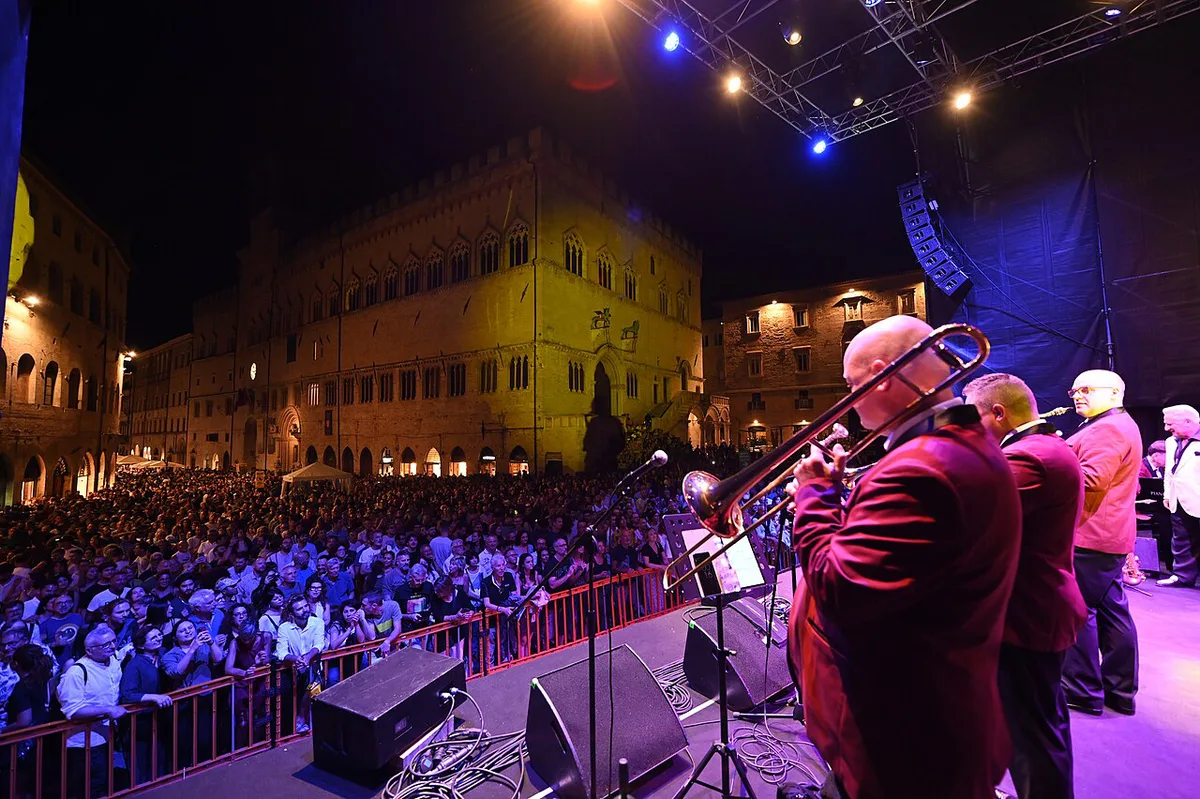
- Festivals: Palio di Siena (2 July, expected), Umbria Jazz in Perugia (3-12 July), Festa del Redentore in Venice (18-19 July).
- Public holidays: none nationwide in July.
- Booking lead time: Colosseum tickets typically release 30 days ahead and sell out fast.
Is July a Good Time to Visit Italy?
July's honest answer involves a trade-off. You get peak heat and peak crowds, but also Italy's fullest festival calendar and warmest seas. Temperatures climb noticeably from June, and heat becomes the main planning factor in cities like Rome and Florence. By August, many local businesses close as owners leave for the Ferragosto holiday in mid-August. That timing works in July's favor: most Italian families wait for their own break, so July's crowds skew international rather than local. Coastal favorites like Capri, the Amalfi Coast, and the Italian Lakes also carry July's steepest prices, while inland Puglia, Calabria, Marche, and Abruzzo cost noticeably less for similar food and lodging. Pricing and closures shift again once Ferragosto arrives — the shift into August guide breaks down the specifics.
July Weather in Italy: A Region-by-Region Breakdown
Italy runs roughly 750 miles from the Alps to Sicily, and in July that distance decides how much heat travelers feel. Northern cities like Milan and the lake towns run 82 to 90°F, with sudden afternoon thunderstorms over the Veneto plain. The Po Valley shares Venice's humidity, so afternoon mugginess reaches as far inland as Milan and Bologna. Central Italy pushes hotter. Rome and Florence typically see highs between 85°F and 95°F. Stone streets with limited shade make archaeological sites feel hotter than the thermometer suggests. Southern Italy and the islands run just as hot. When the sirocco wind blows up from North Africa, inland Sicily can spike past 100°F. Coastal areas stay milder, with sea temperatures around 78 to 81°F on the Tyrrhenian side. Daytime highs in the Dolomites sit in the 60s and 70s°F, making this range the clearest exception to Italy's July heat. This is peak hiking season before August's heavier crowds arrive.
| Region | Typical High | Typical Low | Notes |
|---|---|---|---|
| Rome | 88°F | 68°F | Hot and dry; minimal rain |
| Florence | 89°F | 66°F | Stone center holds heat |
| Venice | 84°F | 67°F | Humid; lagoon breeze helps |
| Naples & Amalfi Coast | 90°F | 72°F | Warm evenings; strong sea temps |
| The Dolomites | 60s-70s°F | — | Coolest region; afternoon storms possible |
The Heat and Crowd Strategy: How to Plan Each Day
Regional guides often call this the 11 AM rule: sightsee early, retreat indoors from around noon to 5 PM, then re-emerge for the evening. Start walking tours, ruins, and markets before 9 AM, before the stone has absorbed a full day of sun. Reserve the hottest hours for museums, a long lunch, or a hotel room. Terraces and piazzas fill back up after 5 PM, once the light softens. Air conditioning is common in Italian hotels by July, but it's often weaker than US or Gulf-region systems — expect a cooler room, not a cold one. Pack a light layer for sleeping rather than counting on North American-strength AC. Staying in Rome's Monti, Testaccio, Ostiense, or Pigneto neighborhoods keeps travelers near residents who haven't left for summer break yet, with quieter streets than the historic center. Florence's Oltrarno neighborhood offers a similar advantage.
Rome and Florence reach 85-95°F with spikes past 100°F during July, making early-morning starts essential at archaeological sites where stone surfaces radiate heat back and intensify midday conditions.
- Colosseum tickets typically release 30 days in advance and can sell out within hours. Set a reminder for the release window, and confirm the exact time on the official booking site.
- Florence's Uffizi Gallery has stayed open until 10 PM on Tuesdays in recent summers, a useful way to see the collection without the daytime line. Confirm current hours before visiting.
- High-speed train fares rise the closer you book to departure, so lock in July routes early.
- Rome trattorias fill up days or weeks ahead in July. Reserve dinners at least a few days out, and further ahead for the most in-demand tables.
Best Places to Visit in Italy in July
The Amalfi Coast, Capri, and Sardinia deliver July's classic scenes: full ferry schedules, open beach clubs, and the year's best swimming conditions. Boats between Positano, Amalfi, and Capri run complete summer timetables. Popular trails like the Path of the Gods above Positano are calmest before 9 AM. Book beach club sunbeds (stabilimenti) and boat transfers ahead; everyone else has the same plan in July. Sardinia's coastline turns especially vivid in July light, and Sicily's beaches near Cefalù and San Vito Lo Capo reach peak swimming conditions this month too. The Dolomites offer the clearest escape from the July heat found elsewhere in Italy. Rifugi (mountain huts) are fully open, and trails are at their best before August's heavier crowds arrive. Daytime temperatures there rarely climb out of the 60s and 70s°F. Afternoon storms build most days, so start hikes early and carry a rain layer regardless of the morning forecast. Four regions offer coastal quiet without giving up the sea.
- Liguria: cliffside paths above and beyond the Cinque Terre, suited to morning walks and long lunches near the water.
- Calabria: Tyrrhenian and Ionian coastlines around Tropea, calmer than the Amalfi Coast even at peak season.
- Marche: the Adriatic coast between Pesaro and San Benedetto del Tronto, familiar to Italian families but overlooked by international visitors.
- Abruzzo: a quieter Adriatic coastline paired with hilltop towns and the Gran Sasso massif, good for cooler morning walks before the coast warms up.
Venice and Florence: A July City Strategy
Venice's Carnival season fills the calli with pageantry each winter, but July runs on lagoon heat and long evenings instead. Midday heat is intense around St. Mark's Square, though breezes off the canals bring relief during vaporetto rides. Where Carnival brings out elaborate Carnival costumes, July's Venice trades them for dawn gondola rides and canal-side dinners. Florence rewards an evening strategy over a daytime one. Extended museum hours, where they're offered, provide some of the calmest viewing conditions of the year. Save viewpoints above the Arno for the last hour before sunset, once crowds thin out.
Festivals and Events in Italy in July
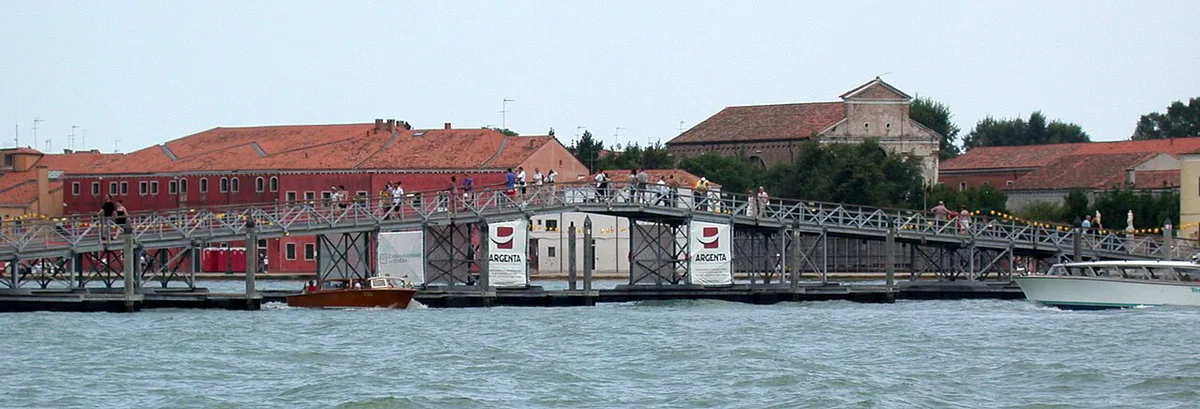
July carries no nationwide public holiday, but its festival calendar is the fullest of any month. Four events are worth building a trip around, and each carries a different level of scheduling certainty. Redentore's pontoon bridge connects the Zattere to Giudecca on the evening of 18 July. Fireworks light St Mark's Basin around 11:30 PM. Book accommodation and a boat spot well ahead for a water view. Confirmed and expected dates for the rest of the year sit in the full festival calendar. Confirm exact timing on Italy's official tourism site before finalizing travel plans.
The Palio di Siena on 2 July requires booking accommodation three to four months ahead because festival weekends sell out early, and access to Piazza del Campo closes once capacity is reached.
| Event | Expected Dates | Location | Confidence |
|---|---|---|---|
| Palio di Siena | 2 July | Piazza del Campo, Siena | Expected; the race has shifted to a later date in each of the past two years |
| Umbria Jazz | 3-12 July | Perugia | Expected, based on the festival's usual July run |
| Festa del Redentore | 18-19 July | Venice | Expected, based on the festival's fixed weekend pattern |
| Festa de' Noantri | Mid-to-late July | Trastevere, Rome | Expected; exact dates are typically set closer to the event |
What to Eat in Italy in July
July is peak tomato season, and San Marzano and datterini varieties turn up everywhere. Order pasta al pomodoro, panzanella, or a plain caprese salad rather than treating tomatoes as an afterthought. Basil grown on Liguria's coastal terraces reaches its most fragrant point in July, feeding trofie al pesto and fresh focaccia. Sicily handles the heat with granita, a semi-frozen ice in lemon, almond, or coffee, often eaten with a soft brioche bun as early as 8 AM. Watermelon (anguria) shows up at beach kiosks and roadside stands all month. Late July brings the season's first figs, alongside peaches and apricots.
Packing and Getting Around in Italy in July
Pack for the season: lightweight linen or cotton, a hat that survives a breeze, and sunscreen worth reapplying. Comfortable walking sandals handle both morning hikes and cobbled streets, but save flip-flops for the beach. Bring a light scarf or shawl for churches, to cover shoulders and knees at the door. Packing specifics for June through August live in the summer travel guide. Current entry requirements and other travel basics come from the Italian National Tourism Agency.
- Refill water bottles at Rome's fontanelle, the small public fountains that run cold water throughout the city.
- Choose high-speed trains over slower regional routes. Regional trains run hotter and less reliably air-conditioned in July.
- Carry a handheld fan for evenings when hotel air conditioning runs weaker than expected.
- Book accommodation three to four months ahead for coastal hotspots and festival weekends, since rooms there sell out early.
Mistakes to Avoid in Italy in July
A handful of avoidable mistakes show up again and again in July trip reports.
- Underestimating archaeological sites: Pompeii and the Roman Forum offer little shade, and stone surfaces radiate heat back by midday. Visit at opening time instead.
- Assuming heat excuses church dress codes: shoulders and knees still need covering even at 95°F, so carry a scarf rather than risk being turned away.
- Skipping beach club reservations: sunbeds (stabilimenti) at popular Amalfi Coast and Capri beaches fill up on weekends, so book ahead rather than show up and hope.
How to Experience the Palio di Siena
The Palio di Siena is more than a short horse race. It is a multi-day civic ritual centered on Piazza del Campo, with trial runs, neighborhood ceremonies, a historical procession, and the race itself on 2 July. Siena’s contrade, or districts, shape the atmosphere, so arrive early enough to see more than the final laps.
The center of Piazza del Campo is traditionally free standing space. It becomes tightly packed and offers limited shade or visibility. Reserved grandstands, balconies, and restaurant terraces cost more and should be arranged through established local providers or your accommodation.
- Base yourself in Siena or nearby only if you book well ahead; race-week rooms disappear early.
- Watch a trial run or the Corteo Storico procession for a clearer sense of the event than the crowded race alone.
- Bring water, sun protection, and secure shoes; access points can close once the piazza reaches capacity.
Do not expect a conventional sporting event schedule. Respect barriers, steward instructions, and contrada spaces, particularly around the evening celebrations.
Frequently Asked Questions
Is July a good time to visit Italy?
Yes, with real trade-offs. July delivers Italy's warmest weather, fullest festival calendar, and best swimming conditions, but also its heaviest crowds and highest prices. Shifting sightseeing to morning and evening, and treating midday as rest time, makes the month far more manageable.
How hot does Italy get in July?
Rome and Florence typically see highs between 85°F and 95°F, with heatwave spikes past 100°F in a bad week. Southern Italy and the islands run similarly hot, and the sirocco wind can push inland Sicily above 100°F. Dolomites temperatures stay in the 60s and 70s°F, making them the clearest exception.
Is Italy crowded in July?
Yes, especially at Capri, the Amalfi Coast, and the Italian Lakes, which draw heavy international traffic. Most Italian families wait for their own summer break around Ferragosto in mid-August, so July's crowds skew toward visitors rather than locals. Calabria, Marche, Abruzzo, and inland Sicily stay noticeably calmer.
What festivals happen in Italy in July?
July's calendar includes the Palio di Siena on 2 July, Umbria Jazz in Perugia from 3 to 12 July, and the Festa del Redentore in Venice on 18 and 19 July. Rome's Trastevere neighborhood also holds the Festa de' Noantri in mid-to-late July. Each date reflects the organizers' usual pattern rather than a guarantee, so confirm timing closer to your trip.
Can you swim in Italy in July?
Yes, July offers some of the year's best sea temperatures, especially on the Tyrrhenian coast, where the water averages 78 to 81°F. Sardinia, Sicily, and the Amalfi Coast all offer strong swimming conditions, particularly in sheltered coves and island beaches.
Is Italy hotter in July than in June?
Yes. Temperatures climb several degrees from June into July, humidity increases slightly around Venice and the lagoon, and midday heat intensifies, especially in inland cities like Rome and Florence.
What should you pack for Italy in July?
Lightweight linen or cotton clothing, a hat, and reef-safe sunscreen cover the basics. Comfortable walking sandals work for both hikes and cobbled streets, and a scarf or shawl covers shoulders and knees for church visits. A refillable water bottle and a handheld fan help through the hottest afternoons.