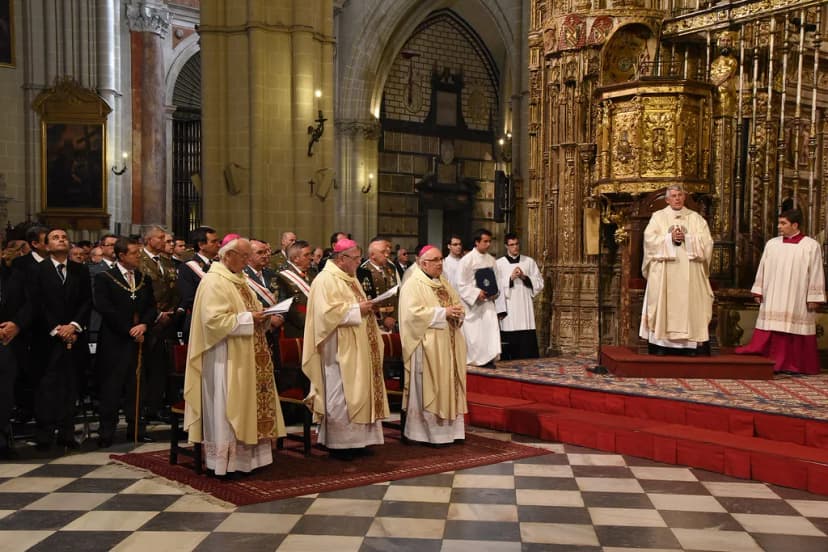
Last updated August 2026. Festa de' Noantri is the closest thing Rome has to a genuine neighbourhood festival — the kind of thing Siena and Gubbio do all year and the capital mostly does not. The name is Roman dialect for noi altri, "we others", and the sentiment is exactly what it sounds like: this is Trastevere's own feast, run by and for the rione, with visitors welcome rather than catered to. It runs two weeks each July and costs nothing to attend.
When It Happens, and the Rule Behind It
The feast is anchored to the liturgical calendar rather than a fixed date. 16 July is the feast of Our Lady of Mount Carmel, and the festival's opening procession falls on the first Saturday after it — which is why the dates shift by a few days each year while staying firmly in the second half of July.
In 2026 the festival ran 13 to 27 July, with free events concentrated in Piazza Santa Maria in Trastevere between 17 and 25 July and processions bookending the fortnight. Future editions are expected to follow the same first-Saturday-after-16-July rule, computed from the recurrence pattern rather than confirmed. Turismo Roma publishes the year's programme, and the festival's own site carries the detailed schedule closer to the date.
The Story, and the Statue at the Centre of It
The tradition traces to 1535, when Trastevere fishermen are said to have found a wooden statue of the Madonna at the mouth of the Tiber after a storm and brought it back to the neighbourhood. That statue — now richly dressed and jewelled — is the object the whole fortnight organises itself around, and it leaves its home church only once a year, for this.
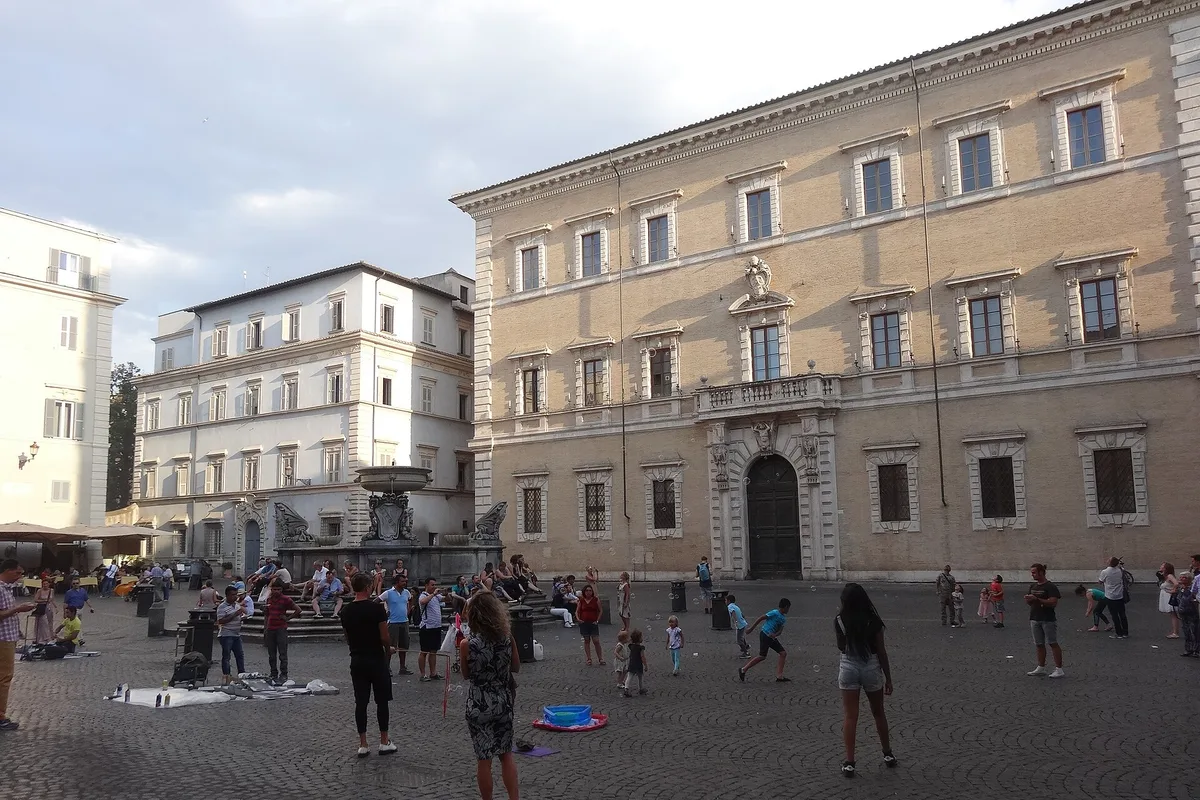
The opening procession carries it through Trastevere's cobbled lanes, departing in the early evening and moving slowly through streets narrow enough that the crowd and the procession occupy the same space. A closing procession returns it at the end of the fortnight. Between the two, the neighbourhood runs concerts, food stalls, street performance and open-air events, mostly clustered on Piazza Santa Maria in Trastevere in front of the basilica.
The processions are the festival. The concerts and stalls in between are pleasant but unremarkable — if you have one evening, spend it on an opening or closing procession night rather than a mid-week one.
What It Is Actually Like to Attend
Set expectations correctly and this is a genuinely good evening; set them wrong and it disappoints. Festa de' Noantri is not a spectacle on the scale of Venice's Redentore or a competitive event like the Palio. There is no fireworks finale, no race, no ticketed centrepiece. It is a neighbourhood in a warm July evening, a religious procession through medieval streets, and a piazza with a stage in it.
What makes it worth the trip is that it is one of the few things in central Rome that is still primarily for Romans. Trastevere in July is otherwise about as touristed as anywhere in the city; during the feast, the balance tips back. The crowd along the procession route is local, the dialect is thick, and the whole thing has the slightly shambolic feel of an event nobody is running for visitors.
- Free throughout — no ticket for any part of it
- Opening and closing processions are the highlights
- Concerts, food stalls and street performance in Piazza Santa Maria in Trastevere between them
- Evening event — the processions start in the early evening and run into the night
- Heavily local crowd, unusually so for central Rome in July
Practicalities: Getting There and Eating
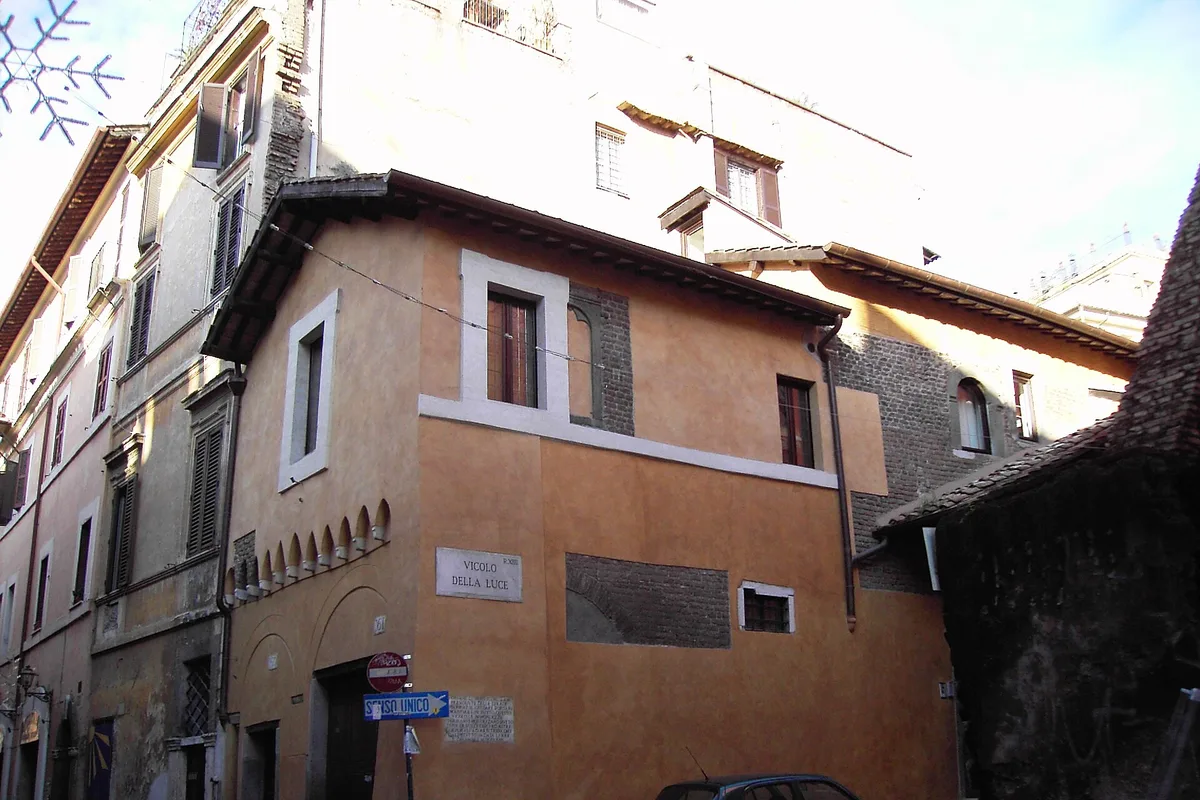
Trastevere has no Metro station, which surprises people. Tram 8 from Piazza Venezia is the standard approach and drops you on Viale di Trastevere, a few minutes' walk from the piazza. Several bus routes serve the same corridor, and walking across Ponte Sisto from the centro storico takes about fifteen minutes from Campo de' Fiori. On procession evenings the lanes themselves close to traffic, so plan to arrive on foot regardless of how you reach the neighbourhood.
| Getting to Trastevere | From | Notes |
|---|---|---|
| Tram 8 | Piazza Venezia | The standard approach; drops on Viale di Trastevere |
| On foot via Ponte Sisto | Campo de' Fiori | About 15 minutes; best on procession evenings |
| Bus | Termini and the centre | Several routes on the same corridor |
There is no Metro station in Trastevere, which surprises people expecting one.
Eating is the one place to be strategic. Trastevere's restaurants are busy in July and heaving on procession nights, and the ones directly on Piazza Santa Maria are the most touristed in the rione at the best of times. Book, or eat early, or walk five minutes uphill toward Via della Scala and the streets behind the basilica where the neighbourhood actually eats. Rome in mid-July is hot well into the evening — this is a shorts-and-water event, not a dress-up one.
Fitting It Into a July Trip
Festa de' Noantri sits squarely inside the Estate Romana window, so the same trip picks up open-air cinema and riverside programming across the rest of the city. It also lands close to the point where Rome starts emptying for August — go in the feast fortnight and the city is still fully alive; go three weeks later and much of it has shut for Ferragosto.
If you are choosing between Italian July festivals rather than fitting this into an existing Rome trip, be honest about scale: the Palio di Siena on 2 July, the Redentore in Venice, and Umbria Jazz in Perugia are all bigger draws. Noantri is a reason to be in Trastevere on a particular evening, not a reason to fly to Italy. The Rome festival calendar places it against the city's bigger dates, and the Italy festival calendar lays out the July options side by side.
Frequently Asked Questions
When is Festa de' Noantri held?
Two weeks in the second half of July. The opening procession falls on the first Saturday after 16 July, the feast of Our Lady of Mount Carmel, so the dates shift slightly each year. The 2026 edition ran 13 to 27 July.
What does "Noantri" mean?
It is Roman dialect for noi altri — "we others", or "us lot". The name reflects the festival's character as Trastevere's own neighbourhood feast rather than a city-wide or tourist event.
Is Festa de' Noantri free?
Yes, entirely. The processions, concerts and street events are all free to attend, with no ticket for any part of the fortnight. Costs come only from food and drink.
How do you get to Trastevere for the festival?
Trastevere has no Metro station. Tram 8 from Piazza Venezia runs along Viale di Trastevere, a short walk from Piazza Santa Maria in Trastevere, and buses cover the same route. From the centro storico it is about fifteen minutes on foot across Ponte Sisto. Streets close to traffic on procession evenings.
Is Festa de' Noantri worth travelling for?
It is worth an evening if you are already in Rome in July, and it is one of the few central-Rome events with a genuinely local crowd. It is not on the scale of the Palio di Siena, Venice's Redentore or Umbria Jazz, so it works better as part of a Rome trip than as the reason for one.