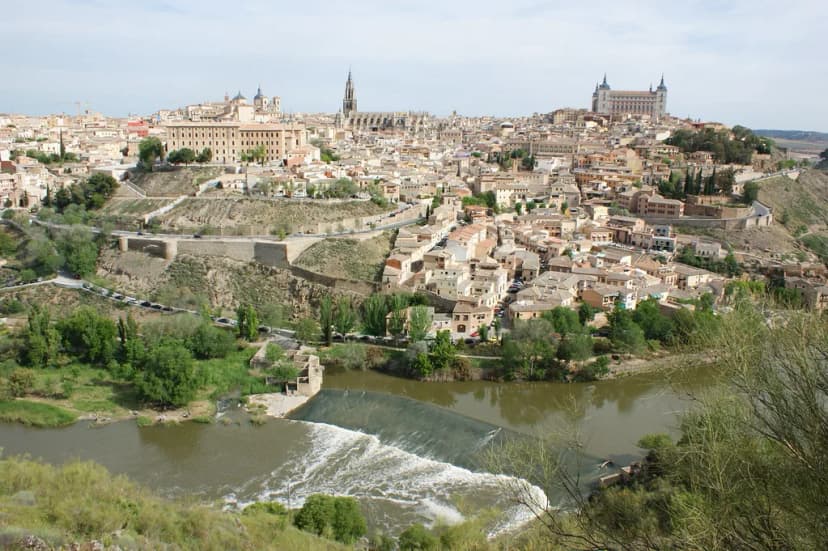
Corpus Christi is Toledo's most important festival and one of its oldest, recognized as a Festivity of International Tourist Interest. For one week each year, the historic center transforms: streets along the procession route are shaded with traditional awnings, balconies display antique tapestries, and the ground is strewn with aromatic herbs. The celebration culminates in a grand procession on Thursday, the main day, when the 16th-century Custodia de Arfe leaves the cathedral for its only annual outing.
Whether you're planning a day trip from Madrid or an overnight stay, this guide explains what to expect during the festival, how to choose a good viewing spot, and how to navigate the crowds. Since exact dates vary each year, you'll also learn how to confirm the schedule through official sources before booking.
What Is Corpus Christi?
Corpus Christi, Latin for 'Body of Christ,' is a Catholic feast honoring the presence of Jesus in the Eucharist. In Toledo, the celebration dates back at least to the 15th century, and its religious significance is central to the city's identity. The Archbishop of Toledo, cardinal primate of Spain, presides over the main procession, accompanied by religious fraternities and guilds in order of antiquity.
Beyond its religious meaning, Corpus Christi has become a major cultural event. The city's historic streets serve as a backdrop for a week of concerts, shows, and sports competitions, making it a particularly lively time to visit. For more on Spanish festivals and their traditions, see our guide to the major celebrations across the country.
When Is Corpus Christi in Toledo?
Corpus Christi is traditionally celebrated on the Thursday following Trinity Sunday, roughly 60 days after Easter. In 2026, the main day falls on June 4, with the week-long festival running from May 31 to June 7. However, dates change each year, so always verify current schedules through the Toledo tourism office's official website before making plans.
The city's tourism website (turismo.toledo.es) lists confirmed dates and the full program of events. Since the festival moves with the liturgical calendar, you'll need to check the year you intend to travel. Keep in mind that some sources may mention dates for upcoming editions, but only an official announcement confirms the schedule.
The Custodia de Arfe
The Custodia de Arfe is a masterwork of gilded silver, created between 1515 and 1523 and standing nearly three meters tall. It houses a golden ostensorium that once belonged to Queen Isabella of Castile. This extraordinary piece exits Toledo Cathedral only on Corpus Christi, carried through the streets in a solemn procession, making it a rare and powerful sight.
Seeing this Renaissance masterpiece in its only annual public appearance is a highlight, but the Custodia is normally on display in the cathedral's museum. For more details on the procession route and viewing logistics, our dedicated guide provides practical information for attending.
The Great Thursday Procession
The main procession takes place on Thursday at midday, when church bells peal and the gates of the cathedral open. The route winds through the old town, with streets lined with spectators and balconies crowded with onlookers. The procession includes civil guards on horseback, a band, drummers, and religious guilds, all preceding the Custodia under a canopy.
A beloved part of the parade are the giants and the Tarasca – oversized figures representing the continents and a mythological dragon that entertain the crowds. The atmosphere is festive and solemn at once. To fully experience it, arrive early to secure a spot along the route, and remember that the most emotional moments happen as the Custodia passes.
If you miss Thursday, the decorated streets and many events continue throughout the week. But the main procession is the centerpiece, and it's worth planning your visit around it. For those interested in Holy Week traditions, Toledo also hosts a renowned procession series each spring.
Planning Your Viewing
The streets along the procession route fill up well before the start, so arriving 30 to 45 minutes early gives you a good chance to find a spot. Locals often camp out with chairs and picnics hours ahead, so be prepared to stand or bring a small stool. For a guaranteed view, you may be able to purchase seats set up along the streets, sold in advance at a booth in Zocodover Square – check the Toledo tourism office for current availability and prices.
The procession starts around midday, so plan to be in position by 11:30. Remember that the route is relatively short, and you'll see everything within a couple of hours. After the procession, the crowd disperses, and the rest of the day is perfect for exploring the courtyards and enjoying the festive mood.
More Than the Procession: Courtyard Visits
During Corpus Christi week, residents open the private courtyards of historic mansions in the old town. These hidden spaces, filled with flowers, fountains, and centuries of history, are normally closed to the public. The Toledo Courtyard Festival is a unique opportunity to step inside these architectural gems.
Many courtyards are free to visit, though some may accept donations, and opening times vary. A good strategy is to start early in the day to avoid the heat and long lines. The tourism office distributes a map and list of participating courtyards. If you're looking for a comprehensive guide to the festival's lesser-known attractions, check our sibling article on the Toledo edition.
The Decorated City
In the weeks leading up to the feast, the city erects awnings over the main streets, suspends lanterns and wreaths, and the day before, residents decorate their balconies with antique pennants and tapestries dating from the 16th and 17th centuries. The ground is strewn with aromatic herbs like thyme, releasing a fragrant scent as you walk.
This transformation creates a medieval, almost timeless atmosphere that locals and visitors alike appreciate. Take time to wander beyond the main procession route to discover quieter corners of the old town decked out for the occasion. The visual spectacle alone is worth the trip.
Events During the Corpus Week
Beyond the religious processions, the week includes a packed program of concerts, shows, and sports competitions. Many events are free and take place in squares and venues across the city. The official tourism website publishes the full schedule, which typically includes performances for all ages.
For families, the parade of giants and the Tarasca is often a favorite, and it usually appears on several days. Check the local program for exact times and locations. And if you're interested in similar festive traditions, you might also enjoy the Corpus Christi celebrations in Granada and Seville.
Practical Tips for Visitors
Getting to Toledo from Madrid is straightforward. The AVANT high-speed train leaves from Madrid's Atocha station about once an hour and takes roughly 35 minutes. For the most current schedules and fares, check the Renfe website, as prices vary by advance booking.
From the train station, you can walk to the historic center in about 20 minutes via the escalators at Plaza del Granadal, or take a taxi to Zocodover Square, costing around six euros. Alternatively, ALSA buses run frequently from Plaza Elíptica in Madrid, with journey times around one hour. Tickets are inexpensive, and you can book online or at the station.
Once in the old town, be aware that streets are steep and often cobbled, so comfortable walking shoes are essential. During the festival, expect large crowds and limited seating at cafés, so plan to have lunch either early or late. And remember to stay hydrated, especially on warm June days.
Day Trip or Overnight?
Toledo is an easy day trip from Madrid, and the high-speed train gets you there in half an hour. However, if you want to see the procession in full and experience the evening atmosphere, staying overnight is worthwhile. The crowds thin out after the procession, and the city is particularly atmospheric at night.
For accommodation and parking information, our dedicated article offers practical tips on where to stay and how to get around if you're driving. Booking well in advance is essential during festival week, as hotels fill up quickly.
Making the Most of Your Visit
While Corpus Christi is the main draw, Toledo's rich heritage means you'll want time for its other highlights. The Cathedral of Toledo, the Alcázar, and El Greco's masterpieces in the Museo del Greco are all within walking distance. For a comprehensive overview, see our guide to visiting Toledo.
The festival itself provides a unique lens through which to see the city. Between the procession and courtyard visits, you'll experience Toledo's living history. If you're visiting during Holy Week, you can also follow the city's famous Holy Week processions.
Final Thoughts and Further Resources
Corpus Christi in Toledo is a festival that merges profound religious devotion with vibrant cultural expression. Whether you come for the spiritual significance or the sheer spectacle, the experience lingers. To stay informed, check the official tourism website and follow their social media for the latest updates.
Planning ahead will ensure you enjoy the celebration without stress. Verify dates, book transport and accommodation early, and get to the procession route with plenty of time. With these basics covered, you can focus on absorbing the sights, sounds, and scents of one of Spain's most distinctive festivals.
Plan Your Visit
Toledo's Corpus Christi is a must-see for travelers wanting to understand Spain's living traditions. The festival offers a rare opportunity to see the Custodia de Arfe, explore private courtyards, and witness a procession that has continued for centuries. Start planning by confirming the dates and booking your transport.
For more festival inspiration across Spain, including other cities' celebrations, return to our main festival guide. Whether you're a pilgrim or a culture enthusiast, Corpus Christi in Toledo will leave a lasting impression.
Related festival guides
Frequently Asked Questions
What is the best month to visit Toledo, Spain?
The best month to visit Toledo depends on your preferences. Spring (April to June) and autumn (September to November) offer mild temperatures and fewer crowds. June is particularly special because of the Corpus Christi festival, which brings vibrant processions and decorated streets, but also larger crowds and higher demand for accommodation. For pleasant weather and a balance of activities, May and June are excellent choices.
How many days are needed in Toledo, Spain?
Most visitors see Toledo's main sights in one day. However, to fully appreciate the city's history and atmosphere, a two-day stay is recommended. This allows time to visit the cathedral, the Alcázar, and El Greco's museum without rushing. During Corpus Christi week, adding an extra day lets you experience the processions and courtyard visits without missing other attractions.
When is Corpus Christi in Toledo?
Corpus Christi is celebrated on the Thursday after Trinity Sunday, which falls about 60 days after Easter. In 2026, it is on June 4. The exact date changes each year, so check the official Toledo tourism website or the website of the Archdiocese of Toledo for the current schedule.
What is the procession like?
The procession is a solemn and grand affair. It begins at midday when the cathedral bells ring. Participants include religious fraternities, guilds, civil guards, and giants, all accompanying the Custodia de Arfe, a towering gilded silver monstrance carried by clergy. The streets are lined with spectators, and the air is filled with the scent of herbs and the sound of music and singing.
How do I get to Toledo from Madrid?
The fastest way is by train: the AVANT high-speed train from Madrid-Atocha takes about 35 minutes and runs roughly hourly. Alternatively, ALSA buses depart from Plaza Elíptica every 30 minutes and take 1 to 1.5 hours. Check the Renfe and ALSA websites for current fares and schedules.