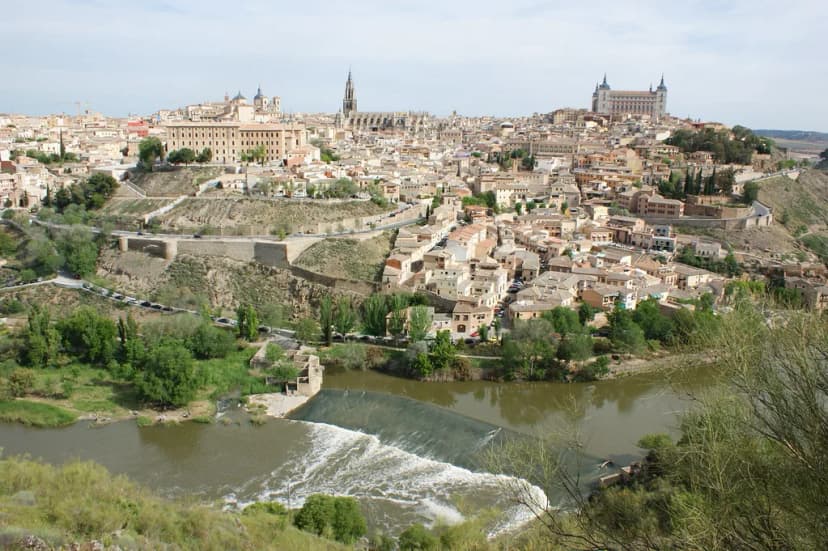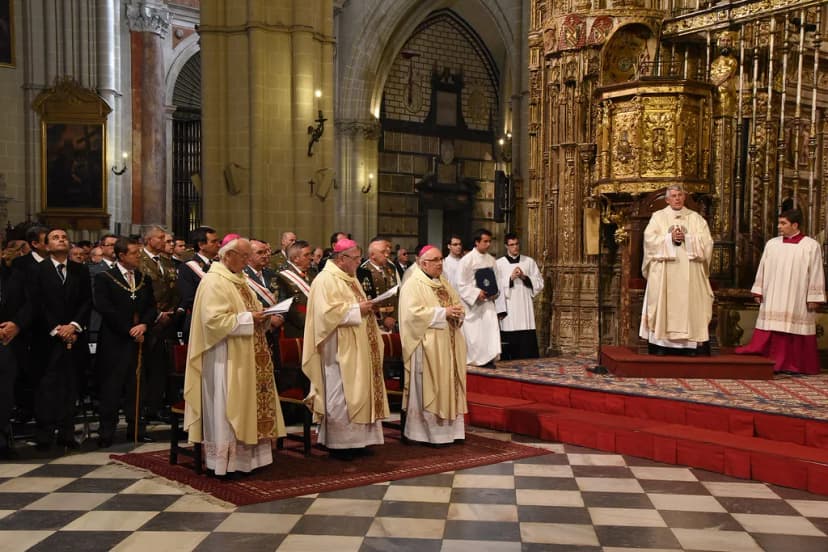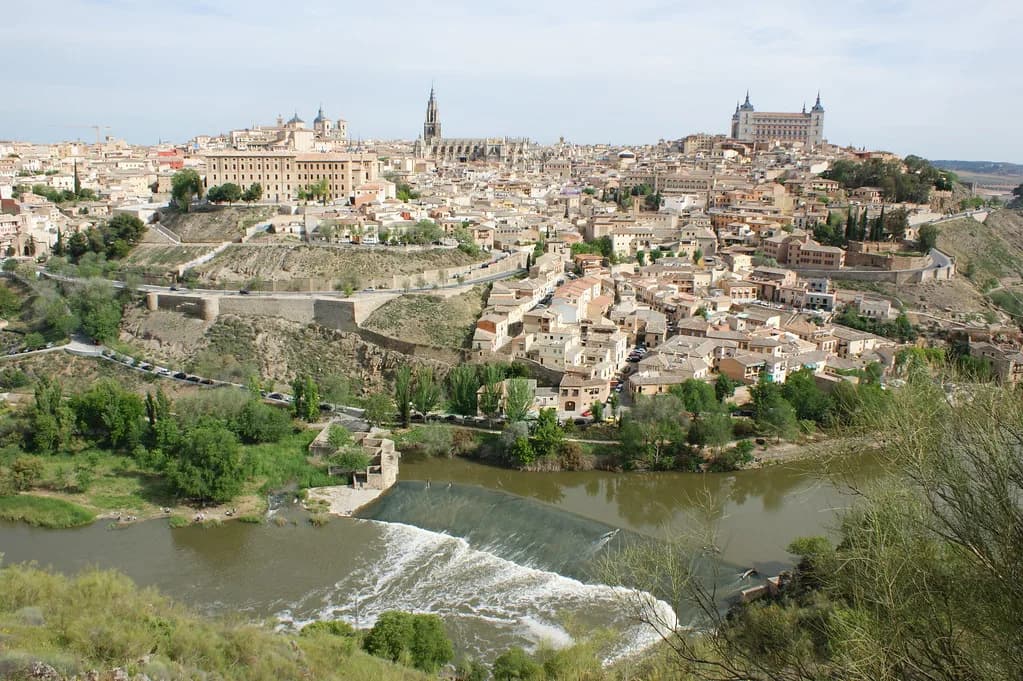
Toledo’s Festival de Música El Greco brings classical music to the city’s most atmospheric interiors, from the soaring Gothic nave of the cathedral to the quiet stone chapels where El Greco himself once worshipped. Rather than a single stage, the festival treats the city’s religious architecture as its venue, letting music and history resonate together.
Organized by the Real Fundación Toledo, the festival has grown into a highlight of the regional cultural calendar. For first-time visitors, the key is to act on the official program early, as concerts in small historic venues sell out quickly.
What Is the Festival de Música El Greco? Program History and Format
The Festival de Música El Greco is an annual classical music series held in Toledo, Spain, named after the Renaissance painter who made the city his home. Each edition presents a curated program of concerts, often connecting music to liturgical, historical, or artistic themes. The festival’s history in classical programming is well documented through its official site and local coverage.
While the festival dates shift each year, the format is consistent: a mix of vocal ensembles, period instrument groups, and the signature Organ Battles. Past editions, like the 11th in November 2024, demonstrate the festival’s range, with concerts on consecutive Saturdays. For the current year’s exact dates, check the official program or contact the organizer.
Key Venues: Where Concerts Take Place (Toledo Cathedral and Other Historic Spaces)
Concerts are staged in Toledo’s most evocative interiors, including the city’s cathedral and churches like Santo Domingo el Antiguo, where El Greco is buried. The cathedral’s seven historic organs make it a favored venue, especially for works that exploit its resonant acoustics. Smaller events may take place in church naves or cloisters, each offering a distinct atmosphere.
Note that the Palacio de Congresos de Toledo El Greco, a modern congress center overlooking the river, is not a festival venue. It hosts other events, such as flamenco shows, but you won’t find the Festival de Música El Greco there. Stick to the cathedral and church listings on the official program.
The Organ Battles: A Signature Series of the Festival
The Organ Battles, inaugurated in 2014, are the festival’s most distinctive offering. These concerts pit two or more organists against each other in musical duels, often with historical or biblical themes. The 2024 edition, for example, featured battles dedicated to angels, the Battle of Salado, and King David versus Goliath.
Each battle showcases techniques like improvisation and call-and-response, highlighting the cathedral’s seven organs. Themes change annually, so check the current program to see what stories the next edition will tell. The performances are as much about drama as they are about music.
How to Plan Your Visit: Tickets, Dates, and Practical Tips
Tickets go on sale through the festival’s official channels, with announcements typically made on the festival website and social media. Since dates can change from year to year, monitor the official site for the current program and ticket release dates. For the latest, consult the festival’s own communications.
Check the festival’s official site or news section for confirmed details before booking travel. Many visitors combine a concert with a day exploring Toledo’s old town, so consider booking accommodation well in advance. The festival typically runs from spring to autumn, but verify with the organizer.
Where to Stay and Eat in Toledo for Festival-Goers
Staying in the historic center puts you within walking distance of the festival venues. Hotels like the Hotel Carlos V offer traditional hospitality with easy access to the cathedral. For dining, look for restaurants serving local specialties such as carcamusas or partridge stew.
Dining options range from casual tapas bars to elegant spots with views over the Tagus gorge. To avoid a rushed evening, choose a restaurant near your venue or within the old town’s maze of narrow streets. Local food blogs often list updated recommendations.
Combining Music with Toledo’s Art: El Greco’s Masterpieces Nearby
Toledo boasts several locations to see El Greco’s paintings, such as the Museo del Greco and the church of Santo Domingo el Antiguo, where his masterpiece 'The Burial of the Count of Orgaz' can be viewed in situ. The painter’s house, though a reconstruction, adds historical context to his life in the city.
Pair a concert visit with a self-guided art walk, hitting the cathedral and nearby sights. Both the museum and the church offer a deeper dive into El Greco’s influence on Toledo’s cultural identity. Check opening hours ahead of time, as they can vary seasonally.
Official Information and How to Stay Updated
For the most reliable details on the Festival de Música El Greco, always refer to the official festival website. There, you can find the current edition, program schedules, past editions, and contact information for the Real Fundación Toledo. Turn to the festival’s news page for announcements about new dates and ticket on-sales.
Additionally, the festival maintains social media profiles on Facebook, X, and YouTube, where updates appear regularly. Following these channels is a practical way to receive timely notifications about concert releases and any changes.
Plan Your Visit
The Festival de Música El Greco offers a rare chance to experience classical music in spaces that blend art, history, and spirituality. Start planning by checking the official program and securing tickets early, as venues are intimate. To compare this visit with other celebrations, use our guide to festivals in Spain.
Extend your trip to explore Toledo’s rich heritage, from El Greco’s masterpieces to the city’s medieval streets. With thoughtful preparation, you can blend a musical highlight with unforgettable cultural discoveries.
Frequently Asked Questions
Where did El Greco live in Toledo?
El Greco lived and worked in Toledo, Spain, after moving from Italy in the late 16th century. His home, now the Museo del Greco, is a reconstructed house that offers exhibits on his life and works, though he may have actually resided in the former Palace of the Marquis of Villena during his time in the city.
Where are El Greco paintings in Toledo?
El Greco's art can be seen in multiple locations in Toledo, including the sacristy of Toledo Cathedral (with his 'The Disrobing of Christ'), the church of Santo Domingo el Antiguo (where he is buried and his 'The Burial of the Count of Orgaz' remains), and the Museo del Greco, which houses many of his works.
Is El Greco Museum worth it?
The Museo del Greco is generally considered worth a visit for art lovers, as it contains a significant collection of the artist's later works, personal items, and documents. The museum also provides context about his life in Toledo, though the building itself is a reconstruction.
When did El Greco paint the view of Toledo?
El Greco painted 'View of Toledo' around 1596–1600, during his time in the city. This work is considered one of the earliest landscape paintings in Western art, and it is now displayed at the Metropolitan Museum of Art in New York.