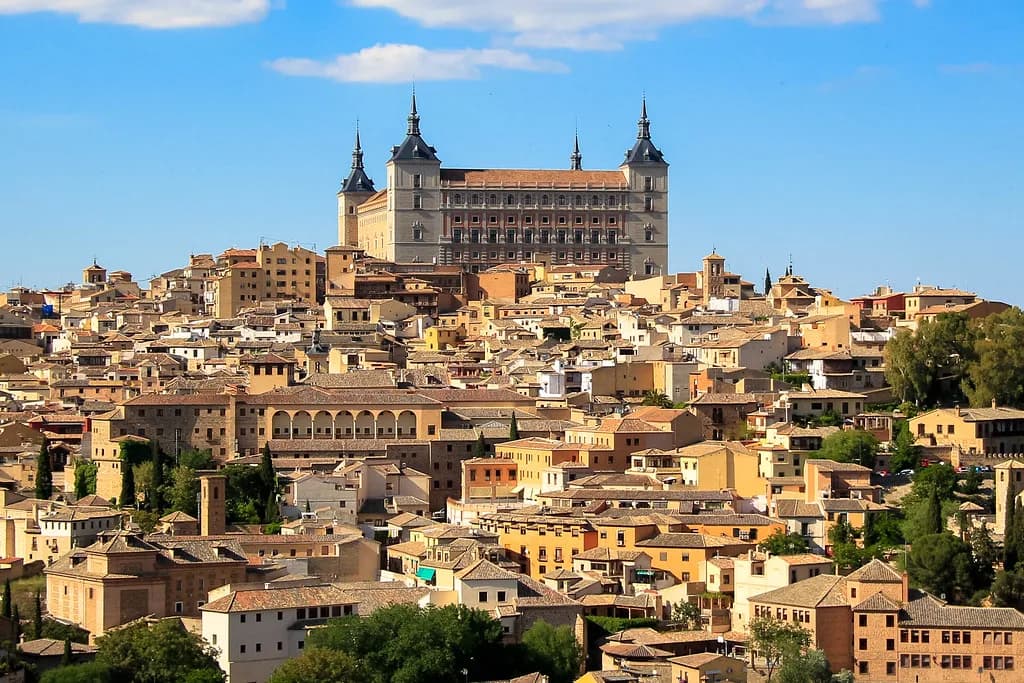
Toledo, a UNESCO World Heritage city perched above the Tagus River, becomes a stage for one of Spain's most heartfelt Holy Week celebrations. Declared a Festivity of International Tourist Interest, Semana Santa in Toledo draws visitors who want to witness religious processions winding through streets that have changed little since the Middle Ages. The narrow alleys and ancient plazas amplify the drama, especially when processions take place after dark.
Planning a trip around Holy Week means understanding that this is a movable feast tied to the lunar calendar, so dates shift each year. The celebration runs from Palm Sunday through Easter Sunday, with the most significant events on Maundy Thursday and Good Friday. Because the exact dates vary, always confirm the current year's schedule on official sources before booking travel.
Overview of Semana Santa in Toledo
Semana Santa in Toledo is characterized by the solemn nature of its processions, which are organized by local brotherhoods known as cofradías. These groups have centuries of history and are known for their skill in maneuvering large floats, or pasos, through the city's narrow streets. The atmosphere is especially evocative at night, when candlelight and incense fill the air.
During Holy Week, many of Toledo's churches, convents, and monasteries that normally remain closed open their doors to host religious services. This offers a unique opportunity for visitors to glimpse the city's rich religious heritage up close. The festival is deeply rooted, with traditions dating back centuries, making it a profound experience for believers and culture seekers alike.
The official tourism portal of Spain notes that the Easter week in Toledo will next be celebrated from March 21 to March 28, 2027, but since these dates are for a future year, travelers should check the official Semana Santa website for the most current calendar. The city publishes detailed schedules closer to the event.
Key Processions and Traditions
While every day of Holy Week features processions, Maundy Thursday and Good Friday stand out in Toledo. These are the days when the most elaborate pasos take to the streets, depicting scenes from the Passion of Christ. Each procession is a moving tableau, with intricately carved statues, fresh flowers, candles, and sometimes precious metals adorning the floats.
Participants include nazarenos, who wear traditional robes and tall, pointed hoods, often carrying candles or crosses. Some processions feature women dressed in black mantillas, silently carrying rosaries, while bands play solemn music or drummers mark the rhythm. The effect is both beautiful and sobering, as crowds watch in reverent silence.
The tradition of parading pasos through the streets dates back to the 15th century, when the Catholic Monarchs used these dramatic representations to teach the story of Christ's death and resurrection to a largely illiterate population. Today, these processions remain a powerful expression of faith and cultural identity, not only in Toledo but across Spain. To see how other cities celebrate, you can explore our guide to festivals in Spain, which covers Las Fallas and other major events.
What to Expect as a Visitor
Attending a procession in Toledo is an immersive experience. Street vendors sell snacks and souvenirs, and families gather hours in advance to secure a good spot. The atmosphere is often described as a mix of carnival and religious devotion: children sit on shoulders, and the crowd grows quiet as the first incense smoke appears. Expect large crowds, especially on Good Friday.
Be aware that entire areas of the city may close to traffic, and foot access to some streets becomes difficult during major processions. Visitors are strongly advised to download the official Semana Santa app for Toledo or check with the tourist office for maps and times. The website semanasantatoledo.com provides contact and schedule details.
If you plan to attend, make hotel reservations well in advance, as accommodations fill quickly. Also book dinner reservations early and allow extra time if your restaurant lies along a procession route. Traditional Spanish dining hours may shift during Holy Week, with many establishments closing on Maundy Thursday and Good Friday.
How to Find Current Schedules
Procession routes and times vary each year, and no official schedule is published year-round. The most reliable sources are the official Semana Santa Toledo website (semanasantatoledo.com) and the city's tourism office. They typically release detailed programs a few weeks before Holy Week begins.
In addition to online resources, look for printed booklets in cafes, shops, and hotels. These often contain maps of the procession routes. The official Spain tourism page for Easter week in Toledo provides contact email and website information.
Because schedules are not available far in advance, travelers should verify dates and times once they are announced. Keep in mind that processions can run late into the night, especially on Good Friday, when the last paso may not return to the cathedral until after midnight.
Practical Tips for Your Visit
Wear comfortable shoes because you will likely stand for long periods on cobblestones. Bring a light jacket, as evenings can be cool. And remember that Toledo's hills and narrow streets can make navigating during crowded processions challenging, so give yourself extra time to reach your chosen viewpoint.
If you are also interested in other major Toledo celebrations, you might plan a trip around Corpus Christi, which takes place in late spring and is another grand religious procession. Check our guide to Corpus Christi in Toledo, Spain for details on that event.
For accommodation and parking information during major festivals, see our dedicated guide on Toledo Corpus Christi hotels parking. It includes practical advice that also applies to Holy Week visits.
Experience the Solemn Beauty
Toledo's Holy Week is a time when history, art, and faith converge in a series of moving spectacles. The processions offer a rare chance to see the city's religious treasures and to feel the weight of centuries-old traditions. With careful planning, you can witness these events comfortably and respectfully.
Before you go, confirm the current year's schedule through official channels and book your stay as early as possible. Whether you are a pilgrim or a cultural traveler, Semana Santa in Toledo is an unforgettable experience.
Frequently Asked Questions
What are the processions during Semana Santa?
During Semana Santa (Holy Week), processions are solemn parades where brotherhoods carry religious floats, called pasos, through the streets. These pasos depict scenes from the Passion, Death, and Resurrection of Christ. Participants, including nazarenos in pointed hoods and sometimes women in black mantillas, accompany the floats, often with music and incense. Each day has a specific theme, and the most elaborate processions typically occur on Maundy Thursday and Good Friday.
When is Holy Week in Toledo?
Holy Week is a movable celebration that takes place in late March or April each year. The dates change annually because they are tied to the lunar calendar. For example, the 2027 celebration is scheduled for March 21-28. To find the exact dates for your travel year, consult the official Semana Santa website or the Spanish tourism office.
How can I find the procession schedules?
Procession routes and times are published by the local tourism office and on the official Semana Santa website (semanasantatoledo.com). They usually release the program a few weeks before Holy Week. You can also download the Semana Santa app for Toledo or check with your hotel for printed booklets.
What should I know about street closures?
During major processions, large areas of the city may close to vehicle traffic, and foot access to some streets can be restricted. It is advisable to arrive early, use public transport, and avoid driving into the city during procession times. Check local announcements for closure maps.
Is Holy Week a good time to visit Toledo?
Yes, if you are interested in experiencing Spanish religious culture and don't mind crowds. This is one of the most authentic and atmospheric times to visit, offering a chance to see inside churches and monasteries that are usually closed. Just plan well in advance and be flexible.