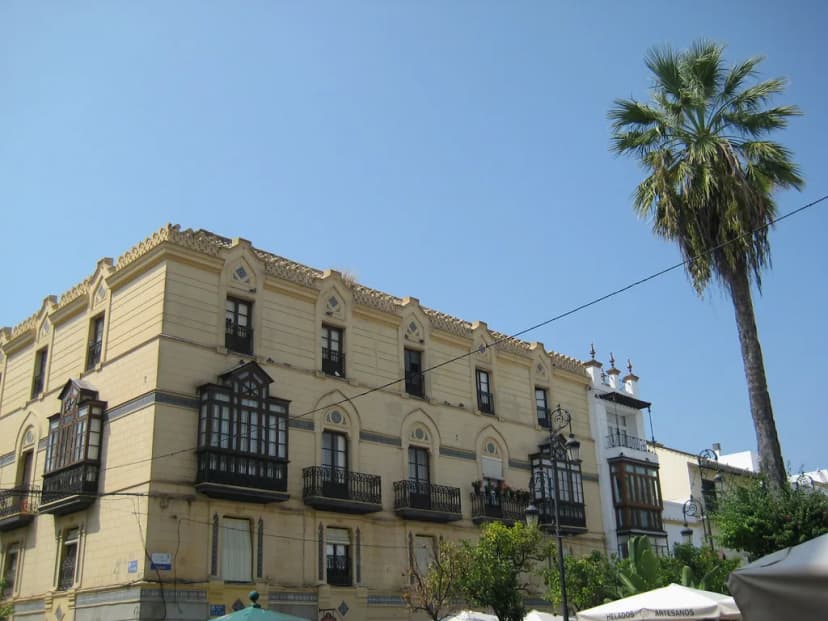
Holy Week, or Semana Santa, transforms Vejer de la Frontera into a stage of solemn devotion and festive tradition. Where larger cities draw enormous crowds, Vejer offers a more intimate encounter with the iconic processions of Andalusia. The town observes the full arc from Palm Sunday to Easter Sunday, blending religious drama with a uniquely local finale.
Brotherhoods parade with heavy, ornate floats, and the narrow streets of the old town echo with brass bands and the shuffle of feet. Because the event depends on the liturgical calendar, the precise dates shift every year, so you'll need to verify the schedule in advance. This guide looks at the traditions, what to expect from the processions, and how to plan a visit that respects the local customs.
Understanding Semana Santa: Pasos, Nazarenos, and Brotherhoods
The central figures of Semana Santa are the 'pasos' – large, ornate floats bearing carved scenes of the Passion of Christ or sorrowful statues of the Virgin Mary. These heavy platforms are carried on the shoulders of around fifty costaleros, who are members of the local religious brotherhoods. They are not mechanized, so each carrier bears significant weight, and the procession progresses slowly with a distinctive swaying motion, as the statues appear to walk through the streets.
Accompanying the pasos are the 'nazarenos', marchers who wear the traditional pointed hoods (capirotes) and robes that hide all but their eyes. These penitents belong to various Catholic brotherhoods, and the colors of their robes distinguish each group. Originally, this anonymity allowed medieval penitents to walk the streets unrecognized; today, many still walk barefoot on the cold cobblestones as an act of penance. The brotherhoods are not historical re-enactments but living communities that draw volunteers from all walks of life, continuing a tradition that dates to the Middle Ages.
Key Processions in Vejer: Schedule Highlights from Palm Sunday to Easter Sunday
Observance in Vejer begins on Palm Sunday, but the main nightly processions start in earnest later in Holy Week. Based on past programs, such as the 2022 schedule, the town holds several distinct processions, each leaving from a different church and following a specific route through the historic center. These routes often wind through the same narrow lanes, allowing viewers to see multiple passes from a single spot, but the paths can vary slightly from year to year.
For example, the 2022 program showed a Friday of Pain procession from the San Divino Salvador church, while Holy Wednesday featured a procession honoring the Holy Christ of the Olive. Maundy Thursday saw three processions leaving from the Divino Salvador church, and Good Friday included the Procession of the Holy Burial and Solitude. As the dates of Easter change each year, always consult the official tourist office or the town council's website for a current schedule, as the specific brotherhoods and their routes are not fixed.
The nightly processions can be long and moving, but it's wise to be prepared for their duration, as a full program may extend into the early hours. The schedule is a delicate ballet of tradition and logistics; rain has been known to cut these processions short, as getting the statues wet is considered bad luck and can damage the antique silver. For a more straightforward experience, check the forecast before you travel, and have a contingency plan for indoor activities in the village.
Notable Brotherhoods and Their Pasos
Several brotherhoods are known to process in Vejer, each with its own treasured figures and distinct character. The brotherhood of Nuestro Padre Jesús Nazareno, María Santísima de los Dolores y San Juan Evangelista, for example, has historically led a grand procession on Maundy Thursday. Their pasos include a Jesus figure carved in the 17th century and a Virgin from the 19th century, making these not just religious icons but also valuable artworks.
Another significant procession is that of the Holy Christ of the Olive, led by the brotherhood of Nuestra Señora de la Oliva Coronada, with a baroque figure dating from the 18th century. On Good Friday, the brotherhood of Santísimo Cristo de la Caridad en su Santo Entierro y María Santísima de la Soledad carries a more modern Christ carving from 2004, paired with a Virgin from 1942. Remember that the naming and participation of brotherhoods can change, so what you see in any given year may be different.
The artisanship of these pasos is a point of local pride. Unlike the imposing floats of Seville or Málaga, Vejer's processions feel more intimate, and the detailed figures are visible up close as they pass by. Have a look for the flowers, candles, and silver canopies that adorn the floats, which are often financed and maintained by the brotherhoods themselves. To truly understand the role of these objects in the community, consider visiting one of the churches during the day to see them displayed.
The Easter Sunday Bulls in Vejer
The solemnity of the week breaks on Easter Sunday with a secular event: the running of the bulls. Although not a traditional religious procession, this is one of the most anticipated traditions in Vejer, drawing large crowds to the streets. In the past, two or three bulls have been released one by one, charging along a designated route, such as down Juan Relinque street, with participants and spectators alike keeping a safe distance.
The event is more of a spectacle than a full bullfight, and it is followed by music and a festive atmosphere. If you are not used to such events, it is best to watch from a secure vantage point, such as a raised balcony or a rooftop, to avoid the chaos at street level. The specific release times and the number of bulls have varied, so check the local program before the day. The running is not an organized race but a spontaneous street event, so it's essential to be aware and follow the guidance of local stewards.
Tips for Watching Processions Without Overcrowding
Unlike the packed spaces in Seville, Vejer's processions can be enjoyed without being shoulder-to-shoulder, but you need a bit of strategy. Arrive early to claim a spot along the principal route, particularly near the narrowest points, like around the Judería, where the procession will pass slowly and you can see the fine details of the pasos. The processions move slowly, so a good spot can give you several minutes of viewing as they approach, pass, and depart.
If you prefer a quieter view, look for the stretches of the route that are wider and therefore less contested, or find a place near one of the secondary churches that serve as a starting point. Many spectators seek out windows or terraces overlooking the route; renting a balcony seat from a local home or bar is possible, and booking early for the week is a good idea for the best views. Remember that the processions are not shows performed for tourists; they are acts of devotion, so keep the noise down and refrain from using flash photography when the pasos pass you.
Aim to arrive at least 30 minutes before the expected start time for a prime spot, and bring a folding chair if you are not planning to walk much. Also, be ready for traffic closures in the old town, as the streets involved are closed during the processions. That being said, the atmosphere is generally relaxed, and you can easily move between spots if you are willing to wait for the next night's procession.
Plan Your Visit: Accommodation, Transport, and Nearby Events
To experience Semana Santa in Vejer, it is advisable to book your stay months in advance, as it is a popular period in the province of Cádiz. The town is a hilltop village with narrow streets, so be aware that parking is limited and often outside the walls. If you are staying in nearby cities like Cádiz or Jerez, consider a day trip, but keep in mind that public transport schedules may be reduced during the holidays.
Vejer is part of the famous 'Pueblos Blancos' (white villages) route, and it is well-connected to the Costa de la Luz beaches. You can combine your visit with exploring other towns such as Conil, Tarifa, or Barbate, all within a short drive. If you have time, a self-guided walking tour is an excellent way to get to know the town at your own pace.
For a deeper look at Andalusian Holy Week, you might consider the more famous processions in Seville or Málaga, but expect significantly larger crowds. In contrast, Vejer provides an authentic, local experience without the tourist hordes. If you have any dietary or accessibility requirements, research the narrow streets and cobbles in advance, as the terrain can be challenging for some visitors.
Whether you're drawn by the religious significance or the cultural spectacle, Semana Santa in Vejer is an unforgettable event. Remember to confirm the exact dates and schedule from the tourist office closer to your trip. For exploring other celebrations across Spain, check out this guide to festivals in Spain.
Plan Your Visit
Semana Santa in Vejer de la Frontera is a beautiful mix of solemn tradition and festive energy. With its smaller scale and passionate participants, you can get closer to the heart of this Andalusian celebration than you might in larger cities. By going with an open mind, dressing for the cool evenings, and having an appetite for beautiful sights and sounds, you will have a memorable Holy Week.
Make sure to check with the official tourism office or the town hall for the latest processional schedules, as the exact calendar and brotherhood line-ups are published a few weeks before the event. With some flexibility and a little planning, you can enjoy the processions, the rural landscape, and the vibrant local life that define this unique corner of Spain.
Frequently Asked Questions
When is Semana Santa in Vejer de la Frontera?
Semana Santa takes place in the week leading up to Easter Sunday, so the exact dates change every year, typically falling in March or April. The processions run from Palm Sunday through Easter Sunday, but you should consult the official tourist office for the current year's schedule.
How long are the processions in Vejer?
In Vejer, a typical procession last around four hours. This duration is because the heavy floats are carried on shoulders at a slow pace, with frequent stops, such as when the floats pause to pay homage in front of churches along the route.
Where can I watch the processions in Vejer?
The processions follow routes through the old town, passing narrow streets and squares. You can watch from street level by arriving early to secure a spot, or you might find a place on a balcony or a rooftop overlooking the route. Some businesses offer terrace seating, but it is best to ask locally.
Are there bulls during Semana Santa in Vejer?
Yes, on Easter Sunday, Vejer holds a traditional running of the bulls. Unlike the religious processions, this is a secular event, and typically two or three bulls are released one by one through the streets. The exact times and route are announced in the local program.
Do I need to buy tickets for Semana Santa in Vejer?
No, the religious processions are open-air and free to watch. You don't need tickets to stand on the street. However, if you want a seat on a balcony or other vantage point, you may need to reserve that privately, and it might involve a charge.