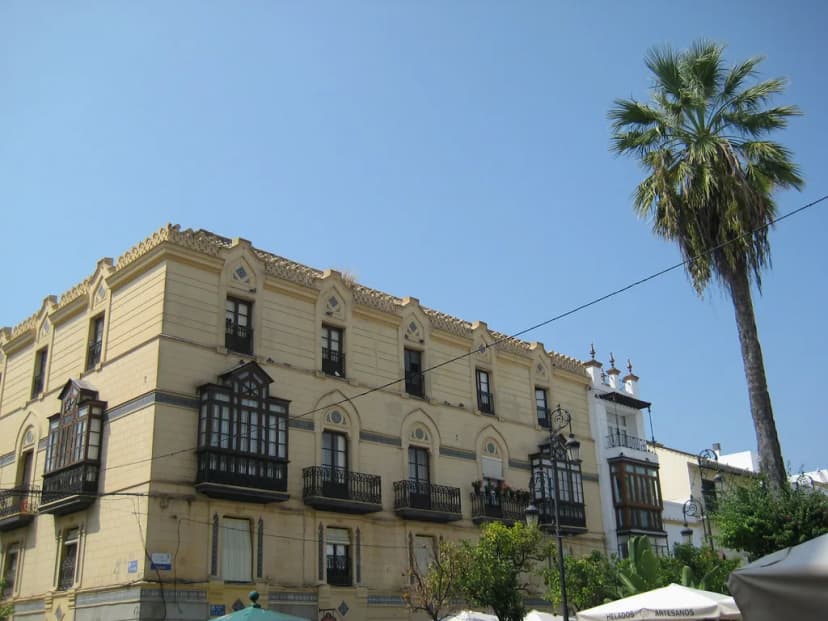
Semana Santa in Sanlúcar de Barrameda is one of Andalusia's most authentic Holy Week celebrations, yet it remains refreshingly off the main tourist trail. Each spring, the town's brotherhoods carry ornate floats through narrow, winding streets, offering a more intimate counterpoint to the massive processions of Seville. The celebration runs from Domingo de Ramos (Palm Sunday) through Domingo de Resurrección (Easter Sunday), with processions held daily except on Sábado Santo (Holy Saturday).
If you're planning a trip to experience this coastal town's traditions, our guide covers everything from the key numbers and official route to the roles of costaleros and nazarenos. You'll also find practical tips on where to watch and how to get the latest schedules. For a broader look at Spanish festivities, see our overview of festivals in Spain.
When Is Semana Santa in Sanlúcar? Understanding the Dates and Schedule
Semana Santa follows the Catholic liturgical calendar, so the specific dates shift each year, typically falling in March or April. In 2026, the celebration took place from March 29 to April 5. Processions generally begin in the late afternoon and continue into the early hours, with two to four processions running daily from around 16:00 to 3:00 in the morning.
Because dates vary annually, it's essential to check the official program for the current year. The town's tourism office publishes schedules, and digital platforms like semanasantasanlucar.es provide up-to-date itineraries. Always verify the exact dates and times before planning your visit, as they are confirmed closer to the event.
Key Facts: 15 Hermandades, 26 Pasos, and the Official Route
Sanlúcar de Barrameda's Semana Santa involves 15 hermandades (brotherhoods) and 26 pasos (religious floats), a scale that reflects the town's deep cofrade tradition. The Junta de Andalucía's cultural agenda notes that some brotherhoods are several centuries old, adding historical depth to the processions.
All processions follow an official route, known as the carrera oficial. This route typically begins in the Barrio Alto (uptown) at Calle Cárcel, passes by the church of Nuestra Señora de la O, and concludes at the end of Calle Ancha. The official route is designed so spectators can catch multiple processions from one spot, and printed or digital itineraries list the times each paso passes key points.
The Processions: From Domingo de Ramos to Domingo de Resurrección
The week opens on Domingo de Ramos with processions that include a paso depicting Jesus's entry into Jerusalem, often featuring palm branches and a donkey. Daily processions then reenact scenes from the Passion, with each hermandad parading one or two floats—one for Christ and one for the Virgin Mary. On Jueves Santo (Holy Thursday) and Viernes Santo (Good Friday), the most solemn processions occur, with some participants marching in silence.
Sábado Santo stands out as a day of reflection, dedicated to the Easter Vigil across the Diocese of Asidonia-Jerez, to which Sanlúcar belongs. No processions are held that day, allowing participants and spectators a pause before the climactic Domingo de Resurrección, when the Risen Christ is celebrated with joy. The 2026 edition followed this pattern, as confirmed by the Junta's cultural calendar, which listed events from March 29 to April 5.
What Makes Sanlúcar's Semana Santa Unique? Itineraries and Atmosphere
Unlike the grand, wide avenues of Seville, Sanlúcar's processions navigate narrow, sometimes abrupt streets in the historic quarter. The Junta de Andalucía highlights that the particularity of Sanlúcar's Semana Santa lies largely in its itineraries, which can be challenging for the costaleros who carry the floats. This creates a more intimate, almost spontaneous atmosphere as processions squeeze through tight corners and climb gentle slopes.
Because the town is smaller and less known internationally, visitors often find it easier to get close to the action. However, don't assume it's always less crowded—local residents and pilgrims fill the streets, especially on Good Friday. The experience offers a genuine connection to the community's faith, punctuated by spontaneous saetas and traditional processions.
Understanding the Participants: Costaleros, Nazarenos, Mantillas, and Saetas
The floats, or pasos, are carried by teams of costaleros, who bear the weight on their necks and shoulders, guided by a capataz who coordinates their steps. This method differs from other cities where carriers might kneel or use shoulder pads. Each paso can weigh over a ton, requiring dozens of strong individuals working in unison—a demanding physical task that is both a tradition and an act of devotion.
Walking alongside the floats are nazarenos—penitents who wear robes and pointed hoods, often in colors that signify the brotherhood's character. On Holy Thursday and Good Friday, you may see las mantillas, women dressed in black mourning clothes with a traditional lace veil over a high comb, symbolizing piety. During the processions, you might also hear a saeta, an improvised flamenco-style song sung a cappella from a balcony or the street, directed at the float as a form of prayer.
Where to Watch: Best Spots Along the Carrera Oficial and Beyond
The easiest place to view processions is along Calle Ancha, the main wide street that serves as the final stretch of the carrera oficial. You can stand at the curb or find a spot near the barriers, but note that boxed seating on Calle Ancha is typically reserved for locals and brotherhood members—it's not available to the public. Instead, plan to stand or arrive early to secure a good view.
Another option is to book a hotel or apartment with a balcony along the official route, providing a private vantage point. Alternatively, explore side streets in the Barrio Alto, where you can catch processions before they reach the main route. These narrower streets often offer a closer look at the floats as they maneuver, though you may need to follow the crowds to find the best spots.
For a richer experience, consider staying for the entire week to see different brotherhoods and their distinct atmospheres—from the solemn silent processions of the Silencio to the more colorful and musical outings. The variety ensures that no two nights are alike.
How to Plan Your Visit: Getting Schedules, Using Apps, and Finding Accommodation
Before you go, download the official processional schedules from the town's tourism office or the website semanasantasanlucar.es, which publishes itineraries for each day, including start times, routes, and pass-by times. The Sanlúcar Cofrade app offers real-time locations of the pasos, allowing you to track a procession's progress and plan your route around town efficiently.
The Sanlúcar Cofrade website also lists each hermandad, with details on their history and processional customs, useful for understanding what you'll see. For accommodation, book well in advance, especially for the weekend of Palm Sunday and Easter Sunday, as hotels and rental apartments fill up quickly. Aim to stay within walking distance of the city center to join the processions easily.
Practical Tips for First-Timers: What to Expect and How to Respect Traditions
Semana Santa is first and foremost a religious observance, so dress modestly and maintain a respectful silence during particularly solemn moments. It’s common to see people crossing themselves as a float passes, and you should avoid blocking their path. Show patience if the crowds are dense, and always follow the instructions of marshals and local police.
Bring comfortable shoes, as you may stand for hours or walk between vantage points. Snacks and water are useful, but note that some streets may be closed to traffic during processions. If you want to capture photos, be discreet—flashes can distract the costaleros. Remember that processions can be delayed, so check the real-time updates if you have a strict schedule.
Comparing Sanlúcar with Seville: A Quieter Alternative
Seville’s Semana Santa is world-famous for its sheer scale, with dozens of brotherhoods processing for hours through the city’s historic core. In contrast, Sanlúcar’s celebration is smaller and more intimate, allowing you to experience the essence of Holy Week without the overwhelming crowds. Travelers often report that it’s easier to get close to the floats and to feel part of the local community.
It’s worth noting that travel costs—accommodation, dining, and transport—in Sanlúcar are often lower than in Seville, though prices can rise during the holiday period. As with any destination, verify current rates and availability. Choosing Sanlúcar doesn’t mean missing out on Andalusian charm—you'll find the same fervor, but with the added benefit of the town’s coastal location and its famous manzanilla wine, which you can explore further in our guide to the Feria de la Manzanilla in Sanlúcar de Barrameda.
Experience Holy Week the Sanlúcar Way
Semana Santa in Sanlúcar de Barrameda offers a profound and welcoming way to observe Holy Week in Andalusia. With 15 brotherhoods, 26 pasos, and a route that weaves through the old town, you'll witness centuries-old traditions in a setting that feels personal rather than performative. Whether you're a first-timer or a seasoned traveler, the key to a successful visit is to plan ahead and stay flexible.
For more practical details on what to expect—from dress codes to balcony etiquette—browse our dedicated guide to Semana Santa Sanlúcar traditions and tips. We also recommend pairing your trip with theRomería de El Rocío from Sanlúcar if your dates align, but for now, we hope this guide helps you immerse yourself in the rhythms of Sanlúcar’s Holy Week.
Related festival guides
Frequently Asked Questions
When is Semana Santa in Sanlúcar de Barrameda?
Semana Santa takes place each year during the week leading up to Easter Sunday. The exact dates vary annually, typically falling in March or April. Check the official program released by the local tourism office or the Consejo Local de Hermandades y Cofradías to confirm the current year's schedule.
How many brotherhoods participate in Sanlúcar's Semana Santa?
Sanlúcar de Barrameda has 15 hermandades, or brotherhoods, that process during Semana Santa, parading a total of 26 pasos. These brotherhoods have been part of the town's cultural heritage for centuries, with some dating back many generations.
What is the official route for the processions?
All processions follow a defined 'carrera oficial' route that begins in the Barrio Alto, passes by the church of Nuestra Señora de la O, and ends on Calle Ancha. Schedules list estimated times for each point so you can plan where to watch.