Last updated July 2026: Sartiglia Oristano draws crowds to Sardinia every Carnival with a masked equestrian tournament unlike any other festival on the island. Riders from two historic guilds gallop down Via Duomo trying to spear a hanging star, led by a rider transformed into a genderless deity for one day only. This guide covers the ritual phases, the Sunday-versus-Tuesday choice, ticket prices, and the parking and food logistics that catch first-time visitors off guard.
What Is Sa Sartiglia? Oristano's Sacred Horse Race
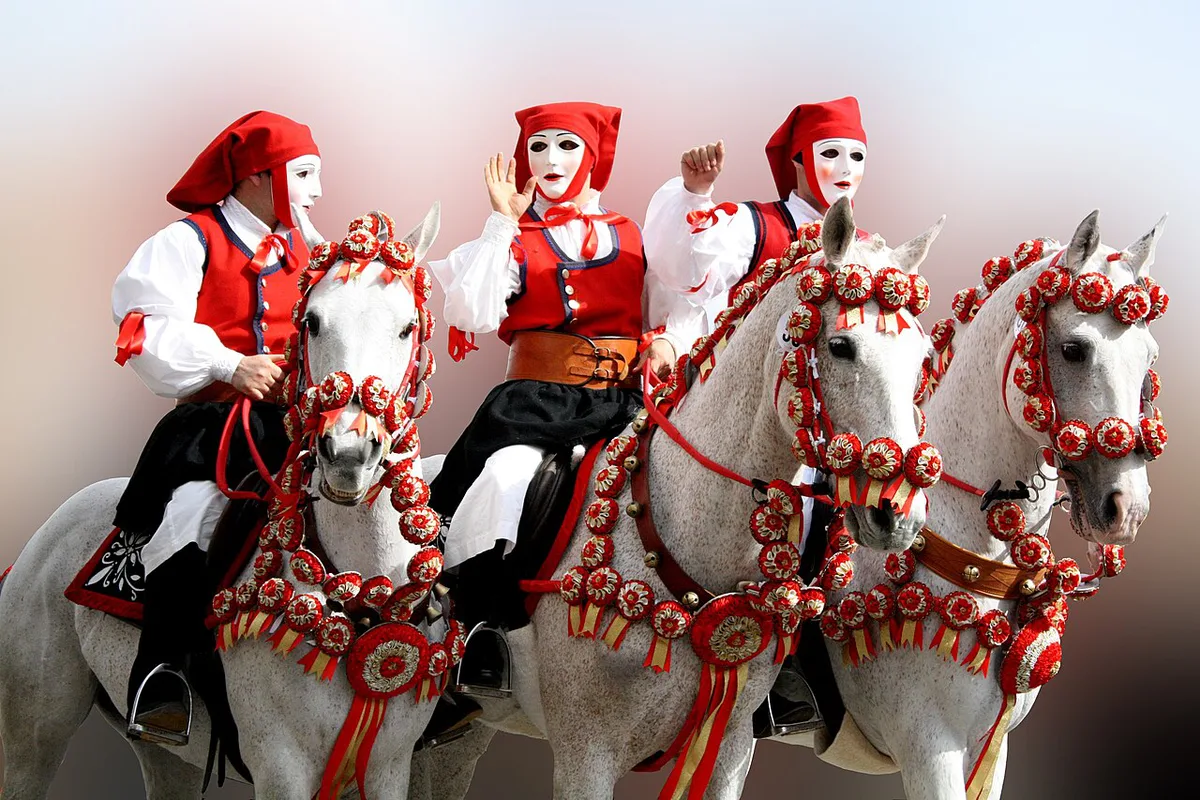
Sa Sartiglia is a masked equestrian tournament held on the last Sunday of Carnival and on Shrove Tuesday in Oristano, a city on Sardinia's west coast. Riders gallop at full speed down Via Duomo, aiming a sword at a star-shaped token hung overhead, and a clean hit is treated as a good omen for the coming harvest. Su Componidori, the event's central figure, is dressed in a ritual that erases gender. Once the mask, veil, and black top hat are fastened, Is Massaieddas — the young women who dress him — treat him as neither man nor woman until it comes off again. That transformation, more than the horsemanship, is what separates Sartiglia Oristano from a standard carnival parade. The name Sartiglia derives from the Castilian sortija and the Catalan sortilla, both rooted in the Latin sorticola, meaning ring. It nods to the ring-and-lance jousts that came before the star joust. Historians trace the format to military training exercises the Crusaders brought west between 1118 and 1200, adapted from games long practiced by Saracen horsemen. Its roots in Oristano itself trace to a documented payment for black cloth used in a 1546 celebration honoring Emperor Charles V, the earliest known local record of the race. The Centro di Documentazione e Studio sulla Sartiglia, at Via Eleonora 15, researches and preserves that history for anyone who wants a deeper look. The event carries a similar communal intensity to the Palio di Siena: 8 Things to Know Before You Go, where rival city districts compete for civic pride. It shares the reverent, guild-run structure of the Corsa dei Ceri in Gubbio, another ritual race rooted in medieval guild tradition.
Sartiglia Oristano Dates, Tickets, and the Next Edition
Sa Sartiglia runs every year on the last Sunday of Carnival and on Shrove Tuesday, the day before Ash Wednesday. The 2025 edition ran on 2 and 4 March. The 2026 edition, confirmed by the organiser, ran on 15 and 17 February, and had already taken place by the time of this update. Carnival's dates shift each year with Easter, so the next edition's exact dates were not yet announced by the organiser as of this update. Expect it in February or March, computed from the same recurrence rule, and confirm the exact days on sartiglia.info closer to the date.
- Grandstand seating: priced between 17€ and 47€ in recent editions, sold at the ticket office in central Oristano or online in advance.
- Sell-out risk: tickets for the Corsa alla Stella and the Pariglie have sold out well before race day in past editions.
- Free viewing: the street route along Via Duomo and Via Mazzini is open to standing spectators at no cost, though space fills early.
- Sa Sartigliedda: a reduced children's version of the race runs on the Monday between the two main days, staged entirely on Via Duomo.
- Streaming: sartiglia.info offers a live stream of the race for anyone without a grandstand seat or unable to travel.
Grandstand Seating vs Standing in the Street
Every visitor faces the same choice at Sartiglia: pay for a fixed seat, or stand for free and stay mobile. Neither option is wrong, but they suit different priorities and budgets. Because both race days draw large crowds, booking a grandstand seat in advance is the safer route for anyone who wants a guaranteed sightline. A grandstand seat locks in a clear view of the moment the sword meets the star, the most photographed instant of the day. Standing in the street costs nothing, but it rewards only those who claim a spot early, especially along Via Duomo where the crowd is thickest.
| Option | Typical Cost | Best For | Trade-off |
|---|---|---|---|
| Grandstand seat | 17€–47€ | Photographers, families, a guaranteed sightline of the star joust | Fixed location; must book before editions sell out |
| Standing in the street | Free | Budget travelers who want to move between Via Duomo and Via Mazzini | No guaranteed view; arrive early to claim a spot |
| Live stream | Free | Anyone without a ticket or unable to travel to Oristano | No atmosphere; a lower vantage than being on-site |
The Four Ritual Phases of Sa Sartiglia
Sartiglia unfolds in four set-piece phases, each staged in a different part of Oristano's old town. Together they move from private ritual to public spectacle and back again.
The Corsa alla Stella draws 120 in total riders, with the final round using su stoccu, the formal name for the wooden rod substituting for the sword.
- La Vestizione (the Dressing): Is Massaieddas, led by Sa Massaia Manna, dress Su Componidori at the Gremio's headquarters, seating him on a small table called sa mesitta. Once the mask, veil, and top hat are fastened, he cannot touch the ground again until the ritual ends.
- Corsa alla Stella (the Star Joust): the procession moves to Via Duomo, where Su Componidori rides first at the star-shaped token, then chooses which of the other riders — up to 120 in total — get to attempt the same pierce. The final round is run with su stoccu, a wooden rod instead of a sword, and a rider who pierces the star on the second day is awarded a small gold star. The joust closes with Sa Remada, a backward gallop lying flat across the horse while blessing the crowd with Sa Pippia de Maju.
- Le Pariglie: the procession relocates to Via Mazzini, where riders in teams of three perform standing and acrobatic stunts at full gallop.
- La Svestizione (the Undressing): back at the Gremio's headquarters, drummers mark the removal of the mask. Su Componidori becomes human again, and only then can the crowd approach and congratulate him.
Sunday vs Tuesday: Which Day of Sartiglia Oristano to Choose
The two race days are organized by different guilds, and the difference shows up in atmosphere as much as in program. Sunday and Tuesday both include the same four phases, but the crowds, colors, and sense of occasion vary. Both days draw large crowds, so arriving early matters no matter which one is chosen. Tuesday carries the added weight of being the last celebration before Lent, which shifts the mood toward a more emphatic send-off.
| Day | Guild | Patron Saint | Standard Color | Notes |
|---|---|---|---|---|
| Sunday | Gremio dei Contadini (Farmers' Guild) | Saint John the Baptist | Red | Traditionally regarded as the primary day of the two |
| Tuesday (Shrove Tuesday) | Gremio dei Falegnami (Carpenters' Guild) | Saint Joseph | Pink and light blue | Closes Carnival before Ash Wednesday, with its own Su Componidori |
Key Figures and Symbols to Know Before You Go
A handful of names recur throughout every account of Sartiglia. Knowing them beforehand makes the ritual easier to follow in real time.
Su Componidori is chosen on 2 February during Candelora, weeks before race days that fall in February or March depending on Easter's date.
- Su Componidori: the masked leader of the race, chosen weeks earlier on 2 February during the Candelora celebration, and treated as a genderless deity for the day.
- The Gremi: the historic guilds — Contadini (farmers) and Falegnami (carpenters) — that fund, organize, and supply riders for the event.
- Is Massaieddas: the young women, led by Sa Massaia Manna, who dress Su Componidori during La Vestizione.
- Sa Pippia de Maju: the double-ended sceptre of violets and periwinkle that Su Componidori uses to bless the crowd.
- Sa Remada: the backward gallop, performed lying flat across the horse, that closes the Corsa alla Stella.
- Su Stoccu: a wooden rod used in place of the sword for the final round of the star joust.
- Drummers and Trumpeters: a mounted herald, escorted by drummers and trumpeters, opens race day by reading the announcement through Oristano's streets and inviting the public to watch.
Surviving Carnival in Oristano: Parking, Food, and Where to Stand
Oristano's old town closes to traffic for Sartiglia, and practical friction, not the ritual itself, is what catches most first-time visitors off guard.
- Parking: arrive before mid-morning. Central spaces fill fast, and latecomers often end up parking several streets away, so note your parking street before walking off.
- Footwear: wear comfortable, closed-toe shoes. Expect several hours of standing and walking on packed dirt tracks laid down for the horses.
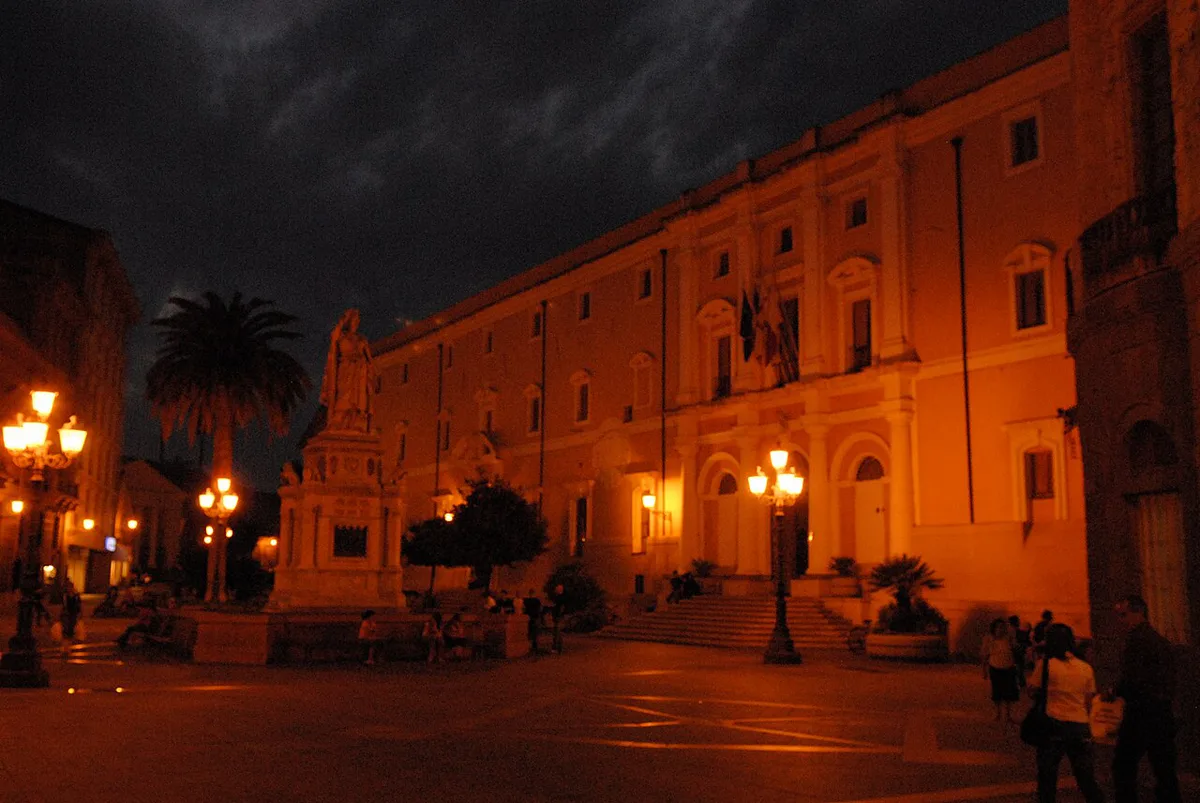
- Food: stalls around Piazza Eleonora d'Arborea sell grilled meat, hot dishes, and sandwiches, with long queues during peak hours. Some restaurants that are normally open close for the holiday, so book dinner well ahead.
- Timing: La Vestizione happens privately at the Gremio's headquarters before the public street events begin, so arriving right at the published start time still means missing the earliest ritual moment.
- Overnight stay: staying at least one night in Oristano avoids the worst of the post-event traffic and leaves the evening program open.
- Backup plan: if grandstand tickets are gone and street space is too tight, sartiglia.info's live stream is the fallback.
Mistakes First-Time Visitors Make at Sa Sartiglia
A few avoidable errors show up again and again among visitors who plan a Sartiglia trip around a typical carnival instead of this specific ritual.
- Arriving after mid-morning: the best viewing spots and parking near the old town fill early, well before the Corsa alla Stella begins.
- Trying to cross the race route: Via Duomo and Via Mazzini close to pedestrians once the joust and Pariglie begin, and crossing mid-race is dangerous.
- Expecting floats and costumes like a typical carnival: Sartiglia is a solemn, ritualistic event built around a single masked figure, not a parade of decorated floats.
- Skipping dinner reservations: restaurants near the route book up or close outright, and walk-ins after the race often find nothing open.
For trip-planning details, see Sa Sartiglia official source and Sardegna Turismo regional board.
Frequently Asked Questions
When is the next Sartiglia in Oristano?
Sa Sartiglia always falls on the last Sunday of Carnival and on Shrove Tuesday, the day before Ash Wednesday. Organisers confirmed the 2026 edition for 15 and 17 February, already past by the time of this update. Next year's exact dates were not yet announced as of this update; expect it in February or March, computed from the same recurrence rule, and confirm on sartiglia.info closer to the date.
How much do Sartiglia tickets cost?
Grandstand seating for the Corsa alla Stella and Pariglie has been priced between 17€ and 47€ in recent editions. Seats are sold at the ticket office in central Oristano or online, and booking early matters because grandstand tickets have sold out before race day in past editions. Standing in the street along Via Duomo or Via Mazzini is free.
What does Su Componidori mean, and why is the rider androgynous?
Su Componidori is the masked leader chosen to open the race each year. Once Is Massaieddas fasten his mask, veil, and top hat during La Vestizione, tradition treats him as neither fully man nor woman until the mask comes off at day's end. That transformation is the ritual's central symbolic moment, more than any single stunt in the joust.
What is Sa Sartigliedda, and is Sartiglia good for kids?
Sa Sartigliedda is a reduced, children's version of the race held on the Monday between the two main Sartiglia days, staged entirely on Via Duomo. It reenacts the same rituals on a smaller scale and gives families a calmer, more accessible way to see the tradition without the Sunday or Tuesday crowds.
Do you need a grandstand ticket to watch, or can you watch for free?
Standing along the route on Via Duomo or Via Mazzini is free, though space fills early and views are not guaranteed. A grandstand ticket, priced 17€–47€ in recent editions, secures a fixed sightline of the star joust or the Pariglie. Anyone without a seat, or unable to travel, can also follow the event through the official live stream on sartiglia.info.
Should you go on Sunday or Tuesday?
Sunday is organized by the Gremio dei Contadini under Saint John the Baptist and is often treated as the primary day of the two. Tuesday, run by the Gremio dei Falegnami under Saint Joseph, closes out Carnival before Ash Wednesday with its own Su Componidori. Both days share the same four ritual phases, so the choice comes down to atmosphere and travel dates rather than substance.
Why is Sartiglia described as sacred rather than just a spectacle?
The event centers on Su Componidori's transformation from human to a genderless deity once La Vestizione is complete, a status the rider holds until La Svestizione removes the mask at day's end. Guild elders, not showmen, run every phase, and the star joust is read as a blessing for the harvest rather than pure competition. That ritual structure, more than the acrobatics of Le Pariglie, is what distinguishes Sartiglia Oristano from a typical carnival parade.