Last updated August 2026. Romaeuropa is Italy's most significant contemporary performing-arts festival, and it behaves less like a festival than like a two-month alternative season laid over the city. The 41st edition is confirmed for 8 September to 15 November 2026, spread across more than twenty venues. That structure — long, dispersed, venue-hopping — is the thing to plan around, because unlike a site-based festival there is no single place to simply turn up.
Dates and What the Festival Covers
The organiser confirms the 41st edition — billed as REF41 — running 8 September to 15 November 2026 on the official Romaeuropa site. Later editions are not yet published; the recurrence pattern points to a similar September-to-November run each year, which is expected rather than confirmed.
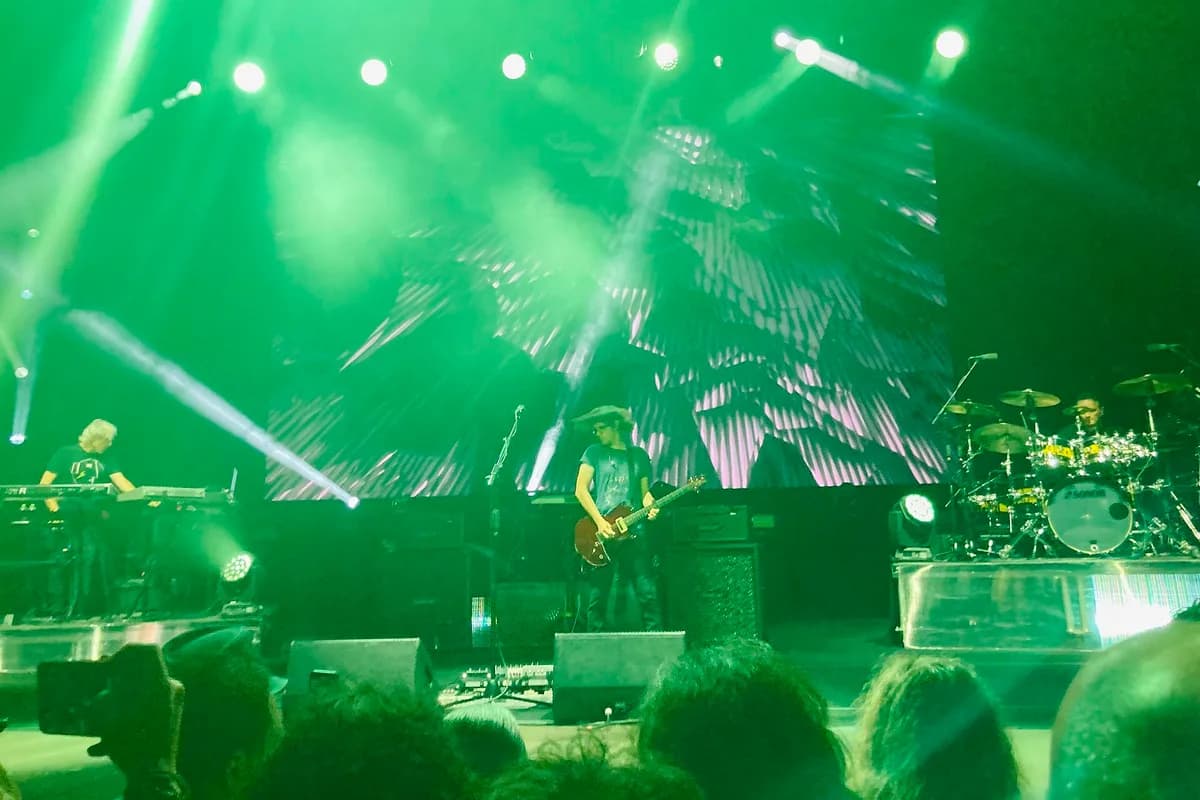
The programme spans contemporary dance, theatre, music, digital and interactive art, and a strand for children, with around ninety productions across roughly 240 performances from more than a thousand artists. The centre of gravity is contemporary and international rather than Italian heritage repertoire — this is where you see work that would otherwise play Brussels, Berlin or Avignon, not a Verdi season. If Italian opera is what you are after, the Arena di Verona and Florence's Maggio Musicale are the relevant festivals, not this one.
The Venues, and Which to Choose
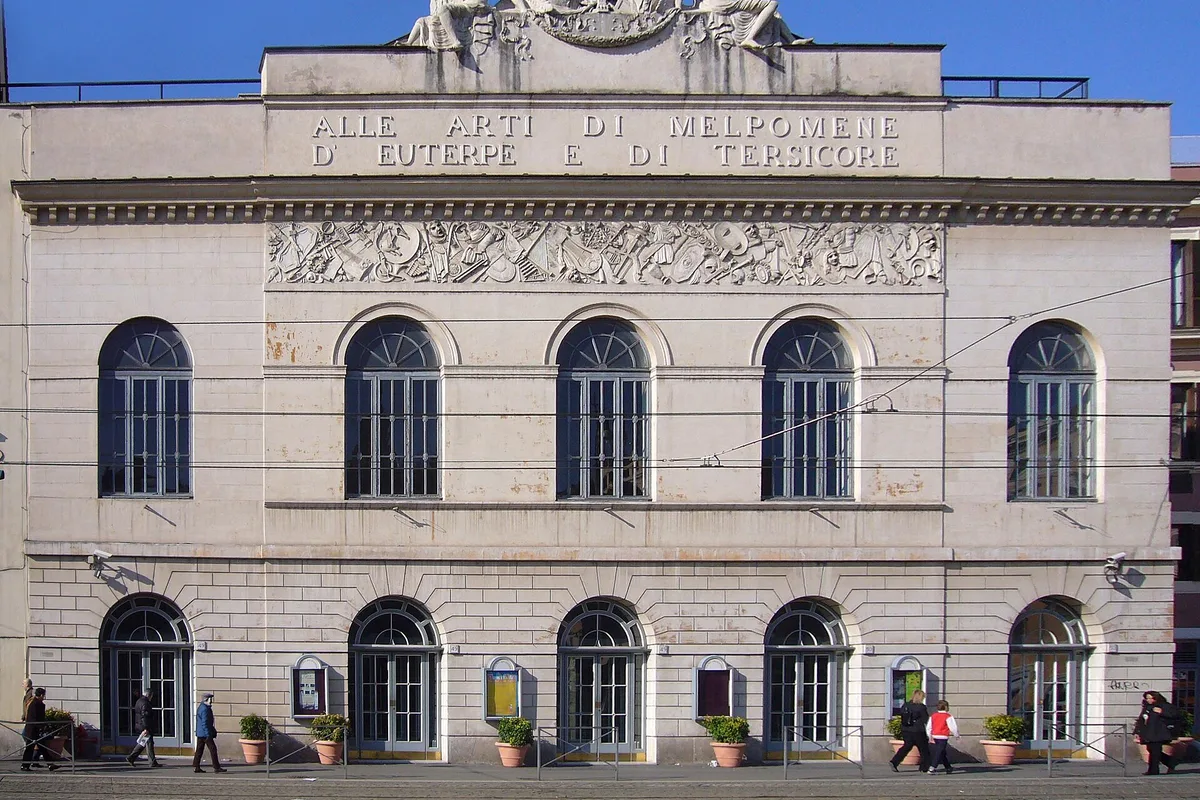
Romaeuropa's venue list is the practical heart of planning it, because the venues are scattered across very different parts of Rome and are not interchangeable. The festival's own listings name the Auditorium Conciliazione, the Auditorium Parco della Musica, Teatro Argentina, Teatro Vascello, the Mattatoio, the Teatro dell'Opera di Roma and Teatro Valle among its spaces.
They divide roughly into three groups. The central historic theatres — Teatro Argentina and Teatro Valle — sit in the middle of the centro storico and need no transport planning at all. The Auditorium Parco della Musica is north in Flaminio, reachable by tram 2 from Piazzale Flaminio but awkward late at night. The Mattatoio, a converted nineteenth-century slaughterhouse in Testaccio, is the festival's experimental space and the one most likely to host the work you cannot see anywhere else; it is walkable from Piramide on Metro Line B.
Build an evening around one venue, not two. Rome's surface transport between Flaminio, Testaccio and the centro storico is slow enough after dark that a double bill in different venues usually means missing the second half of something.
| Venue | Area | Access | Typical programme |
|---|---|---|---|
| Teatro Argentina | Centro storico | Walkable; buses on Corso Vittorio Emanuele II | Mainstage theatre |
| Teatro Valle | Centro storico | Walkable from Piazza Navona | Theatre, smaller scale |
| Auditorium Parco della Musica | Flaminio | Tram 2 from Piazzale Flaminio | Music, large-scale work |
| Mattatoio | Testaccio | Metro B to Piramide, then walk | Experimental, dance, digital art |
| Teatro Vascello | Monteverde | Bus or tram 8 to Trastevere, then uphill | Contemporary dance and theatre |
| Teatro dell'Opera di Roma | Esquilino | Metro A to Repubblica | Opera-house-scale productions |
Booking and Tickets
Tickets are sold per performance through the festival's online ticketing and its box office, which the official site lists as reachable by telephone on 06 4555 3050, Monday to Friday, 10:00–13:00 and 14:00–18:00, with a WhatsApp option alongside. Online sales run through the Vivaticket platform.
Because Romaeuropa spreads across two months, it does not sell out the way a compressed festival does — there is no single weekend everyone is competing for. Individual productions are a different matter: a well-known international company playing two nights at the Mattatoio can go quickly, while the same week's larger Auditorium programme stays open. Book the specific things you care about early and treat the rest as available.
When in the Run to Go
The festival's length is an advantage if you use it. September overlaps the tail of Estate Romana, so early in the run the city still has outdoor programming alongside it and the weather supports late evenings outside. October brings the Festa del Cinema di Roma into the same window, and mid-October is the one stretch where a single trip can take in international cinema and contemporary performance without compromise. November is quieter and colder, but it is also when Rome's ordinary tourist volume drops hardest, which makes it the best value if the performances are the whole point.
Accommodation is not distorted by this festival. Unlike a festival that seizes a small city, Romaeuropa is invisible in Rome's hotel market — you are booking against normal autumn tourism. That makes it one of the easier major European festivals to attend on short notice. The Rome festival calendar shows how the autumn run sits against the rest of the city's year.
Frequently Asked Questions
When is the Romaeuropa Festival 2026?
The 41st edition is confirmed by the organiser for 8 September to 15 November 2026, across more than twenty venues in Rome. Future editions are not yet published, though a similar September-to-November window is expected from the festival's recurrence pattern.
What kind of performances does Romaeuropa programme?
Contemporary work: dance, theatre, music, digital and interactive art, plus a children's strand. Recent editions have run around ninety productions across roughly 240 performances. It is an international contemporary festival rather than an Italian heritage or opera season.
Where does Romaeuropa take place?
Across more than twenty venues, including Teatro Argentina and Teatro Valle in the centro storico, the Auditorium Parco della Musica in Flaminio, the Mattatoio in Testaccio, Teatro Vascello in Monteverde and the Teatro dell'Opera di Roma. Venues are far apart, so plan an evening around one.
How do you book Romaeuropa tickets?
Per performance, through the festival's online ticketing via Vivaticket or its box office, listed on the official site as 06 4555 3050, Monday to Friday 10:00–13:00 and 14:00–18:00, with WhatsApp available. Popular single productions sell out; the two-month programme as a whole does not.
What is the best time in the festival run to visit?
Mid-October, if you want to combine it with the Rome Film Fest in the same trip. September still overlaps outdoor Estate Romana programming and warmer evenings. November is coldest but cheapest, with Rome's general tourist volume at its lowest.