Last updated August 2026. The Festa del Cinema di Roma is the rarest thing in the festival-cinema world: a major international film festival that sells tickets to the general public rather than gatekeeping behind industry accreditation. That single design decision is why it is worth planning a trip around, and it is the thing most coverage of the festival buries. The 21st edition is confirmed for 14 to 25 October 2026 at the Auditorium Parco della Musica.
Dates and Venue
The organiser has confirmed the 21st edition for 14 to 25 October 2026 on the official Rome Film Fest site. Editions beyond that are not published yet; based on the festival's recurrence pattern, expect a similar ten-day slot in mid-to-late October each year, which is expected, computed from the pattern, rather than confirmed.
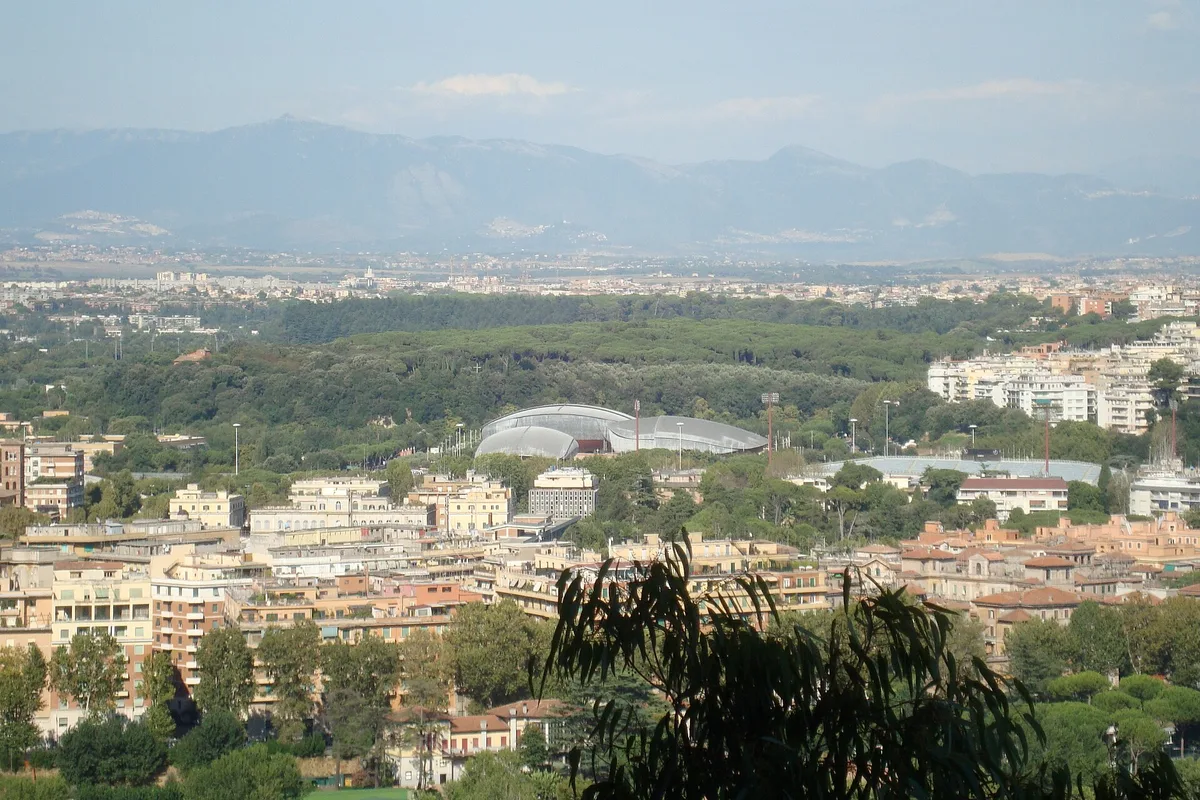
The base is the Auditorium Parco della Musica in the Flaminio district, Renzo Piano's complex of three lead-clad concert halls around an open-air amphitheatre. It holds the main screening theatres and the red carpet, which is one of the largest at any festival. Screenings and related events also spread to other cultural institutions across the city, so check the venue on each individual ticket rather than assuming everything is at the Auditorium.
How Public Tickets Work
This is the festival's distinguishing feature. Where Cannes is effectively closed to the public and Venice sells the public a limited allocation, Rome was founded in 2006 as a festa — a public celebration — and built around general audiences attending premieres alongside the industry. Individual screening tickets and multi-screening passes both go on sale to anyone, through the festival's own ticket office.
Two things follow from that. First, the popular titles — the opening film, anything with a major star attached to the red carpet — sell out quickly once the programme is announced, typically a few weeks before the festival. Second, the mid-list and retrospective screenings usually remain available well into the festival, so a trip booked without a fixed screening list is not a wasted one. Check current pricing and the on-sale date on the official ticket office pages rather than relying on last year's figures; both change between editions.
The programme drops much closer to the festival than the dates do. If you need specific films, book refundable accommodation on the confirmed dates first and buy screening tickets when the lineup appears — waiting for the programme before booking a room is the more expensive order.
| Access type | Who it's for | Notes |
|---|---|---|
| Single screening ticket | General public | Sold per film; premieres go first |
| Multi-screening pass | General public | Better value if attending several days |
| Accreditation | Industry and press | Separate application process on the official site |
| Red carpet viewing | Anyone | Public viewing areas outside the Auditorium; no ticket |
Getting to the Auditorium
The Auditorium sits north of the centre in Flaminio, outside the Metro network's useful reach. Tram 2 from Piazzale Flaminio — the stop outside Flaminio Metro station on Line A — runs up Via Flaminia and stops close by; it is the simplest approach from the historic centre. Several bus routes serve the same corridor.
The constraint is the return. Late screenings can finish after Rome's surface transport thins out, and the Auditorium is not somewhere you want to be improvising a route home at midnight. Check the last tram and bus departures for your specific evening before committing to a late slot, or budget for a taxi. This is the single most common practical mistake visitors make with this festival.

Where to Stay, and What October Is Like
Unlike Venice in September, the Rome Film Fest does not distort the city's accommodation market — Rome is too large and the festival too contained for that. You are competing with ordinary October tourism, which is itself substantial, rather than with a festival surge. Book normally and on normal timelines.
Location logic is straightforward: if you plan several late screenings, staying in Flaminio or Parioli near the Auditorium removes the transport problem entirely and costs less than the centro storico. If you plan one or two screenings around general sightseeing, stay central and treat the Auditorium as a trip out. October is one of Rome's best months — mild, with the summer crowds gone and the light long — which makes it a strong month to build a wider trip around. The Romaeuropa Festival overlaps it, so a single October week can cover contemporary performing arts and international cinema in the same city.
Rome, Venice, or Neither?
If you are choosing one Italian film festival to attend as a member of the public, the honest comparison is about access, not prestige. Venice is the older and more prestigious event — it is grouped with Cannes and Berlin among the field's most important — and it carries the glamour of the Lido. But public access there is a secondary allocation around an industry-first event, and the accommodation market on and around the Lido is brutal during the festival.
Rome inverts both. It is a younger, less prestigious festival with a weaker premiere slate, but it was designed for public attendance, sits in a city with normal hotel supply, and takes place in the best month of the Roman year. For a traveller who wants to actually watch films at a major festival rather than watch a festival happen, Rome is the easier answer. For what else lands in the same October window, see the Rome festival calendar.
Frequently Asked Questions
When is the Festa del Cinema di Roma 2026?
The 21st edition is confirmed by the organiser for 14 to 25 October 2026, at the Auditorium Parco della Musica. Later editions have not been published; a similar ten-day mid-to-late October slot is expected from the recurrence pattern rather than confirmed.
Can the public buy tickets to the Rome Film Fest?
Yes. The festival was founded in 2006 as a public celebration, and single screening tickets and multi-screening passes are sold to anyone through the festival's ticket office. This is its main practical advantage over Cannes and Venice, where public access is far more limited.
Where is the Rome Film Fest held?
Primarily at the Auditorium Parco della Musica in the Flaminio district, which holds the main screening theatres and the red carpet. Additional screenings and events take place at other cultural venues around Rome, so check the venue printed on each ticket.
How do you get to the Auditorium Parco della Musica?
Tram 2 from Piazzale Flaminio, outside Flaminio station on Metro Line A, runs up Via Flaminia to the Auditorium. Several bus routes cover the same route. Check last departures before booking a late screening, since surface transport thins out before the latest films finish.
Is the Rome Film Fest better than the Venice Film Festival?
Not more prestigious — Venice is older and carries a stronger premiere slate. But Rome is far more accessible to ordinary visitors, since it sells tickets to the general public by design, sits in a city with normal accommodation supply, and runs in October, one of Rome's best months.