

Last updated August 2026. Italy in November swaps beach season for the year's thinnest crowds, lower hotel rates, and the start of truffle season in Piedmont and Tuscany. Expect cooler, wetter weather across the North, milder afternoons in the South, and roughly nine to ten hours of daylight each day.
Is Italy in November Worth the Trip?
Yes for culture, food, and photography; no for beach days or mountain hikes. The Colosseum, the Uffizi Gallery, and the Vatican Museums run with far shorter lines than summer. Hotel rates outside major city trade-fair weeks also trend well below the June-to-August peak. Truffle season is underway in Piedmont and Tuscany, and crisp mornings suit long walking days better than August heat. Set against that, November ranks among Italy's rainiest months in several regions. Daylight runs out by late afternoon, and small coastal towns begin closing for winter from the first of the month. Even in low season, the biggest draws still pull tour groups by mid-morning, so arriving at opening time still pays off. Crowds thin out fastest after the first week of the month, once school breaks elsewhere in Europe wrap up. Travelers chasing even thinner crowds, and comfortable with colder days, might prefer the depths of January instead.
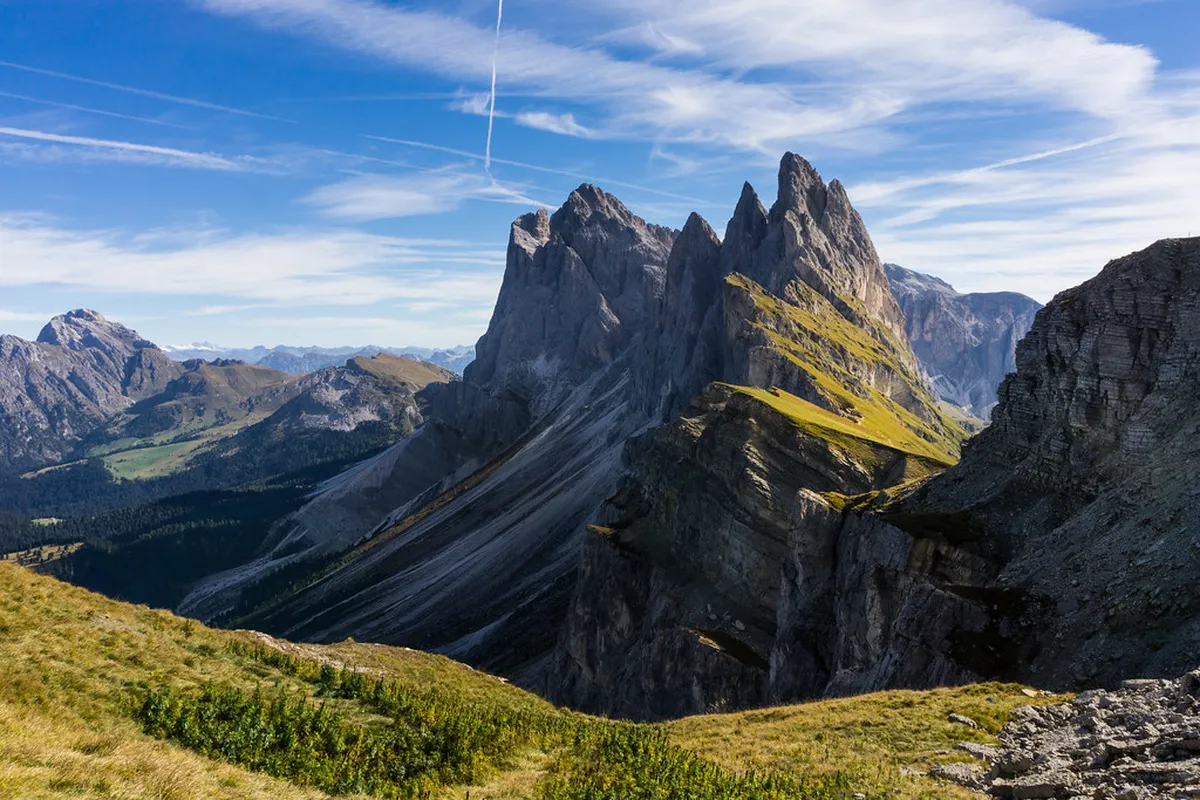
- Fewer crowds at the Colosseum, Uffizi Gallery, and Vatican Museums
- Lower hotel rates outside big-city trade-fair weeks
- Peak white truffle season in Piedmont and Tuscany
- Sunset by mid-to-late afternoon across the country
- Coastal resort towns closing for winter from November 1
At a Glance: Italy in November
A fast reference for the numbers and dates that shape a November trip, before the regional detail below.
About 9-10 hours of daylight might seem adequate, but outdoor sightseeing is realistic only during roughly 9 a.m. to 3:30 p.m. because seasonal sunset timing compresses the usable window.
- Temperatures: 6-12°C (43-54°F) in the North, 7-17°C (45-63°F) around Rome, 10-19°C (50-66°F) in the South
- Rain days: roughly 9 in Rome, 6 in Milan and Venice, 7-9 across Naples, Sicily, and Sardinia
- Daylight: about 9-10 hours, with sunset by mid-to-late afternoon
- Key dates: All Saints' Day on November 1, San Martino on November 11
- Food calendar: white truffle season in Piedmont, new olive oil in Tuscany, chestnut sagre nationwide
- Transport: trains stay reliable, with no summer heat delays and no valley snow yet
- Best for: museum days, food and wine, and archaeological sites in the milder South
- Skip it for: beach time or high-altitude hiking
Regional Weather in November: North vs Central vs South
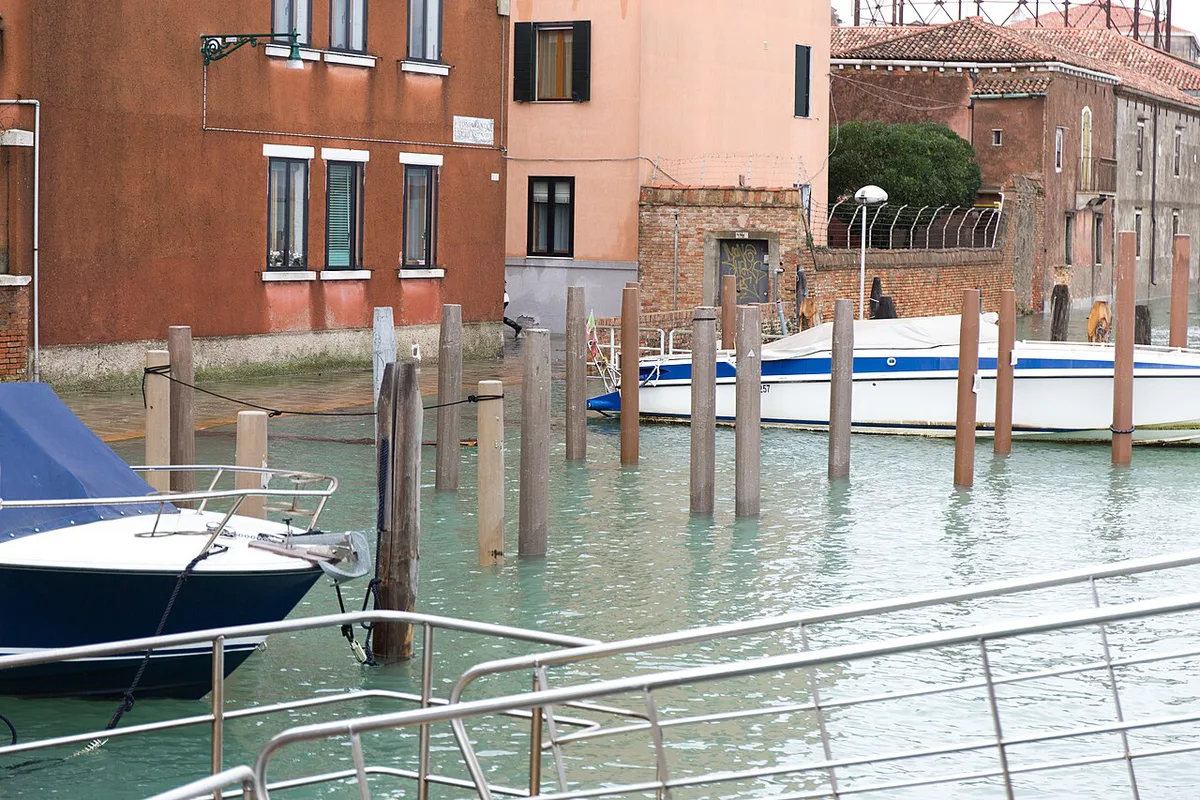
Italy's length means November plays out differently by latitude. The North turns cold and prone to fog, especially around the lake country and the Dolomites' foothills. Central Italy stays crisp, with low-angle light that favors photography around Rome and Florence. The South and the islands hold onto milder afternoons, and outdoor dining is still realistic in Naples, Puglia, and Sicily. Italy's official tourism portal frames November as shoulder-season travel nationwide, with food and culture taking over from beach itineraries. Weather also swings by week, not only by region. A dry, mild opening week is common most years. The second half of the month tends to turn colder and wetter almost everywhere. Higher elevations in the North can see the first snow dustings well before any reaches the valleys.
Despite the North's ~6 days of rain—the lowest of any region—indoor backup plans remain essential, since cooking classes and wine tastings fill wet afternoons better than waiting out showers.
| Region | Temperature | Rain days | Top November activity |
|---|---|---|---|
| North (Milan, Venice, Dolomites foothills) | 6-12°C (43-54°F) | ~6 days | Truffle hunting and Barolo tastings in Piedmont |
| Central (Rome, Florence, Tuscany) | 7-17°C (45-63°F) | ~9 days | Skip-the-line museum visits in low, golden light |
| South & islands (Naples, Sicily, Sardinia) | 10-19°C (50-66°F) | 7-9 days | Archaeological sites like the Valley of the Temples without summer heat |
Where to Go: Top Regions for a November Trip
Six places cover most of what November does well. Each rewards a different kind of trip, from food-focused days in Piedmont to archaeological sightseeing in Sicily's milder air.
- Rome: cooler weather makes the Forum and Palatine Hill comfortable for a full day. The Vatican Museums are the main exception, closed on November 1.
- Piedmont (Alba and Turin): the Alba White Truffle Fair typically runs through much of the month alongside Barolo wine-region tastings. Confirm current dates through Italy's national tourism office before booking a hunt.
- Tuscany: olive mills open for new-oil tastings, and towns like San Miniato hold weekend truffle markets through the harvest window.
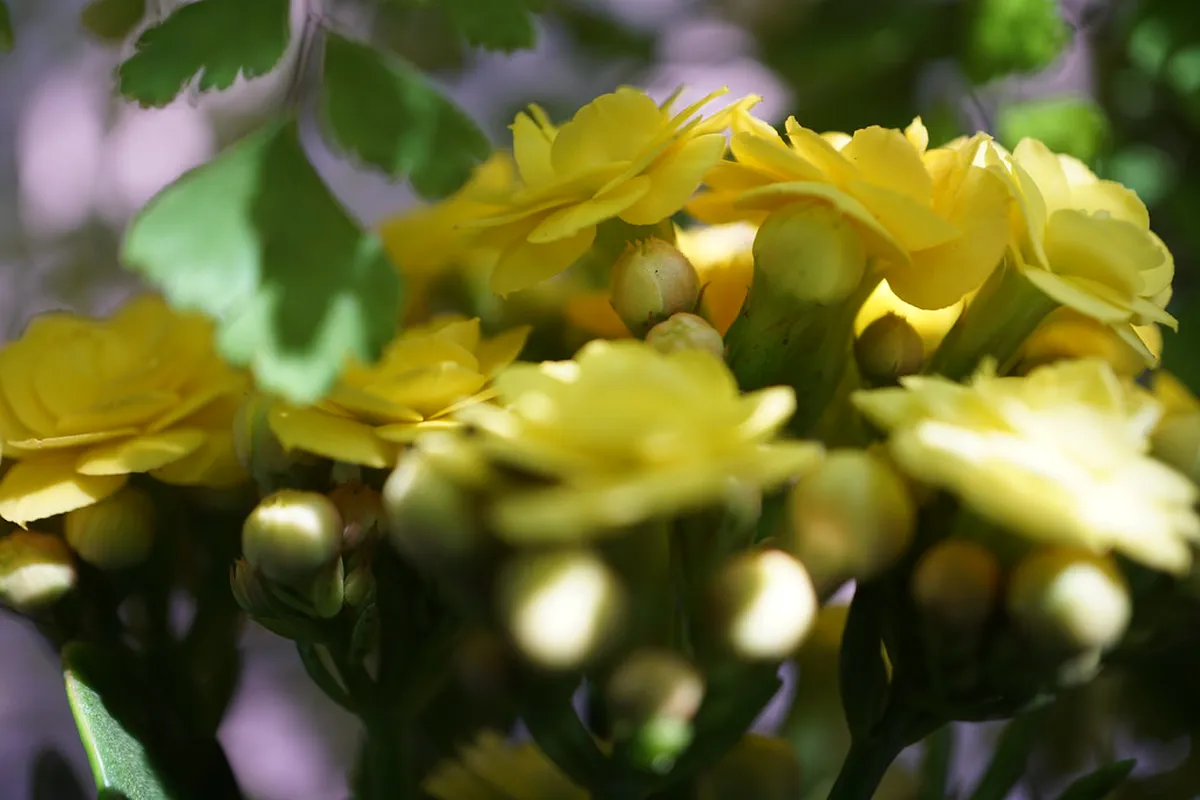
- Venice: quieter canals and low light, but plan around acqua alta, the seasonal high water most likely around new and full moons later in the month.
- Burano: about 45 minutes by boat from Venice, its canal houses make a strong foggy-day photography stop away from the main crowds.
- Naples and Pompeii: milder southern temperatures keep the open-air ruins comfortable to explore, and guides can move groups through the site without summer heat slowing things down.
- Sicily: the Valley of the Temples and Palermo's markets stay comfortable in the upper 60s°F (about 19-20°C), without summer's heat.
- Bologna and Parma (Emilia-Romagna): roughly 40 kilometers of covered porticoes keep Bologna walkable on wet days, one of the better rain-proof bases in the North.
What's Open and What Closes: City vs Coast
Major cities run on a normal calendar through November, sometimes with shorter hours at individual sights. Coastal resort towns and lake villages are a different story, and knowing which is which avoids a wasted booking. Cinque Terre's boat tours typically wind down around the end of October into early November, though this shifts with weather. Check current sailings before building a day around them.
| Status | Places | Practical detail |
|---|---|---|
| Open as usual | Rome, Florence, Milan, Venice, Naples, Bologna | Museums, hotels, and restaurants run normally; the Vatican Museums close only on November 1 |
| Limited or closing | Positano and the Amalfi Coast, Cinque Terre, Bellagio on Lake Como | Ferries reduce frequency, and many hotels and shops close for the season from November 1 |
| Still open, quieter | Como town, Cernobbio | Year-round residents keep restaurants and some shops running through winter |
Events and the Food Calendar in November
November 1 is All Saints' Day, a national holiday, though most restaurants, shops, and attractions stay open. The Vatican Museums are the one major exception, closing for the day. San Martino, on November 11, marks the traditional first taste of the season's new wine, celebrated with food events in Rome and beyond. Truffle season anchors the month, running alongside new olive oil pressings in Tuscany and small-town chestnut sagre across the country. Local sagre events celebrate specific ingredients as they peak: mushrooms in wooded regions, chestnuts in mountain towns, and olive oil across central Italy. In Palermo, All Saints' Day doubles as a sweets tradition, with Frutta di Martorana, marzipan shaped like fruit, sold specifically for the holiday. The indoor cultural calendar opens up too: opera and concert seasons ramp up in cities including Milan and Rome. Booking ahead matters, since seats often sell before a season is widely publicized. By the last weekend of the month, the first Christmas markets open in cities including Verona and Bolzano. Verona's Christmas market stalls get a full market-by-market breakdown elsewhere on the site. Travelers continuing straight into early December should treat late November as the hinge point when the country's mood visibly shifts. Those planning around the Christmas season can start layering in holiday stops from this point. For the full run of dated events across the year, the country's full events calendar lays out what's confirmed and what's still provisional.
Is November Cheaper to Visit Italy?
Yes, most years, though the savings are not identical everywhere. Hotel rates in smaller towns and secondary cities drop well below summer pricing once the first week of November passes. Rates in major cities like Milan can spike unexpectedly around trade fairs and conferences, so the citywide low-season pattern does not always hold there. Flights also tend to price lower than summer and the October half-term rush, particularly for midweek departures. Booking the second half of the month, once demand drops further, tends to produce the lowest rates of the two. Weigh those savings against shorter opening hours and closed coastal hotels before locking in a location purely on price.
Packing, Daylight, and Getting Around
Plan outdoor sightseeing for roughly 9 a.m. to 3:30 p.m., when daylight is most reliable. Sunset arrives by mid-to-late afternoon across the country. Pack in three layers: a base layer, a warm mid layer, and a waterproof, wind-resistant outer shell. Waterproof shoes matter more than a rain jacket alone, since standing water on cobblestones is common in November. Keep a small umbrella on hand too, since showers tend to arrive quickly and pass just as fast. Trains remain the easiest way to move between cities in November, since there is no summer heat to cause delays. Mountain valleys have not yet seen meaningful snow either, so rail schedules stay closer to normal than in deep winter. Food and wine tours or cooking classes fill afternoon hours well, especially on the wettest days. If the trip extends into deeper cold, Italy's winter months bring a different set of packing and transport tradeoffs, particularly in the Alps.
Mistakes to Avoid in November
A handful of avoidable errors show up in trip reports every year.
- Booking a beach-focused hotel in Positano or along the Amalfi Coast, where many properties close for the season starting in November
- Ignoring Venice's high-water warning sirens, which sound ahead of acqua alta flooding low-lying squares like Piazza San Marco
- Skipping advance reservations for the Last Supper in Milan or the Vatican Museums, both of which sell out even in low season
- Assuming Rome empties out completely; the best restaurants still fill up at lunch and dinner even in the quietest week
- Assuming every small town stays open; smaller, tourism-dependent villages close shops and restaurants earlier in the month than big cities do
- Forgetting that some ferries and regional buses run on reduced winter timetables; double-check schedules a day ahead rather than assuming summer frequency
Rainy-Day Plan B: Indoor Italy Without Losing the Day
Build one indoor option into each city day instead of treating rain as a reason to stay at the hotel. Major museums are easier to enjoy in November, but popular collections still need timed reservations. Start with an outdoor landmark if the morning is dry, then shift indoors when showers arrive.
- Rome: Pair the Capitoline Museums with the nearby Roman Forum, or book the Vatican Museums for a wet afternoon.
- Florence: Reserve the Uffizi Gallery or Accademia, then use the covered Loggia dei Lanzi and Mercato Centrale between showers.
- Venice: The Doge's Palace, Peggy Guggenheim Collection, and Teatro La Fenice offer strong alternatives when high water affects low-lying routes.
- Turin: The Museo Egizio is one of Italy's standout rainy-day visits, while its arcaded streets keep the city center walkable.
Keep ticket confirmations on your phone and leave the final afternoon flexible. A long museum visit, cooking class, or wine tasting can turn a wet forecast into the most relaxed part of the trip.
Frequently Asked Questions
Is Italy in November a good time to visit?
Yes, if the plan centers on cities, museums, and food rather than beaches. Crowds thin out nearly everywhere, and sites like the Uffizi Gallery and the Colosseum are far easier to enter than in peak summer. Rain is more likely and daylight runs short, so pair outdoor plans with a museum-heavy backup for wet afternoons.
Can you swim in Italy in November?
Generally no. Sea temperatures have dropped enough that swimming isn't realistic outside a few sheltered spots in the far south of Sicily on an unusually warm day. Beach resorts along the coast reduce services or close for the season, so plan around cultural and culinary activities instead.
Is Italy very rainy in November?
November is one of Italy's wetter months, especially in the North and in Venice. Rome typically sees around 9 rain days across the month, Milan and Venice about 6, and the South and islands 7 to 9. Most days still include dry stretches, so build flexibility into outdoor plans rather than expecting constant rain.
Is it cheaper to visit Italy in November?
Generally yes, particularly in the second half of the month once demand drops further. Hotel rates in smaller towns fall noticeably below summer pricing, though rates in major cities can still spike around trade fairs and conferences. Check specific dates against local event calendars before booking to avoid a surprise price jump.
What should you pack for Italy in November?
Layer for a real gap between crisp mornings and milder midday hours. A waterproof, wind-resistant outer layer matters more than a heavy coat, and waterproof shoes handle wet cobblestones better than sneakers. Keep a small umbrella in your bag, since November showers arrive quickly and pass just as fast.
Is Venice worth visiting in November despite acqua alta?
Yes, with some planning around the tides. Acqua alta, the seasonal high water, is most likely around new and full moons later in the month, and the city's warning sirens sound ahead of a flood. Most hotels keep boots on hand, and the quieter canals and softer light make November one of the more atmospheric times to visit.