
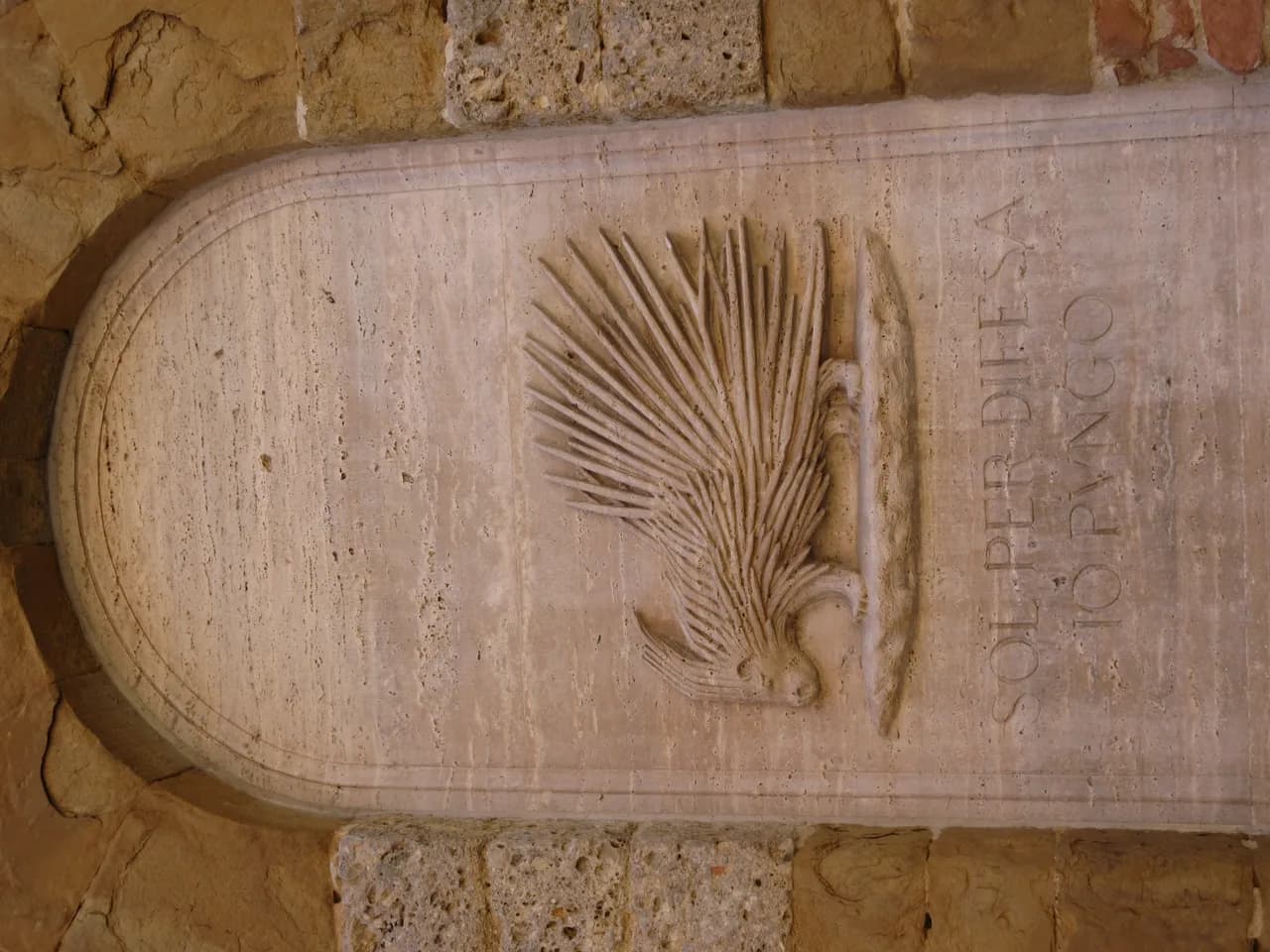
Siena's contrade are more than just neighborhoods; they are fiercely independent communities with centuries-old traditions. Each of the 17 contrade that participate in the Palio has its own identity, symbolized by an animal emblem, a patron saint, and a distinct territory within the city walls. To solidify this identity and house their collective memory, many contrade have established their own museums, offering a fascinating glimpse into their unique history and culture.
These museums are not dusty archives but vibrant spaces where the pride of each contrada is on full display. They typically showcase a rich collection of works of art, historical memorabilia, and, most importantly, the drappelloni, or Palio banners, that the contrada has won in the famous horse race. For a visitor, entering one of these museums is a way to understand the deep emotional connection between the residents and their contrada, a bond that is central to Sienese life today.
Planning a visit to these museums is a rewarding way to delve deeper into the culture of Siena beyond the main monuments. Whether you are a fan of the Palio or simply curious about local traditions, this guide provides a practical overview of what to expect and how to make the most of your contrada museum experience.
Understanding the Contrade: A Quick Overview of Siena's 17 Districts
The contrade of Siena are 17 distinct districts, each with its own emblem, colors, and patron saint, forming the social fabric of the city. These districts are not just administrative divisions but are communities with a deep sense of identity and loyalty, which is particularly evident during the Palio celebrations. To fully appreciate the museums, it's helpful to understand the role these districts play in Sienese culture, as explored in our guide to the [Siena contrade].
Each contrada has its own territory, often marked by symbols on the buildings, and its own church, where the contrada members gather. The contrade are named after animals or symbols, such as the Eagle, the Wolf, or the Unicorn, and their identities are reinforced through generations of participation in the Palio. This strong local patriotism is a key reason why each contrada maintains its own museum, to preserve and celebrate its unique heritage.
What to Expect Inside a Contrada Museum: Palii, Costumes, and More
A contrada museum is a treasure trove of art, memorabilia, and the prized drappelloni, the banners won in the Palio races. According to the regional tourism authority, the museums offer a journey through each contrada's history, displaying not only the victory banners but also costumes, documents, and artworks that chronicle its past. You can expect to see elaborate ceremonial costumes worn during the Palio parade, as well as historical artifacts that tell the story of the contrada's participation in civic life.
The drappelloni are the most significant items, as they represent the highest achievement for any contrada. Each banner is a unique work of art, painted by a different artist for each Palio, and the museum collects them all, creating a visual timeline of the contrada's successes and artistic styles over the years. Beyond the banners, you will likely find historical weapons, flags, and other objects that illuminate the daily life and traditions of the contrada members.
Keep in mind that the specific collections vary from museum to museum, depending on the contrada's history and resources. Some museums may also have temporary exhibitions or interactive displays, so it's worth checking the specific contrada's website or asking locally for the latest offerings. What is consistent is the sense of pride and devotion that permeates these spaces, making them feel more like community shrines than typical tourist attractions.
The Palio Connection: How the Museums Reflect Siena's Historic Horse Race
The Palio di Siena is the heart of contrada identity, a historic horse race that takes place in the Piazza del Campo on July 2 and August 16 every year. These dates are constants in Siena's life, as noted by the official municipal website. The contrada museums are a direct reflection of this passion, as they preserve the memory of every victory and defeat, and their primary purpose is to celebrate the Palio and the contrada's place within it.
When you visit a contrada museum, you are essentially walking through the Palio's history. The drappelloni are not just trophies; they are emotional touchstones that recall the joy of victory and the agony of near-misses, and they are often the most cherished items in the collection. The museums also display photographs, newspaper clippings, and other memorabilia that document the race and the weeks of preparation that surround it, offering a behind-the-scenes look at this complex tradition.
For a deeper understanding of the race itself, consult our focused guide to the Palio di Siena. This context makes a visit to any contrada museum far more meaningful, as you will recognize the significance of the artifacts on display and the broader cultural framework they belong to.
How to Visit Multiple Contrada Museums: Planning Your Route
With 17 contrade and not all having a dedicated museum, planning a route to visit several can be tricky. The contrade are scattered throughout the historic center, and each museum has its own schedule, which is often limited. A good starting point is to research which contrade have museums and prioritize those you are most interested in, perhaps based on their symbols or Palio history.
A walking tour that focuses on the contrade can be an efficient way to see multiple museums, as guides provide background stories and local traditions. For instance, guided tours are available that include contrada museum entry, offering a structured experience that covers several districts without the hassle of navigating on your own. However, always check current availability and details with the provider.
Given that many museums have short opening hours, it's wise to start early and allocate at least an hour for each visit. Consider grouping museums that are geographically close together, and allow for breaks to enjoy the city's atmosphere. Also, note that some museums may be closed on certain days, so planning ahead and checking with the local tourism office or the contrada itself is essential to avoid disappointment.
Practical Tips for Visiting: Hours, Entry, and Etiquette
The opening hours and entrance fees for contrada museums are not standardized, so you must check with each individual museum or the city's official tourism resources. While we cannot confirm specific hours or prices, a reliable method is to consult the official municipal website for Siena, which lists museums and their practical information. The city's tourism portal, Visit Siena, is also a good point of reference.
You may find that many contrada museums have limited hours, often open only in the afternoon or on certain days of the week. Some are managed by volunteers from the contrada, so they may close unexpectedly. It is also possible that some museums offer free entry or accept donations, so it's best to go prepared with cash and not assume a standard ticket price.
Remember that these museums are community spaces, so be respectful: speak quietly, do not touch the exhibits, and especially do not attempt to handle the historic drappelloni. Photography is often prohibited, so look for signs or ask permission. Following these etiquette tips will ensure a pleasant visit for you and the museum staff.
Combining Contrada Museums with Other Siena Attractions
A visit to Siena can easily combine contrada museums with the city's other major sights, making for a rich cultural experience. The central Piazza del Campo, with its stunning town hall, and the majestic Duomo are must-sees, and they are within walking distance of many contrade territories. You can start at one of the main landmarks and then branch out to visit a nearby contrada museum.
For a broader perspective on Siena's history and art, consider the Museo Civico in the Palazzo Pubblico, which showcases the city's civic pride, or the Santa Maria della Scala, a historic hospital complex. These provide a contrast to the more localized contrada museums and help you understand the city's overall development. Check the official city website for its suggestions on cultural itineraries.
Plan your day by geography: for example, start at the Duomo, then walk to the nearby contrada of the Owl or the Unicorn, then proceed to the Palazzo Pubblico. This way, you can see a mix of major and off-the-beaten-path attractions without rushing. And if you are a fan of festivals, don't miss the opportunity to time your visit with one of the contrada feast days, which add a lively dimension to the museum experience.
Contrada Museums vs. Civic Museum: Which One to Choose?
The Museo Civico, located in the Palazzo Pubblico, focuses on the history of the city of Siena, including famous artworks like the frescoes by Ambrogio Lorenzetti. It provides the official context of Sienese governance and civic life. In contrast, contrada museums are devoted to a single district, offering a more personal and passionate perspective on the city's history.
Which one to choose depends on your interests. If you have limited time and want to understand the city's official political structure and its major artistic heritage, the Museo Civico is a must. However, if you want to feel the heart of Siena's local identity and the traditions that still influence daily life, a contrada museum is an unmatched experience.
The best approach is to visit both: start with the Museo Civico for a broad background, then pick one or two contrada museums that catch your eye. This will give you a complete picture of Siena as both a historic city-state and a community of passionate districts. Remember that the contrada museums offer just as much insight into Siena's history, but from a completely different, yet equally valid, angle.
Common Mistakes to Avoid When Visiting Contrada Museums
One of the most common pitfalls is assuming that all contrada museums have the same hours or that they are all open daily. Always verify opening times and any closures, especially during public holidays or when the contrada is busy with Palio preparations. Another mistake is showing up without checking the exact location, as some museums are tucked away and can be hard to find, so use a map or ask a local.
Another error is underestimating the significance of the drappelloni. These banners are sacred to the contrada, so refrain from any inappropriate comments or behavior around them. Also, avoid comparing contrade or showing favoritism, as this can be sensitive. Instead, show genuine interest in each contrada's unique story.
A final mistake is forgetting that these museums are living spaces, not just tourist sites. Contrada members may be using the museum for events, so an area might be temporarily closed. Be flexible and respectful of any changes, and you'll have a more authentic experience. Taking a moment to chat with the custodian or a local volunteer can also enrich your understanding immensely.
Plan Your Visit
Exploring Siena's contrada museums offers a unique window into the city's soul, moving beyond the usual tourist sights to understand the deep sense of community that defines Siena. These museums are a testament to the enduring spirit of the Palio and the district pride that fuels it. Whether you visit one or many, you'll leave with a greater appreciation for the traditions that shape this remarkable city.
To get the most out of your visit, always check the official municipal website for up-to-date visitor information, as hours and entry can vary. Combining your museum visits with a stroll through the historic streets and a break in a local café will make your Siena experience memorable. And don't forget to immerse yourself in the broader festival season by checking our [Festivals and Events in Siena] calendar.
Frequently Asked Questions
Are all 17 contrade in Siena open to the public?
No, not all contrade have a museum that is open to the public. Some may have a small collection housed in their oratory or society rooms that are only open during special events, while others have dedicated museum spaces with regular visiting hours. It is always best to check with the specific contrada or local tourism information for current accessibility.
What can I see inside a contrada museum?
You can expect to see a rich collection of artworks, historical memorabilia, and the famous drappelloni, which are the painted banners won in the Palio horse race. The museums also often display contemporary art, costumes, and photographs that document the contrada's history and its role in the Palio over the centuries.
Do I need to buy tickets in advance to visit a contrada museum?
Generally, tickets for contrada museums are purchased on site, but this can vary. Some museums may only accept cash, while others might have a small entrance fee or suggest a donation. There is no unified ticketing system, so you should be prepared for different arrangements at each museum.
Can I visit a contrada museum during the Palio race days?
Visiting a contrada museum on race days can be tricky because they might be closed or have restricted hours due to contrada celebrations and preparations. It is advisable to check with the specific contrada directly for their schedule around the Palio dates, as the museums might be open only for limited times or events.
