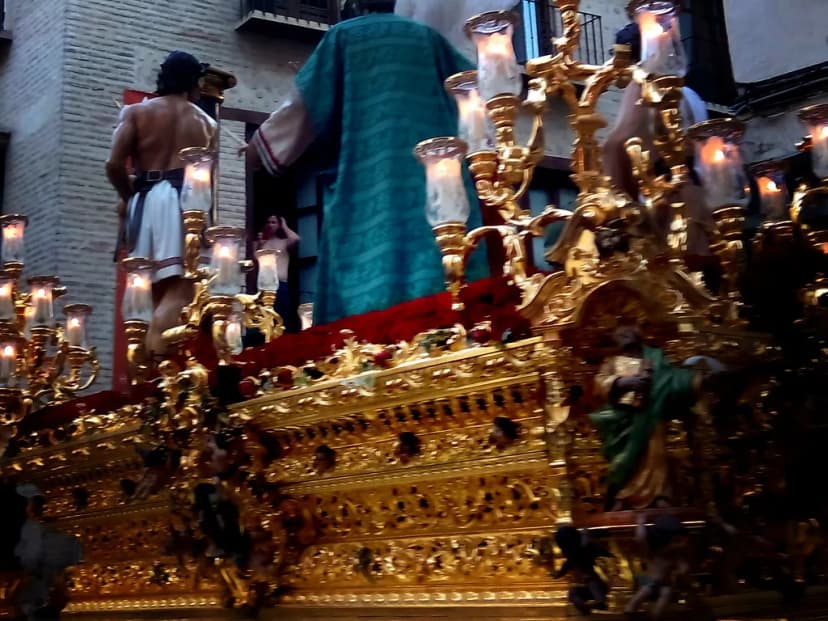
Holy Week, or Semana Santa, is one of the most profound cultural experiences in Palma de Mallorca, drawing visitors and locals alike into centuries-old traditions. The city hosts around a dozen processions that move through the historic centre, featuring robed brotherhoods, candlelit floats, and the echoing roll of drums. Unlike the massive events in Seville or Málaga, Palma’s processions offer a more intimate but equally moving atmosphere, with routes that pass landmarks like the cathedral and Plaza de Cort.
For first-time visitors, knowing when to arrive, where to stand, and how to behave can make the difference between a memorable evening and a frustrating one. This guide focuses on practical tips gleaned from local sources, ensuring you can enjoy the spectacle with respect and ease. Remember that dates vary each year according to the liturgical calendar, so always check the latest programme from official tourism sources before planning your trip.
Overview of Semana Santa Processions in Palma
Holy Week in Palma features approximately 13 processions that take place between the Friday of Sorrows and Easter Sunday. These involve several dozen confraternities, around 4,000 participants, and more than 45 floats carried through the cobbled streets. Each procession has its own character, from solemn and silent marches to those accompanied by bands and hundreds of candles.
Most processions follow a shared route through the old town’s iconic spots, including Carrer de Sant Miquel, Plaza Major, Carrer Colom, Plaza de Cort, and the Palau Reial, before arriving at the Cathedral of Mallorca. The exact routes and times vary daily, and details are published by the city council or the confraternities as the date approaches. If you prefer to watch from a single spot, consider the Plaza de Cort or the final stretch beside the cathedral, where the illuminated Seu provides a stunning backdrop.
Key Processions to Watch
The week opens with the Processó dels Estendards on the Friday of Sorrows, a dignified march of banners and crosses from the Church of Sant Felip Neri through the old town to the cathedral. It is understated compared to later events but draws a loyal crowd that appreciates its historical significance.
Palm Sunday features the Processó de l’Entrada de Jesús a Jerusalem, departing from the Church of Sant Jaume and winding through streets like Passeig des Born and Carrer Sant Feliu. This is one of the most visually striking processions, with evening light catching the candles and robed figures with pointed hoods.
Holy Thursday is the highlight: the Processó del Sant Crist de la Sang gathers all the city’s brotherhoods for a march that can last over three hours, leaving from the Church of l’Anunciació at 7:00 pm. Up to 4,000 people participate, and the atmosphere is deeply reverent, with saetas (traditional songs) breaking the silence. Good Friday’s Processó del Sant Enterrament is the most solemn, commemorating the burial of Christ, while Easter Sunday brings a more joyful closure.
Where to Stand: Best Viewing Spots
The best vantage points are Plaza de Cort, Carrer Colom, Plaza Major, and the area around the cathedral, especially after dark when the Seu is illuminated. These central spots fill quickly, so it is wise to arrive at least half an hour early, and more for the Sant Crist de la Sang procession.
Carrer Sant Miquel and Plaça Major offer good views as processions pass through, but be prepared for crowds. For a quieter experience, consider side streets along the route, but note that some sections may be closed to pedestrians. The procession routes are not always published in full detail in advance, so checking the official programme on site is recommended.
Etiquette: Dressing and Behaviour
When attending processions, dress respectfully: modest clothing, covering shoulders and knees, is appropriate. Many locals wear formal attire, but smart-casual is fine for visitors. During the procession, maintain silence and reverence; avoid talking loudly, using flash photography, or blocking the path. The hooded robes worn by participants have no connection to any hate group; they are a tradition of penance that dates back centuries.
It is customary to stand quietly and remove hats during the passage of floats. Children should be supervised to keep them from getting underfoot. If you wish to show respect, you may bow your head or hold a respectful posture, but no specific gestures are required. Always follow the guidance of local marshals.
What to Expect: Brotherhoods, Nazarenos, Costaleros, and Floats
Brotherhoods, or confraries, are at the heart of the processions, with histories dating back centuries. Some, like Sant Pere i Sant Bernat, were founded in the 14th century. Each brotherhood wears distinctive tunics and hoods, and they carry elaborate floats, or passos, depicting scenes from the Passion. These floats can be heavy, requiring teams of costaleros who carry them hidden underneath.
Nazarenos walk in rows wearing capirotes, conical hoods that leave only the eyes visible, as an act of penance. You may also see children carrying candles, and some penitents walk barefoot. The variety of robes and banners is itself a journey through Palma’s history.
Practical Logistics: Road Closures and Getting Around
During Holy Week, especially from Wednesday to Good Friday, large parts of Palma’s historic centre are closed to traffic as processions pass through. Streets around La Rambla, Passeig del Born, Plaza Major, Carrer Sant Miquel, the cathedral area, and La Lonja are particularly affected, with rolling closures that depend on each procession’s route. Expect significant disruption on Holy Thursday evening, and note that public transport may be diverted.
The best way to get around is on foot, as parking in the centre is very limited. If you arrive early, you can secure a viewing spot and avoid the chaos. For up-to-date road closure information, check with the local police or tourism office, as announcements are usually made shortly before the event.
Traditional Easter Food in Mallorca
Easter in Mallorca is also a time for culinary traditions. Panades are savoury pies filled with lamb or pork, while rubiols (also spelled robiols) are sweet pastries filled with cheese, pumpkin jam, or apricot. Crespells are decorative biscuits, and frit de Pasqua is a stew that traditionally ends Lent. Many bakeries prepare these throughout the week, but households often have their own recipes, a source of local pride. Look for them in traditional bakeries or markets in Palma.
Beyond Palma: Other Mallorca Processions and Spring Activities
If you have time, consider visiting other Mallorca towns for more intimate processions. Pollença’s Davallament on Good Friday is a re-enactment of the Descent from the Cross, often drawing visitors from across the island. Sineu and Alcúdia also have their own events, with a more local feel. Spring is an ideal time for hiking and exploring the island beyond the capital, with mild temperatures and fewer crowds.
Plan Your Visit
The key to enjoying Semana Santa in Palma is planning ahead. Arrive early, dress respectfully, and be prepared for road closures. The processions are free to attend, and there is no need for tickets, but you should check the official schedule for exact times and routes, as they change each year.
For a comprehensive overview of the processions and schedule, refer to our guide on Semana Santa in Palma, which we update regularly.
Frequently Asked Questions
What should I wear to Semana Santa processions?
Dress respectfully, covering shoulders and knees. Modest attire is appreciated, as it shows respect for the religious nature of the event. Comfortable shoes are essential since you may stand for long periods.
Where are the best places to watch processions in Palma?
Plaza de Cort, Carrer Colom, Plaza Major, and the area near the cathedral are excellent spots. Arrive early to secure a good view, as these areas fill quickly, especially for the Sant Crist de la Sang on Holy Thursday.
What time should I arrive to get a good spot?
It is recommended to arrive at least 30 minutes before the procession starts, and earlier for major events like the Sant Crist de la Sang. Wait at a barricade or along the curb where you can see clearly without blocking others.
What is the most important procession in Palma?
The procession of the Sant Crist de la Sang on Holy Thursday is the most iconic and best-attended. It starts at 19:00 from the Church of l’Anunciació and involves all of the city's brotherhoods, lasting over three hours.