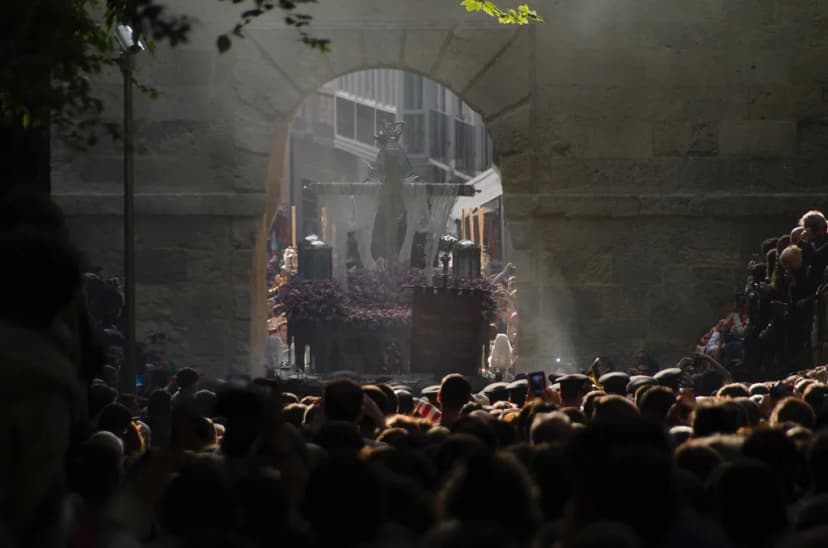
Holy Week in Palma de Mallorca brings religious processions through the old town between the Friday of Sorrows and Easter Sunday. Estilo Palma’s preview of the 2026 edition listed thirteen processions, each with its own route and character. Treat that count as a past-edition example and check the current programme for the processions offered during your visit.
This guide walks you through the processions day by day, from the quiet opening of the Divendres de Dolors to the dramatic night of Holy Thursday. You’ll also find practical advice on where to stand, how to get around road closures, and how to read the traditions you’ll see along the way. Keep in mind that the exact dates and times shift each year with the liturgical calendar, so always confirm the current program before you plan your trip.
Understanding Semana Santa in Palma
Semana Santa, or Holy Week, is the week leading up to Easter Sunday. In Palma, it is marked by nightly processions organized by confraternities, known locally as confraries. These groups, some founded centuries ago, carry ornate floats depicting scenes from the Passion through the historic center. The atmosphere is solemn, yet the streets fill with locals and travelers who come to witness the tradition. If you want to compare Palma’s celebrations with other Easter events across the country, see our overview of festivals in Spain, which also covers other major cultural festivities.
Processions typically follow routes that pass through Sant Miquel street, Plaça Major, and Plaça de Cort before reaching the Cathedral. Participants wear long robes and pointed hoods, and some walk barefoot or carry candles as acts of penance. The most important night is Holy Thursday, when the Sant Crist de la Sang procession brings together all the brotherhoods of the city.
Palma’s Holy Week Procession Schedule at a Glance
The following overview lists the key processions by liturgical day, based on the program for the most recent edition published by local organizers. As dates change annually, use this as a guide to understand what happens each day, and always check the current schedule from official sources before your visit.
Friday of Sorrows sees the Processó dels Estendards (opening procession). Palm Sunday features the Entry into Jerusalem. Monday through Wednesday host several smaller processions from different churches. Holy Thursday is the grand Sant Crist de la Sang, and Good Friday has the solemn Holy Burial. Easter Sunday concludes with quieter celebrations.
Opening Procession: Divendres de Dolors and the Processó dels Estendards
Holy Week in Palma technically begins on the Friday before Palm Sunday, called Divendres de Dolors (Friday of Sorrows). That evening, the Processó dels Estendards sets out from the Church of Sant Felip Neri. Unlike later processions, it features no elaborate floats, only brotherhood banners and crosses carried in a dignified march. For more detailed ceremony descriptions and local insights, see our guide to Semana Santa in Palma de Mallorca.
The route moves through Carrer de Sant Miquel, across Plaça Major and Plaça de Cort, and concludes at the Cathedral. In the 2026 program, it started at 7 p.m. This understated procession has opened Holy Week for centuries and draws a loyal crowd who appreciate its symbolism.
Palm Sunday: The Entry of Jesus into Jerusalem
On Palm Sunday, the Processó de l’Entrada de Jesús a Jerusalem re-enacts Jesus’ arrival in the city. In 2026, the program listed a departure from the Church of Sant Jaume at 6 p.m., while another schedule noted a 10:30 a.m. start from Sant Domingo. Always confirm the exact time from official listings.
The procession weaves through Plaça Joan Carles I, along Passeig des Born, and up Carrer Sant Feliu before reaching La Concepció. This is one of the most visually striking processions, as participants carry palms and candles through the evening light. Many spectators line the route, drawn by the colorful robes and the sense of anticipation that marks the start of the week’s major events.
Midweek Processions: Monday to Wednesday
From Monday to Wednesday, several smaller processions depart from different churches. On Monday, you might see the Ntra. Sra. de l’Esperança from the Basílica de Sant Francesc or the Sant Crist dels Boters from Sant Joan de Malta. Tuesday features the Virgen Dolorosa from Sant Nicolau, and Wednesday includes the silent Processó del Silenci from Santa Creu.
These processions vary in start times, usually between 8 p.m. and 9 p.m., and follow neighborhood routes that are less crowded than the central ones. They offer a more intimate experience and a chance to see different confraternities and their distinct traditions.
Holy Thursday: The Sant Crist de la Sang Procession
The highlight of the week is the Processó del Sant Crist de la Sang on Holy Thursday. This is Palma’s most important procession, with up to 4,000 participants from every confraternity in the city. Sources differ on the starting point: it leaves at 7 p.m. from the Church of l’Anunciació (La Sang) or from the square behind La Misericòrdia, and takes more than three hours to complete its route.
The route passes through La Rambla, Plaça Major, and Plaça de Cort before reaching the Cathedral. The floats, some dating back centuries, are carried by teams working in darkness beneath the velvet drapes. Many penitents walk barefoot or with chains, and the atmosphere is deeply moving, even for non-religious spectators.
Good Friday: The Processó del Sant Enterrament
On Good Friday, the Processó del Sant Enterrament commemorates the burial of Christ. Starting at 7 p.m. from the Basílica de Sant Francesc, it is considered the most solemn procession of the week. The route heads through Plaça de Santa Eulàlia, Plaça de Cort, and the streets of Sa Gerreria, ending at the Church of Nostra Senyora dels Socors.
This procession is marked by near silence and the muffled roll of drums. Unlike other nights, the floats here depict the crucified Christ and the mourning Virgin, and the tone is one of quiet reflection. Attendees often describe it as the most moving event of Holy Week.
Easter Sunday: The Joyful Conclusion
By Easter Sunday, the processional drums have stopped and the city shifts to celebration. Many residents attend Mass at the Cathedral or join family gatherings that feature traditional Mallorcan pastries. While there is no major procession on this day, the festive atmosphere provides a gentle end to the week’s solemnity.
If you’re still in Palma, you can explore the old town without the crowds or join the locals in sampling panades and rubiols. The joy of Easter Sunday is felt in the relaxed mood of the city’s squares and streets.
Best Viewing Spots for the Processions
The most coveted spots are along the central route: Plaça de Cort, Colom street, Plaça Major, and the final stretch beside the Cathedral. The area around La Seu is particularly striking after dark, when the cathedral is illuminated. Arrive at least half an hour early, as these areas fill quickly, according to local guides.
For a less crowded experience, consider watching along Carrer Sant Miquel or near the starting churches, where you can see participants assembling. Avoid the narrowest streets, where pushing can be a problem, and instead position yourself near a plaza where the procession will slow down.
Road Closures and Getting Around
During Holy Week, especially from Wednesday to Good Friday, large parts of Palma’s historic center close to traffic as processions pass. Expect rolling closures on La Rambla, Passeig del Born, Plaça Major, Carrer Sant Miquel, and the Cathedral area. On Holy Thursday, restrictions are the most extensive, beginning in the early evening and lasting late into the night.
Public transport may be diverted, and parking in the center is scarce. Plan to walk or use the metro or bus to reach the edges of the old town. Allow extra time to navigate the city, and be prepared for delays.
What to Expect: Atmosphere and Etiquette
Processions are solemn religious events, but they are open to the public. Spectators typically stand along the route in respectful silence, though applause may break out when a float is lifted or the Christ figure passes. Photography is allowed, but avoid using flash at close range, as it can disturb participants.
You’ll see participants in a variety of tunics and hoods, each color signifying a different confraternity. Some carry candles, others walk barefoot as acts of penance. It’s customary to dress modestly and avoid loud talking during the most sacred moments.
Beyond Palma: Easter Traditions Elsewhere in Mallorca
If you have time, consider visiting towns like Pollença, Sineu, and Alcúdia, which hold their own processions with a more local feel. In Pollença, the Davallament on Good Friday re-enacts the Descent from the Cross on the steps of the Calvary and draws visitors from across the island. These events offer a different perspective on Mallorcan Holy Week traditions.
Easter is also a time to savor Mallorcan food, such as panades, rubiols, and crespells. Many bakeries prepare them throughout the week. So whether you stick to Palma or venture further, you’ll find a rich culture of faith, food, and community.
Tips for Planning Your Visit
Book your accommodation well in advance, as Palma fills up during Holy Week. Decide which processions you want to see and check the current official program for exact times and routes. Since dates change yearly, verify the schedule with the city’s tourism office or a reliable local source before you go.
Dress in layers, as evenings can be cool, and wear comfortable shoes for walking. Bring a small folding stool if you plan to stand for hours. And remember, the processions are free to attend, so you only need to invest your time and attention.
Plan Your Visit
Experiencing Semana Santa in Palma is a unique opportunity to witness a centuries-old tradition in a stunning Mediterranean setting. By understanding the schedule and knowing where to position yourself, you can make the most of this deeply moving celebration.
Check the current official program closer to your travel date for any changes, and allow flexibility in your itinerary for road closures. Whether you’re drawn by faith, culture, or simple curiosity, the processions of Palma will leave a lasting impression.
Related festival guides
Frequently Asked Questions
What time do the processions start in Palma?
Most processions start in the evening, typically between 7 p.m. and 9 p.m. The opening and Holy Thursday processions begin at 7 p.m., while smaller weekday ones often start later. Exact times vary each year, so check the current official program.
Which is the most important procession in Palma?
The Processó del Sant Crist de la Sang on Holy Thursday is the most important and best-attended. It involves all the city’s confraternities and can last over three hours.
Where can I watch the processions in Palma?
Prime viewing spots include Plaça de Cort, Colom street, Plaça Major, and the area near the Cathedral. Arrive early, as these spots fill quickly.
Are the processions free to attend?
Yes, the processions are free and open to the public. There is no ticket required; you can simply find a spot along the route.
Which streets close during Holy Week in Palma?
During Holy Week, especially from Wednesday to Good Friday, streets around La Rambla, Passeig del Born, Plaça Major, Carrer Sant Miquel, and the Cathedral area are closed to traffic. Closures are rolling and depend on each procession’s route.