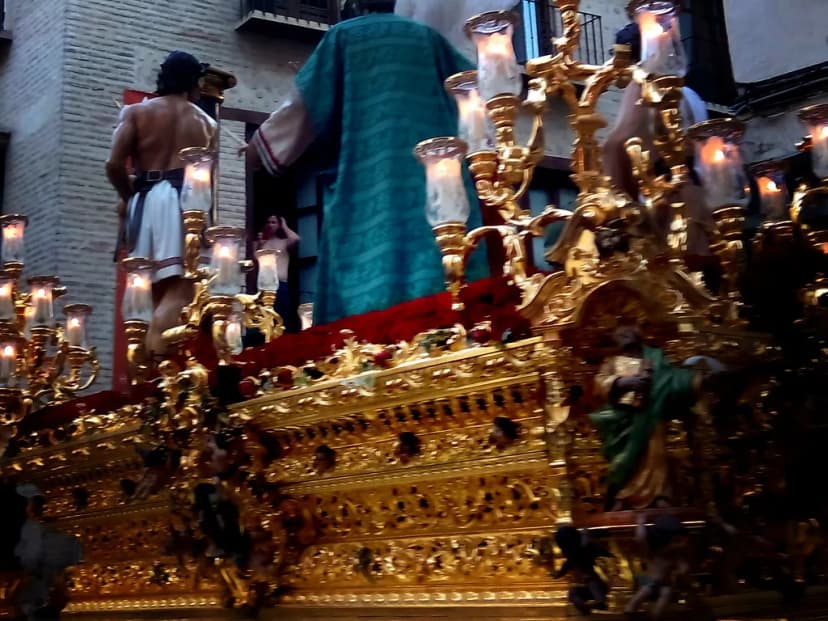
Semana Santa in Granada stands apart from other Andalusian celebrations for its intimate, solemn processions that weave through the historic Albaicín and Sacromonte districts. Unlike the grand, crowded parades of Seville, Granada offers a more personal experience, with narrow streets framing the pasos and the Alhambra glowing in the background. Planning your days around the procession schedule is essential to catch the key brotherhoods at their most atmospheric moments.
The city's processions run from Palm Sunday to Easter Sunday, with each day featuring multiple cofradías proceeding to the cathedral along the official route, known as the Carrera Oficial. However, exact dates and times shift annually with the lunar calendar, so you'll need to confirm the schedule with official sources for your travel year. The movement and weather can cause delays, so treat published timings as approximate guides, not fixed commitments.
Overview of Granada's Semana Santa
During Holy Week, Granada's brotherhoods carry 58 floats through the main streets toward the cathedral, where they perform the Station of Penitence before local authorities at the official tribune on Calle Ganivet. The official route begins on Carrera de la Virgen and continues through Plaza del Campillo, Plaza Mariana Pineda, Ángel Ganivet, and Puerta Real before reaching the cathedral. Over 2,000 costaleros participate, but the processions vary widely in character, from the solemn silence of Maundy Thursday to the vibrant energy of Palm Sunday.
Palm Sunday
Palm Sunday opens with the popular La Burriquilla procession from San Andrés Church, which symbolizes Jesus' entry into Jerusalem and is especially beloved for its child participants. The best view is under the Arco de Elvira, where the procession traditionally passes. That day also features the Cautivo and Virgen de la Encarnación from the Sagrario Church, the Santa Cena Sacramental from Santo Domingo, and Jesús de la Sentencia from San Pedro and San Pablo. Street closures in the city center start around 16:00, with most processions beginning between 16:00 and 19:15. For a deeper look at the traditions, check out our Granada Semana Santa traditions explained.
Holy Monday
Holy Monday sees the Zaidín neighborhood kick off its celebrations with the Cristo del Trabajo and Nuestra Señora de la Luz from the Corpus Christi church, heading toward the center. Later in the day, the Realejo district processes Nuestro Señor del Huerto de los Olivos and María Santísima de la Amargura, while the Virgen de los Dolores departs from San Pedro and San Pablo along the Carrera del Darro. The oldest cofradía of the day is the Santísimo Cristo de San Agustín, dating from the 17th century, which emerges from the Monastery of the Ángel Custodio.
Holy Tuesday
Holy Tuesday again starts from Zaidín with the Santísimo Cristo de la Lanzada, but the most anticipated moment is the atmosphere in Plaza Nueva as Nuestro Padre Jesús del Gran Poder and Nuestra Señora de la Esperanza leave the church of San Gil and Santa Ana. From the chapel of San Juan de los Reyes, the procession of Jesús de la Amargura and Virgen de los Reyes also passes through the square, while the Realejo adds the Señor de la Humildad from Santo Domingo.
Holy Wednesday
Holy Wednesday is dominated by Los Gitanos, the Santísimo Cristo del Consuelo and María Santísima del Sacromonte, whose return to the Sacromonte Abbey at dawn is a highlight, with bonfires and flamenco saetas from the crowd. Catching them on the climb to Sacromonte is an unforgettable experience, though you'll be far from the city center. The University of Granada's cofradía, with Nuestro Señor de la Meditación, departs from the Santos Justo y Pastor church, and the Realejo hosts three processions, including the difficult exit of Nuestro Padre Jesús de la Paciencia from San Matías and the popular Rosario from Santo Domingo.
Maundy Thursday
Maundy Thursday is the Albaicín's big day, with thousands filling the narrow streets to watch processions from San Miguel Bajo, including Nuestro Padre Jesús del Perdón and the Virgen de la Aurora, which winds through the cobbled lanes. The Concepción procession begins at the Monastery de la Concepción, and María Santísima de la Estrella climbs the steep Cuesta de la Alhacaba to San Cristóbal. The night culminates with el Silencio, which begins at midnight from San Pedro and San Pablo along the Carrera del Darro; the float is carried in complete silence, accompanied only by drumbeats, and the street lights are extinguished as it passes. For more on the viewing spots along the Carrera del Darro, see our detailed guide on where to watch Semana Santa processions in Granada.
Good Friday
Good Friday is the busiest day with six processions, so you'll need to pick your vantage point carefully. The Campo del Príncipe in the Realejo draws crowds for the Cristo de los Favores, a statue from 1682, with the accompanying Virgen de la Soledad. The Santísimo Cristo de la Expiración crosses the Roman Bridge by the Acera del Darro, while the Soledad, often cited as one of Granada's most beautiful floats, leaves from the Monastery of San Jerónimo. Other processions include the Buena Muerte from the university and the Santo Sepulcro from Plaza Nueva.
Holy Saturday and Easter Sunday
Holy Saturday features only one procession, the Santa María de la Alhambra, which departs from the Alhambra and follows a route that includes the Real de la Alhambra and Gran Vía, with street closures beginning around 17:00. Easter Sunday ends the week with the Resurrection processions, including the Señor de la Resurrección from Primavera and the Resucitado from Plaza Alonso Cano, taking place in the morning. It's a more family-friendly, joyful atmosphere compared to the solemnity of earlier days.
Where to Watch
Choosing where to watch largely depends on the atmosphere you seek. For the official tribune experience, head to Ángel Ganivet, but these streets are the most crowded. The Carrera del Darro offers a dramatic setting, especially for el Silencio, while Plaza Nueva is ideal for catching multiple processions and the Gran Vía is a central, accessible route. The Sacromonte provides a unique view of Los Gitanos' return, and the Albaicín's narrow streets, such as around San Miguel Bajo, give an intimate feel, though arrive early to secure a spot along the route.
Traffic and Public Transport
During Semana Santa, the city council activates a special mobility plan. Expect major road closures from about 17:00 daily on the official route and nearby streets, with exact cut-off times varying by procession and published by the mobility center. Public buses are rerouted, and some lines, such as the university lines and the C5 and C32, may stop service early or be suspended. Taxis operate from three stands near Acera del Darro, Recogidas, and Gran Vía, so plan your travel around these limitations.
Plan Your Visit
To make the most of your Semana Santa in Granada, book accommodation well in advance, especially in the Albaicín or Realejo, and be prepared for large crowds. Dress in layers for cool evenings and bring comfortable shoes for walking between viewing spots. Always check the official schedules from the mobility center or the Real Federación de Hermandades, as timings can shift with the weather. For a full overview of the week, consult our Semana Santa Granada guide, and consider other festivals in Spain for your trip. Semana Santa in Granada is a truly special experience when you plan around the processions.
Frequently Asked Questions
What is the schedule for Semana Santa in 2026?
Semana Santa 2026 falls from March 29 (Palm Sunday) to April 5 (Easter Sunday), but specific procession times for each brotherhood are not yet published. Check the official tourism website for Granada and the Real Federación de Hermandades closer to the date, as schedules are subject to change.
Should I avoid Seville during Holy Week?
Seville is extremely crowded and expensive during Semana Santa, but it's also a world-famous celebration. If you prefer a more intimate experience, Granada offers a unique alternative with its historic setting. Consider your tolerance for crowds and your budget.
What are the processions during Semana Santa?
Granada's Semana Santa features 32 brotherhoods carrying 58 floats through the city center. Highlights include La Burriquilla on Palm Sunday, el Silencio on Maundy Thursday, and Los Gitanos on Holy Wednesday. Each procession includes costaleros carrying the pasos, often accompanied by music or silent prayer.
Is 3 days in Granada too many?
Three days can be enough to see key processions and visit the Alhambra, but if you want to experience the full range of Semana Santa events, you may prefer a longer stay. Plan your days around the procession schedule to make the most of your time.