Murcia's Fiestas de Primavera, or Spring Festivals, are a week-long celebration that transforms the city after the solemnity of Semana Santa. Held in the week following Easter Sunday, the festival honours Murcia's identity as the 'huerta' (orchard) of Spain, a role it has held since Moorish times when irrigation systems first made the land fruitful. With roots in agricultural traditions, the event blends religious devotion, folk culture, and exuberant street parties.
The festival's heart lies in two main events: the Bando de la Huerta on the Tuesday after Easter and the Entierro de la Sardina on the following Saturday. Between them, the city fills with parades, flower battles, traditional music, and the famous open-air barracas where locals and visitors alike savour regional dishes. Whether you are a first-time visitor or a returning enthusiast, planning ahead is key to making the most of this bustling week.
When Are the Fiestas de Primavera?
The Fiestas de Primavera take place in the week immediately following Easter Sunday, typically stretching from the Saturday after Easter to the next Sunday. This timing is tied to the liturgical calendar, so the exact dates move each year. For example, in 2026 the festival ran from April 4 to 12, with key events scheduled on April 7 and 11. For future editions, you can consult the official tourism website of Murcia for confirmed dates.
Because Easter shifts annually, it is wise to check the festival dates well in advance when planning travel. Many visitors combine the Fiestas de Primavera with Semana Santa, which precedes them, to experience both solemn processions and festive celebrations. The festival essentially marks a transition: from the penitence of Holy Week to the joyful arrival of spring.
The Origins: Murcia as the Huerta of Spain
Murcia's nickname, 'the huerta of Spain', stems from its fertile orchard lands, cultivated since the Moorish period using sophisticated irrigation channels, watermills, and underground storage systems. Over a thousand years, these agricultural practices gave rise to a distinct local culture, complete with its own costumes, cuisine, songs, and dances. The Fiestas de Primavera celebrate this heritage, bringing the traditions of the huerta into the urban streets.
The festival's role in Murcian identity cannot be overstated. For locals, it is a time to express pride in their land and heritage. Traditional dress, folk music, and horse-drawn carts feature prominently, reinforcing the connection between the city and its rural surroundings. As described in the guide to Murcia's festivals, this celebration is a visible expression of the region's character.
The Bando de la Huerta: Tuesday's Grand Parade
The Bando de la Huerta, held on the first Tuesday after Easter, is the festival's centerpiece. On this day, hundreds of thousands of Murcians dress in traditional huertano costumes – women in colourful embroidered dresses and men in black velvet suits – filling the parks and streets. The festivities begin with a floral offering to the Virgen de la Fuensanta, the city's patron, followed by a grand parade featuring oxen-drawn carts, folk groups, and participants tossing food to the crowd.
The parade route typically winds through the city centre, passing landmarks like Plaza Belluga and the Cathedral. Spectators line the streets, many also in traditional dress, creating a sea of colour. The atmosphere is lively and communal, with spontaneous dancing and music erupting throughout the day. It is an experience that goes beyond mere observation.
The Entierro de la Sardina: A Carnivalesque Farewell
Six days later, on the Saturday after Easter, the Fiestas de Primavera culminate in the Entierro de la Sardina, or 'Burial of the Sardine'. This deliberately absurd and theatrical event satirises the end of the festival and, symbolically, the fasting of Lent. Giant floats, costumed groups, and a huge paper-mâché sardine are paraded through the streets before being ceremonially 'buried' amidst fireworks and revelry.
Children have their own version on Wednesday, with a smaller parade and the burning of a catafalque. The final Saturday event is a riot of colour and noise, a stark contrast to the more traditional Bando. It is a fitting conclusion to a week that showcases Murcia's ability to shift from devotion to joyful absurdity.
Other Highlights: Parades, Flowers, and Children's Events
Beyond the two main events, the week is packed with activities. A children's version of the Bando de la Huerta takes place on Monday, offering a family-friendly introduction to the traditions. The Batalla de las Flores, or Flower Battle, on Thursday sees elaborately decorated floats parading through the streets, with participants throwing flowers at the crowd. There are also competitions, such as the michirones broad bean stew contest, and concerts in various squares.
The Ventorrillos in Jardín del Malecón host traditional music and dance performances throughout the week, while the Espacios Huertanos offer interactive displays of rural life. For those interested in religious aspects, masses and floral offerings to the Virgen de la Fuensanta are held at the Cathedral. You can check the official programme for exact days and times.
The Barracas: Open-Air Dining and Traditional Food
A central feature of the Fiestas de Primavera is the opening of the barracas: open-air restaurants set up by local folk groups, or peñas, in parks and gardens across the city. These temporary eateries serve simple, hearty Murcian cuisine, such as zarangollo (scrambled eggs with courgette), michirones, and grilled meats. The food is well-priced, with uniform prices across all barracas, and proceeds fund cultural activities.
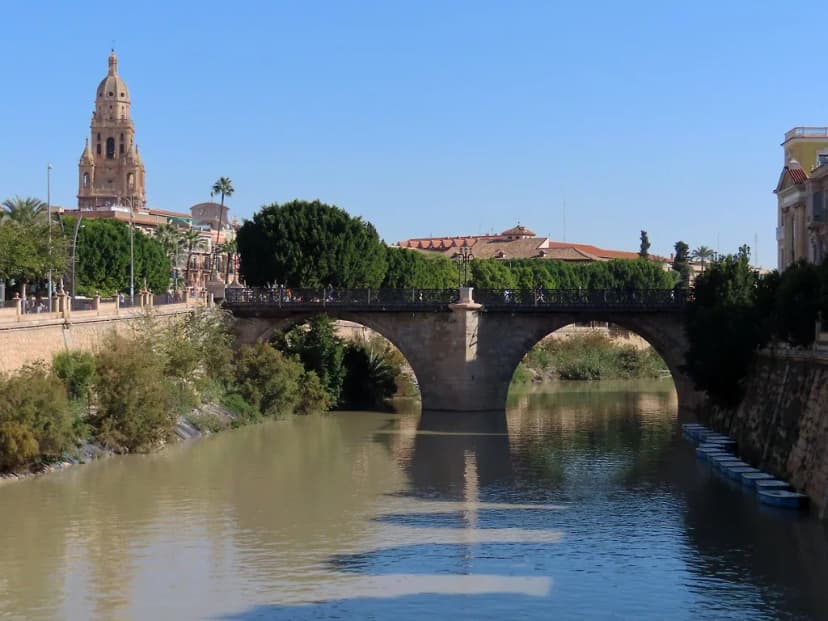
The most famous barracas are in the Jardines del Malecón and near Plaza Cruz Roja, along the River Segura. They are immensely popular, and prior booking is strongly advised, especially for the peak days of Bando de la Huerta and Entierro de la Sardina. Without a reservation, expect long queues. Many locals opt for picnics or regular restaurants instead, so you have alternatives.
Practical Tips for Attending
Plan accommodation well in advance, as hotels fill quickly during the festival. For personalised advice, consult the guide on where to stay in Murcia for festivals. Many visitors choose to stay near the city centre to be within walking distance of the main events, avoiding the need for parking, which is extremely difficult during the parades.
The festival is a busy time, so be prepared for crowds and noise. Wear comfortable shoes for walking and dress in layers, as spring weather can be variable. If you wish to embrace the spirit, you can even rent or buy traditional huertano costumes. Remember that the main parade days will see road closures and public transport diversions.
Where to Stay and How to Get Around
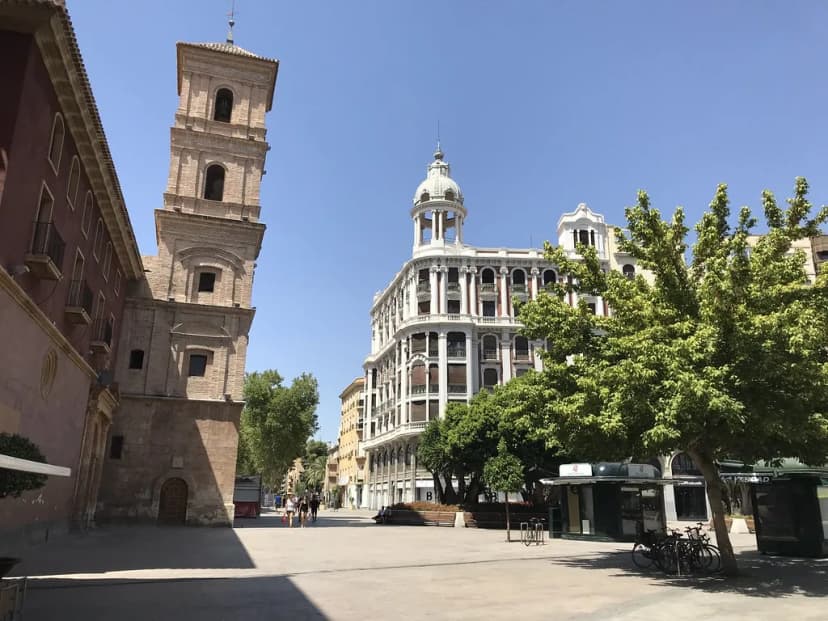
The historical centre of Murcia is compact and walkable, but during the festival, many streets are pedestrianised for events. Public buses are a good option to reach the city from the outskirts, but expect delays. If driving, investigate park-and-ride facilities outside the centre.
Final Thoughts
The Fiestas de Primavera offer an immersive experience of Murcia's culture and traditions. From the solemn floral offerings to the riotous Entierro de la Sardina, the festival is a celebration of spring, food, and community. By planning ahead and understanding the rhythm of the week, you can make the most of your visit.
For more ideas, explore the broader guide to festivals in Spain and dive into dedicated pages on the Bando de la Huerta and Entierro de la Sardina for deeper insights. Also, don't miss the chance to experience Semana Santa, which occurs just before, for a complete picture of Murcia's spring traditions.
Related festival guides
Frequently Asked Questions
What are the Fiestas de Primavera?
The Fiestas de Primavera are a week-long festival in Murcia, Spain, held in the week following Easter. They celebrate the region's huerta (orchard) culture and feature the Bando de la Huerta parade, the Entierro de la Sardina, barracas (open-air restaurants), traditional music, and flower battles.
When is the Bando de la Huerta?
The Bando de la Huerta is held on the first Tuesday after Easter Sunday. The exact date varies each year depending on the Easter calendar. For example, in 2026 it took place on April 7.
What is the Entierro de la Sardina?
The Entierro de la Sardina, or Burial of the Sardine, is a satirical and carnival-like parade held on the Saturday after Easter. It marks the end of the Fiestas de Primavera, with floats, costumed groups, and a giant sardine that is symbolically 'buried' in a festive finale.
Where do the barracas take place?
Barracas are set up in parks and gardens throughout Murcia city, most notably in the Jardines del Malecón and near Plaza Cruz Roja, along the banks of the River Segura. They are open-air restaurants run by local peñas and serve traditional Murcian dishes.
How can I book a barraca?
Booking ahead at barracas is strongly advised during the festival, especially for the main event days. However, the booking process is not standardised; you may need to contact the peñas directly or book via the festival's official channels. For specific details, check the latest festival programme or the official Murcia tourism website.
Is it easy to park during the festival?
Parking is very difficult during the main events of the Fiestas de Primavera, particularly in the city centre. Many streets are closed for parades, and public car parks fill quickly. It is advisable to use public transport or park outside the centre and walk.