The Bando de la Huerta is a central event in Murcia’s Fiestas de Primavera, a day when the city celebrates its agricultural heritage with a massive parade and street party. Historically held on the Tuesday after Easter, the festival draws locals and visitors dressed in traditional huertano costume, with floats and food stalls taking over the city center. For travelers, it offers a deep dive into Murcian identity, combining religion, gastronomy, and folk tradition.
Whether you're planning to watch the parade or join in the celebrations, understanding the festival's key elements—the costumes, the floats, and the food—will help you make the most of the day. This guide explains what to expect and how to navigate the crowds, from the morning flower offering to the afternoon parade.
Why the Bando de la Huerta Matters: A Festival of Murcian Identity
Originally started in 1851 by a group of wealthy young men who mocked local farmers, the Bando de la Huerta has transformed into a proud celebration of Murcia's rural roots. Over the decades, it moved from carnivalesque satire to a tribute to the huerta, the fertile farmland surrounding the city. Declared a Festival of International Tourist Interest in 2012, it is now the most important day of the Fiestas de Primavera.
The Traditional Huertano Costume: What Participants Wear and Why
During the Bando, you'll see thousands of Murcians wearing the regional huertano costume, a key part of the festival's charm. For men, the attire typically consists of loose linen breeches called zaragüeles, a sash wrapped around the waist, a pleated white shirt, and esparteñas made from esparto grass. Women traditionally wear a refajo (underskirt), a chambra (smock), an embroidered apron, and a floral headdress, with hairstyles like the moño picaporte adding to the look.
A notable trend is that many women now choose the male costume because it is lighter and more comfortable for a day of festivities. The costume's significance is not just aesthetic; it symbolizes the wearer's connection to the huerta and Murcian heritage. Visitors are welcome to join in, though you'll need to source your own outfit from local shops or hire services well in advance.
Parade Details: Floats, Ox-Drawn Wagons and Folk Groups
The parade features elaborately decorated floats, ox-drawn wagons, and folk groups representing different peñas huertanas, the local associations that organize much of the festival. You'll also see exhibitions of indigenous breeds, such as Murcian cattle and goats, and traditional galeras, early 20th-century carriages. Brass bands add to the lively atmosphere as the parade winds through the city's main streets.
Floats often carry costumed participants who throw food to the crowd, and in recent years, a children's parade with dedicated floats has been added. The sheer scale of the procession, with estimates of over 80 floats in some editions, makes it one of Spain's largest daytime parades. To keep the event family-friendly, organizers include a range of performances and displays, ensuring there's something for every age.
Rolling Barracas: The Parade's Food-Throwing Tradition
A signature tradition of the Bando de la Huerta is the rolling barracas, mobile stands from which participants toss food to spectators. Expect broad beans, black puddings, and sandwiches flying through the air, along with other local treats. This practice stems from the huerta's abundance, symbolizing generosity and community sharing.
When watching, be ready to catch or duck; it's all part of the fun. However, not everyone enjoys catching food that's been handled by many hands, so position yourself thoughtfully. Alternatively, head to the stationary food stalls in the city center, where you can buy a proper meal while watching the floats go by.
Timetable of a Typical Bando Day: From Flower Offering to Main Parade
The Bando de la Huerta starts early, with a flower offering to the Virgin of the Fuensanta in front of the Cathedral. This religious ceremony sees people dressed in traditional costume, bringing flowers and accompanying the Virgin on a short walk around the city center. By mid-morning, the cobblestone streets fill with a festive atmosphere as the day builds toward the main parade.
The main parade typically takes place in the afternoon, with participants assembling from early morning. Floats line up on Avenida San Juan de la Cruz from around 8:00 am, while the official parade route starts at Plaza González Conde. The route proceeds through several central streets, including Calle Princesa, Gran Vía Salzillo, and Plaza Fuensanta, before concluding at Plaza Juan XXIII.
Where to Watch the Parade and How to Avoid the Biggest Crowds
The parade route covers a substantial part of Murcia's historic center, offering plenty of options for viewing. Popular spots include Plaza Fuensanta, Gran Vía Salzillo, and Plaza Circular, where the atmosphere is lively and there are food stalls nearby. Arriving early is essential, as some spectators claim their spots hours in advance.
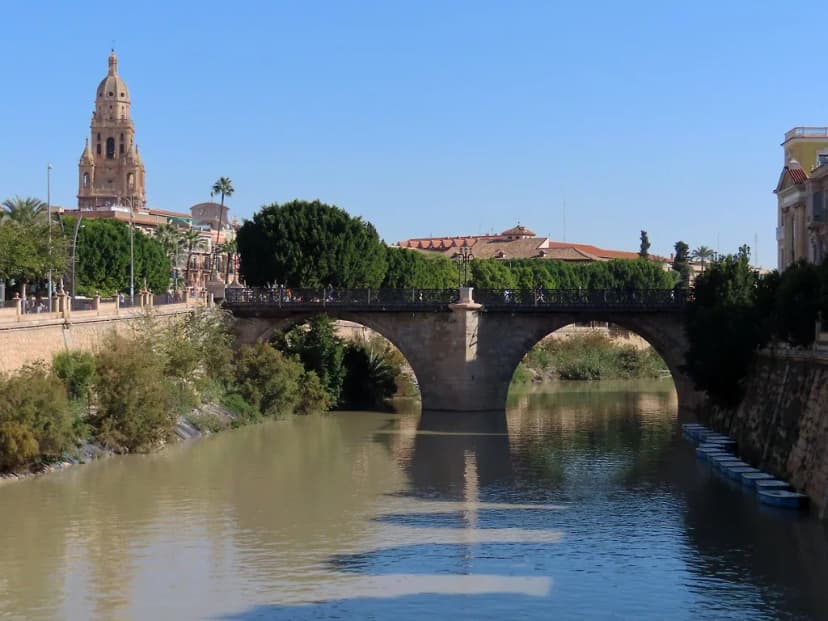
To avoid the densest crowds, consider positions near the start of the route, such as Calle Princesa or Puente Nuevo, which are less crowded than the main squares. You could also find a spot on a side street where the parade passes by but with fewer onlookers. Official sources do not designate specific less-crowded sections, so your best bet is to scout ahead or ask locals.
Food Stalls and Huerta Dishes to Try While You Watch
Food stalls are an integral part of the Bando, with traditional structures made from clay, adobe, and cane set up across the city. These stalls serve typical huerta cuisine, including Murcian salad (moje), zarangollo (a scrambled egg and vegetable dish), pisto murciano, michirones (dried beans), and the region's famous paparajotes for dessert. The stalls are often concentrated in areas like Plaza Circular, Jardín de la Fama, and near the Segura River.
History at a Glance: From 1851 Origins to International Tourist Interest
The Bando de la Huerta's history is marked by interruption and revival. It was halted by the Santa Teresa flood in 1879 and again during the Spanish Civil War from 1937 to 1938. After resuming in 1942, the festival was reorganized, and the role of the Queen of the Huerta was introduced in 1944. The Federación de Peñas Huertanas was established in the mid-1970s and has overseen the event since then.
In 2012, the festival received the status of Festival of International Tourist Interest, cementing its importance for the region. Today, it is a vibrant celebration that honors the huerta's legacy, attracting both residents and visitors. For a broader context on Spanish celebrations, check out our guide to festivals in Spain.
Plan Your Visit: Practical Tips for a Trouble-Free Day
Before attending, confirm the exact date and parade time through official channels, as they can vary slightly. The parade traditionally starts in the afternoon, but local authorities announce specific times closer to the event. Also, note that traffic restrictions are in place on the morning of the Bando for float assembly on Avenida San Juan de la Cruz.
For a less hectic experience, consider visiting the food stalls earlier in the day or after the parade ends. And remember that the Bando is just one part of the Spring Festivities; you can also catch the Entierro de la Sardina, which closes the festivities a few days later, or explore other events in the region.
Final Tips for Enjoying the Bando
The Bando de la Huerta is an unmissable experience for anyone visiting Murcia during the Spring Festivities. Its vibrant parade, traditional costumes, and communal food throws create a unique atmosphere that celebrates regional pride. To make the most of your visit, arrive early, wear comfortable shoes, and come hungry. For another event in the spring programme, our Entierro de la Sardina guide explains Murcia’s sardine-burial celebration.
Check the official tourism websites and the Federación de Peñas Huertanas for up-to-date information about the event. And if you're planning to stay overnight, look into accommodation options early, as the festival attracts large crowds. For more details on the broader Spring Festivities, including dates and other events, consult our Fiestas de Primavera in Murcia page.
Frequently Asked Questions
What do people wear at the Bando de la Huerta?
Participants wear the traditional huertano costume. Men typically don loose linen breeches (zaragüeles), a sash, a pleated white shirt, and esparteñas. Women wear a refajo, a chambra, an embroidered apron, and floral headdress. Many women now opt for the male version for comfort.
What happens during the Bando de la Huerta?
The day starts with a flower offering to the Virgin of the Fuensanta. In the afternoon, a grand parade features floats, ox-drawn wagons, folk groups, and rolling barracas from which food is thrown. The event also includes food stalls serving local dishes.
Why do people throw food at the Bando de la Huerta?
The tradition stems from the huerta's agricultural abundance, symbolizing generosity and community sharing. Participants on floats throw broad beans, black puddings, and sandwiches to spectators, adding a playful element to the celebration.
Where does the Bando de la Huerta parade start?
The official parade departure point is Plaza González Conde, according to Región de Murcia Digital. Floats assemble on Avenida San Juan de la Cruz from early morning. The route then progresses through several central streets.