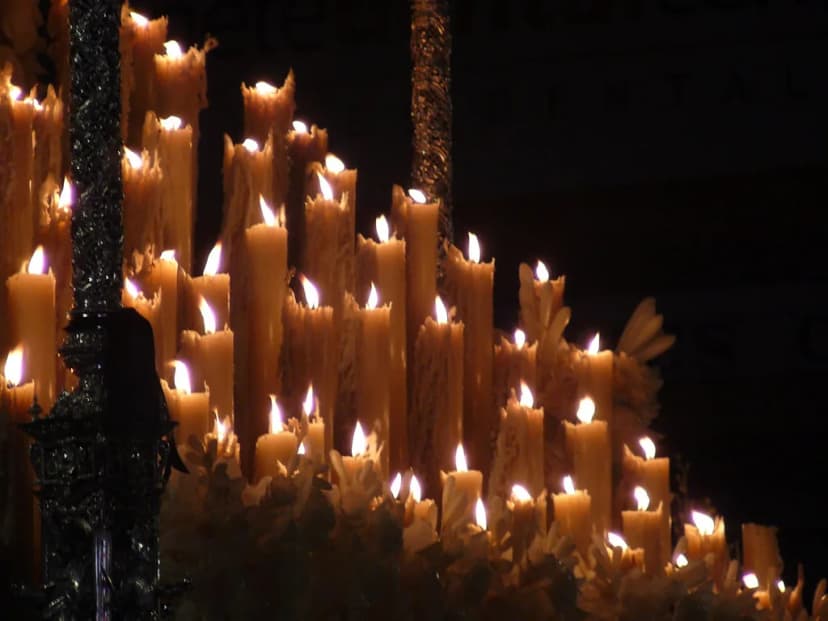
Easter in Tarifa is a time when the town swaps its surfboards for solemn processions, and the rhythm of drums echoes through the whitewashed streets. Unlike the massive crowds of Seville, Semana Santa in Tarifa feels like a community event where you can see the faces of the costaleros and hear the echo of saetas against the medieval walls.
The festival falls in March or April each year, determined by the lunar calendar, and transforms this coastal town into a place of faith and tradition. This guide helps you experience the key processions, understand the rituals, and plan a memorable visit to the southernmost point of Europe.
Why Tarifa's Semana Santa Is Different
Tarifa's Holy Week offers a more intimate experience than the grand spectacles of Seville, with a strong local community feel. The processions here are a mixture of Andalusian fervor and coastal simplicity, where you can see the penitents’ faces and feel the solemnity up close. The town's narrow streets and historic gates' provide a dramatic backdrop that enhances the spiritual atmosphere.
Unlike the contemplative processions of central Spain, Andalusian celebrations are often more expressive and, at times, festive. In Tarifa, you can expect several processions over the week, each with a different guild carrying statues of Jesus or the Virgin Mary, creating a week-long tapestry of devotion and art.
Key Processions of the Week
Palm Sunday opens the week with La Borriquita, a joyful celebration where children carry palm branches, and a float of Jesus on a donkey makes its way to the Iglesia de San Mateo. This is the most family-oriented day, with a lighter mood that contrasts with the solemnity to come. Arriving at the church square early allows you to see the blessing of the palms before the parade forms.
Holy Thursday marks a shift to deep solemnity as Nazarenos in their tall, pointed hoods process through the streets. This is the night when the atmosphere in Tarifa becomes most intense, with the sound of drums and the flicker of candles against the whitewashed walls. The Brotherhoods of Tarifa take great pride in their processions, often carrying richly decorated statues of the Virgin Mary.
Good Friday is the most dramatic night, featuring the Santo Entierro (Holy Burial), which passes through the historic Puerta de Jerez, a Moorish gate that adds a unique touch. As the procession moves through the unlit streets, the only illumination comes from the candles on the floats, creating a mystical and emotional experience. It is a spectacle that stays with visitors long after the event.
Easter Sunday raises the mood again with the celebration of the Resurrection. The town moves from the churches to the terraces for a long, festive lunch, as locals enjoy a break from the intensity of the previous days. This day is about joy and community, with many families gathering in the main squares to share food and drink.
Understanding the Traditions
Semana Santa traditions are rich with symbolism. Saetas, mournful flamenco songs, are sung from balconies as the processions pass, adding a sharp emotional note to the drums and music. Nazarenos, who wear long robes and pointed hoods that cover their faces, walk in front of the floats as a sign of penance. Their anonymity dates back centuries, allowing believers to ask forgiveness without public shame.
Underneath each paso, you'll find the costaleros, the carriers who support the heavy float on their shoulders and necks. They move in a synchronized rhythm guided by a foreman, and their faces are rarely seen. Being chosen as a costalero is considered a great honor, and many do it as a personal sacrifice or offering.
Where to Watch: Best Spots and Timing
For the best views, station yourself at the Puerta de Jerez or the Iglesia de San Mateo, two of Tarifa's most iconic landmarks. Arrive at least half an hour before the processions are scheduled to pass to secure a spot at the front. The narrow streets fill quickly, and the atmosphere is part of the experience, with locals and visitors standing shoulder to shoulder.
If you're in town during Holy Week, the tourist office on Paseo de la Alameda usually has printed maps and schedules. They are your best source for real-time information on any changes due to weather or other local events.
Eating During Semana Santa: Local Lenten Dishes
Easter week in Tarifa is a time for traditional Lenten food, especially from the sea. Since tradition often dictates avoiding meat, you'll find wonderful seafood dishes like atún de almadraba (bluefin tuna) prepared in stews such as atún encebollado. Bacalao, or cod, appears in tapas bars in the form of tortillitas de bacalao, and shrimp omelettes are also popular.
Don't miss torrijas, the quintessential Spanish Easter dessert, which is like an elevated French toast soaked in honey or spiced milk. Many bars also serve pestiños, a sweet fried pastry coated in sugar or honey. For a full meal, look for the caldereta de atún, a rich tuna stew that highlights Tarifa's fishing heritage.
Practical Advice for Your Visit
The wind is a defining feature of Tarifa, and even during Easter, the Levante can make the evenings feel chilly. Wear layers, as a sunny day may still require a light jacket when standing in a drafty alleyway at midnight. Check weather forecasts before packing, and always bring something warm for the nighttime processions.
Accommodation should be booked well in advance, ideally three to four months ahead, because Tarifa is small and fills up quickly during Spanish holidays. Parking within the old walls is almost non-existent, so plan to park in the lots near Playa de Los Lances and walk into the center. This also gives you a chance to enjoy the coastal views on your way.
Respect is key during the processions. When a paso approaches, it is customary to stop talking and maintain silence out of respect for the participants and the solemn occasion. Watch the locals and follow their lead; you'll notice some people may sing a saeta spontaneously as the float passes.
Beyond the Processions: Outdoor Activities
If you need a break from the crowds, Tarifa offers spectacular outdoor options. Take a whale-watching tour, as March and April are great months to see migrating whales in the Strait of Gibraltar. For hikers, Punta Paloma offers massive sand dunes and a scenic walk before the summer heat sets in.
The natural park of the Strait provides hiking trails with stunning landscapes, and you can always just walk along the beach. The town is also a kitesurfing paradise, though during Semana Santa the sea might take a backseat to the processions.
Weather and What to Wear
Easter in Tarifa typically brings mild days and cooler nights, with possible wind chill from the Levante. It's wise to bring a mix of t-shirts, sweaters, and a waterproof layer just in case. While sunny days are common, the evenings can be quite cool when you're standing still for hours watching processions.
Etiquette During Processions
Beyond silence, there are other unspoken rules: don't block the procession route, avoid using flash photography, and follow the instructions of the brotherhood marshals. If you're attending multiple processions, it's polite to move quickly between viewing spots without disrupting the flow. The locals appreciate visitors who show genuine interest and respect for their traditions.
Planning for Future Years: How Dates Are Determined
Semana Santa follows the lunar calendar, falling on the first Sunday after the first full moon of spring, so dates shift each year. It can be as early as late March or as late as mid-April. Since the exact schedule varies, it's essential to check official tourism sources or the tourist office for the current year's itinerario.
Plan Your Visit
Easter in Tarifa offers a unique mix of solemn tradition and coastal charm, with processions that feel both ancient and personal. By understanding the schedule, dressing for the wind, and respecting local customs, you can have an unforgettable Semana Santa experience here.
For more inspiration on what to see in the region, see our guide to festivals in Spain, and explore other local celebrations like the Feria de Tarifa dates guide and Carnaval in Tarifa if you are visiting at other times of year.
Frequently Asked Questions
What do people in Spain do for Easter?
In Spain, Easter is marked by solemn religious processions known as Semana Santa. People participate in or watch processions, eat traditional foods like torrijas and bacalao, and spend time with family. The scale and style vary by region, from the quiet processions of the north to the elaborate floats of Andalusia.
What is special about Tarifa?
Tarifa is known for its winds, beaches, and kite surfing, but during Easter it becomes a place of intimate processions. Its old town, with narrow streets and historic gates like Puerta de Jerez, offers a unique backdrop for Semana Santa celebrations that feel more authentic and less crowded than in bigger cities.
Should I avoid Seville during Holy Week?
It depends on your preference. Seville has some of the most spectacular processions but can be extremely crowded. Tarifa, while smaller, offers a more personal and relaxed experience. If you want to see the grandeur, Seville is unforgettable, but if you prefer intimate atmosphere, Tarifa is an excellent alternative.
What date is Holy Week in Spain?
Holy Week in Spain falls in March or April each year, determined by the lunar calendar. The dates change annually, with Palm Sunday marking the beginning. For specific dates, consult official tourism sources for the current year.
What are the Saetas?
Saetas are traditional flamenco songs sang during processions, often from balconies, conveying deep emotion. They are usually unaccompanied and sorrowful. The singer pours out a chant to the float passing by.
What is a Nazareno?
A Nazareno is a penitent who walks in a procession wearing a long tunic and a pointed hood that covers the face, with only the eyes visible. This costume has historical roots, allowing sinners to repent anonymously. They are iconic figures in Spanish Holy Week.
What is the Puerta de Jerez in Tarifa?
The Puerta de Jerez is a historic Moorish gate in Tarifa that forms part of the old city walls. It is a key viewing point during processions and adds a dramatic, ancient backdrop to Good Friday's Santo Entierro.