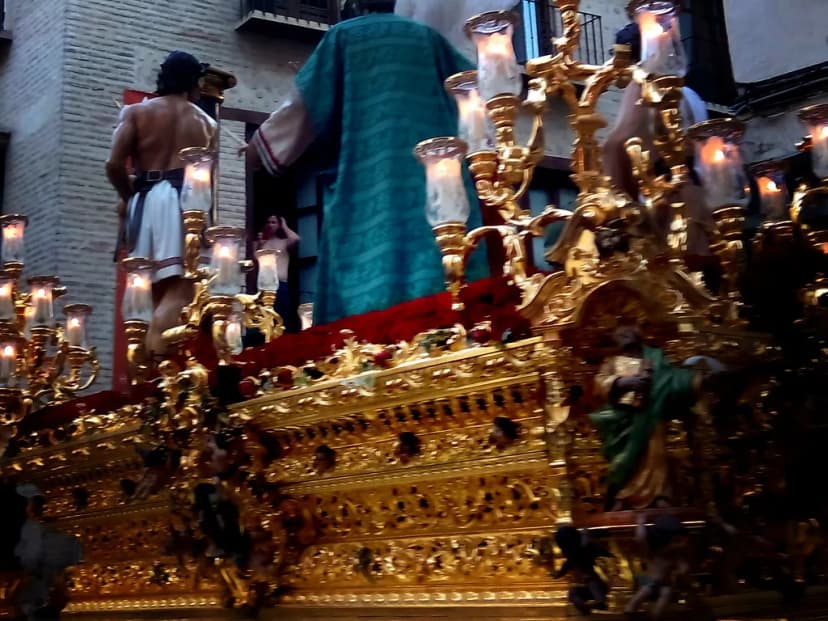
Murcia's Easter Week is a religious festival declared of International Tourist Interest, known for its baroque processions and unique traditions. The city draws visitors from across Spain and beyond, all coming to witness the famous Salzillo procession on Good Friday and other solemn events. Before you can enjoy the vibrant street life and citrus-scented plazas, you need to plan your journey to this southeastern Spanish gem.
Getting to Murcia for Easter requires strategic planning, as the city is well-connected yet often busy during the holiday. Your main choices are flying into either the Región de Murcia International Airport (RMU) or the larger Alicante-Elche Airport (ALC), taking a train from Madrid or other Spanish cities, or driving via major motorways. Each option has its trade-offs in terms of convenience, cost, and flexibility, which become more pronounced during the Easter rush.
Flying to Región de Murcia International Airport (RMU)
The Región de Murcia International Airport (RMU), also known as Corvera Airport, is the closest airport to Murcia, located about 25 kilometers south of the city. This airport operates flights from several European destinations, including the UK and Ireland, with airlines like Ryanair and EasyJet. During Easter, flight schedules may expand to accommodate the increased demand, but it's essential to check the airport's official website for current routes and frequencies.
From RMU, the most practical way to reach Murcia city center is by taxi or rental car, with a journey time of around 25 to 30 minutes. There is no direct train from the airport, but a bus service (Line 1) connects the airport to Murcia bus station, though it may not run as frequently during holidays. Book your transfer in advance if you arrive on a busy procession day, as taxis can be scarce.
Flying to Alicante-Elche Airport (ALC)
Alicante-Elche Airport (ALC) is a major international gateway with more flight options from various European cities and budget airlines. It is located about 80 kilometers from Murcia, and the transfer options include a direct bus operated by ALSA, which takes around 1 hour and 15 minutes, and frequent trains from Alicante-Terminal station, though you'll need to connect from the airport by bus or taxi. The train journey from Alicante to Murcia takes about 1 hour and 10 minutes on regional services.
If you prefer driving, the AP-7 motorway connects Alicante airport to Murcia in about 1 hour, but it can get congested during Easter holidays. Car rental is available at the airport, but it's wise to book well in advance because demand spikes during the festive week. For up-to-date transport schedules and any changes, consult the official websites of the airport, ALSA, or Renfe when planning your trip.
Arriving by Train
Renfe operates high-speed AVE services from Madrid to Murcia, with a travel time of around 3 hours. There are also regional trains from Alicante, Valencia, and other nearby cities. Since Easter is a popular travel period, seats sell out quickly, so it's crucial to book train tickets as early as possible through the Renfe website. The Murcia del Carmen station is located in the city center, making it convenient to reach your accommodation.
For those coming from international destinations, traveling to Madrid first and then taking a high-speed train to Murcia can be a comfortable option. If you're visiting from other parts of Spain, the train offers a stress-free way to avoid traffic and parking issues. Consider the trade-off between the high-speed train's speed and the regional trains' lower cost when planning your itinerary.
Driving to Murcia
Driving to Murcia can be convenient if you're coming from nearby regions or want flexibility to explore the surrounding area. The A-30 motorway connects Murcia to Albacete and Madrid from the north, while the AP-7 along the coast links to Alicante and Valencia. During Easter, expect increased traffic on these routes, especially on the days before and after the long weekend. Use navigation apps live traffic data to plan your departure time.
Parking in Murcia's historic center is limited during processions, as streets close for events. Several public parking garages are available, but they fill up quickly. Arrive early in the morning or use park-and-ride facilities on the outskirts if available. Always check local signage and council websites for current road closure information and parking recommendations during Holy Week.
Getting Around Murcia During Holy Week
Once you're in Murcia, walking is often the best way to experience the processions, as many central streets are pedestrianized or closed to traffic. The city's processions turn the streets into open-air museums, with each brotherhood parading only once a year. For longer distances, Murcia's public bus network can help, but expect delays due to detours. Always allow extra time to reach your viewing spot.
Check the official procession schedule from the Cabildo de Cofradías or the city's tourism office, as routes and times may change. Many locals and visitors line the streets hours in advance to secure a good view, so arrive early if you want to see the famous Salzillo procession on Good Friday morning. Consider the possibility of street closures when planning your movements across the city.
Planning Around the Procession Schedule
The Salzillo procession on Good Friday morning is the highlight of Murcia's Easter, but other notable processions occur from the Friday of Sorrows through Resurrection Sunday. Each has its own character, from the solemn Silence procession to the colorful Coloraos. To plan your visit, consult the official Easter Week program, which is typically published a few months in advance on the city's tourism website. The dates vary each year, so always verify current information.
If you aim to attend multiple processions, staying near the cathedral or the Glorieta de España can reduce travel time. Many visitors choose to book accommodations close to the procession routes for convenience. For guidance on selecting a base, check out our suggestions on where to stay in Murcia for festivals and for more on the broader Semana Santa in the city, see our Semana Santa en Murcia guide, which details the key events.
Practical Tips for Easter Travel
Easter is one of the busiest times to visit Murcia, so it's essential to book your flights, trains, and accommodation well in advance. If you plan to drive, avoid entering the historic center during processions and use perimeter parking facilities. Be aware that many shops and restaurants may have altered hours during the holiday, so prepare for a more relaxed schedule.
Remember that Murcia's Easter is declared of International Tourist Interest, and the tradition dates back to the 18th century. As you plan, consider checking current travel advisories and local event calendars for any changes. For more insights into Spanish festivities, our overview of festivals in Spain can help you discover other events you might enjoy during your trip.
Plan Your Visit
Reaching Murcia for Easter is straightforward with careful planning. Whether you choose to fly into RMU for convenience or ALC for more options, take the train for a scenic journey, or drive for flexibility, each method has its benefits. The key is to book early and allow extra time for potential delays during the holiday.
Once in Murcia, immerse yourself in the unique atmosphere of Holy Week, from the solemn processions to the lively tradition of sweets being thrown from floats. The official Murcia tourism page offers detailed information on the celebration. And for a wider perspective on the region's Easter celebrations, the tourism office of the Region of Murcia highlights other destinations worth exploring.
Frequently Asked Questions
What airport do you fly into for Murcia?
For Murcia, you can fly into Región de Murcia International Airport (RMU), which is about 25 km from the city, or Alicante-Elche Airport (ALC), which is larger and offers more flights but is about 80 km away. Both have transport connections to Murcia, with RMU being closer.
How far is Alicante airport from Murcia?
Alicante-Elche Airport is approximately 80 kilometers from Murcia city center. You can travel by bus (about 1 hour 15 minutes), by car via the AP-7 motorway (around 1 hour), or by combining local transport to the train station.
Is there a train from Alicante to Murcia?
Yes, Renfe operates regional trains between Alicante and Murcia, with a travel time of around 1 hour and 10 minutes. These trains are a comfortable option, but you'll need to get from Alicante airport to the train station first, via bus or taxi.
Can you drive to Murcia for Easter?
Yes, you can drive to Murcia via major motorways like the A-30 or AP-7. Be aware that traffic is heavier during Easter, and parking in the city center is limited due to processions and street closures. It's recommended to use public parking on the outskirts and walk or take public transport.
Where to park in Murcia for Easter processions?
During processions, many central streets are closed, so it's best to park in public parking garages or park-and-ride facilities outside the historic center. Arrive early to secure a spot and be prepared to walk to your destination. Check local signage for temporary restrictions.