In early May, Granada celebrates Día de la Cruz—also known as Cruces de Mayo—a festival where neighborhoods build elaborate crosses decorated with fresh flowers, shawls, and ceramics, displayed in plazas and patios across the city. Many of these crosses are entries in an official competition, while others are community-built, giving each area its own character. The festival is free to attend and dates back to the 18th century. This guide recommends the best neighborhoods—city center, Realejo, and Albaicín—and suggests a self-guided route to see the highlights efficiently.
Introduction: The Festival of the Crosses in Granada
Día de la Cruz takes place on May 3rd, with festivities spanning the first weekend of May. It is a vibrant celebration where locals and visitors alike wander through streets adorned with floral crosses, enjoying music, tapas, and a convivial atmosphere. The tradition, rooted in the Christian feast of the Holy Cross, has evolved into a competition that showcases the creativity of each neighborhood. The festival is free to attend and has been recognized as a Festival of National Tourist Interest.
Understanding the neighborhoods is key: the city center offers grand, accessible crosses, Realejo is a heartland of cross-building tradition, and Albaicín provides atmospheric displays on the hill. While many crosses are contest entries in an official competition with judging on the final day, others are community-built, adding a more intimate feel. For a comprehensive overview, consult the Día de la Cruz Granada guide for dates and practical details.
Why the Neighborhoods Matter: Contest Entries vs. Community Crosses
Each spring, neighborhood associations, bars, and cultural groups erect crosses, some vying for official prizes. Contest entries are typically more polished, with elaborate designs and professional-level decoration, while community crosses often feel more rustic and reflect local traditions. The distinction matters for visitors: contest crosses are impressive but can draw crowds, whereas community-built ones offer a more personal glimpse of the festival.
In any given year, the specific crosses that are contest entries can vary, so it's wise to check the official program or ask locals. However, the Realejo neighborhood is known for its strong cross-building tradition, and the city center plazas often host the grandest displays. The Albaicín, with its winding alleys, presents crosses that blend into its historic setting. Because the scene changes annually, embrace the variety rather than fixate on awards.
City Center: Big Crosses and Easy Access
Start your day in the city center, where Plaza de Bib-Rambla usually hosts an impressive cross, often among the prize contenders. The square, already surrounded by flower stalls, provides a vivid backdrop. A short walk away, Plaza de la Trinidad is known for a livelier, student-friendly cross with a vibrant bar scene, ideal for experiencing the festival's social side.
Other central spots like the Paseo del Salón and Carrera del Genil feature smaller, quieter crosses along the riverside, perfect for a relaxed stroll between major stops. The city center's accessibility makes it easy to begin your route, and you can quickly move on to other neighborhoods.
Realejo: The Heartland of Cross-Building Tradition
The Realejo, Granada's old Jewish quarter, is often cited as a heartland for Día de la Cruz, with a strong tradition of building crosses. Its main square, Campo del Príncipe, hosts a beloved cross accompanied by outdoor seating, music, and a family-friendly vibe that transitions into a younger crowd after dark. This is a must-visit for its atmosphere and the quality of the cross displays.
Not far away, Plaza de los Campos offers a smaller, more community-driven cross, fewer crowds, and a chance to see how locals celebrate without the tourists. As you wander the streets of the Realejo, you will often find patios open to visitors and small altars tucked into doorways. For more on this area's character, the Corpus Christi Granada festival guide highlights another major fiesta worth planning around.
Albaicín: Atmospheric Crosses on the Hill
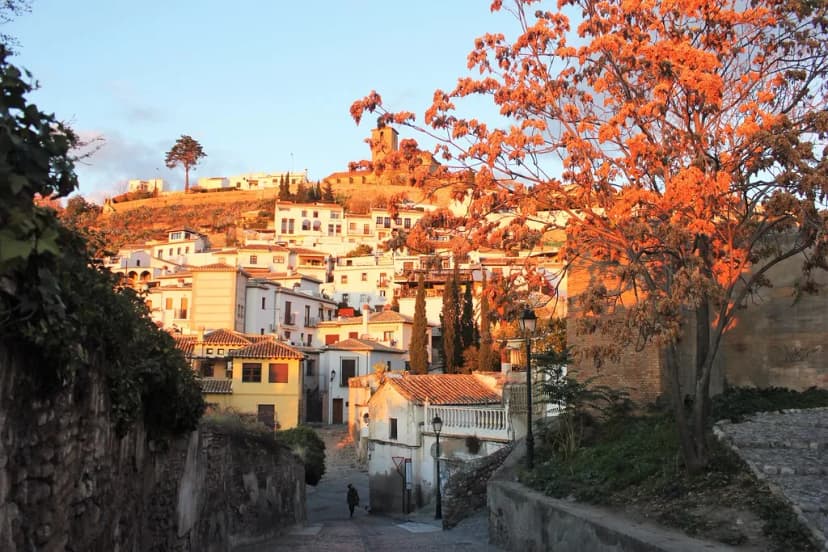
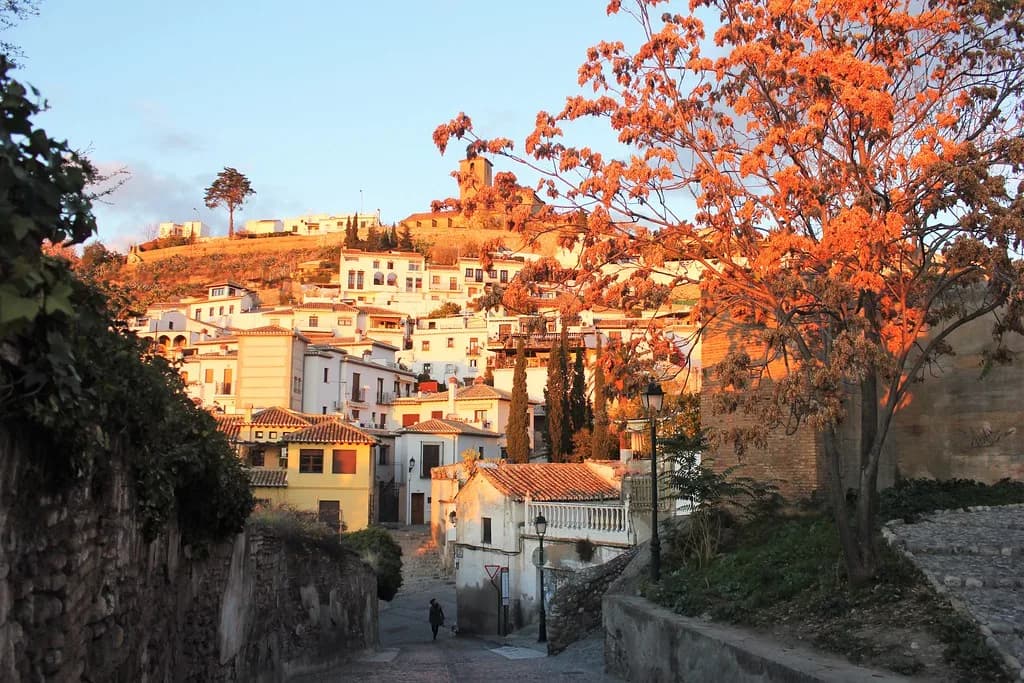
Climbing the Albaicín, you'll find crosses that feel organically planted in the neighborhood's ancient stone streets. Plaza de San Miguel Bajo, set before a whitewashed church, is a highlight, offering a more authentic, less polished cross experience. The hill's steepness is offset by the sweeping views and the charm of the surroundings.
The Cuesta del Chapiz, connecting the Albaicín to Sacromonte, hosts an intimate cross with views back over the city. Further into Sacromonte, smaller community crosses appear outside cave houses and in tiny plazas—these are unlikely to win prizes but collectively offer the festival's most enchanting scenes. Wear comfortable shoes for the cobblestones.
A Self-Guided Route: How to Connect the Neighborhoods
A feasible walking route links the city center, Realejo, and Albaicín, allowing you to see a wide range of crosses in a few hours. Start at Plaza de Bib-Rambla in the center, then walk south to the Realejo, visiting Campo del Príncipe and Plaza de los Campos. From there, head north and uphill to the Albaicín, ending at Plaza de San Miguel Bajo. This route covers about 4 kilometers and can be done at your own pace.
Alternatively, begin in the Realejo if you prefer a quieter start, then connect to the center for the grand displays, and finish in the Albaicín for the evening atmosphere. Since there is no official route, use this as a skeleton and free yourself to wander—the best discoveries often lie in forgotten corners.
Practical Tips: Timing, Comfort, and Crowds
For the best experience, visit crosses in the late afternoon and evening when they are illuminated after dark—they take on a different beauty. The busiest times are the opening and closing days; if you prefer smaller crowds, Saturday afternoon is often calmer. Bring a light jacket for cool evenings, as May nights in Granada can be crisp.
Wear closed-toe shoes with grip for the uneven cobbled streets. Carry some cash, as many cross-side bars are cash-only. The crowds can be significant, especially at main plazas, so patience is key. If you're noise-sensitive, plan earlier visits, as music plays until late.
Other Neighborhoods Worth a Detour
Beyond the three main areas, consider the riverside promenade crosses along the Paseo del Salón for a more peaceful viewing. This area is ideal for an early evening walk. The Zaidín and other neighborhoods often have hidden gems worth discovering, but be prepared to venture farther from the tourist trail.
Plan Your Visit
The best way to experience Día de la Cruz is to walk, explore, and let the city guide you. Prioritize the center for grandeur, Realejo for tradition, and the Albaicín for atmosphere, but leave time to stray from this route. For a broader perspective on Spain's spring festivals, see our guide to festivals in Spain.
Check the official Granada tourism website for the current year's program and map of crosses, as details change annually. For more practical tips on visiting Granada, explore our guides to the city and its events, and enjoy every moment of this floral celebration.
Frequently Asked Questions
What is Día de la Cruz?
Día de la Cruz, also known as Cruces de Mayo, is a festival celebrated in Granada on May 3rd, where neighborhoods build decorative crosses covered with flowers and traditional items. It features music, tapas, and a competition among the crosses.
Where is Día de la Cruz celebrated?
Día de la Cruz is celebrated across Granada, with the main concentrations in the city center (Plaza de Bib-Rambla, Plaza de la Trinidad), Realejo (Campo del Príncipe), and Albaicín (San Miguel Bajo). Note that Córdoba holds its own separate festival.
Where to see the best Día de la Cruz crosses in Granada?
The best crosses are typically found in Plaza de Bib-Rambla and Realejo's Campo del Príncipe, but the Albaicín offers atmospheric displays. For current locations, check the official program posted by the city.