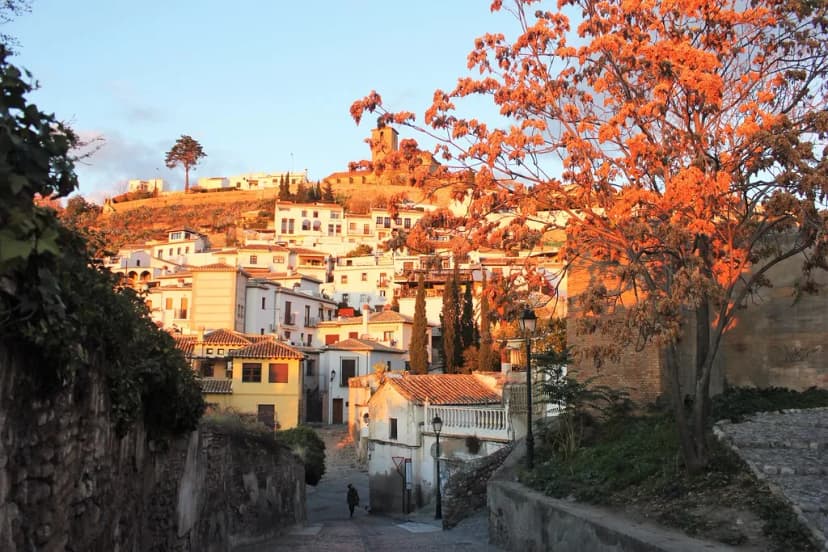
Corpus Christi is Granada’s main annual festival, a week-long event in late May or June that layers centuries-old religious ritual over a full-blown Andalusian feria. For visitors, the appeal is a rare mix: a solemn Catholic procession through the historic centre and a sprawling, open-access fairground where most of the casetas (tents) welcome anyone without an invitation. Unlike the invitation-only fairs in Seville, Granada’s version is notably more accessible for first-timers.
When is Corpus Christi celebrated in Granada?
Corpus Christi is a movable feast tied to Easter, so its exact date changes each year. The main religious day, Corpus Thursday, is a public holiday in the city, and the celebrations typically stretch for a week around it. For 2027, several sources project the fair from late May into early June, but only the Tarasca parade (26 May) and Corpus Thursday (27 May) are officially confirmed by the city council so far.
If you’re planning around a specific edition, the full programme is usually published just a few weeks before the event. Check the official Granada tourism website or the city council’s announcements for confirmed dates and schedules, as projections can shift.
The Tarasca parade and the Corpus Christi procession
The Tarasca parade is the secular curtain-raiser, traditionally held on the Wednesday before Corpus Thursday. A costumed mannequin representing a woman rides a dragon through the city centre, accompanied by gigantes (towering figures) and cabezudos (oversized papier-mâché heads) that depict historical characters such as the Catholic Monarchs. Children love it, and it’s free to watch from the street.
The following day, Corpus Thursday, the main procession departs from Granada Cathedral. The ornate Custodia, a silver-gilt monstrance linked to Queen Isabella I, is carried through streets lined with aromatic herbs like juniper and mastranzo. Thousands of residents turn out for this solemn event, which includes civic representatives, clergy, and marching bands. Watching from a spot near the Carrera del Darro gives a close view, but arrive early as it fills quickly.
The fair at Almanjáyar: casetas, amusement park, and atmosphere
Once the religious events conclude, the action shifts to the Almanjáyar fairground in the north of the city, near the main bus station. The site is laid out like a temporary village with rows of decorated casetas, an amusement park, and stalls selling churros and drinks. In 2026, there were 72 casetas, including institutional and commercial tents open to everyone, alongside traditional ones run by local associations – many of which also welcome visitors.
The evenings are when the fair truly comes alive: expect sevillanas dancing, live music, and groups drifting between tents for tapas, local wines, and beer. Traditional Andalusian dress – flamenco costumes and wide-brimmed hats – is common but not required. The atmosphere is sociable and open, making it easy to join in even if you don’t know anyone.
Other traditions: carocas, carriage parade, and bullfighting
In Plaza Bib-Rambla, near the Cathedral, you’ll find the carocas – satirical posters with humorous verses that poke fun at local and national politics. This tradition dates back to the 17th century and offers a window into Granada’s sharp sense of humour, even if you don’t catch every joke.
During the week, a traditional carriage exhibition (‘Exhibición de Enganches’) takes place at the bullring as a charity event, featuring restored horse-drawn carriages. While bullfighting is part of the Corpus programme, schedules and tickets vary by year; if you’re interested, you’ll need to check the bullring’s official box office closer to the dates.
Practical information: getting to the fairground and where to stay
The easiest way to reach the Almanjáyar fairground is by the dedicated fair shuttle buses (routes F1–F6), which cost €2 per trip. The Granada Metro also has a stop at Jaén, a five-minute walk from the main entrance. Driving is not recommended – traffic builds up in the evenings and parking is limited, though secure paid lots exist near the site.
Corpus week is peak season for accommodation in Granada. Prices rise and availability drops fast, so book at least two to three months in advance. The Centro keeps you near the procession routes, the Albaicín offers character and Alhambra views, and the Realejo is a quieter option within walking distance of the action.
Tips for visiting during Corpus week
To make the most of a Corpus visit, plan your days around the main events: mornings for the Tarasca (Wednesday) and the procession (Thursday), and evenings for the fair. Use public transport to get to Almanjáyar – the €2 shuttle is far easier than parking. If you want to avoid the biggest crowds, go to the fairground on a weekday evening rather than the weekend.
Don’t expect every caseta to be open to all – some private ones are for members. Still, the public and institutional tents are plentiful and welcoming. Try local specialities like oxtail stew (rabo de toro) or fried fish, and remember that tapas often come free with a drink in Granada’s bars. For a quieter cultural break, the city’s museums and the Alhambra remain open, though advance tickets are essential.
Plan Your Visit
Granada’s Corpus Christi offers a unique chance to experience both deep-rooted religious tradition and the joy of a public feria. From the whimsical Tarasca to the solemn procession and the lively casetas, the week has something for every traveller.
Because dates shift each year, always confirm the official programme before booking. For a broader view of Spanish celebrations, explore our guide to festivals in Spain, and if you’re considering other Corpus destinations, our guides to Seville and Toledo can help you compare.
Related festival guides
Frequently Asked Questions
When is Corpus Christi celebrated in Granada?
Corpus Christi takes place on different dates each year because it is tied to Easter. The main day, Corpus Thursday, is a public holiday, and festivities typically run for a week around it. Check the official Granada tourism website for confirmed dates.
Are the casetas at Granada's Corpus Fair free to enter?
Most casetas are free and open to the public, particularly those run by public institutions and commercial groups. Some traditional casetas are invitation-only, so it’s best to check at the entrance. This open structure makes Granada’s fair more accessible than Seville’s.
How do I get to the Corpus fair at Almanjáyar?
The Granada Metro also stops at Jaén station, a five-minute walk from the main entrance. Driving is possible but not recommended due to congestion and limited parking. Check the organizer's current ticket information for the admission category you need; historical rates are not a current quote.
What is the Tarasca parade?
The Tarasca is a secular procession held on the Wednesday before Corpus Thursday. A costumed figure of a woman rides a dragon through the streets, accompanied by giant figures and big-headed characters. It’s free to watch and popular with families.
Is the Corpus Christi procession free to watch?
Yes, the main Corpus Christi procession on Thursday is free to watch from the streets. It departs from Granada Cathedral and follows a city-centre route. Spectators line the streets, so arrive early for a good spot.
When should I book accommodation for Corpus?
Book at least two to three months in advance. Corpus week is a peak period, and prices rise sharply as availability drops. Central areas like Centro and Realejo fill up first, so earlier is better.
What is the atmosphere like at the fair?
The fair is vibrant and social, with flamenco music, sevillanas dancing, and groups enjoying tapas and drinks in the casetas. It’s more open and accessible than many other Spanish fairs, making it easy for visitors to join the celebration.