
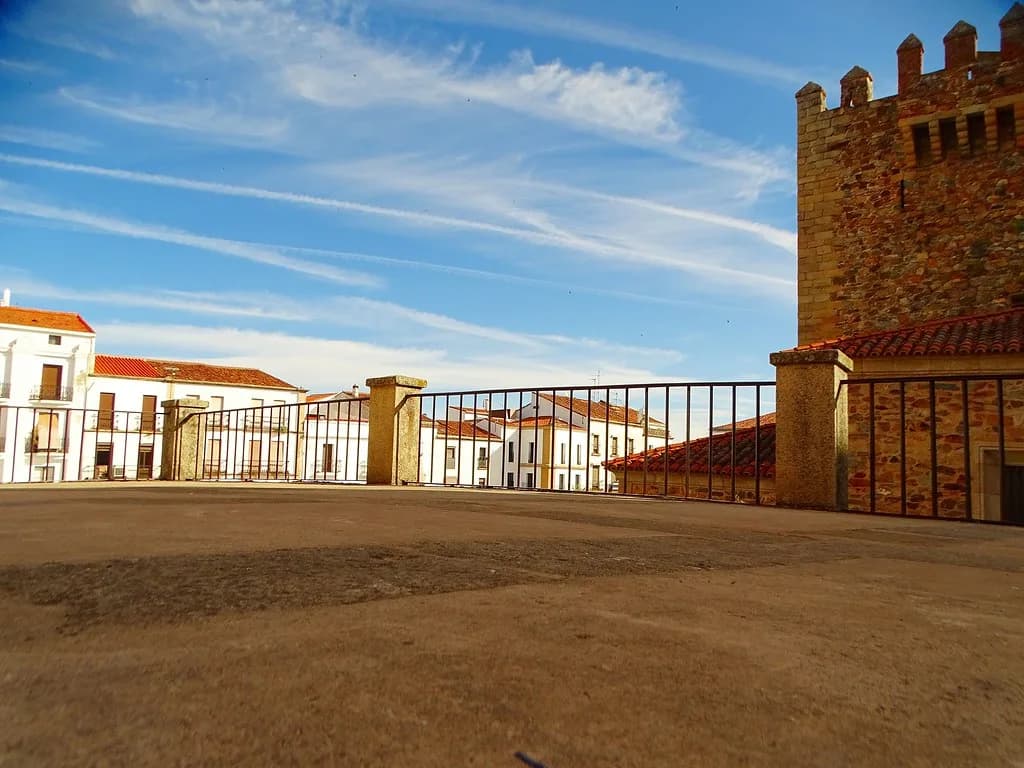
Cáceres, a compact city in Spain's Extremadura region, transforms during Holy Week (Semana Santa) into a stage for one of Spain's most atmospheric religious festivals. Recognized as a Festival of International Tourist Interest, the celebrations are distinguished by their sober, fervent character and their setting within the city's UNESCO-listed Monumental City, where Roman, Moorish, and Gothic architecture form a dramatic backdrop.
For travelers, Holy Week here offers a more intimate alternative to the larger, more crowded processions of Seville or Málaga. Rather than elaborate floats and raucous crowds, Cáceres presents a more contemplative experience, where the sound of drums, the scent of incense, and the sight of hooded penitents winding through narrow medieval streets create a powerful, sensory atmosphere.
This guide focuses on practical planning and cultural context, helping you decide when to visit, what to expect, and how to navigate the processions. Because Holy Week dates shift each year with the lunar calendar, always confirm the exact schedule with official sources before booking your trip.
Why Cáceres' Holy Week Stands Out
The processions in Cáceres are notable not just for their religious devotion but for their unique setting. The Monumental City, a UNESCO World Heritage Site since 1986, provides an incomparable backdrop of stone palaces, churches, and walls, as described by the city's official tourism portal.
Moreover, the brotherhoods, known as cofradías, are among the oldest in Spain, with some dating back to the 15th century. Their presence lends a profound historical continuity to the modern celebrations, connecting today's processions with centuries of tradition.
When to Visit: Timing Your Trip for Holy Week
Holy Week in Cáceres takes place in spring, concluding with Easter Sunday, but the exact dates vary each year because they follow the lunar calendar. Spain's official tourism website listed the dates for Easter Week in Cáceres as March 20-28, 2027, but it is essential to check the official calendar for the most current schedule.
If you plan to visit, aim to be in the city from Palm Sunday (Domingo de Ramos) through Easter Sunday. The most significant processions often occur on Easter Wednesday, Maundy Thursday, and Good Friday, with late-night and early-morning events that are particularly atmospheric.
Keep in mind that accommodation and restaurant reservations will be in high demand during this period, so book well in advance. As a point of comparison, Madrid's festivals draw similar crowds, so early planning is always wise. For a broader view of Spanish celebrations, you might explore other events on our portal.
What to Expect: The Character of the Processions
Expect a blend of solemnity and religious fervor. Unlike the more exuberant celebrations elsewhere, Cáceres' processions are marked by a sober elegance, with the sound of drums and the haunting beauty of saetas—traditional religious songs, often sung anonymously from balconies as the floats pass by.
Incense fills the air as hooded members of the cofradías, known as nazarenos, carry or accompany the pasos, which are elaborate religious statues. Many of these statues have immense historic and artistic value, adding a layer of cultural significance to the religious spectacle.
The atmosphere can be deeply moving, especially during the night processions when the only light comes from candles and the only sound is the shuffle of feet and the occasional drumbeat. Prepare for cool spring nights, especially in the evening, and wear comfortable shoes as you'll likely be standing for long periods.
Key Processions and Moments Not to Miss
One of the most striking events is the procession of the Cristo Negro on Easter Wednesday night. This 14th-century statue is carried through the streets in absolute silence, a powerful and unforgettable experience described by Spain's official tourism site.
Other notable processions include the Procesión de la Madrugá, which takes place in the early hours of Good Friday, and the Procesión del Silencio on Maundy Thursday. The city's official tourism portal lists numerous processions, including those of La Burrina, La Expiración, La Sagrada Cena, and the Santo Entierro, each with its own distinct character.
The processions often follow different routes, but many pass through the Plaza Mayor and the heart of the Monumental City. Consult the official program for the exact schedule and route of each procession, as these can change from year to year.
Ancient Brotherhoods: The Cofradías' 15th-Century Legacy
The cofradías of Cáceres are among the oldest in Spain, a fact highlighted by the city's tourism department. These religious brotherhoods, some tracing their origins to the 15th century, organize the processions and maintain the traditions associated with each statue.
Each cofradía has its own distinct robes, insignia, and history. They are not just parade organizers but active religious and social communities that preserve the city's devotional heritage throughout the year.
While you may not have the opportunity to meet the members personally, observing their disciplined processions and the care they show for the statues offers a window into a living tradition.
Where to Watch: Public Streets and Monumental City
There is no ticket required to watch the processions; they are free and take place in the public spaces of Cáceres, primarily within the historic center. The narrow cobbled streets can get crowded, so arriving early to secure a good viewing spot is advisable.
Popular vantage points include the Plaza Mayor, the Arco de la Estrella, and along the main processional routes. Some processions include a pass through the Plaza Mayor, offering a wider view, while others wind through the narrower streets of the old city for a more intimate experience.
Watching from the edge of the crowd allows you to step back easily before the procession arrives. Keep an eye out for the saetas, which are often sung from balconies above the route.
Visitor Information: Where to Get Programs and Details
To get the most out of your visit, stop by the Centro de Divulgación de la Semana Santa (Centre for the Dissemination of Holy Week) located in the Preciosa Sangre church. This visitor center provides detailed schedules, maps, and multimedia guides to help you navigate the processions.
You can also visit the dedicated website semanasantadecaceres.es, which publishes the official program, including dates and times for each event. The city's tourism portal, turismo.caceres.es, also offers multimedia resources, including audio guides and galleries of past processions.
Check these official sources before your trip and again once you arrive, as last-minute adjustments to schedules can occur.
Combining Holy Week with Exploring Cáceres' Heritage
Cáceres is a remarkably walkable city, especially its compact historic core. Between processions, you can explore the Plaza Mayor, the Torre de Bujaco, the Co-cathedral of Santa María, and the Jewish Quarter. The city's rich blend of Roman, Moorish, and Renaissance architecture is best discovered on foot.
Several historic palaces and churches are open to visitors, though some may have reduced hours during Holy Week. Consider taking a guided walking tour to gain deeper insight into the city's history; some tour companies offer free tours, while others charge a fee.
If you have extra time, consider visiting nearby towns like Trujillo or Mérida, but during Holy Week, many travelers choose to focus solely on Cáceres to fully immerse themselves in the processions.
Beyond Holy Week: Other Reasons to Visit Cáceres
If you cannot make it during Holy Week, Cáceres offers other cultural events throughout the year. The WOMAD Cáceres music festival, typically held in May, brings world music to the city's squares, offering a different but equally vibrant atmosphere. For a more historical celebration, the Ciudad Medieval de Cáceres festival reenactments transport the city back to its medieval past each June.
Spring, with its mild temperatures and blooming landscapes, is an excellent time to explore the city and the surrounding Extremadura region, even outside Holy Week. However, for the full, unique experience of Cáceres' most celebrated tradition, planning your visit around Easter is the right move.
Plan Your Visit
To plan your visit, start by checking the official Holy Week website for the confirmed dates and program. Book your accommodation early, as rooms fill quickly, and consider arriving a day before the main processions to settle in.
During your stay, embrace the local pace: explore the city in the daytime, take a siesta in the afternoon, and head out for the processions in the evening. And remember, the most cherished moments often happen when you least expect them—like hearing a saeta echo through a narrow alley.
Frequently Asked Questions
Is Cáceres, Spain worth visiting?
Yes, Cáceres is worth visiting for its remarkably well-preserved historic center, a UNESCO World Heritage Site, which blends Roman, Moorish, Gothic, and Renaissance architecture. It offers a more relaxed and authentic experience than larger Spanish cities, with excellent local cuisine and a rich cultural calendar, including its renowned Holy Week celebrations.
Should I avoid Seville during Holy Week?
Whether to avoid Seville during Holy Week depends on your preferences. Seville is famous for its spectacular and crowded processions, but accommodation is expensive and streets can be packed. If you prefer a quieter, equally meaningful experience, consider smaller Andalusian towns or other regions like Cáceres in Extremadura.
What is the most famous thing about Cáceres?
The most famous thing about Cáceres is its UNESCO-listed Monumental City, an exceptionally well-preserved historic quarter that showcases a rich mix of Roman, Islamic, Gothic, and Renaissance architecture. Its annual Holy Week processions, a Festival of International Tourist Interest, are also a major draw.
Is Cáceres a walkable city?
Yes, Cáceres is highly walkable, especially its historic center, which is compact and largely car-free. Most major attractions are within easy walking distance of each other, making it ideal for exploring on foot.


