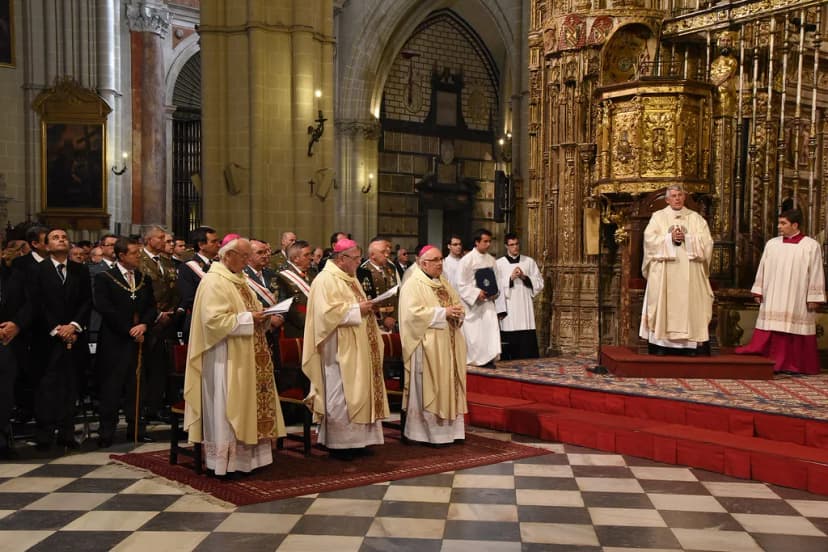
Every year, Catania honors its patron saint, Agatha, with three days of intense devotion and spectacle. On February 3–5, the silver fercolo carrying the relics leaves the Cathedral and winds through the city's baroque heart, accompanied by white-clad devotees, candles, and fireworks. The event draws hundreds of thousands of spectators, making it one of the largest religious gatherings in the world. Check the current schedule on the Feast of Sant'Agata Catania travel guide for updates.
Choosing where to watch matters: the route is long, the crowds can be intense, and the narrow side streets quickly fill. Some locations offer a front-row view at the expense of physical comfort, while others let you enjoy the atmosphere without being packed in. The key is to decide based on the day, the time, and your tolerance for crowds. Start by understanding the overall layout of the processions, which pass through landmarks like Piazza Duomo, Via Etnea, and Piazza Stesicoro.
Understanding the Sant'Agata Processions: Key Dates and Routes
The Sant'Agata feast in Catania sees three main processions: on February 3, the Offering of the Wax leaves the Church of Sant'Agata alla Fornace for the Cathedral; on February 4, a dawn mass is followed by a grand procession through Porta Uzeda, Piazza Stesicoro, Sant'Agata la Vetere, Piazza Palestro, and Via Garibaldi; and on February 5, the final procession follows Via Etnea, Piazza Cavour, Via Caronda, Via Crociferi, and Piazza San Francesco d'Assisi before returning to the Cathedral. These dates and routes apply to the celebrations in 2026, but the festival has followed a similar pattern for many years. Always confirm the schedule for the year you plan to attend through official organizers, as dates can shift.
The February 5 procession, known as the internal tour, begins in the late afternoon and moves slowly along the grand Via Etnea. Because of the many candles carried by devotees, the fercolo frequently stops to remove melted wax, which can delay the procession and, in turn, affects when it reaches different points. This route is shorter than the February 4 external tour, but it takes place at a more deliberate pace, making it easier to plan a viewing spot if you anticipate the fercolo's movements.
February 4: Following the Dawn Procession
The early hours of February 4 bring a procession that passes through some of Catania's most symbolic sites. Porta Uzeda, the ancient gate near the Cathedral, is a critical chokepoint as the procession exits the Duomo area. Arrive well before dawn to secure a position near the gate if you want to see the fercolo emerge; the atmosphere here is charged with anticipation. However, be prepared for dense crowds and limited visibility unless you stand on a step or raised surface.
Piazza Stesicoro is a wide, open square that offers more breathing room than the narrow streets. The procession crosses this piazza, giving you a clear view of the fercolo as it passes the Roman amphitheater ruins. Because the square is large, you can often find a good spot even if you arrive later, but expect to stand for a while. Sant'Agata la Vetere, one of the oldest churches in Catania, is another key stop; the procession pauses here, allowing a closer look at the relics and the devotees who carry them.
February 5: Along Via Etnea and Its Squares
On February 5, the procession leaves Piazza Duomo and proceeds up Via Etnea, the city's grand boulevard. This avenue is lined with historic buildings, including the Abbey of Sant'Agata and the Collegiata Church, both of which provide a striking backdrop as the fercolo passes. The crowds are thick here, but the wide street means more room to maneuver. A good strategy is to find a spot near the Abbey or Collegiata, where the procession slows down for the devotees to pay homage, giving you a longer view.
Piazza Stesicoro also features on this route, although it may already be familiar from the previous day. Here, you can catch the procession as it turns from Via Etnea onto Via Caronda. The square is again an excellent viewing point, with space to move and a clear sightline. Bellini's Garden, adjacent to the square, offers a slight elevation if you can stand near its perimeter, though access may be restricted during the event.
Piazza Cavour: Fireworks and Open Space
Piazza Cavour, known as "u burgu" in Catania dialect, is a highlight on the February 5 route. Here, the fercolo stops for a fireworks display that is among the most spectacular of the feast. The piazza is relatively large, allowing for better crowd distribution, but it still fills up early. Arrive well in advance to secure a place with an unobstructed view of the pyrotechnics, which are launched from the center of the square. The fireworks typically take place late at night, so plan to stay afterwards or have transport arranged back to your accommodation, as the procession continues after the display.
Via Crociferi and St. Benedict's Nuns
Via Crociferi is a narrow, baroque street lined with churches and convents, and it is where the procession pauses for one of the most moving moments: the singing of the Benedictine nuns from St. Benedict's Church. The nuns remain hidden behind railings, but their voices echo through the street as they sing to the saint. This spot is incredibly popular, and the crowd can become intense. If you are not comfortable in tight crowds, it is wise to watch from a slight distance, perhaps near the intersection with Via dei Crociferi, where you can still hear the singing and see the procession without being crushed.
Final Salute at Piazza Duomo
The procession concludes with a return to Piazza Duomo, where the fercolo performs a final salute, turning to face the square's gathered devotees before re-entering the Cathedral. This is a deeply emotional moment, with devotees waving white gloves and singing the anthem. To get a good view, claim a spot in the square several hours before the fercolo's expected return; the square fills to capacity, and latecomers may find themselves far from the action. Stay near the Cathedral's entrance for a close view of the farewell, but be prepared for pushing from the crowd.
Crowd Levels and Safety Tips
Crowds during the Sant'Agata processions are immense, especially near the Cathedral, Via Etnea, and Via Crociferi. While many attendees are devotees who follow the fercolo, thousands of tourists also join. Expect to be surrounded by people, and in narrow streets like Via Crociferi, the density can become uncomfortable. If you are claustrophobic or traveling with children, choose wider squares like Piazza Stesicoro or Piazza Cavour, and arrive early to secure a spot near the barriers.
Safety is a key concern during the processions. The devotees carry large candles, and as they melt, hot wax can spill onto the street. Be mindful of your footing, as the ground may be slippery with wax. Additionally, the narrow streets create a risk of crowd surges; avoid pushing and keep a safe distance from the fercolo when it stops. The organizer or local authorities typically set up barriers and crowd control measures; follow their instructions and be aware of emergency exits in the square.
Anticipating the Fercolo: A Strategy
Instead of following the procession, which is slow and exhausting, consider waiting at a stop along the route. The fercolo makes numerous pauses, giving you ample time to find a good vantage point. On February 5, for example, the fercolo stops frequently to remove wax, and these pauses provide the perfect opportunity to see the reliquary bust up close. Choose a spot along Via Etnea or Piazza Cavour and wait; you will be rewarded with a more relaxed experience and closer views.
Practical Tips for a Great View
Wear comfortable shoes and dress warmly, as you will be standing for hours in winter weather, often in the open. Bring water and snacks, but be aware that vendors may be limited in some areas. A portable stool or step can help you see over taller spectators, but be considerate of others. Mobile phone networks can become congested, so arrange a meeting point with your group beforehand in case you get separated.
Public transport in Catania is limited during the feast, and many roads are closed for the processions. If you stay in the city center, you can walk to most viewing spots, but if you need to travel, plan your route in advance and consider using a taxi or ride-sharing service, though these may be affected by road closures. For more on how to experience the feast as a participant, see Dressing as a Devotee for Sant'Agata. For a taste of the local sweets and treats that accompany the festival, explore Sant'Agata Festival Foods in Catania.
Plan Your Visit
Watching the Sant'Agata procession in Catania is an unforgettable experience, but it requires careful planning. Your choice of viewing spot should balance proximity to the fercolo with your comfort in crowds. For the February 4 dawn procession, prioritize Porta Uzeda and Piazza Stesicoro; for February 5, focus on Via Etnea, Piazza Cavour, and the final salute at Piazza Duomo. Always check the official schedule for the current year, as timings and routes can evolve.
Before you go, verify the latest program through the Diocese of Catania or the tourism board. The official website often publishes detailed schedules and any changes. Be prepared for large crowds, respect the devotion of the participants, and enjoy the unique atmosphere of this extraordinary feast. For a full overview of the festival's history and traditions, return to the Festa di Sant'Agata in Catania guide.
Frequently Asked Questions
What is the best time to arrive for a good view?
Arrive at least 1-2 hours early for popular spots like Piazza Duomo or Piazza Cavour, but even earlier for narrow streets like Via Crociferi. Early arrival secures a spot near the front, but you may need to wait several hours in cold weather.
Are there any free viewing spots?
Yes, all viewing spots are free and open to the public. Stand along the procession route, but be prepared for crowds and standing room only. Arrive early to claim your space.
Is it safe to bring children?
It is possible but challenging due to crowds and wax. Keep children in strollers with a clear view, or carry them, and consider viewing from wider areas like Piazza Stesicoro, where there is more space.
What should I wear?
Wear comfortable shoes and warm clothing, as February in Catania can be cold, especially in the early morning or at night. A light raincoat may be useful, but check the forecast.