Each summer, the small Campanian town of Nola erupts in a whirlwind of music, color, and communal fervor for the Festa dei Gigli. Eight towering wooden obelisks, some as high as 25 meters, are paraded through the streets on the shoulders of dozens of men, while crowds dance to the pulsing beat of local bands. This is not a staged tourist show but a profound expression of local identity, rooted in centuries of religious devotion and civic pride.
The Legend of St. Paulinus: Why Nola Celebrates
The festival honors St. Paulinus, the fifth-century bishop of Nola, who is celebrated on June 22. According to legend, during the barbarian invasions, Paulinus sold his possessions to ransom prisoners and even offered himself as a substitute for a widow's son, traveling to Africa and returning with the freed captives. The grateful townspeople greeted him with lilies (gigli), and the first procession was born.
The ritual has remained largely unchanged since then to reinforce the connection with that era of crisis and rebirth, and the earliest written sources date back to around 1500. Now, the festival represents the unity of the town's corporations, each of which builds and carries its own giglio to honor the saint and the city, not in competition but in collective devotion.
Understanding the Gigli: Structure, Art, and Symbolism
Each giglio is a remarkable feat of engineering and artistry. Rising to about 25 meters today, they have a cubic base roughly three meters per side and weigh around 25 quintals. Their shape originates from the 'major-albero' (big tree) used in ancient pagan fertility rituals, later transformed into a Christian symbol of devotion.
The structure is built around a central axis called the 'borda', which provides flexibility and stability. This innovation was introduced in 1887, allowing the gigli to withstand the dynamic forces of being carried and moved. Artisans from Nola, influenced by papier-mâché traditions from Lecce and Naples, decorate the gigli with intricate figures and scenes depicting religious, historical, and current themes.
The decoration process is painstaking: each element is crafted, painted in watercolor, and checked under sunlight and night light before the final coat, then assembled only on the appointed dressing day. This artisanal tradition is a proud local craft that fascinates visitors.
The Date: When Does the Festival Happen?
The Festa dei Gigli takes place annually on the Sunday following June 22, the feast day of St. Paulinus. Since the saint died on June 22, 431 AD, the date rule ensures a fixed anchor point. The festival is held in Nola, a town in the province of Naples, not in the city of Naples itself.
While the main procession is on Sunday, the celebration extends over several days, with musical events, religious services, and preparations throughout the preceding week. For specific dates, always check the official festival announcements or local tourism websites.
The Procession: What to Expect on Gigli Sunday
Eight gigli, each representing a different craft or trade guild, are carried through the winding streets of Nola's historic center. Each giglio is lifted and manipulated by a team of 128 'cullatori' (carriers), who form a 'paranza' (team). These men work in unison, following the directions of four 'caporali' stationed at the corners of the giglio's base.
The cullatori's name derives from their rhythmic rocking motion, 'cradling' the giglio to the beat of the music. A band sits on a platform near the base, playing lively tunes that set the pace and energize both carriers and onlookers. The parade starts in the morning and continues through the night, creating an almost continuous spectacle.
In addition to the gigli, a 'barca' (boat) is carried to recall the saint's return by sea. The atmosphere is one of intense emotion, with crowds cheering, singing, and dancing as each giglio passes. For many Nolani, this is the highlight of the year, a moment of collective identity.
The Role of Music and Dance in the Festival
Music is the heartbeat of the Festa dei Gigli. Days before the procession, 'musica nolana'—Neapolitan music with a marching beat—fills the streets, setting the rhythms that guide the carriers. Each paranza has its own band, and the music continues without pause for the entire Sunday, creating a hypnotic atmosphere that drives the dancers.
The crowd becomes part of the performance, clapping, waving scarves, and even blowing whistles, all moving in sync with the music. For locals, these rhythms are deeply familiar, learned from childhood, and they add to the profound sense of community and passion that defines the event.
Where to Watch: Tips for Finding a Good Spot
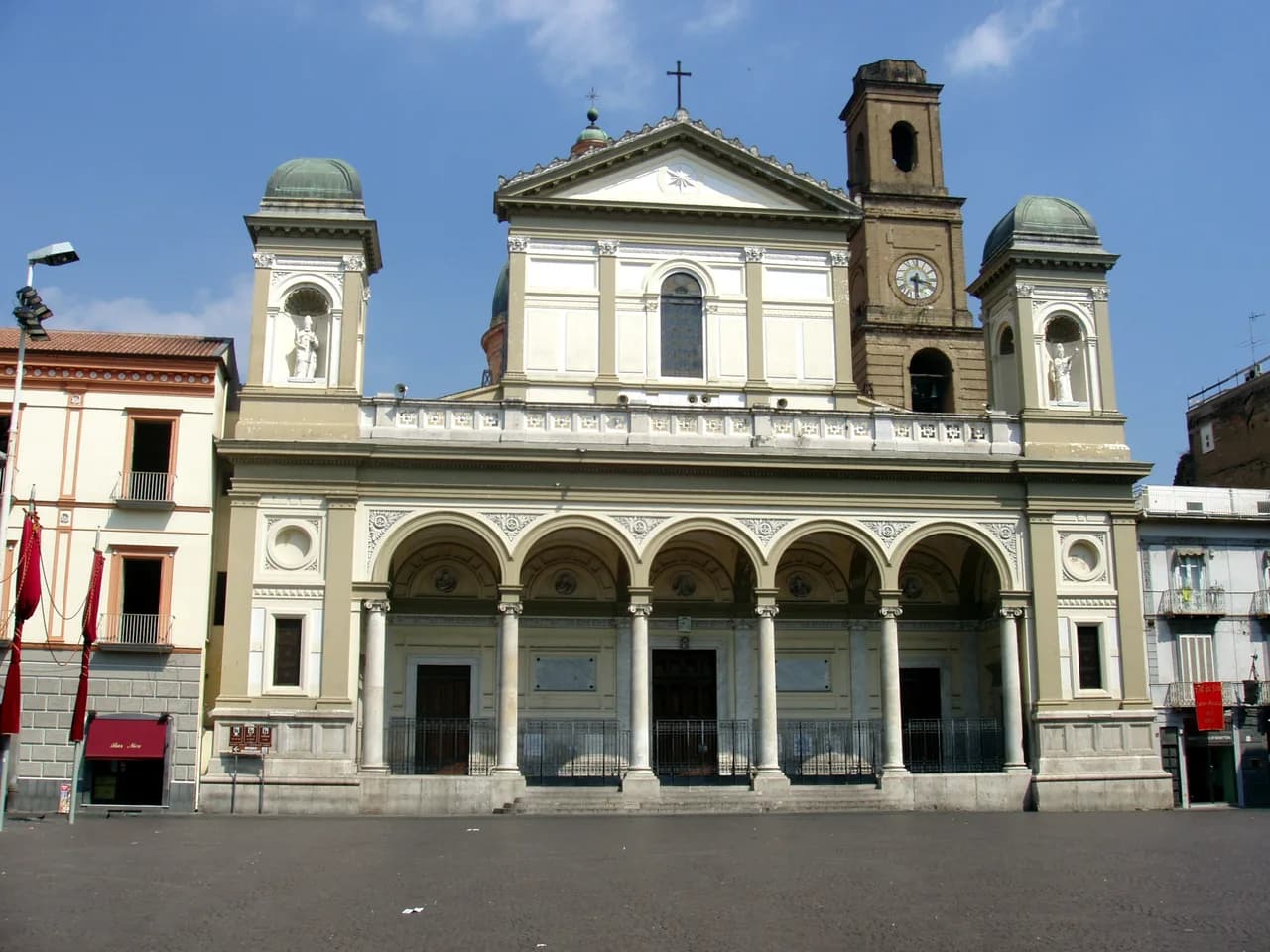
The procession winds through Nola's narrow streets, so you can watch from the sidewalks along the route. Be prepared for tight spaces, as the gigli are massive and the crowds are enthusiastic. Try to secure a spot near one of the main squares or in front of the cathedral, where the gigli often make dramatic entrances.
Local residents may offer prime spots from their windows or balconies, which can be a wonderful way to enjoy the view safely. You can also follow the procession from square to square, but moving with the crowd is challenging. The official tourism website often provides maps and suggested viewpoints.
Practical Tips for Visitors: Crowds, Noise, and Getting Around
Expect massive crowds on Gigli Sunday. The festival is a major event for the entire region, and visitors from Naples and beyond fill Nola's streets. The noise level is intense, with multiple bands playing at close quarters, so bring earplugs if you are sensitive. The emotional fervor can be surprising, as the event is deeply meaningful to locals.
Getting to Nola is easiest by train from Naples Circumvesuviana or by car, but parking is scarce, so arrive early. The festival has no official ticketed viewing areas, so costs are minimal—you pay only for transport and accommodation. Book your stay well in advance, as hotels fill up quickly.
Other Events During the Festival Period
The festival week includes more than just the main procession. There are religious ceremonies, concerts, and marching bands performing in the streets. Local shops and homes display their own small gigli, decorated with the same artistry as the big ones, creating a festive atmosphere throughout Nola.
Visiting the 'gigli' workshops is a fascinating way to see how the structures are made, and you might even catch artisans at work on the decorations. These immersive experiences deepen your understanding of what makes this festival so special.
A Brief History: From Pagan Rituals to UNESCO Heritage
The roots of the Festa dei Gigli reach back to ancient pagan rituals associated with the summer solstice and fertility, when people carried large tree-like structures to honor their deities. With the spread of Christianity, these symbols were adapted to express faith and devotion.
The festival has evolved over time, with the first structural innovations appearing in the 19th century. In 2013, UNESCO recognized the Festa dei Gigli as Intangible Cultural Heritage of Humanity, along with three other Italian shoulder-borne processional structures, cementing its global significance.
Useful Resources and Further Reading
For official information, check the Visit Naples website, which offers a detailed overview of the festival's history and practices. The regional tourism board also provides practical details about visiting the area. If you plan to explore other Italian festivals, you might find our [Festival calendar] useful for planning.
Always verify the current year's schedule with the official sources, as dates and events may vary. Local tourism offices in Nola can be reached for updated information. Whether you're a first-time visitor or a returning fan, the Festa dei Gigli is an unforgettable experience.
Plan Your Visit
The Festa dei Gigli is a unique opportunity to witness a living tradition that blends faith, art, and community in a stunning spectacle. If you're planning a trip, be prepared for an immersive and intense experience, and always check the latest details from official sources before you go.
Don't miss the chance to see the gigli up close, hear the music that drives the carriers, and feel the energy of the crowd. This festival is a highlight of southern Italy's cultural calendar and a memory that will stay with you long after the last giglio has returned to its chapel.
More festivals in Italy
Frequently Asked Questions
What is the Festa dei Gigli?
The Festa dei Gigli is a traditional festival held in Nola, Italy, honoring St. Paulinus. It features eight towering wooden obelisks carried through the streets by teams of men, accompanied by music and dancing. It is recognized as UNESCO Intangible Cultural Heritage.
Why is the Festa dei Gigli celebrated?
The festival commemorates the return of St. Paulinus from captivity in the fifth century. According to legend, the townspeople greeted him with lilies, and the procession of gigli evolved as a gesture of gratitude and devotion.
When is the Festa dei Gigli?
The festival occurs annually on the Sunday after June 22, the feast day of St. Paulinus. It's a movable date, so it changes each year, but it always falls in late June.
Where does the Festa dei Gigli take place?
The festival is held in Nola, a town in the province of Naples, in the Campania region of Italy. It is not held in Naples city itself.
What are the gigli?
Gigli are large wooden obelisks, often about 25 meters tall, decorated with papier-mâché and other materials. Each represents a local craft or trade and is carried in the procession.
How heavy are the gigli?
Each giglio weighs around 25 quintals, which is approximately 2,500 kilograms or 2.5 tons. This weight is distributed among many carriers, but it's still a significant physical feat.
How many people carry each giglio?
Each giglio is carried by about 128 men, known as cullatori. They work as a team, coordinated by four caporali.