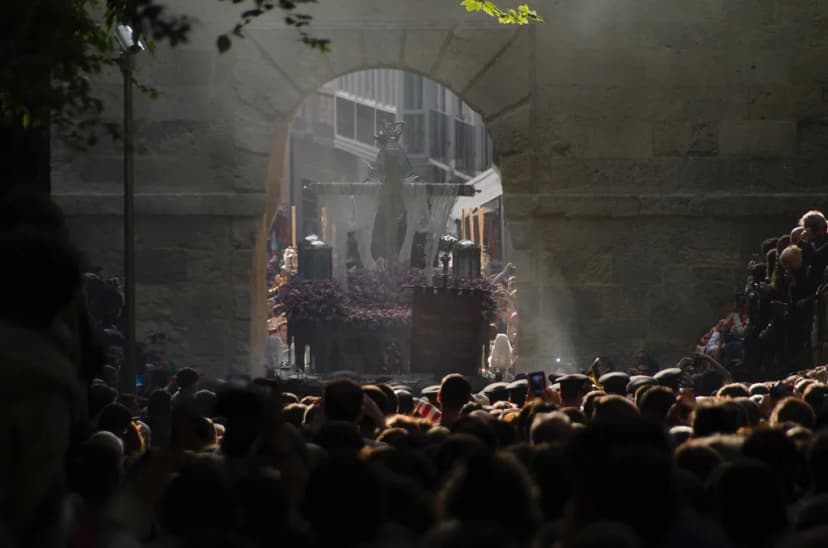
Orthodox Easter, or Pascha, is the most significant religious celebration in Greece, and Rhodes Town offers an especially atmospheric setting for it. The Medieval Old Town, with its narrow cobbled lanes and historic churches, becomes the stage for candlelit processions and solemn rituals that have been observed for centuries.
For visitors, Holy Week here is a chance to witness living tradition rather than a staged performance. The week builds from Palm Sunday through the somber ceremonies of Good Friday to the explosive joy of the Resurrection on Holy Saturday night, with Easter Sunday devoted to feasting and community.
Holy Week in Rhodes Town: An Overview
Holy Week begins on Palm Sunday and follows the Orthodox Christian calendar, which often differs from Western Easter. In 2026, Orthodox Easter fell on Sunday, 12 April, while Western Easter was on 5 April, but dates shift each year based on the Julian calendar calculation. For the current year's date, refer to the How the Orthodox Easter Date Is Calculated resource.
The week's rhythm is marked by specific practices: from Holy Monday to Holy Wednesday, locals bake traditional koulourakia cookies, filling the air with sweet scents. On Holy Thursday, families dye eggs red, symbolizing the blood of Christ, and prepare meatless dishes like dolmadakia.
Each day carries its own significance, and even if you are not religious, observing these customs provides insight into the culture. The most dramatic moments for visitors are the Good Friday processions and the Easter Sunday feast.
Good Friday: The Epitaphios Processions in Rhodes Town
On Good Friday morning, women gather flowers to decorate the epitaphios, a symbolic bier representing Christ's tomb. By evening, processions wind through neighborhoods across the island, but in Rhodes Town the most atmospheric are held in the Medieval Old Town, as described by the local guide We Are Rhodes.
Two churches stand out: Agios Panteleimon and Agios Fanourios, both located within the historic walls. At these sites, you can witness the epitaphios carried through candlelit streets, with worshippers following in quiet reverence.
The atmosphere is deeply moving, and as the procession returns to the church, it is a local tradition to pass under the epitaphios for a blessing. If you are in the Old Town, arrive early to find a good vantage point along the route.
Holy Saturday: The Midnight Resurrection Service
Holy Saturday night is the climax of the week. Churches fill with worshippers holding unlit candles, waiting in anticipation. Just before midnight, the church lights are extinguished, and the priest emerges with the Holy Light, announcing "Christos Anesti!" (Christ is Risen).
The moment is met with fireworks, ringing bells, and the sharing of light from candle to candle. Following the service, families return home to crack red eggs in a game called tsougrisma, where the last uncracked egg brings good luck. A traditional soup called magiritsa is served as the first non-fasting meal after Lent.
In some areas, bonfires are lit and an effigy of Judas is burned, though this custom is more common in villages than in the town itself. For visitors, the key is to be present at a local church, such as one of the Old Town's parishes, and to follow the crowd's lead.
Easter Sunday: Feasting and Local Customs
Easter Sunday is a day of joy and communal celebration. After the Vespers of Love service, where the Gospel is read in multiple languages, families gather for a feast. The centerpiece is often lamb or goat roasted on a spit, along with kokoretsi and other traditional dishes.
Sweet treats like tsoureki and koulourakia are shared, and the day often continues with music and dancing in the streets. In the Old Town, tavernas may offer special menus, though it is wise to check hours in advance as many places close for the holiday.
One local specialty to look for is lambriotis, a dish of goat stuffed with rice and spices, slow-cooked in a wood-fired oven. While more common in villages, some Rhodes Town eateries may feature it during the season.
Practical Tips for Attending Services
If you plan to attend the midnight Resurrection service, arrive at least 30 minutes early to secure a spot, as churches fill quickly, according to the H Hotels guide to spending Easter in Greece. Dress in layers, as April evenings can be cool, and be prepared for fireworks immediately after midnight.
Expect many businesses to close on Good Friday afternoon and throughout Easter Sunday morning. Public transport may run on reduced schedules, so plan accordingly. Restaurants often require advance reservations for Holy Saturday and Easter Sunday, so it is best to book ahead.
When attending any service, maintain a respectful demeanor. Turn off your phone, avoid flash photography, and follow the lead of local worshippers. It is customary to hold a candle during the service, which is usually provided by the church.
For families, strollers can be an obstacle in crowded Old Town streets; consider a baby carrier instead. If you have mobility concerns, note that processions cover uneven cobblestones, and standing for long periods is often required.
What to Know About Closures and Local Etiquette
Good Friday is a national holiday in Greece, so many businesses, including tourist information offices, may be closed. Holy Monday is also a public holiday, so expect reduced bus service and some site closures.
While restaurants generally open during Easter, it is wise to check individual opening hours, as some may close for the holiday meals. A traveler on the Tripadvisor forum advises that restaurants will be open, but emphasizes asking your accommodation host for the most reliable local knowledge.
When greeting locals during the Easter season, you may hear "Christos Anesti" (Christ is Risen) and the response "Alithos Anesti" (Truly He is Risen). Even a simple "Kalo Pascha" (Happy Easter) is appreciated.
Plan Your Visit
Easter in Rhodes Town offers a unique blend of ancient ritual and community warmth. By planning ahead and understanding the flow of services, you can experience the week's most profound moments without feeling lost.
Check official tourism sites or ask your hotel for the exact schedule of processions and services, as times can vary by church. For broader insights on Greek festivals, see the festivals in Greece guide, and for comparison, explore how other cities celebrate Easter in Oia.
Related festival guides
Frequently Asked Questions
What happens during Easter in Rhodes Town?
During Orthodox Holy Week, Rhodes Town hosts candlelit processions, solemn services, and festive gatherings. Key events include the Good Friday Epitaphios processions, the Holy Saturday midnight Resurrection service with fireworks, and Easter Sunday feasting with traditional foods.
Where is the Good Friday procession in Rhodes Town?
The most atmospheric Good Friday processions in Rhodes Town are held in the Medieval Old Town, particularly at Agios Panteleimon and Agios Fanourios churches. The epitaphios is carried through the candlelit streets, creating a deeply moving experience.
Are restaurants and shops closed during Easter in Greece?
Many businesses close on Good Friday afternoon and Easter Sunday morning, though restaurants often reopen later in the day. It is best to check with individual establishments, as holiday hours can vary.
Is Rhodes warm during Easter?
In April, daytime temperatures in Rhodes typically range from 18 to 23°C, comfortable for sightseeing but cool in the evenings. Sea temperatures are usually around 17–19°C, so swimming is possible but invigorating.