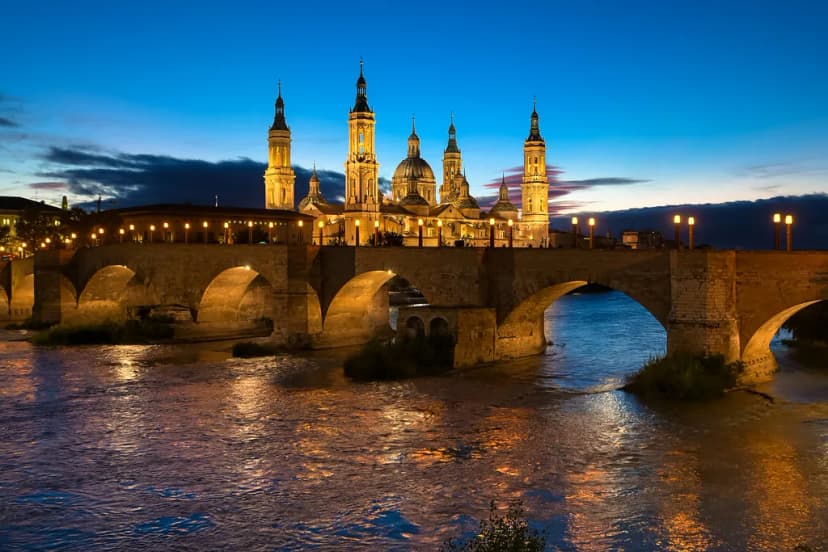
Corfu Town, the capital of the Ionian island of Corfu, offers one of Greece's most distinctive settings for Greek Orthodox Holy Week. The city's narrow alleys, Venetian architecture, and grand esplanades become the stage for processions, music, and a dramatic pot-throwing tradition known as the Botides.
Unlike quieter observances elsewhere, Corfu's Easter is infused with a theatrical flair inherited from centuries of Venetian rule. Philharmonic bands accompany religious processions, and residents and visitors alike gather in the public squares for the island's most famous customs. This guide explains what happens each day and how to plan your visit.
Corfu's Easter Heritage: A Venetian and Orthodox Fusion
The fusion of Venetian and Orthodox traditions makes Corfu's Holy Week unique. While the rest of Greece observes Easter with solemnity, Corfu adds marching bands and dramatic public rituals. The island's philharmonic bands, notably the Old, the Red, and the New, play a central role, accompanying processions with classical music that ranges from mournful to celebratory.
This blend of influences dates back to the era of Venetian rule, when Corfu was part of the Republic of Venice. One explanation for the pot-throwing links it to a Venetian New Year custom of discarding old items. The Corfiots adopted the practice, tied it to Easter, and made it a symbol of renewal. According to the Mayor Hotels guide to the Botides tradition, the custom has become one of the island's most recognizable features.
Good Friday: The Epitaphios Processions
Good Friday is a day of mourning marked by the solemn procession of the Epitaphios, the flower-decorated bier representing Christ's funeral. On Corfu, the processions begin in the afternoon and continue into the evening, passing through the narrow streets of the Old Town. The philharmonic bands accompany the biers, playing deeply emotional pieces such as Albinoni's Adagio and Chopin's Funeral March, creating a somber atmosphere in the candlelit lanes.
Each parish holds its own procession, and the main event is that of the Metropolitan Cathedral in Corfu Town. The faithful light candles as the epitaph passes, and the music echoes off the Venetian facades. For visitors, this is the most solemn moment of the week, and it sets the tone for the more explosive celebrations to come.
Holy Saturday Morning: The Procession of Saint Spyridon
On Holy Saturday morning at 9:00, the relics of Saint Spyridon, the island's patron saint, are carried in a special procession along with the epitaph of his church. This commemorates the island's salvation from famine in 1550, as described in the DERTOUR guide to Greek Easter on Corfu. The music bands perform pieces such as Michelli's 'Calde Lacrime' and Beethoven's funeral march from the 'Eroica' symphony, adding to the solemnity.
This morning procession is a profound religious event that draws both locals and pilgrims. It is one of several annual processions of the saint's relics, and it offers a more intimate counterpoint to the public spectacle that follows. For those interested in the routes and history of these processions, detailed information is available in the dedicated guide to the Saint Spyridon processions.
The Botides Pot-Throwing Tradition: 11:00 AM at Spianada Square
The climax of Holy Saturday is the Botides, where at precisely 11:00 AM the 'First Resurrection' is announced and residents hurl large clay pots from balconies and windows onto the streets around Spianada Square and the Liston. The pots often contain water to produce a loud bang on impact, symbolically driving away evil and welcoming spring. This thunderous spectacle is the most famous Corfu Easter tradition and draws large crowds.
The custom originates from a Venetian New Year tradition of discarding old objects, which was later connected to Easter. Shards of the broken pottery are considered lucky charms in Corfu. In the old market district of the Pinia, a related custom involves diving into a bucket for coins, although this is a lesser-known aspect of the day.
Holy Saturday Night: The Resurrection Service and Fireworks
As night falls on Holy Saturday, thousands gather in the Upper Esplanade for the Resurrection service. When the priest chants 'Christos Anesti' (Christ is Risen), fireworks light up the sky, and the sound of firecrackers and the rattling of 'tschinellen' (cymbals) fill the air. The philharmonic bands then lead a joyful procession through the streets, followed by singing crowds celebrating until the early hours.
This moment marks the end of Lent and the beginning of the Easter feast. After the service, families return home to break the fast with traditional dishes like magiritsa, a soup made with lamb offal and rice, along with red-dyed eggs and festive breads. In Corfu Town, the celebration is a truly public event, with the bishop presiding over the ceremony in the presence of thousands of attendees.
Easter Sunday in Corfu: Customs and the 'New Week'
On Easter Sunday, parishes holding an icon of the Resurrection parade through the main streets starting around 7:00 AM, with the processions ending by late morning. Unlike many other parts of Greece, spit-roasted lamb is a relatively recent addition to the Corfiot Easter table. Traditionally, lunch features avgolemono soup (egg and rice) along with several meat dishes, while the lamb is saved for the next day.
Corfu also observes the week after Easter as the 'New Week', with days called New Monday, New Tuesday, and so on, reflecting the island's deep religious devotion. This period is marked by further services and processions, extending the festive atmosphere. For those curious about the broader food traditions of the season, including recipes for tsoureki and other specialties, more details can be found in the guide to Corfu Easter food traditions.
Planning Your Trip: When to Visit and How to Prepare
Corfu's Easter is one of the island's busiest periods for tourism, so planning well ahead is essential. Because the date of Greek Orthodox Easter changes each year, always check the current calendar date for the specific year of your visit. This guide's descriptions follow the sequence of Holy Week rather than a fixed date, allowing you to plan your trip accordingly.
The majority of travelers book accommodation in Corfu Town, especially near the Old Town, to be within walking distance of the main events. Flights and ferries fill up quickly, so reserving your transport and lodging months in advance is strongly advised. The weather in spring is mild and pleasant, but a rain jacket and comfortable shoes are recommended for the long hours spent outdoors during processions.
Where to Stay and Securing a Good Viewing Spot
Choosing where to stay can greatly enhance your Easter experience. Hotels and guesthouses along the Liston or overlooking Spianada Square offer the rare advantage of watching the Botides from a balcony, though such rooms sell out far in advance. If you stay elsewhere in the Old Town, you can still reach the action quickly, but be prepared for dense crowds on the morning of Holy Saturday.
For those without a balcony, the best strategy is to claim a spot on the square or along the Liston early in the morning. The DERTOUR guide notes that the noise of the pots is loud, so keeping a safe distance from the direct fall zone is wise. Remember to protect your head and carry a small bag for any lucky pottery shards you might find.
Practical Visitor Tips: Crowds, Weather, and What to Bring
Expect large crowds throughout Holy Week, especially on Holy Saturday. Arrive at processions at least 30 minutes early to find a good vantage point, and consider that viewing from side streets can be less congested than the main squares. Mobile networks can be overloaded, so agree on meeting points with your travel companions.
Weather in April is typically mild but changeable, with occasional rain showers. Bring layers, a waterproof jacket, and comfortable, non-slip footwear for the wet, potentially soapy streets after the pot hurling. Small candles for the Resurrection service are often handed out or sold in churches, but having your own is a good backup.
Beyond Holy Week: Exploring Corfu Town's Other Attractions
If you have time beyond the religious observances, Corfu Town offers plenty of other experiences. The Old Town is a UNESCO World Heritage site, with Venetian, French, and British influences visible in its architecture, fortresses, and museums. The Liston arcade, built during the French occupation, is a perfect spot for a coffee after the festivities.
Your Easter visit can also be combined with exploring the island's interior, such as the Corfu Trail or Mount Pantokrator, as noted in the Aegean Outdoors overview of Easter in Greece. If your trip coincides with other local festivals, such as patron saint feast days, you might plan your itinerary around those as well. Corfu's Holy Week offers a profound cultural immersion that stands apart from a typical Greek island holiday.
Final Thoughts
Experiencing Greek Orthodox Holy Week in Corfu Town is a memorable immersion into the island's culture. From the mournful processions of Good Friday to the explosive joy of Saturday's pots and fireworks, the week is both a religious observance and a public celebration unlike any other.
To make the most of your trip, book your stay early, check the Orthodox Easter dates for the year you plan to travel, and bring flexible layers for the spring weather. Whether you are a cultural traveler or a pilgrim, Corfu's Holy Week traditions are sure to leave a lasting impression. For more ideas on festivals across the country, explore the broader guide to festivals in Greece.
Related festival guides
Frequently Asked Questions
What is the best time to visit Corfu for Easter?
The best time is during Greek Orthodox Holy Week, which falls on different dates each spring. Plan to arrive a few days before Good Friday to settle in and secure your viewing spot. Check the Orthodox calendar for the exact dates of your chosen year.
How many days do you need for Corfu?
To fully experience both Holy Week and the island's highlights, plan for at least four to five days. Arrive before Good Friday to explore, then stay through Easter Sunday to enjoy the unique traditions of the New Week.
Where should I stay in Corfu for Easter?
Staying in Corfu Town, ideally near the Liston or Spianada Square, puts you close to the main events. Book well in advance because hotels fill up quickly. For a quieter experience, consider a guesthouse in the Old Town's narrow alleys.