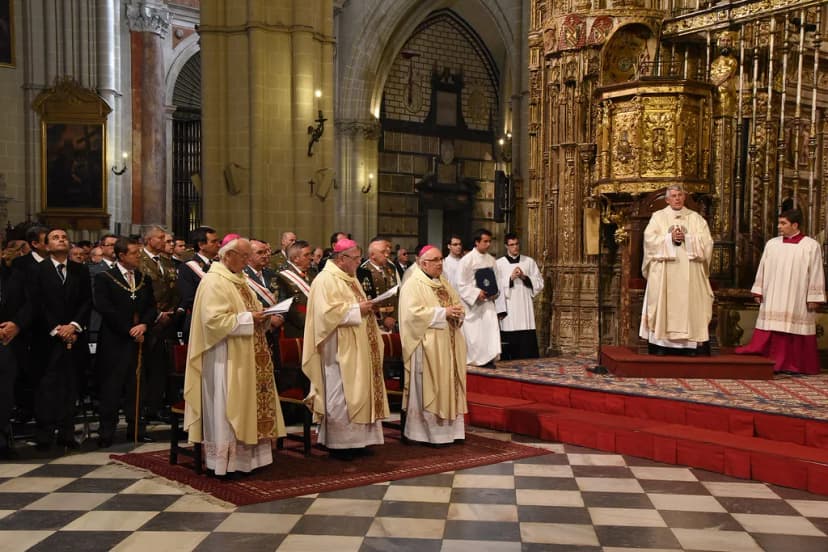
On 3 May each year, the people of Bastia honour the Black Christ of Miracles, a crucifix revered since it was found at sea in 1428 and normally kept in the Sainte-Croix oratory inside the citadel. The procession, known in Corsican as U Cristu Negru, brings together fishermen, brotherhoods and the faithful as they carry the dark wooden crucifix through the old town and down to the Old Port for the traditional blessing of the sea. For deeper background, see the history and religious meaning of the Black Christ Bastia.
The event is completely free and open to everyone, but it draws large and reverent crowds, so a little planning goes a long way. In this guide we walk through the route, the kind of viewing spots that work well, and how to prepare so you can focus on the ceremony rather than on logistics.
The Route: From Sainte-Croix Oratory to the Old Port
The procession begins in the late afternoon at the Sainte-Croix oratory, which sits within Bastia's citadel. Participants, including members of the centuries-old Sainte-Croix brotherhood, carry the crucifix along the citadel's narrow streets before descending toward the Old Port, where the blessing of the sea marks the climax of the celebration. The official Corsica tourism page identifies the old port as the destination of the procession and the location of the blessing.
The exact path can vary slightly from year to year, and the organisers sometimes adjust the details. Because the route passes through tight, historic lanes, you will not always see the whole procession from a single spot, so it helps to decide in advance whether you want to watch the start, the middle or the blessing at the Old Port.
Best General Viewing Areas Along the Route
In the upper citadel, look for wider squares or street junctions where the procession is likely to slow down or pause for hymns and prayers. These open spots give you a better chance of an unobstructed view as the cortege passes, and they often fill up early.
Lower down, the Old Port area is generally the easiest place to watch, with more space for spectators and a clear sightline toward the water where the blessing takes place. If you arrive later, heading for the lower part of the route rather than the crowded citadel will usually make it simpler to find a spot.
Watching from Side Streets and Balconies
Because the core of the procession happens in narrow streets, small side streets branching off the main route can offer a different perspective, often letting you see the procession approach from a distance before it turns. Be aware that you may have to arrive well in advance to secure a position close to the front, as these areas can become packed quickly.
Balconies and upper windows along the route can provide an elevated view, but they are private property and are not open to the public. Access depends entirely on residents or business owners, so do not count on watching from above unless you are invited. Respect the privacy of those who live along the procession route and use the public spaces that are provided.
Accessibility for Reduced Mobility
The citadel's steep, cobbled and stepped lanes are challenging for anyone with limited mobility, while the Old Port area is generally flatter and easier to negotiate. The tourist office of Bastia, which lists the procession among the city's traditions, can provide guidance about accessible places to stand; contact them before your visit for the most accurate information.
If you use a wheelchair or have difficulty standing for long periods, arriving early and choosing a spot near the Old Port is usually the safest approach. Local authorities sometimes set out specific arrangements for the day, so it is worth checking the official announcements in the weeks leading up to 3 May.
Practical Tips for Attendees
The procession is a free event with no ticketing, as festivalenfrance.com confirms, but it draws a loyal following of locals and visitors alike. Expect dense crowds, especially around the oratory and the Old Port, and give yourself extra time to find a spot and to move between locations if you want to see more than one part of the route.
Wear comfortable shoes because you will likely stand for a while, and bring water and sun protection for the early May weather, which can be warm but changeable. Keep your phone charged, as you may want to check the schedule or find a friend in the crowd.
What to Expect: Religious Ceremony and Blessing of the Sea
The day of 3 May is rooted in the liturgical calendar and includes masses at Sainte-Marie Cathedral, with a morning mass in Corsican and a solemn mass late in the morning. In the late afternoon, vespers are followed by the procession through the citadel's streets, and the blessing of the sea at the Old Port is the emotional high point for many attendees.
The event mixes prayer, hymns and popular devotion, and it reflects Bastia's close relationship with the sea and with its own traditions. For a fuller account of the crucifix and its place in local faith, you can read about the Black Christ of Bastia at leisure.
Final Tips for a Respectful Visit
Remember that this is a religious ceremony first. Keep conversations quiet as the procession passes, stay behind any barriers or marshals, and do not block the path of participants. Be mindful of the faithful who may be praying, and avoid pushing forward for a photo during moments of devotion.
Photography is generally tolerated, but it is polite to be discreet and to avoid using a flash in the faces of participants. If you are unsure about anything, follow the example of the people around you, who will know the local customs well.
For the definitive schedule of masses, procession times and any practical arrangements, check the official sources operated by the Bastia tourist office and the event page on festivalenfrance.com, which update their information once the annual programme is confirmed.
Plan Your Visit
Watching the Black Christ procession is an unforgettable experience, whether you stand shoulder to shoulder in the citadel's old streets or find a calmer spot close to the Old Port. Plan to arrive early, dress for the weather and the crowds, and remember that patience is part of the experience.
Because the event is so central to Bastia's identity, you may also be interested in the city's wider cultural calendar. The Procession du Christ Noir Bastia page on Festroam will give you more context, and you can also explore other festivals in France to plan a longer trip around the region.
Frequently Asked Questions
Where is the best place to watch the Black Christ procession in Bastia?
The Old Port area tends to offer the most open views, especially near where the blessing of the sea takes place. In the citadel, look for wider squares or street junctions where the procession may slow down.
What time does the Black Christ procession start in Bastia?
The procession typically starts in the late afternoon, following the vespers at Sainte-Marie Cathedral. The exact time is announced each year by the organizers, so check official sources before your visit.
Is the Black Christ procession free to attend?
Yes, the procession and public services are free and open to all. No tickets are required.
Can you watch the Black Christ procession from a balcony?
Private balconies and windows along the route may offer good views, but they are not public viewing areas. Access depends on the building owners, so you cannot assume entry.
Is the Black Christ procession accessible for people with reduced mobility?
The citadel has steep, cobbled streets that can be difficult, while the Old Port area is generally more accessible. Contact the Bastia tourist office for detailed guidance before your visit.